Quick Answer
Choose outerwear by matching the layer to the temperature swing you actually face, not the calendar. For mild, shifting days, pick a lightweight, water-resistant shell you can layer over a sweater or tee. For cold, steady winter, choose an insulated coat with a wind-blocking outer fabric. Always prioritize fit across the shoulders and room for a mid-layer.
Seasonal transitions are where most outerwear purchases go wrong. You buy a heavy coat for a 45-degree morning, then sweat through a 65-degree afternoon. Or you grab a thin jacket for a windy day and spend the whole commute shivering. The fix is to think in layers and choose pieces that work across a range of temperatures.
This guide gives you concrete decision rules for how to choose outerwear for changing seasons, including what to look for in fit, fabric, and features. You will also see how a few well-chosen accessories can make one jacket work harder all year.
Start With Your Real Temperature Range
Before you look at styles, write down the actual low and high temperatures you will be outside in. A commuter who leaves at 7 a.m. and returns at 6 p.m. may face a 20-degree swing. A parent standing at a bus stop for 15 minutes has different needs than someone walking 10 minutes to a train. Your outerwear should cover the coldest part of your day without cooking you during the warmest part.
If your range is wide, your best strategy is a lightweight shell plus a removable mid-layer. If your range is narrow, a single insulated piece is simpler and often warmer. This one decision eliminates most of the confusion in a seasonal jacket buying guide.
- Check your weather app for the past week, not just today, to see the real swing.
- Write down the number of minutes you are actually outside, not the whole commute.
Match Fabric and Features to the Weather You Hate Most
Every region has a signature discomfort: damp wind, dry cold, or sudden rain. If you hate damp wind, prioritize a tight-weave shell with a hood and adjustable cuffs. If you hate dry cold, prioritize insulation and a high collar. If you hate surprise rain, prioritize a water-resistant finish and a hood that stays up. No single jacket does everything perfectly, so pick the trade-off you can live with.
For layering outerwear, look for a shell that slides easily over a sweater without pulling at the shoulders. A slightly roomier cut is more versatile than a snug one, especially if you plan to add a fleece or a scarf. If a jacket feels tight with just a tee, it will be unwearable with a mid-layer.
- Test the jacket over the thickest sweater you own before buying.
- Check that the hood stays up in wind without holding it.
Fit Rules That Keep You Warm Without Bulk
Fit is the most overlooked part of outerwear. A jacket that is too tight compresses your layers and creates cold spots at the seams. A jacket that is too loose lets warm air escape and feels drafty. The sweet spot is roomy enough for a mid-layer but not so big that the hem rides up or the sleeves swallow your hands.
Check three points: shoulders, sleeves, and hem. The shoulder seam should sit at the edge of your shoulder, not past it. Sleeves should end at your wrist bone so they do not bunch under gloves. The hem should cover your waistband when you raise your arms. If any of these fail, size up or choose a different cut.
- Raise your arms overhead. If the hem lifts above your waist, the jacket is too short or too tight.
- Wear your usual fall or winter layers to the fitting room, not just a t-shirt.
Use Accessories to Stretch One Jacket Across Seasons
A single jacket can cover more of the year if you change what you wear with it. A scarf adds warmth at the neck and can be removed when the sun comes out. A hat and gloves extend a lightweight jacket into colder mornings. A small bag charm or keychain does not change warmth, but it does let you refresh the look without buying a new coat.
For fall and spring, a lightweight jacket plus a scarf and a compact umbrella covers most days. For winter, add a warm hat, gloves, and a thicker scarf. This approach is cheaper and less wasteful than owning three nearly identical coats.
- Keep a lightweight scarf in your bag for temperature drops.
- Choose accessories in colors that work with more than one jacket.
Decision Rules for Buying Outerwear
- If your day swings 15 degrees or more: Choose a lightweight, water-resistant shell with room for a mid-layer. Avoid a single heavy coat that you will carry by noon. Checkpoint: can you wear it open at 60 degrees and zipped at 45?
- If you face steady cold below 40 degrees: Choose an insulated coat with a wind-blocking outer fabric and a high collar. Prioritize warmth over packability. Checkpoint: does the collar cover your neck without a scarf?
- If you hate damp wind: Choose a tight-weave shell with a hood, adjustable cuffs, and a hem that stays down. Skip loose knits that let wind through. Checkpoint: does the hood stay up without holding it?
- If you are between sizes: Size up for layering room, especially across the shoulders and chest. A slightly roomy jacket is more versatile than a snug one. Checkpoint: raise your arms. If the hem lifts above your waist, size up.
Product Facts That Support Smarter Outerwear Choices
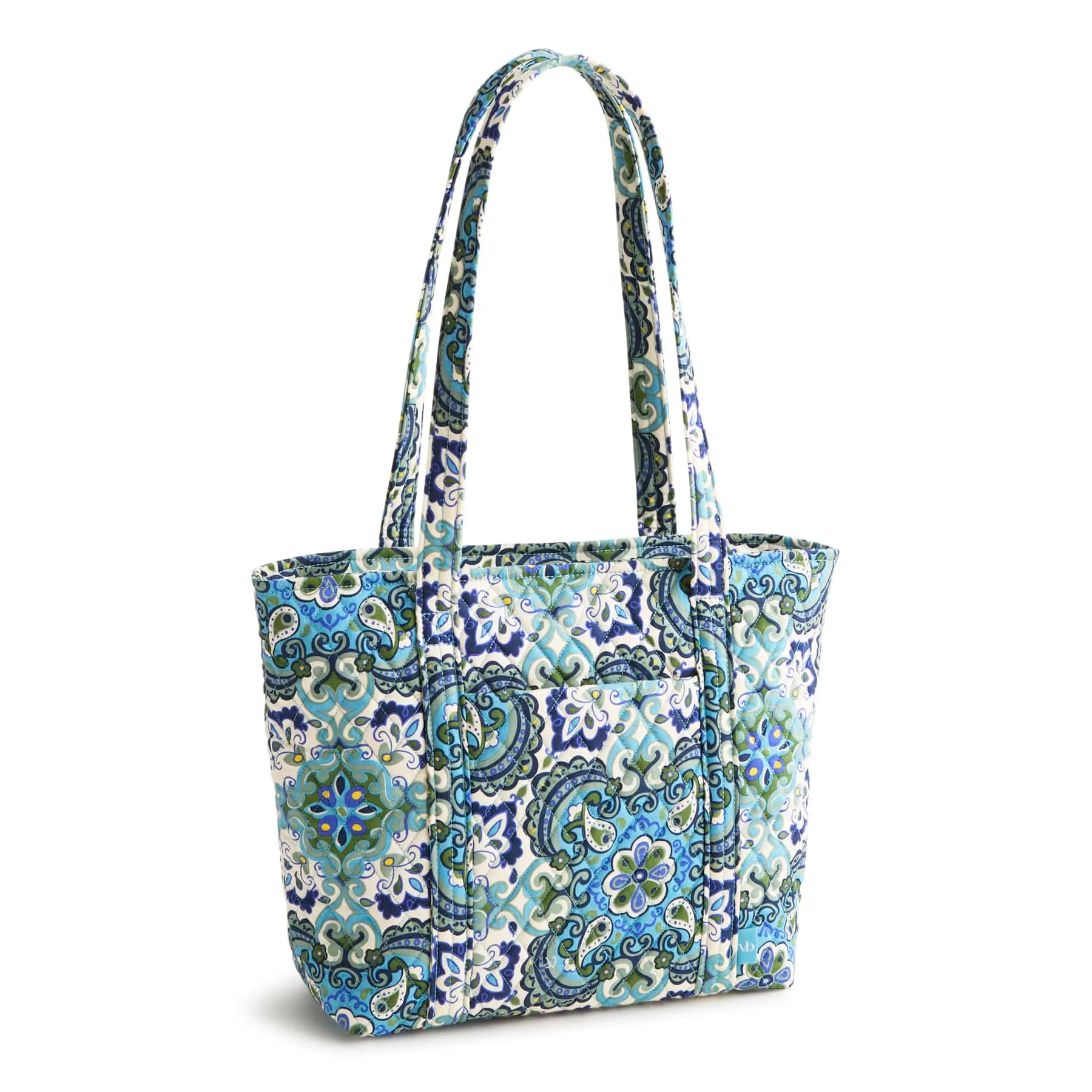
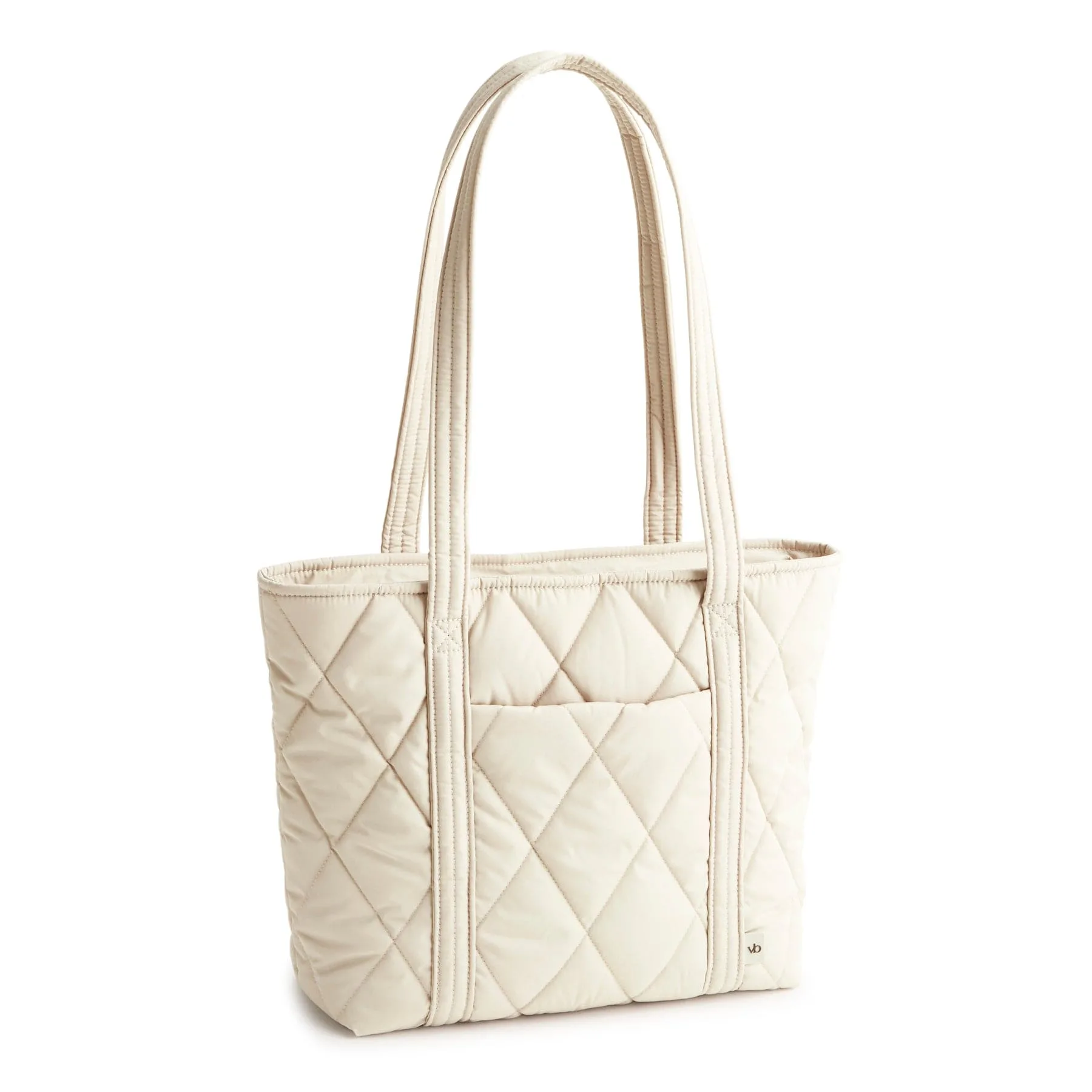
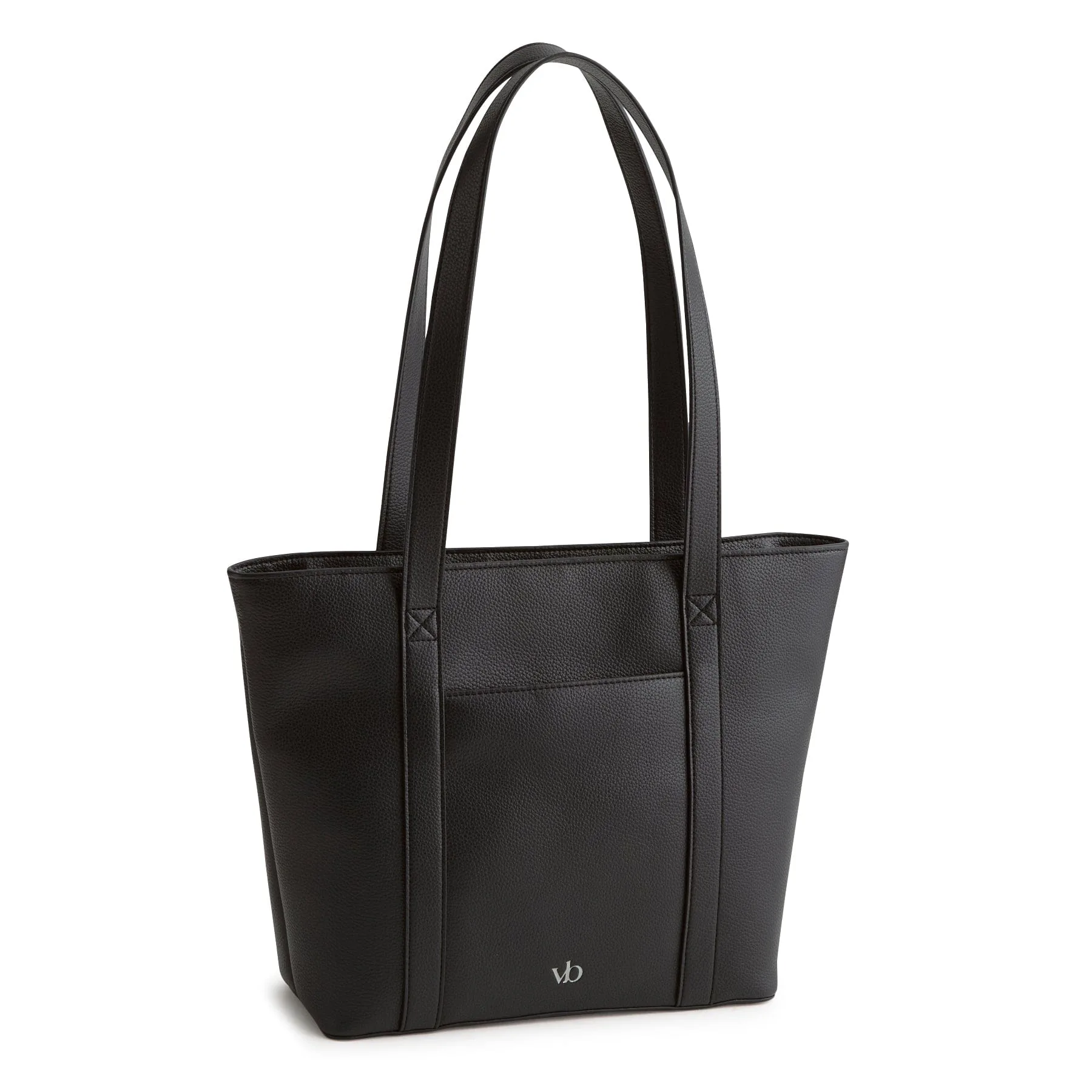
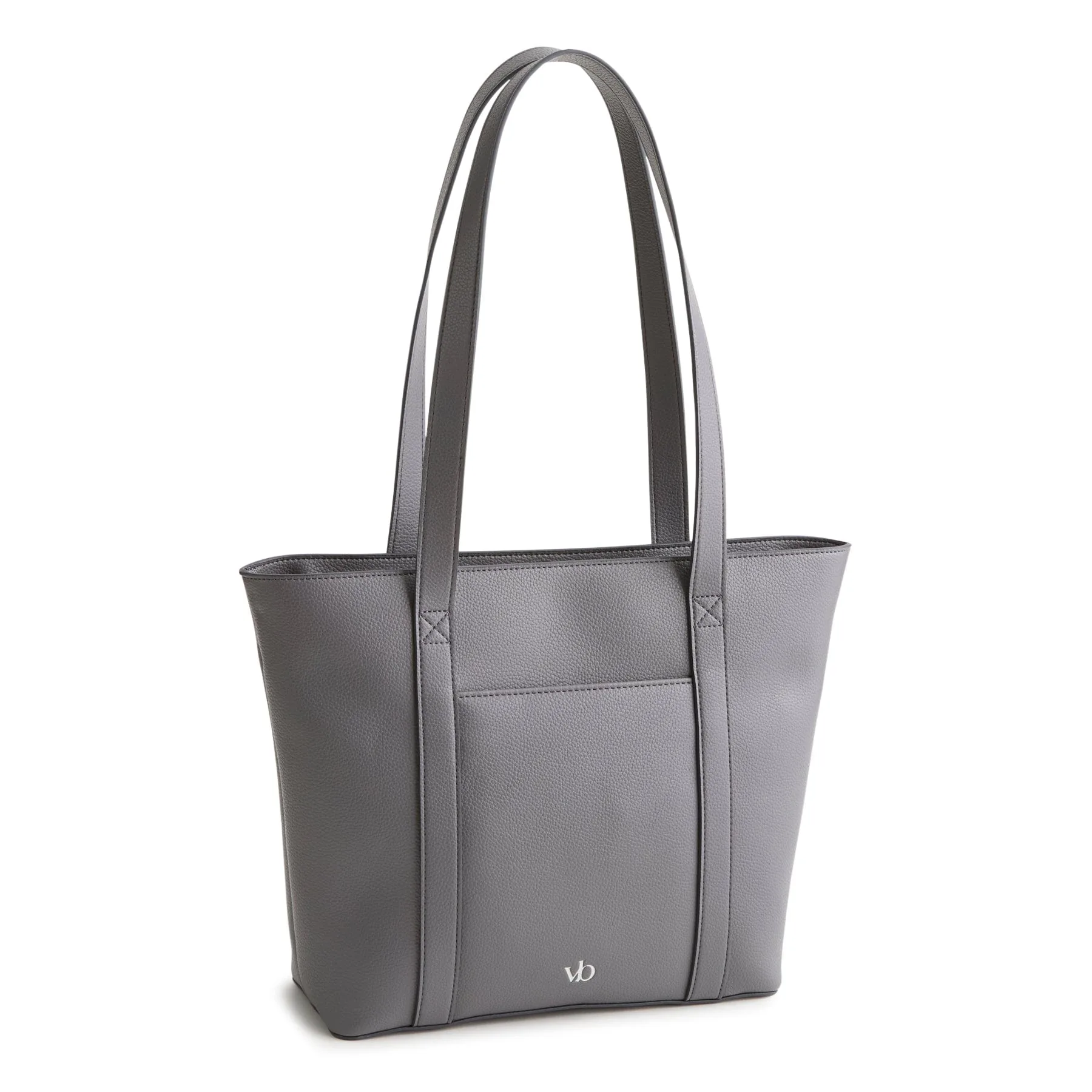
- https://verabradleyoutletex.com/products/outlet-small-vera-tote-5371020089-60c34d295f1cd577987d77a6-1642118https://verabradleyoutletex.com/products/outlet-small-vera-tote-5371020137-83f9210a91005232debcf98c-1642179https://verabradleyoutletex.com/products/outlet-small-vera-tote-5371020145-be57bcc43c9aebfc02e9d7ee-1642224https://verabradleyoutletex.com/products/small-vera-tote-5338023437-be302f26da6ee121f09f3eee-1642120Outlet Small Vera Tote Bag: This tote has a 9 L capacity, six interior slip pockets, a zip closure, and a 12-inch handle drop, with dimensions of 11.5" w x 11.25" h x 4.5" d. A zip-top tote keeps gloves, a scarf, and a compact umbrella organized and dry, so you can adapt to changing weather without carrying a second bag.
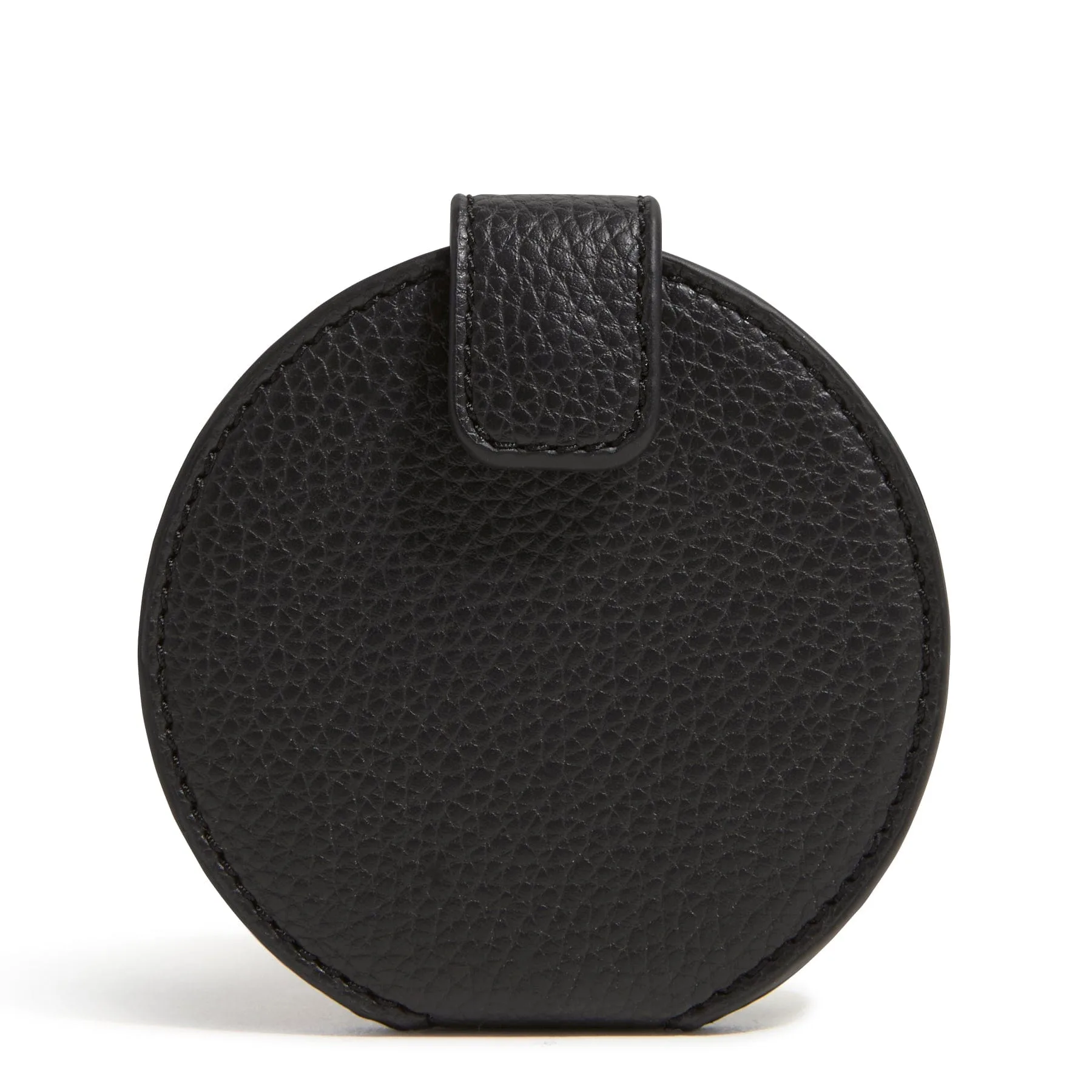
- Outlet Essential Backpack Bag Charm: This outlet-exclusive charm measures 2.5" w x 3.25" h x 1.0" d and weighs 0.07 lb, with a hinge ring and zip closure. A small charm lets you refresh the look of a neutral jacket or bag for a new season without buying new outerwear.
- Large Bancroft Backpack: This backpack is designed for travelers, commuters, and students who want storage and organization, and it is available in pattern options. If you carry layers to and from work or school, a roomy backpack keeps a folded jacket or scarf handy without adding a separate tote.
Who This Outerwear Approach Works For
Best for
- Commuters and students who face a wide temperature swing from morning to evening
- Travelers who want one jacket that works across several days of changing weather
- Anyone building a layered wardrobe instead of buying a separate coat for every season
Not for
- People who need extreme cold protection below 20 degrees for long periods
- Anyone who prefers a single, heavy coat and does not want to layer
- Shoppers looking for formal or tailored outerwear for dressy occasions
Choose outerwear by your real temperature range, not the season label. Pick a shell you can layer for mild swings, an insulated coat for steady cold, and use accessories to stretch one jacket across more of the year. When you try pieces on, test them over your actual layers and check the shoulders, sleeves, and hem. That simple routine will keep you comfortable from the first cold morning to the last warm afternoon.