Quick Answer
For an active pup, prioritize a harness with a secure fit, durable materials, and a leash attachment that suits your activity. Measure your dog's chest and neck, then choose a style that matches your adventures—whether that's a padded harness for daily walks or a lightweight, pack-friendly option for hiking.
Choosing the right dog harness for your active pup can feel overwhelming with so many styles, materials, and features on the market. The key is to match the harness to your dog's body and your favorite activities. A well-fitted harness distributes pressure evenly, prevents chafing, and gives you control without restricting movement.
This buying guide breaks down the decision into simple rules. You'll learn how to measure your dog, what materials to look for, and which features matter for hiking, running, or everyday walks. We'll also highlight a few Ruffwear favorites that are built for adventure.
Start with the Right Fit
The most important factor in any harness is fit. A loose harness can slip off, while a tight one can chafe or restrict breathing. Use a soft measuring tape to measure your dog's chest circumference at the widest part (just behind the front legs) and the neck circumference at the base. Compare these numbers to the brand's size chart—don't rely on weight alone.
When you try the harness on, you should be able to fit two fingers flat between the harness and your dog's body. Check that the straps don't dig into the armpits or rub the neck. Adjust the straps so the harness sits snugly but allows full range of motion. Recheck the fit every few months, especially for growing puppies or dogs that gain or lose weight.
- Measure chest and neck, not just weight.
- Two-finger rule: snug but not tight.
- Recheck fit regularly, especially for puppies.
Match the Harness to Your Activity
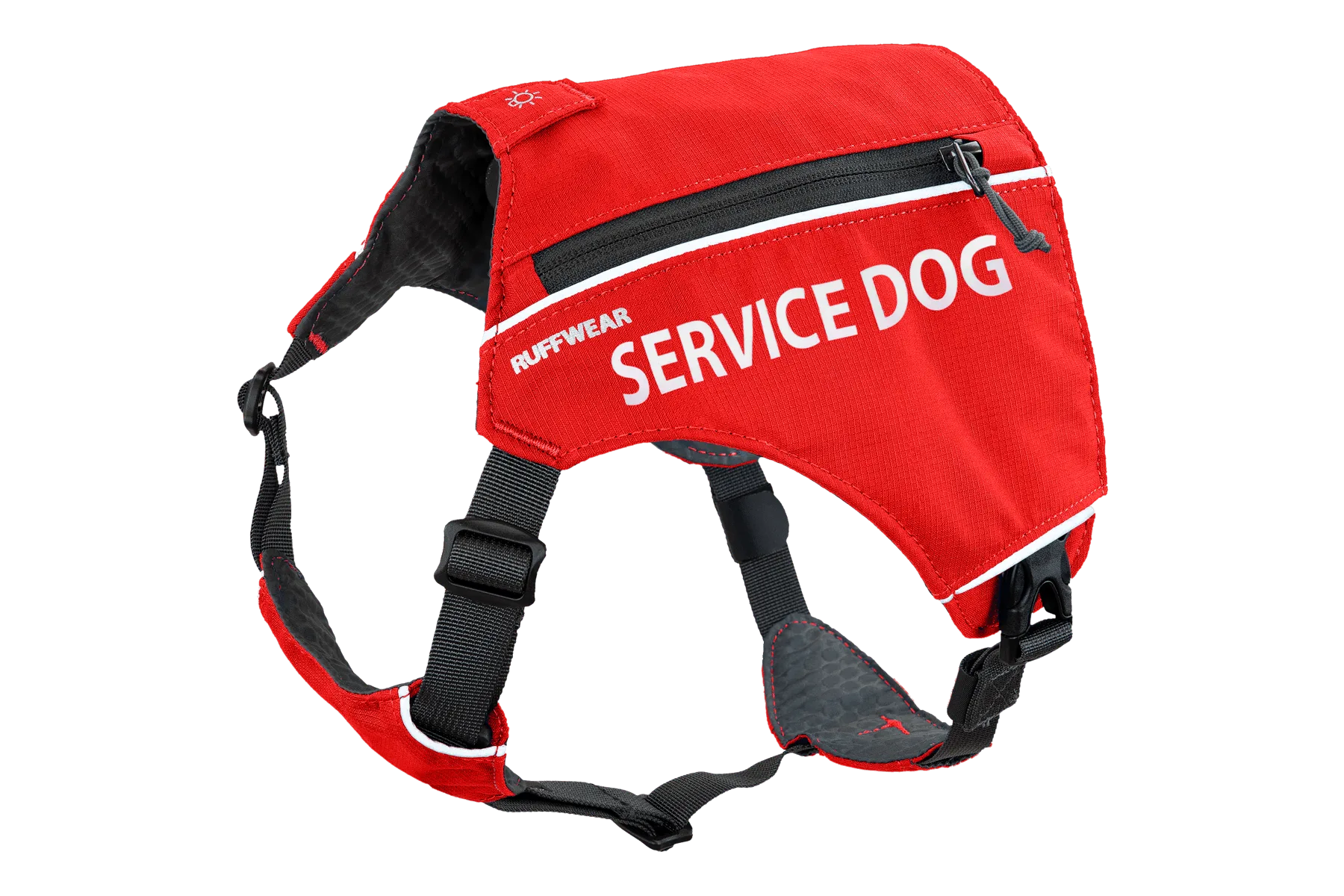
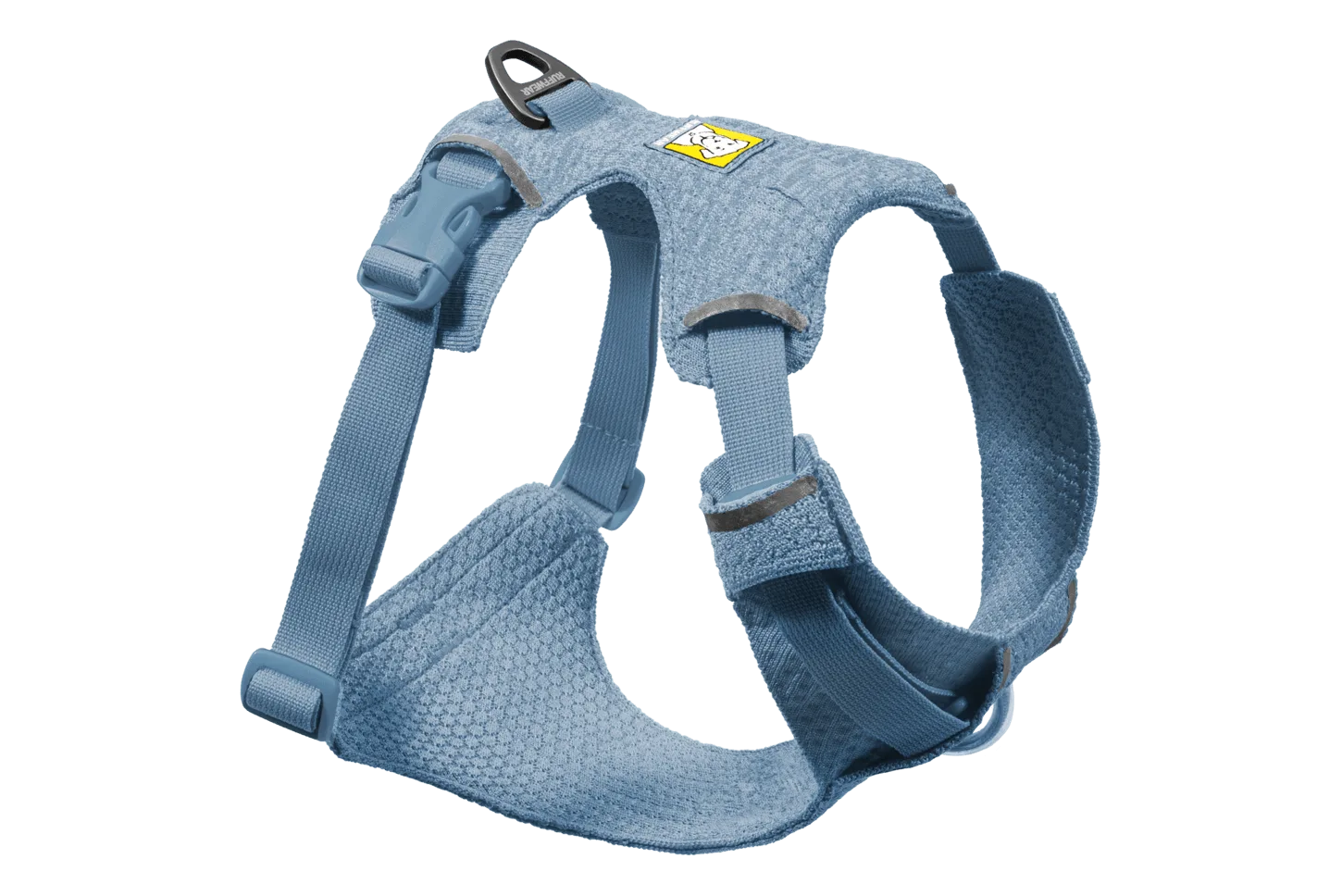
Different activities call for different harness features. For everyday walks, a simple, lightweight harness with a back clip is often enough. For hiking, look for a harness with a handle for lifting over obstacles and a durable exterior that can handle brush and rocks. For running or biking, a harness with a front clip can help discourage pulling and give you more control.
Consider the climate too. A breathable mesh harness is great for hot weather, while a padded harness adds comfort for longer outings. If you plan to attach a pack or a cooling vest, make sure the harness is compatible with those add-ons. Think about the environment—wet conditions call for quick-drying materials that won't hold water.
- Back clip for casual walks, front clip for training.
- Handle helps lift over obstacles on hikes.
- Breathable materials for warm weather.
Evaluate Materials and Durability
Active dogs put their gear through a lot, so choose materials that can handle the wear. Look for reinforced webbing, sturdy buckles, and corrosion-resistant hardware. Nylon and polyester are common choices, but the weave matters—tightly woven webbing resists fraying and holds up to abrasion.
Reflective stitching or trim is a smart addition for early morning or evening adventures. It helps you stay visible without adding bulk. Also consider how easy the harness is to clean. Mud, dirt, and water are part of the fun, but a harness that's machine-washable or quick to rinse will save you time.
- Check for reinforced webbing and sturdy buckles.
- Reflective details improve visibility.
- Choose easy-to-clean materials.
Understand Leash Attachment Points
The leash attachment point affects how the harness performs. A back clip is great for casual walks and allows freedom of movement. A front clip (on the chest) gives you more control and can discourage pulling by turning the dog slightly when they pull. Some harnesses offer both, giving you flexibility for different situations.
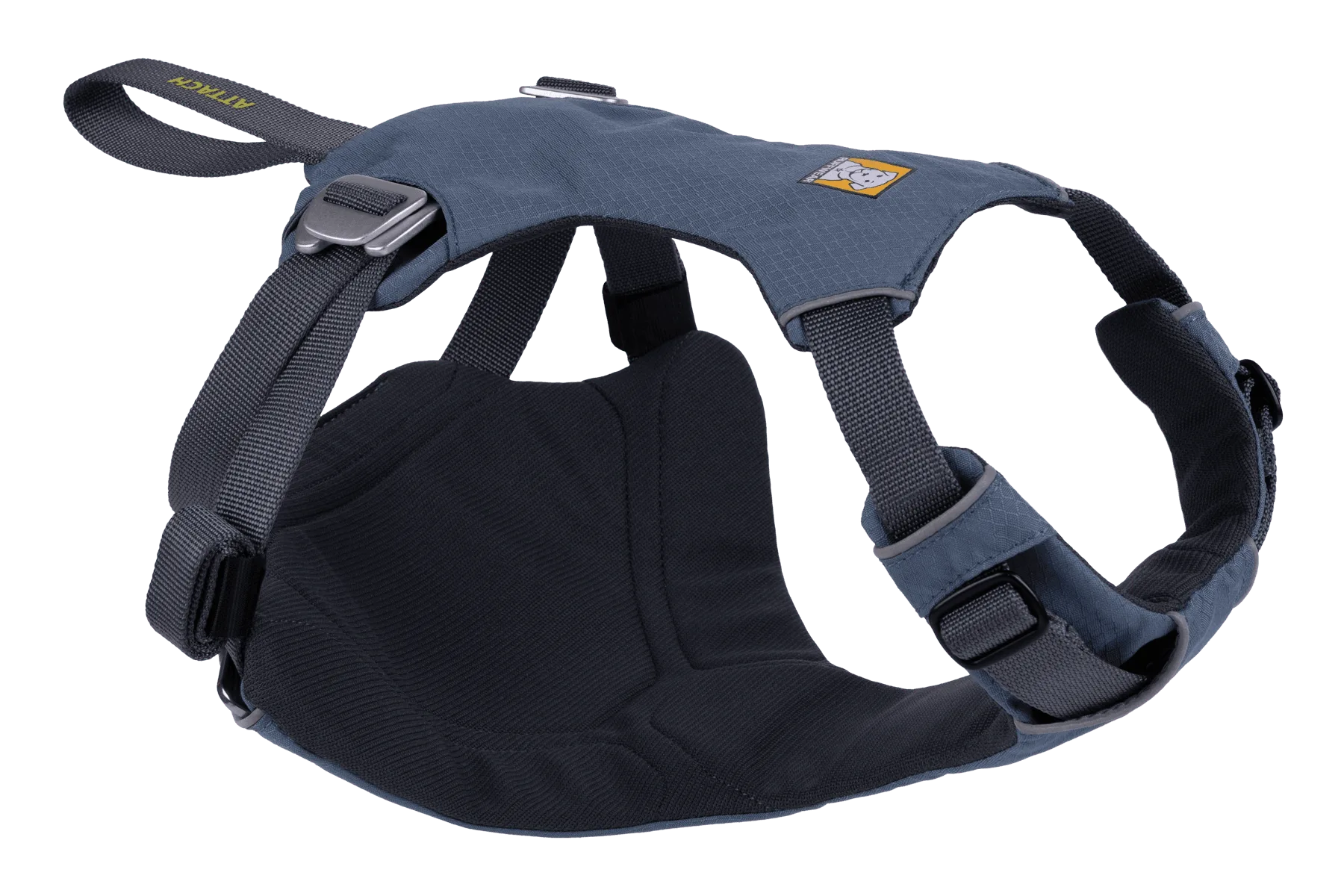
For hiking, a back clip with a handle is often ideal because you can grab the handle to steady your dog on uneven terrain. For running, a back clip that sits high and doesn't bounce is better. Always make sure the clip is secure and won't accidentally release during activity.
- Back clip: freedom, front clip: control.
- Handle adds safety on hikes.
- Ensure clips are secure and durable.
Decision Rules for Choosing a Harness
- Measure First: Take chest and neck measurements, then compare to the brand's size chart. A proper fit is the foundation for comfort and safety. Always measure before you buy.
- Match to Activity: Choose a harness with features that suit your main activity. Hiking needs a handle and durability; running needs a low-bounce back clip; everyday walks can be simple. Pick features based on your adventures.
- Check Materials: Look for reinforced webbing, sturdy buckles, and reflective details. Easy-to-clean materials are a plus for active dogs. Durable materials last longer.
- Test the Fit: Use the two-finger rule and check for chafing. Adjust straps so the harness is snug but allows full movement. Recheck fit regularly.
Ruffwear Harnesses That Fit the Bill
- Front Range® Flex Collar: The Front Range® Flex Collar is our soft, flexible collar inspired by the knit materials used in athletic footwear. It’s built with an engineered knit webbing that conforms to and moves with your dog’s neck for exceptional comfort. Ruffwear’s trusted aluminum V-ring provides a secure leash attachment point while the separate integrated ID attachment point minimizes bulk, keeping the collar light and streamlined. While not a harness, this collar pairs perfectly with a harness for everyday wear. Its lightweight, flexible design won't interfere with your harness, and the separate ID point keeps tags from clanking against the harness hardware.
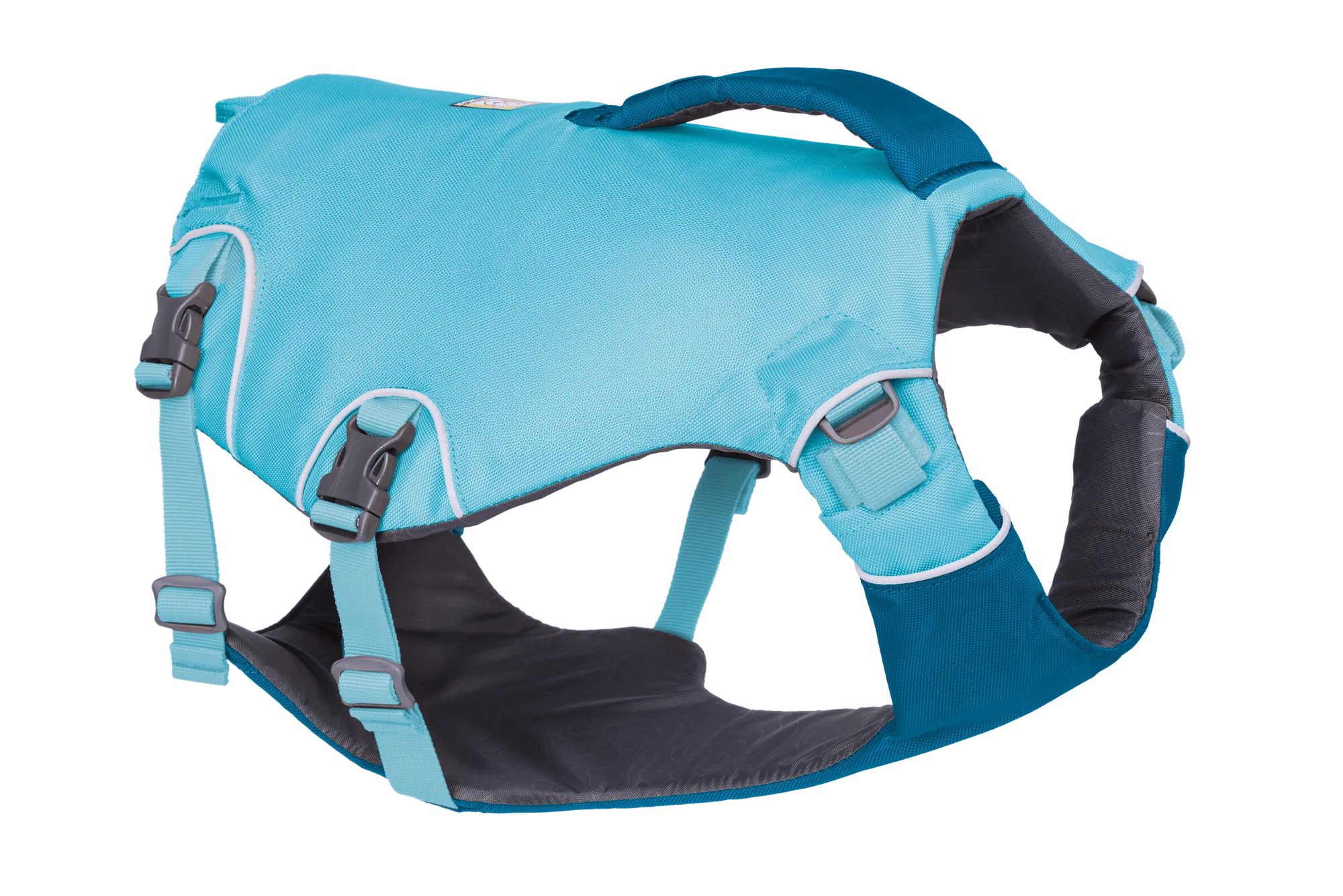
- Confluence™ Dog Life Jacket: The Confluence™ Life Jacket blends the streamlined fit and mobility of a harness with the buoyancy of a life vest, giving dogs the comfort, confidence, and freedom to explore in and around water. Strategically placed foam panels create optimal buoyancy to support a natural swimming position. The strong low-profile handle makes for easy and balanced assisting back on board. For water-loving pups, this life jacket functions like a harness with added buoyancy. The handle is perfect for lifting your dog onto a boat or dock, and the harness-like fit ensures they stay secure without restricting their swimming stroke.
Fit Guidance: Best For vs. Not For
Best For
- Active dogs who hike, run, or swim regularly and need a durable, secure harness.
- Owners who want a harness that's easy to put on and adjust, with clear sizing guidance.
Not For
- Dogs with sensitive skin or severe pulling issues may need a specialized no-pull harness or a padded option—consult a trainer or vet for specific needs.
Choosing the right dog harness for your active pup comes down to fit, activity, and materials. Measure carefully, match features to your adventures, and don't skip the durability check. With the right harness, your dog will be comfortable, safe, and ready for anything—whether it's a trail hike, a run in the park, or a day on the water.