Quick answer
For 13 mesh canvas, start with a size 18 tapestry needle and a thread that covers the grid without bulging, such as a single strand of Persian wool or three to four strands of stranded cotton. Test on a scrap corner first: if bare canvas peeks through, go thicker; if stitches look crowded or distort the holes, go thinner.
13 mesh canvas has roughly 13 threads per inch, so the holes are larger and farther apart than on 18 mesh. That changes both what needle fits comfortably and how much thread it takes to cover each stitch.
This guide walks through a simple order of decisions: measure your canvas, pick a needle, choose a thread weight, test it, and adjust. The goal is a stitch that fills the grid neatly without stretching the canvas or leaving gaps.
Confirm your canvas is actually 13 mesh
Before you buy anything, count the threads in one inch of your canvas. If you count about 13, you have 13 mesh; if you count about 18, you have 18 mesh. This matters because a needle and thread that look fine on 18 mesh will often be too thin for 13 mesh, leaving visible canvas between stitches.
Some hand-painted canvases list the mesh count in the product facts. For example, the Can't, So Busy Tonight - Needlepoint Canvas (Wholesale) is described as 13 x 10 canvas size with a 9 x 6 design size and 13 mesh. If your canvas doesn't state a mesh count, count it yourself rather than guessing.
- Common mistake: assuming all needlepoint canvas is 18 mesh because that's what most kits use.
- Checkpoint: write the mesh count on a sticky note and keep it with your project so you don't second-guess later.
Pick a tapestry needle that fits the hole, not the thread
Tapestry needles have a blunt tip and a large eye, which is what you want for needlepoint. For 13 mesh, a size 18 tapestry needle is the usual starting point. It passes through the larger holes without forcing, and the eye is wide enough for most medium-weight threads.
If the needle bends or you have to push hard, go down a size or two. If it slides through but your thread keeps slipping out of the eye, go up a size. The needle should move through the hole with light pressure, not a shove.
- Common mistake: using a sharp embroidery needle, which splits canvas threads instead of passing between them.
- Checkpoint: thread your needle and pull it through a single hole before you start stitching. If it drags, resize.
Match thread weight to the 13 mesh grid
13 mesh needs more thread per stitch than 18 mesh because each stitch covers a larger square. Persian wool, tapestry wool, and multiple strands of stranded cotton are common choices. A single strand of thin cotton will usually look skimpy on 13 mesh, while a bulky yarn can crowd the holes and distort the canvas.
The practical test is coverage: when you lay a stitch, the thread should fill the square without leaving bare canvas at the corners. If you can see the grid through the stitch, add a strand or switch to a heavier thread.
- Common mistake: choosing thread by color first and weight second, then discovering it doesn't cover.
- Checkpoint: stitch a one-inch square on a scrap corner of the same canvas before committing to a full project.
Run a stitch test on a scrap corner
A stitch test takes five minutes and saves hours. Stitch a small block in the corner of your canvas or on a spare piece of 13 mesh using your chosen needle and thread. Look at it in daylight, not just lamplight, because gaps show up more clearly in natural light.
Check three things: does the thread cover the canvas, do the stitches sit flat without popping up, and does the canvas grid stay square rather than pulling out of shape. If any of those fail, change one variable at a time — needle size first, then thread weight.
- Common mistake: testing on a different mesh count than your actual project.
- Checkpoint: if the test block looks good, keep the needle and thread together in a small bag so you can repeat the pairing later.
Adjust for specialty canvases and kits
Hand-painted canvases can vary slightly because they are painted by hand, so the same mesh count may feel a little different from one canvas to the next. If your canvas is part of a kit or a charm project, check whether thread is included. Many canvases, including the ones in our catalog, do not come with thread, so you'll need to source it separately.
For small projects like bag charms, you may only need a few yards of thread, which makes it easier to test a couple of weights before buying a full skein. For larger canvases, buy enough thread in one dye lot so your coverage stays consistent across the project.
- Common mistake: buying all your thread before testing, then being stuck with a weight that doesn't work.
- Checkpoint: note the dye lot number on your thread label in case you need to match it later.
Your 13 mesh needle and thread checklist
- Count the mesh: Measure one inch of canvas and count the threads. Confirm you have 13 mesh before choosing any tools. Checkpoint: if you count 18, switch to an 18 mesh guide instead.
- Start with a size 18 tapestry needle: Thread it and pass it through a single hole. It should glide with light pressure and hold your thread securely in the eye. Checkpoint: resize if the needle drags, bends, or drops the thread.
- Choose a thread weight that covers the grid: Try Persian wool or three to four strands of stranded cotton as a starting point. The stitch should fill the square without bare corners. Checkpoint: add a strand if canvas shows through; remove one if stitches crowd.
- Stitch a one-inch test block: Use a scrap corner of the same 13 mesh canvas. View it in daylight and check coverage, flatness, and whether the grid stays square. Checkpoint: change one variable at a time until the test looks right.
- Buy enough thread in one dye lot: Once your pairing works, purchase the full amount you need for the project from the same dye lot to keep color consistent. Next step: label your needle and thread pairing so you can repeat it on your next 13 mesh canvas.
Catalog examples with 13 mesh details
- Can't, So Busy Tonight - Needlepoint Canvas (Wholesale): 13 x 10 canvas size, 9 x 6 design size, 13 mesh. Hand-painted and may vary. Canvas does not come with thread. This is a mid-size 13 mesh project, so you'll need to buy thread separately and allow for slight hand-painted variation when planning your coverage test.
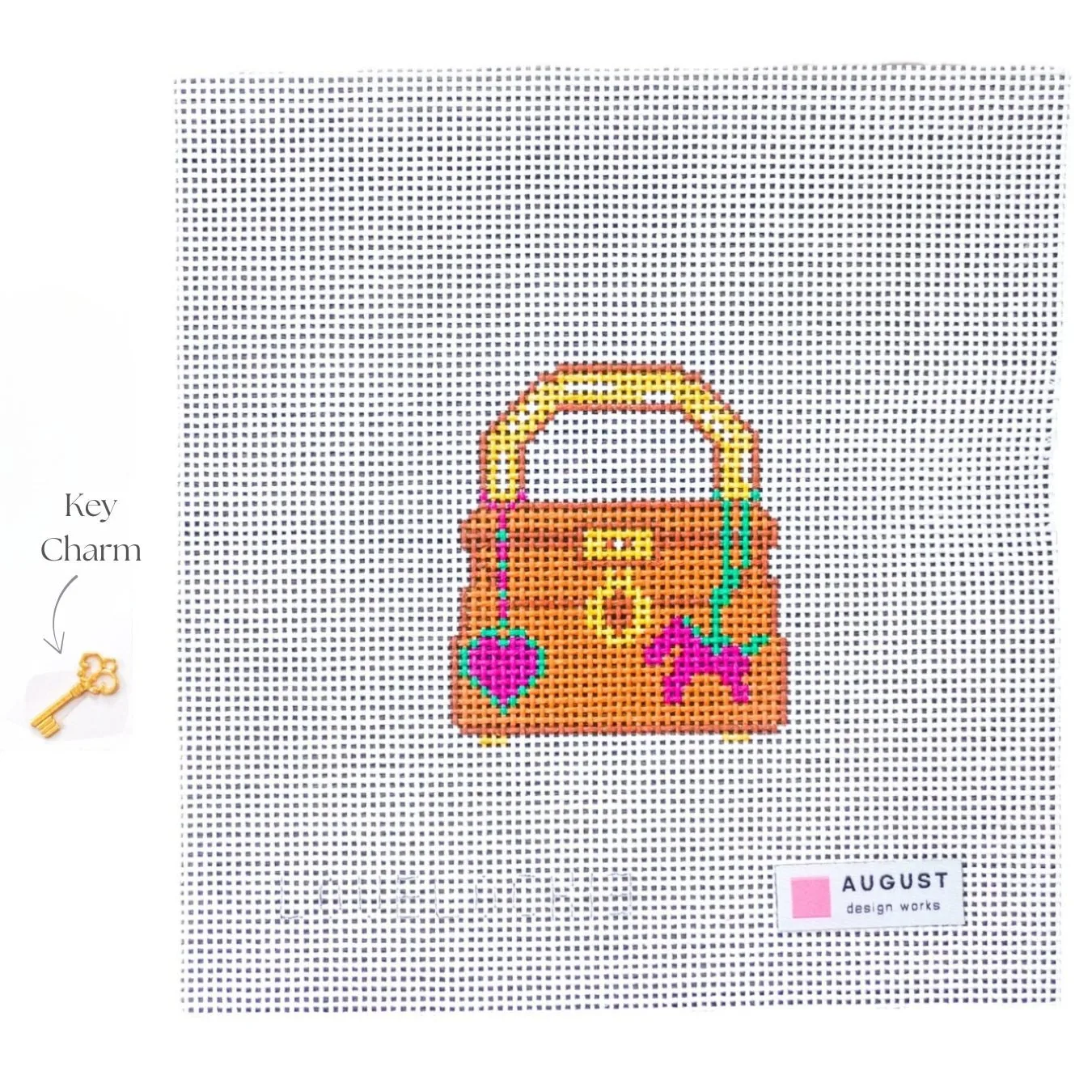
- Bag Charm Love Lock - Needlepoint Canvas + Key Charm: Part of the Love Lock Series, inspired by the tradition of fastening a lock to a bridge. Each design is a keepsake to mark milestones, celebrate traditions, or gift to someone special. Small charm projects use the same 13 mesh stitching logic but need far less thread, so a scrap-corner test costs very little.
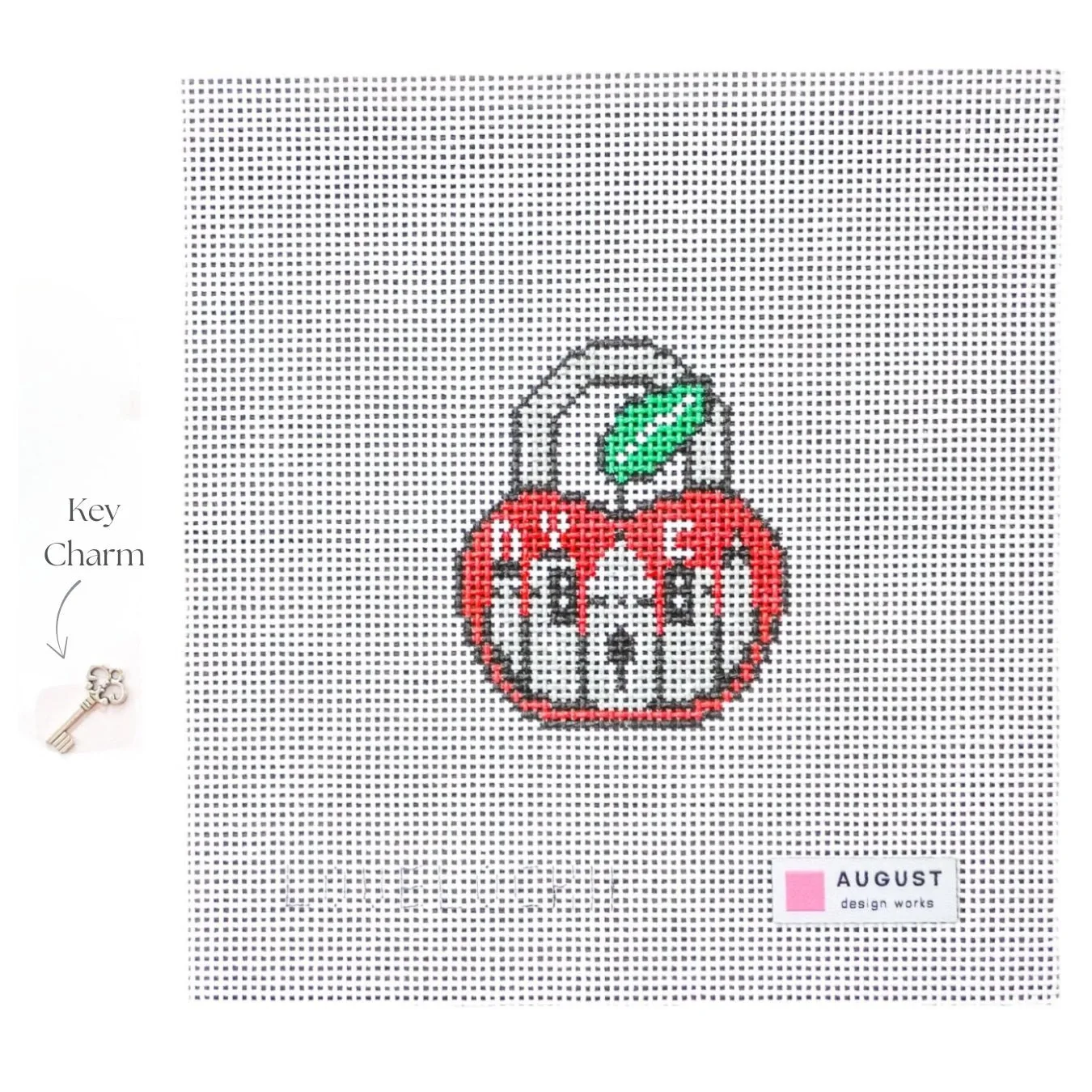
- Big Apple Love Lock - Needlepoint Canvas + Key Charm (Wholesale): A tribute to New York City, part of the Love Lock Series. Each design is a keepsake to mark milestones, celebrate traditions, or gift to someone special. If you're stitching a gift, testing your needle and thread first helps you avoid reworking a piece you can't easily replace.
Choosing a needle and thread for 13 mesh canvas comes down to one habit: test before you commit. Confirm the mesh count, start with a size 18 tapestry needle, pick a thread that covers the grid, and stitch a small sample in daylight. Adjust one variable at a time until the stitches look full and even, then buy your thread in one dye lot and get stitching.