Quick answer
Choose a payload bay that matches your airframe diameter and length requirements, and includes a coupler and bulkhead for secure dual-deploy or altimeter bay setups.
Why payload bay size matters
The payload bay houses electronics like altimeters, GPS trackers, or cameras. Its length and diameter must fit your airframe tube and allow enough room for your components without adding unnecessary weight.
A longer bay gives you more space but shifts the rocket's center of gravity. A shorter bay saves weight but may not accommodate larger altimeter boards or battery packs.
Coupler and bulkhead considerations
Most payload bays come with a coupler to join the bay to the airframe and a bulkhead to seal the electronics compartment. Ensure the coupler fits snugly but can be removed for access.
A bulkhead with a threaded rod or screw-eye allows you to attach shock cords and secure the bay during ejection. Check that the bulkhead material (usually plywood or plastic) can withstand ejection forces.
How to choose the right payload bay
- Measure your airframe inner diameter: Use calipers or a ruler to measure the inside diameter of your rocket's body tube. The payload bay tube must match this diameter exactly for a flush fit. Common mistake: assuming the outer diameter is the same as the inner diameter. Always measure inside.
- Determine the length you need: Lay out your altimeter, battery, and any other components end-to-end. Add 1-2 inches for wiring and padding. Choose a payload bay length that accommodates this stack without cramming. Checkpoint: leave extra room for shock cord attachment and vent holes if using an altimeter.
- Verify coupler and bulkhead compatibility: Ensure the coupler slides smoothly into your airframe tube and the bulkhead fits the payload bay tube. The bulkhead should have a mounting point for your shock cord or electronics sled. Common mistake: buying a bay with a coupler that is too loose or too tight. Test fit before gluing.
- Consider your deployment method: If using dual deploy, the payload bay becomes the avionics bay. You need vent holes for barometric altimeters and a way to route ejection charges. A longer bay gives you room for a terminal block. Checkpoint: mark vent hole locations based on your altimeter's manual before drilling.
Product facts
-
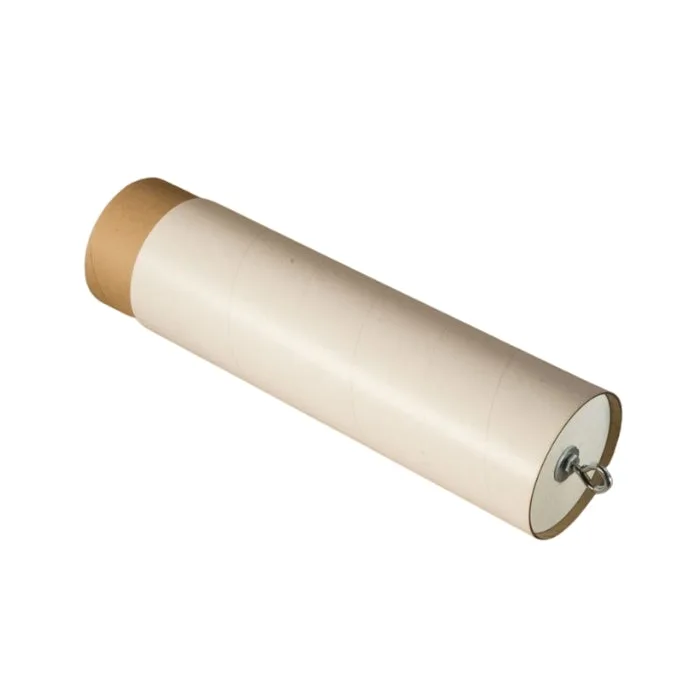
Payload Bays: Includes payload bay, bulkhead assembly, and coupler. Available in 1.52" x 11", 2.14" x 10", and 2.56" x 10" sizes. This all-in-one package simplifies your build: you get the tube, coupler, and bulkhead together, ensuring compatibility and saving you from sourcing separate parts.
Payload Bays