Quick answer
Match the teether to your baby's mouth size and grip, not to a calendar. Under 4 months, use a small, soft silicone teether you can hold for them. From 4 to 7 months, choose a one-piece teether with a textured surface they can grasp. After 7 months, switch to a firmer, larger teether that reaches the back gums. Check it daily for tears, and skip any teether with a detachable part.
Start with mouth size, not the age on the box
A teether that is too wide for your baby's mouth triggers gagging, and one that is too small becomes a choking risk. Measure the distance from the corner of your baby's mouth to the back gum line with your finger. A teether head should be about that width or slightly smaller so it can reach the molars without forcing the jaw open. If your baby turns their head away or pushes the teether out with their tongue, the head is probably too large for this stage.
Match firmness to the stage of teething
Early teething feels like a dull ache, so a soft, flexible silicone teether gives relief without pressing hard on tender gums. As the teeth move closer to the surface, many babies prefer a firmer surface they can bite down on. Test firmness with your own thumbnail: if it dents easily, it is a soft teether for early teething; if it barely flexes, it is a firm teether for later teething. Never freeze a teether solid; a chilled teether from the refrigerator is safer than a frozen one that can bruise gums.
Choose a material you can inspect daily
Food-grade silicone is the most common teether material because it is soft, odorless, and does not harbor bacteria when cleaned properly. Natural rubber is another option, but some babies are sensitive to latex proteins. Avoid teethers filled with liquid or gel, because a puncture can leak unknown contents. Whatever you choose, run a daily check: stretch the teether and look for cracks, sticky spots, or color changes. A silicone teether that has turned cloudy or tacky is breaking down and should be replaced.
Use one-piece designs and skip the fridge clip
The safest teether is a single molded piece with no seams, caps, or beads that can pop off. If a teether comes with a clip or strap, remove it during teething sessions so it cannot wrap around the neck. A clip is useful for keeping the teether off the floor, but it belongs on your diaper bag, not on your baby while they chew. When your baby is in a car seat or stroller, offer the teether only while you are watching.
Step-by-step teether selection
- Check your baby's mouth width: Measure from the corner of the mouth to the back gum with a clean finger. Choose a teether head no wider than that measurement. If the teether makes your baby gag or drool heavily, size down before trying a different shape.
- Pick a soft teether for early teething: For babies under 4 months, choose a small, soft silicone teether that you can hold. Chill it in the refrigerator, not the freezer. A teether that dents easily with a thumbnail is soft enough for tender gums.
- Switch to a textured, graspable teether at 4 to 7 months: Look for a one-piece design with bumps or ridges that your baby can hold independently. Avoid beads, seams, or detachable parts. If the teether comes apart in your hand, it is not safe for unsupervised chewing.
- Move to a firmer, larger teether after 7 months: Choose a firmer silicone teether that reaches the back gums where molars emerge. The larger size also matches a stronger grip. A teether that barely flexes under your thumbnail is firm enough for later teething.
- Inspect the teether daily and replace it at the first sign of wear: Stretch the teether and check for cracks, stickiness, or discoloration. Wash it with warm soapy water and let it air dry. A cloudy or tacky silicone teether is breaking down and should be thrown away.
Product facts that support teething comfort
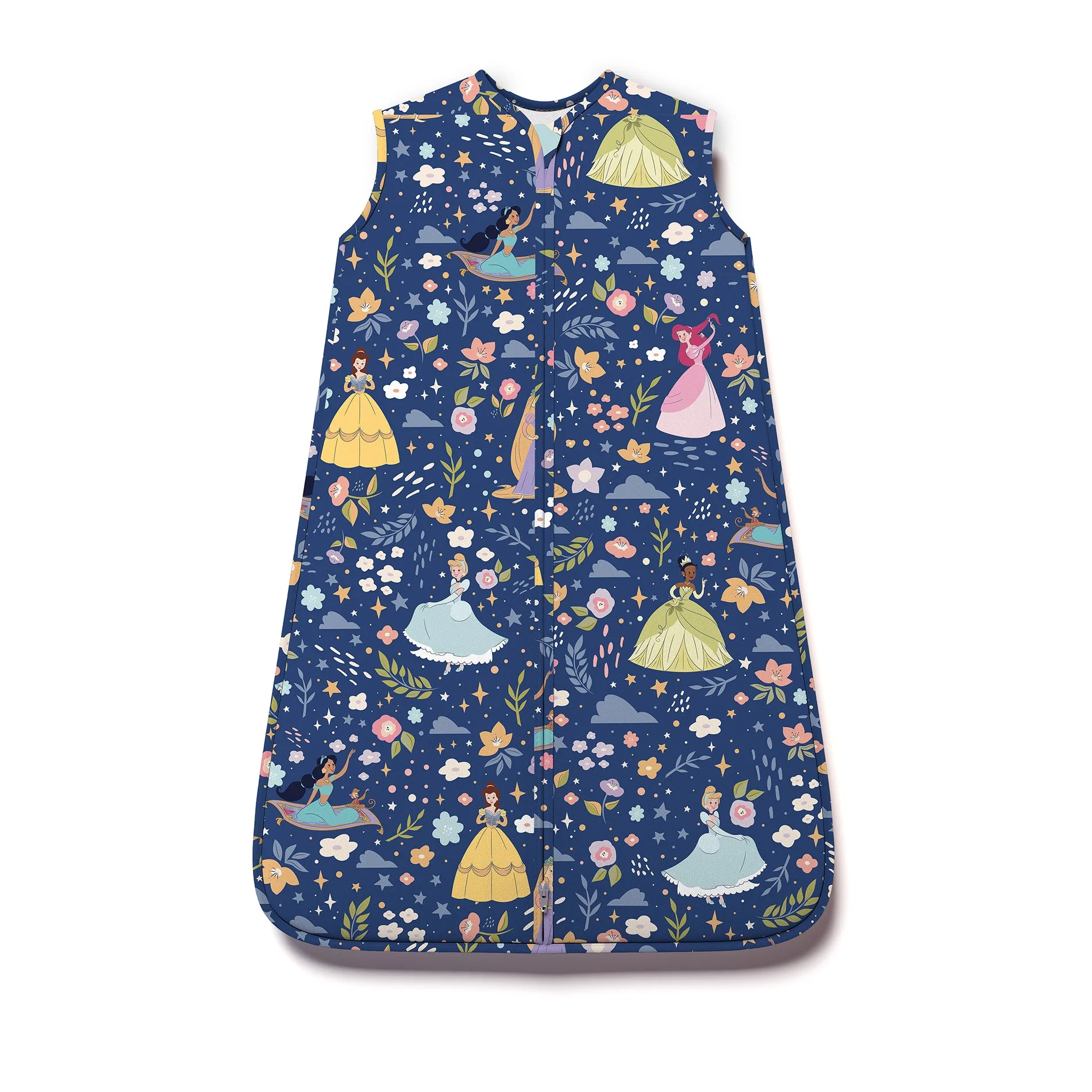
- DISNEY PRINCESS SQUAD SLEEP BAG: The Disney Princess Squad Milk Snob Sleep Bag is a soft, cozy blanket alternative with a TOG rating that measures warmth. A sleep bag keeps your baby warm without loose blankets, which is helpful when teething disrupts sleep and you want a consistent sleep environment.
- STAR WARS™ THE CHILD BLANKET: The STAR WARS The Child Milk Snob Blanket uses a premium rayon-blend fabric with a dual-layer design for weight in any climate. A soft, dual-layer blanket gives your baby a familiar comfort object during teething fussiness, and the weight works across seasons.