Quick answer
Choose a treat dispenser toy by matching it to your dog's chewing power, not just their size. If your dog destroys plush or thin rubber toys, pick a power-chewer rubber dispenser. If your dog needs mental work more than chewing, a treat-holder ball or puzzle-style dispenser works better. For puppies or gentle chewers, a soft tug or fetch toy with a treat pocket keeps play safe. Always check that the toy's material and shape fit how your dog actually plays.
Treat dispenser toys solve two problems at once: they slow down eating and they give your dog a job to do. But the wrong dispenser can be a choking hazard, a frustration machine, or a toy that your dog ignores after five minutes. The difference usually comes down to how the toy matches your dog's chewing style and problem-solving level.
This guide gives you concrete decision rules for choosing a treat dispenser toy. You'll learn how to read material, shape, and size cues, when to pick a rubber power-chewer toy versus a soft tug, and which trade-offs matter most. It also covers fit guidance so you can avoid the most common buying mistakes.
Start With Chewing Power, Not Breed or Size
A 60-pound Labrador who nibbles gently needs a different dispenser than a 20-pound terrier who shreds everything. Chewing power is the single best predictor of whether a treat dispenser toy will last. Look at how your dog treats existing toys: if they puncture rubber, remove chunks, or flatten balls, you need a power-chewer-rated dispenser. If they mostly mouth and carry toys, a softer material is safe and more comfortable.
Size still matters for safety. A toy that is too small can be swallowed or lodged in the throat. A toy that is too large is hard to carry and your dog may lose interest. As a rule, choose a dispenser that is slightly larger than your dog can fit entirely in their mouth. For strong chewers, prioritize thick rubber walls over hollow, thin plastic.
- Test with one toy before buying a set. If it survives a week, buy more of that material.
- Avoid toys with small caps or removable parts if your dog is a determined chewer.
Match the Dispenser Style to Your Dog's Motivation
Some dogs are food-motivated and will work for kibble. Others prefer chasing, tugging, or fetching. A treat-dispensing ball that rolls and releases kibble suits dogs who like to chase. A treat-holder chew toy suits dogs who like to lie down and gnaw. A tug toy with a treat pocket suits dogs who want interactive play with you. If you pick a style that doesn't match your dog's natural play style, the toy will sit in the corner.
For dogs who get bored easily, look for adjustable difficulty. Some dispensers have openings you can widen or narrow. Starting easy and making it harder keeps your dog engaged. If the toy only has one fixed opening, it may be too hard for beginners or too easy for experienced puzzle solvers.
- Food-motivated dog: choose a rolling ball or treat-holder that releases kibble as they play.
- Play-motivated dog: choose a tug or fetch toy with a treat pocket to combine movement and reward.
Check Material Safety and Durability Claims
Material matters for teeth and jaws. Soft cotton or flexible rubber is gentler on puppy teeth and senior mouths. Hard plastic or dense rubber can crack teeth if your dog chews aggressively. Look for toys described as veterinarian approved or tooth-friendly, but treat those labels as a starting point, not a guarantee. No toy is indestructible, and any toy can be damaged by a determined chewer.
Durability claims should match the manufacturer's testing, not marketing language. If a toy is described as withstanding the abuse of most chewers, that tells you it is built for strong jaws. If a toy is described as soft and tooth-friendly, it is likely not for power chewers. Read the fine print and choose based on your dog's actual behavior.
- Inspect toys weekly for cracks, missing chunks, or exposed seams.
- Replace any toy that has pieces you can pull off with your fingers.
Consider Cleaning, Filling, and Daily Use
A treat dispenser only works if you actually use it. Toys with wide openings are easier to fill and clean. Toys with narrow channels can trap food and grow bacteria. If you use wet food, peanut butter, or yogurt, choose a toy you can rinse thoroughly or put in the dishwasher if the manufacturer allows it. If you only use dry kibble, cleaning is simpler but you still need to check for stuck pieces.
Think about where you'll use the toy. A ball that rolls under furniture can be frustrating indoors. A floating toy works for water play. A tug toy needs you on the other end. Match the toy to your environment and your daily routine. If you want a toy for alone time, choose one that doesn't require your participation.
- Wide openings are easier to fill and clean than narrow channels.
- For indoor use, choose a dispenser that doesn't roll too far or bounce unpredictably.
Decision rules for choosing a treat dispenser toy
- If your dog destroys rubber toys: Choose a power-chewer-rated rubber dispenser with thick walls. Avoid soft cotton or thin plastic, even if they have treat pockets. Durability first. A destroyed toy is a choking risk.
- If your dog needs mental stimulation more than chewing: Choose a rolling ball or adjustable puzzle dispenser that releases kibble as your dog works. Start with the easiest setting and increase difficulty. Look for adjustable openings so the toy grows with your dog's skills.
- If you have a puppy or senior dog: Choose soft, tooth-friendly materials like cotton or flexible rubber. Avoid hard plastic and dense rubber that can damage weaker teeth. Gentle materials reduce injury risk for developing or aging mouths.
- If you want a toy for alone time: Choose a dispenser that doesn't require you to hold or throw it. A treat-holder chew toy or rolling ball works better than a tug toy. Match the toy to how your dog will actually use it when you're not there.
Product facts that matter for treat dispensers
- New! Penguin Durable Rubber Chew Toy & Treat Dispenser: Designed and built to withstand the abuse of most chewers; helps reduce problem chewing, boredom, and separation anxiety; veterinarian approved; made in the USA. This is a strong candidate for power chewers who need a durable dispenser that also addresses destructive chewing. The veterinarian approval and USA manufacturing may matter if you prioritize those factors.
- NEW! Tough Rubber Treat Holder & Chew Toy: Combines a treat dispenser and chew toy; provides entertainment, boosts mental stimulation, and promotes oral health; highly durable rubber. A good fit if you want one toy that does double duty: keeps your dog busy and supports dental health. The rubber material is likely softer than hard plastic, so it suits moderate chewers.
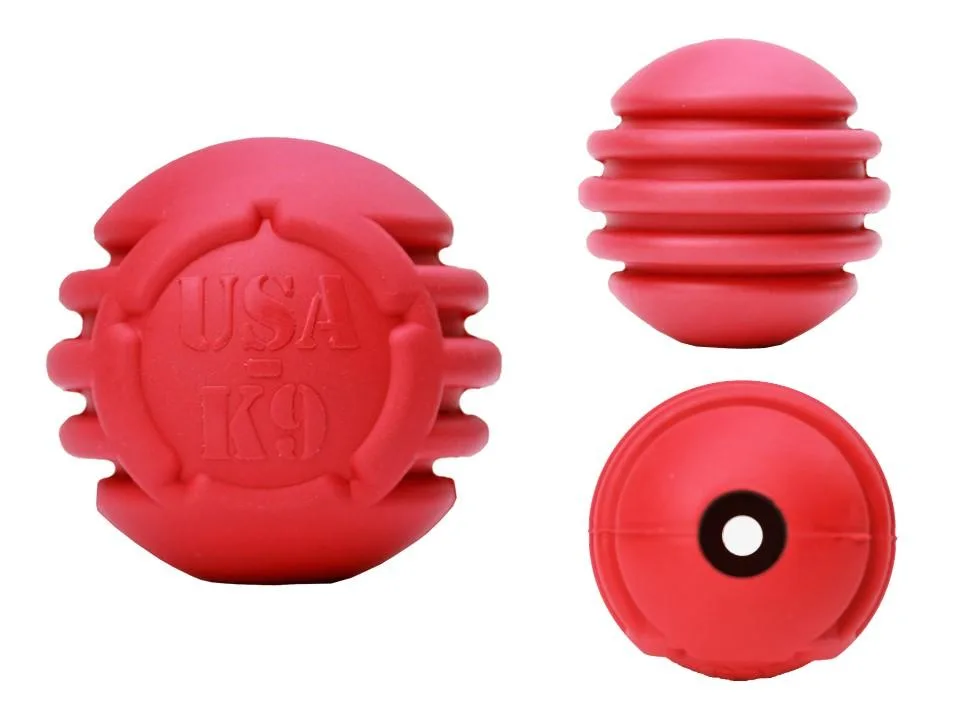
- NEW! K9 Power Chewer Tough Rubber Ball: Ultra durability made to withstand aggressive, powerful chewers; strong, wear-resistant, and fortified; for big or small dogs with sharp teeth and strong chompers. Choose this if your dog has destroyed other rubber balls. The power-chewer rating is the key signal here, and it works for both large and small strong chewers.
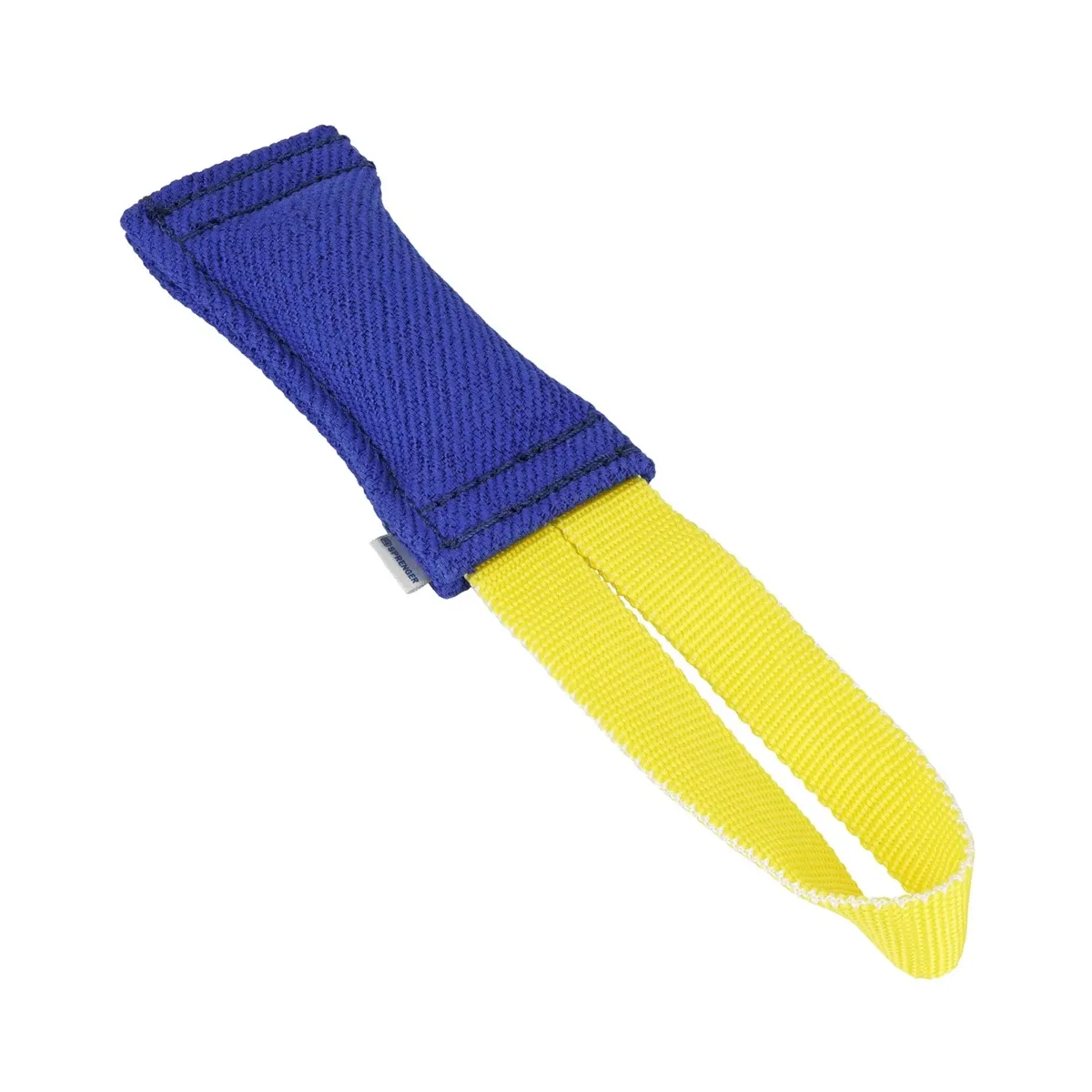
- Herm Sprenger Puppy Bite Tug: Made of high-quality, soft and tooth-friendly cotton; suitable for small and medium dogs and puppies; for retrieving, hunting instinct development, or as a toy; hand strap for secure grip; no chewing or tugging toy. This is not a treat dispenser, but it is a useful alternative for puppies or gentle dogs who need interactive play rather than chewing. The soft cotton is safe for developing teeth.
Who should buy which treat dispenser
Best for
- Power chewers who need a durable rubber dispenser that survives aggressive chewing
- Dogs who need mental stimulation and will work for kibble or treats
- Owners who want a toy that combines chewing, enrichment, and oral health
Not for
- Dogs who prefer soft plush toys and are not motivated by food
- Owners who want a toy that requires no supervision or cleaning
- Dogs with dental issues who need extremely soft materials only
The right treat dispenser toy comes down to matching material and style to your dog's chewing power and motivation. Start with one toy, watch how your dog uses it, and adjust from there. A toy that fits your dog's behavior will last longer, keep them engaged, and make enrichment part of your daily routine.