Quick answer
For aggressive chewers, prioritize chews made from single, natural ingredients with a firm texture that matches your dog's size and bite strength. Look for items like ostrich gizzard or beef jerky strips that are digestible and less likely to splinter, and always supervise the first few sessions to confirm they are safe.
If your dog chews through every toy and treat in record time, you know the frustration of wasted money and the worry about safety. Aggressive chewers need chews that are both durable and safe, meaning they won't crack teeth or cause digestive blockages. The right choice depends on your dog's size, chewing style, and what you want the chew to accomplish.
This guide gives you clear rules for picking long-lasting dog treats that are safe for heavy chewers. You'll learn which materials to trust, how to size chews correctly, and when a chew toy might be a better option than an edible treat.
What Makes a Dog Chew Safe and Durable?
Safety starts with the material. Safe dog chew materials are digestible, flexible enough not to break teeth, and free from sharp splinters. Natural single-ingredient chews like ostrich gizzard or beef esophagus are generally easier on the stomach than synthetic options, and they provide beneficial nutrients like protein and chondroitin. Avoid chews that are harder than your dog's teeth—if you can't make a dent with your fingernail, it's probably too hard.
Durability isn't just about hardness; it's about how the chew breaks down. A good chew for aggressive chewers should soften and wear down in small, manageable pieces rather than snapping into sharp shards. This is why many owners prefer natural chews that are oven-baked or dehydrated, as they tend to be more consistent in texture.
- Check the ingredient list: single-ingredient chews are easier to trace and often safer.
- Start with a short supervised session to see how your dog chews and whether pieces break off safely.
Matching Chew Size to Your Dog
Size is critical. A chew that is too small can be swallowed whole, while one that is too large may be hard to grip and frustrating. As a rule, choose a chew that is larger than your dog's mouth when held sideways. For medium to large dogs, a 12-inch jerky strip or a full ostrich gizzard provides a satisfying challenge and reduces the risk of choking.
For puppies or small breeds, look for smaller versions of the same chew types. Always supervise the first few uses, and discard any piece that becomes small enough to swallow whole. This is especially important for aggressive chewers who may try to gulp down the last bit.
- Measure the chew against your dog's snout: it should be longer than the mouth opening.
- When the chew gets down to the size of a golf ball, take it away and replace it with a new one.
When to Choose a Chew Toy Instead of an Edible Treat
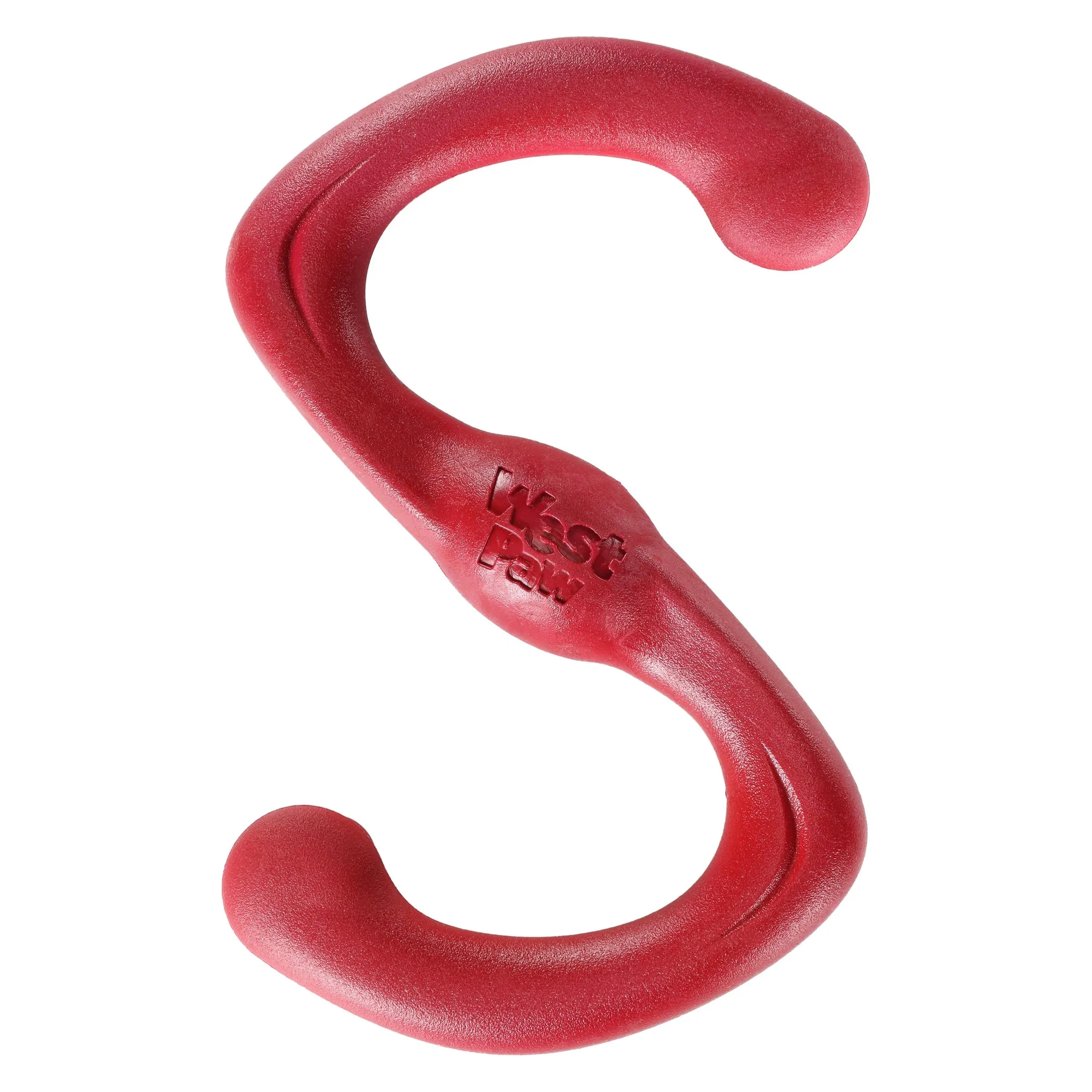
Edible chews like ostrich gizzard or beef jerky strips are great for rewarding and occupying your dog, but they eventually get eaten. If your dog's main goal is to gnaw for hours on end, a durable rubber toy might be a better investment. Toys like the Corn on the Cob eDispenser are designed to hold treats and withstand heavy chewing, giving your dog mental stimulation without the calories.
Consider your dog's chewing style. If they are a 'power chewer' who destroys soft rubber, look for ultra-durable materials and avoid toys with small parts that can be ripped off. For aggressive chewers, a treat-dispensing toy can slow down eating and provide enrichment, but you still need to choose a size that matches your dog's jaw strength.
- Use edible chews for short training sessions or as a reward.
- Reserve long-lasting rubber toys for when you need to keep your dog busy for a while.
Understanding Your Dog's Chewing Style
Aggressive chewers fall into two broad camps: 'shredders' who tear things apart and 'gnawers' who grind slowly. Shredders do better with dense, tough chews like ostrich gizzard that resist tearing, while gnawers may enjoy jerky strips that soften and wear down gradually. Observe your dog's behavior to choose the right texture.
Also consider your dog's age and dental health. Puppies need softer chews to protect developing teeth, while senior dogs may have sensitive gums. If you're unsure, consult your vet before introducing a new chew, especially if your dog has had dental issues in the past.
- Watch your dog's first few minutes with a new chew to identify their style.
- Rotate between two or three chew types to keep interest and avoid overuse of one material.
Decision Rules for Aggressive Chewers
- Rule 1: Match the chew to your dog's size: Choose a chew that is larger than your dog's mouth to prevent swallowing. For medium to large dogs, a 12-inch jerky strip or full ostrich gizzard works well. When in doubt, go bigger—you can always supervise and remove it early.
- Rule 2: Prioritize digestible materials: Opt for single-ingredient natural chews like ostrich gizzard or beef esophagus that soften and break down in small pieces, reducing the risk of blockages. Avoid chews that splinter or are harder than your dog's teeth.
- Rule 3: Know when to switch to a toy: If your dog's goal is to gnaw for hours, a durable rubber toy like the Corn on the Cob eDispenser is a better choice than an edible chew that will be eaten quickly. Use edible chews for rewards, and toys for extended mental stimulation.
- Rule 4: Supervise the first sessions: Watch how your dog chews a new product for the first few times. Look for safe breakdown and no signs of choking or digestive upset. If you see sharp pieces or gulping, remove the chew immediately.
Products That Fit the Bill
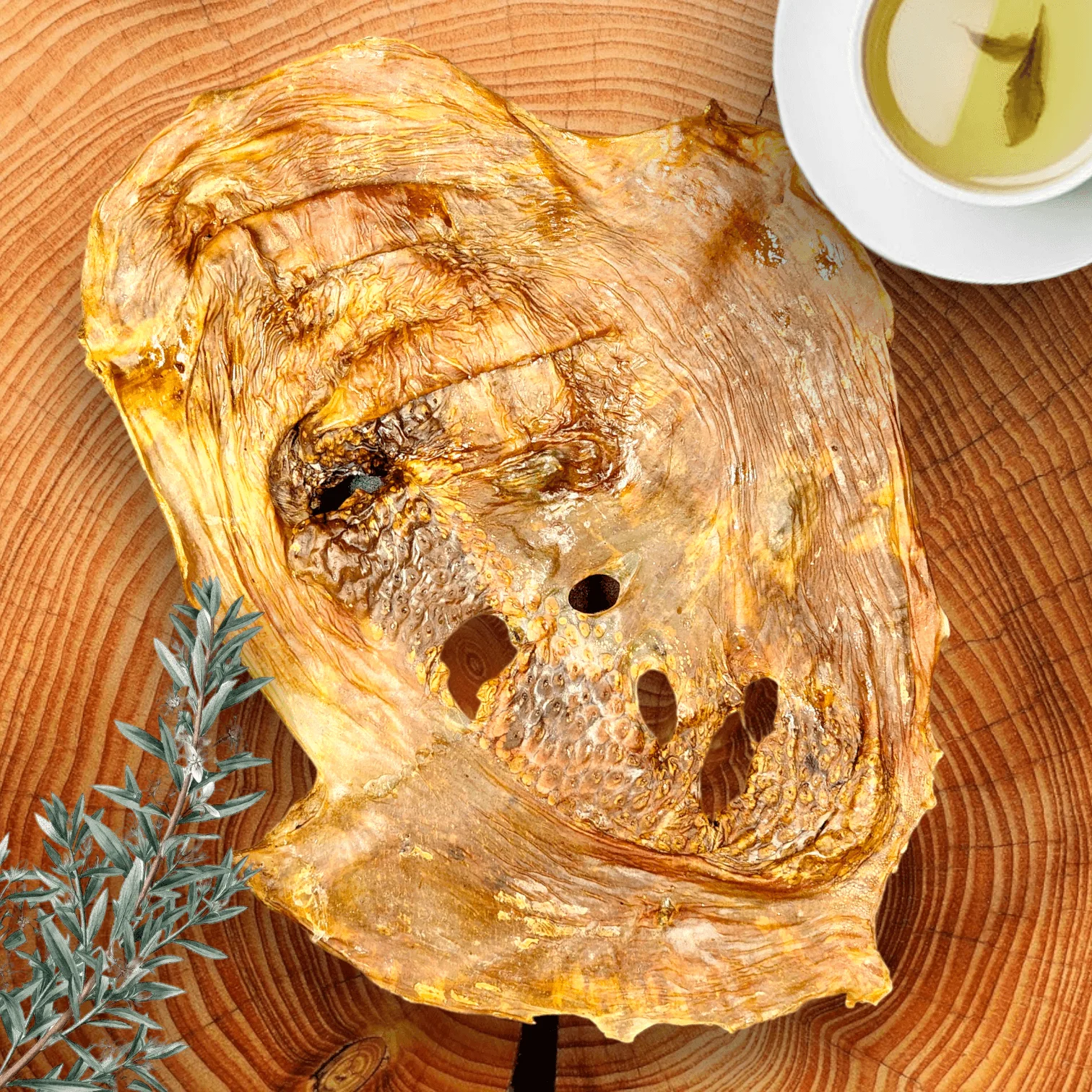
- Chewy Ostrich Whole Gizzard: The Protein & Omega-3 Rich, Natural Dog Chew Treat: This all-natural, easily digestible hypoallergenic whole gizzard is made from 100% ethically and sustainably raised ostrich. It's perfect for dogs of all breeds and sizes, especially those with sensitivities. Ostrich gizzard is a novel protein that's less likely to trigger allergies, and its dense texture can stand up to aggressive chewers while providing protein and omega-3s.
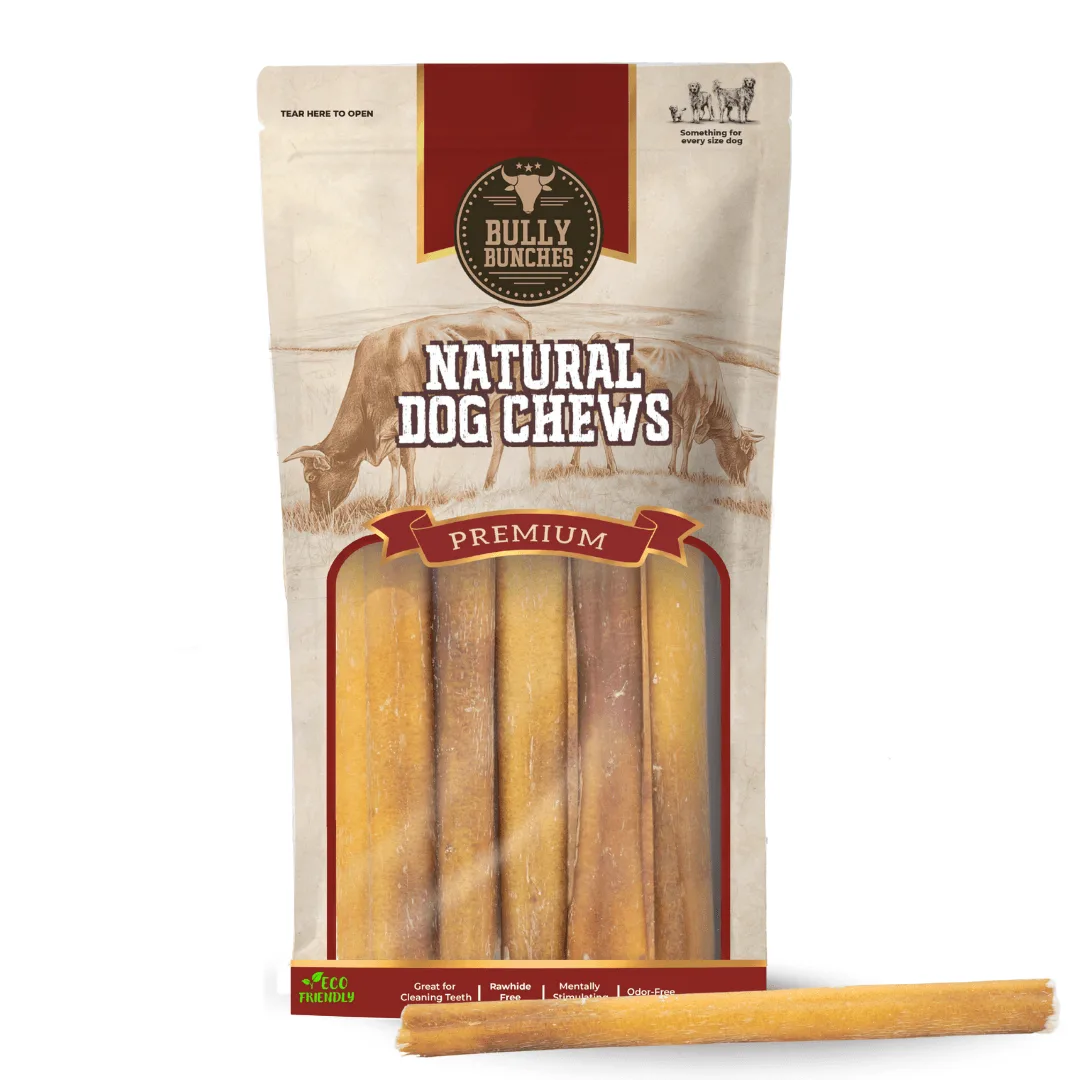
- 12 Inch Beef Jerky Strip: Made from single ingredient beef esophagus, these jerky strips are rich in chondroitin for joint health, ethically sourced, and oven baked as a healthy alternative to rawhide. The 12-inch length suits medium to large dogs, and the soft-yet-crunchy texture offers a satisfying chew that breaks down safely, unlike rawhide.
- Corn on the Cob Dog Toy - Durable Rubber Treat Dispenser | USA Made: This USA-made, ultra-durable rubber chew toy and treat dispenser is designed to keep dogs mentally stimulated while satisfying their natural chewing instincts. For aggressive chewers who need a non-edible option, this toy provides a tough, reusable surface that can be stuffed with treats to extend playtime.
Is This the Right Chew for Your Dog?
Best for
- Aggressive chewers who need a long-lasting edible treat that is digestible and low-allergen, such as ostrich gizzard.
- Medium to large dogs that enjoy a satisfying chew and benefit from joint-supporting ingredients like chondroitin in beef jerky strips.
Not for
- Puppies with baby teeth or senior dogs with dental issues—choose softer chews or consult your vet.
- Dogs that are prone to gulping food—supervise closely or opt for a treat-dispensing toy instead.
Choosing safe and durable dog chews for aggressive chewers comes down to matching material, size, and purpose to your dog's specific needs. Start with natural, digestible options like ostrich gizzard or beef jerky strips, and don't hesitate to supplement with a tough rubber toy for longer play. Always supervise new chews and adjust based on your dog's behavior.