Quick answer
Choose sleepwear by starting with fabric, then fit, then temperature. A breathable knit or cotton-blend set that sits close without digging will out-perform a loose synthetic option almost every night. If you sleep hot, prioritise airflow; if you sleep cold, prioritise coverage. Buy two or three pieces you'll actually rotate rather than a drawer full of one-off styles.
Most sleepwear problems come down to one of three things: the fabric traps heat, the fit pulls or rides up, or the piece only works in one season. Fix those three and you stop replacing nightwear every year.
This guide walks through the decisions in the order they matter, with concrete trade-offs so you can pick a set that suits how you actually sleep rather than how a product page looks at 11pm.
Start with fabric, not style
Fabric decides how sleepwear feels within the first ten minutes and how it wears over a year. Natural fibres and fine-gauge knits breathe and move with you; heavier synthetic weaves can feel smooth at first but hold warmth and odour. If you sleep hot or share a bed with someone who does, a breathable knit or cotton-blend is the safer default.
Look at the care label before the price tag. Delicate lace and fine mesh need gentler washing than a smooth knit, and that affects how often you'll realistically wear the piece. If you want low-maintenance nightwear, choose smooth fabrics with simple trims.
- Check the fibre content on the label, not just the front-of-pack description.
- If you sleep hot, avoid heavy brushed fabrics and tight elastic waistbands.
- If you sleep cold, a slightly heavier knit with more coverage will feel better than layering two thin pieces.
Get the fit right at the waist and straps
Sleepwear fit is different from daywear fit. You want enough ease to roll over without the fabric twisting, but not so much that straps slide off or a waistband gaps. Soft elastic waistbands and adjustable straps give you room to fine-tune without sizing up.
If a piece digs in at the waist or leaves marks in the morning, it's too tight regardless of the size on the tag. If it rides up when you move, it's either too loose or cut for a different body shape. Try the piece on and move around before deciding.
- Test waistbands by sitting, bending and lying down, not just standing.
- Adjustable straps are worth prioritising if you're between sizes.
- A deeper side seam or higher rise usually reduces dig-in on brief-style bottoms.
Match the piece to your sleep temperature
Room temperature and personal body heat matter more than season labels. If your bedroom runs warm, choose breathable nightwear with lighter coverage; if it runs cool, a slightly heavier knit or a longer leg will keep you from waking up cold. The same person can need different pieces in summer and winter.
A practical approach is to own one warm-weather set and one cooler-weather set, then add a transitional piece. That covers most of the year without a crowded drawer.
- Warm sleeper: lighter knit, shorter coverage, breathable fibres.
- Cold sleeper: heavier knit, longer coverage, softer waistband.
- Transitional: a mid-weight set you can layer a robe over.
Decide what you'll actually wear
The best sleepwear is the piece you reach for without thinking. If you tend to sleep in a bra or prefer some support, look for soft, wirefree options that don't dig. If you prefer nothing structured, focus on smooth bottoms and a relaxed top.
Buy fewer pieces and rotate them. Two or three well-chosen sets washed regularly will last longer and feel better than six cheap ones that pill or lose shape after a month.
- If you want light support at night, look for soft, wirefree bras or bralettes.
- If you want zero structure, prioritise smooth, seamless bottoms.
- Rotate at least two sets so each one rests between wears.
Decision rules for choosing sleepwear
- If you sleep hot: Choose breathable knit or cotton-blend fabrics with lighter coverage and a soft, non-binding waistband. Prioritise airflow over coverage.
- If you sleep cold: Choose a slightly heavier knit or longer coverage, and make sure the waistband still has enough give to move with you. Prioritise warmth without losing stretch.
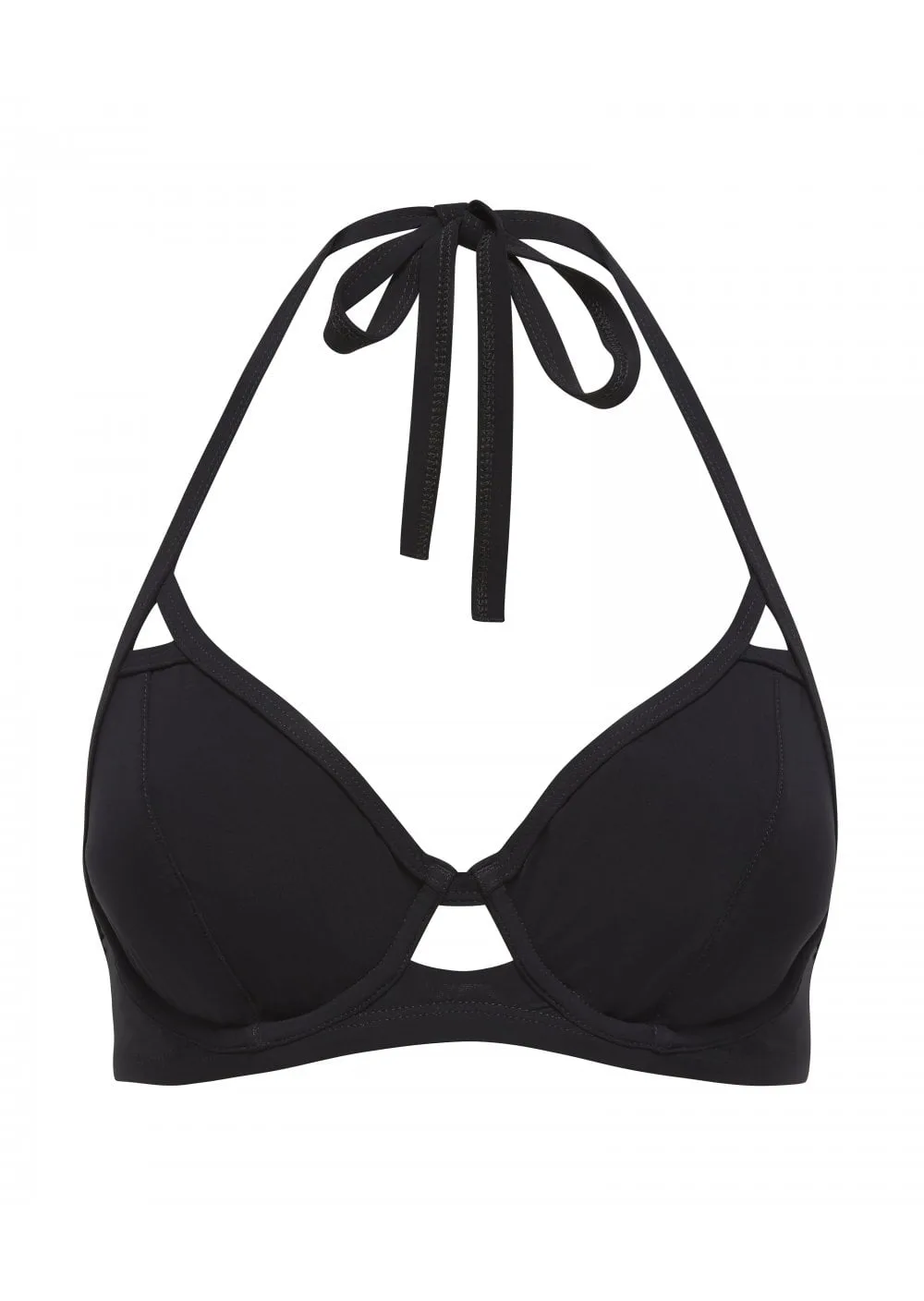
- If you want light support: Look for wirefree bras or bralettes with soft cups and adjustable straps rather than structured daywear bras. Support should feel soft, not compressive.
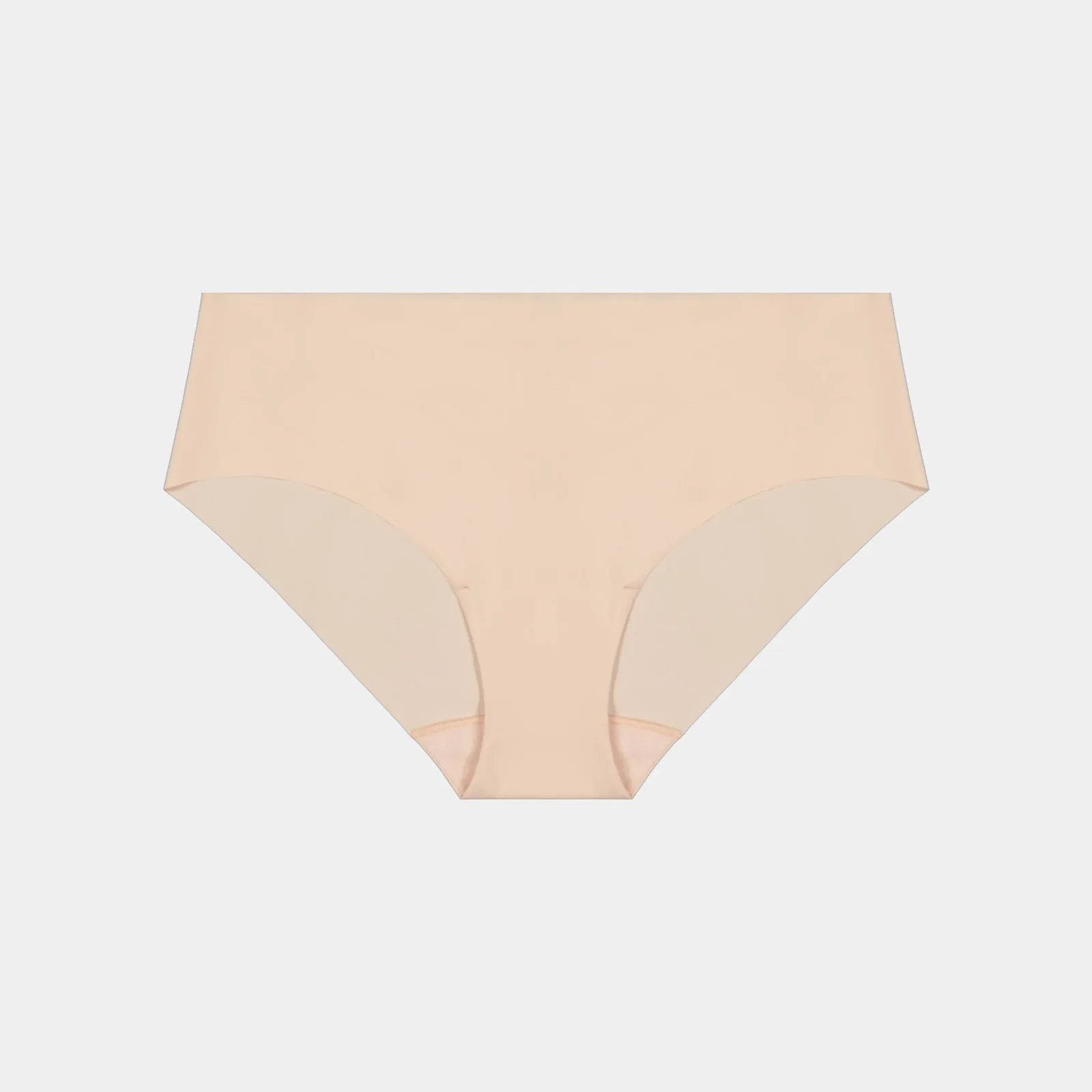
- If you want zero structure: Choose smooth, seamless bottoms and a relaxed top; check the gusset is cotton for breathability. Smooth beats structured for most sleepers.
- If you're between sizes: Size up on bottoms with soft elastic waists and look for adjustable straps on tops so you can fine-tune the fit. Adjustability is worth more than a perfect single size.
Products that fit these rules
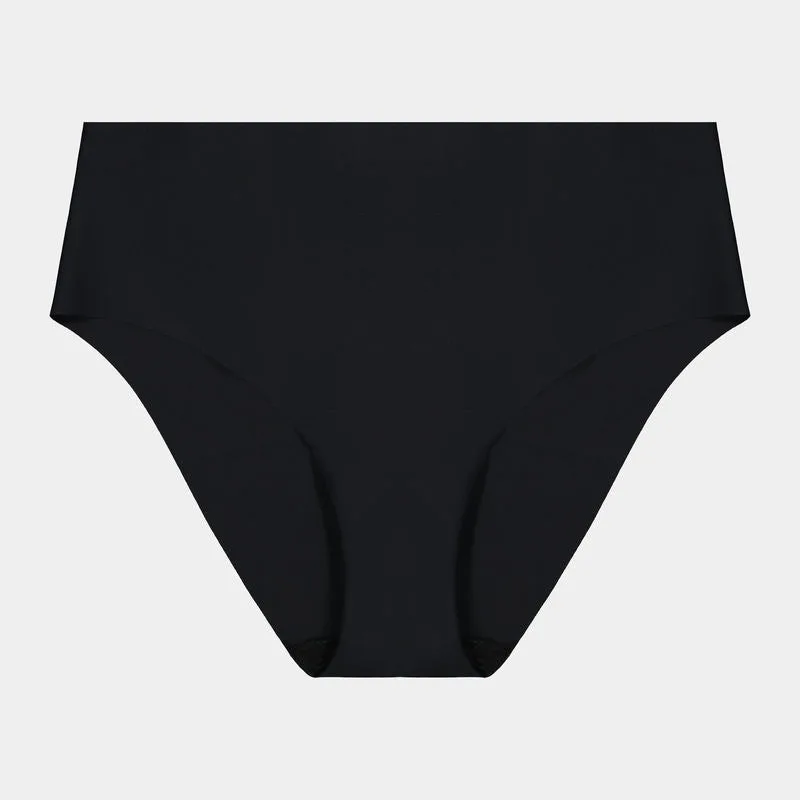
- https://bendonlingeriecim.com/products/bendon-no-show-bikini-latte-30-7692-cd40d12afc575d6fc61bb045-1319541https://bendonlingeriecim.com/products/bendon-no-show-bikini-mocha-30-7692-fd8d104974bf25700057a710-1319766No Show Bikini - Clearance: Supersmooth fabric with laser cut edges for an invisible look, moderate coverage and a 100% cotton gusset. A smooth, low-profile bottom that won't show under lighter sleepwear and stays breathable where it counts.
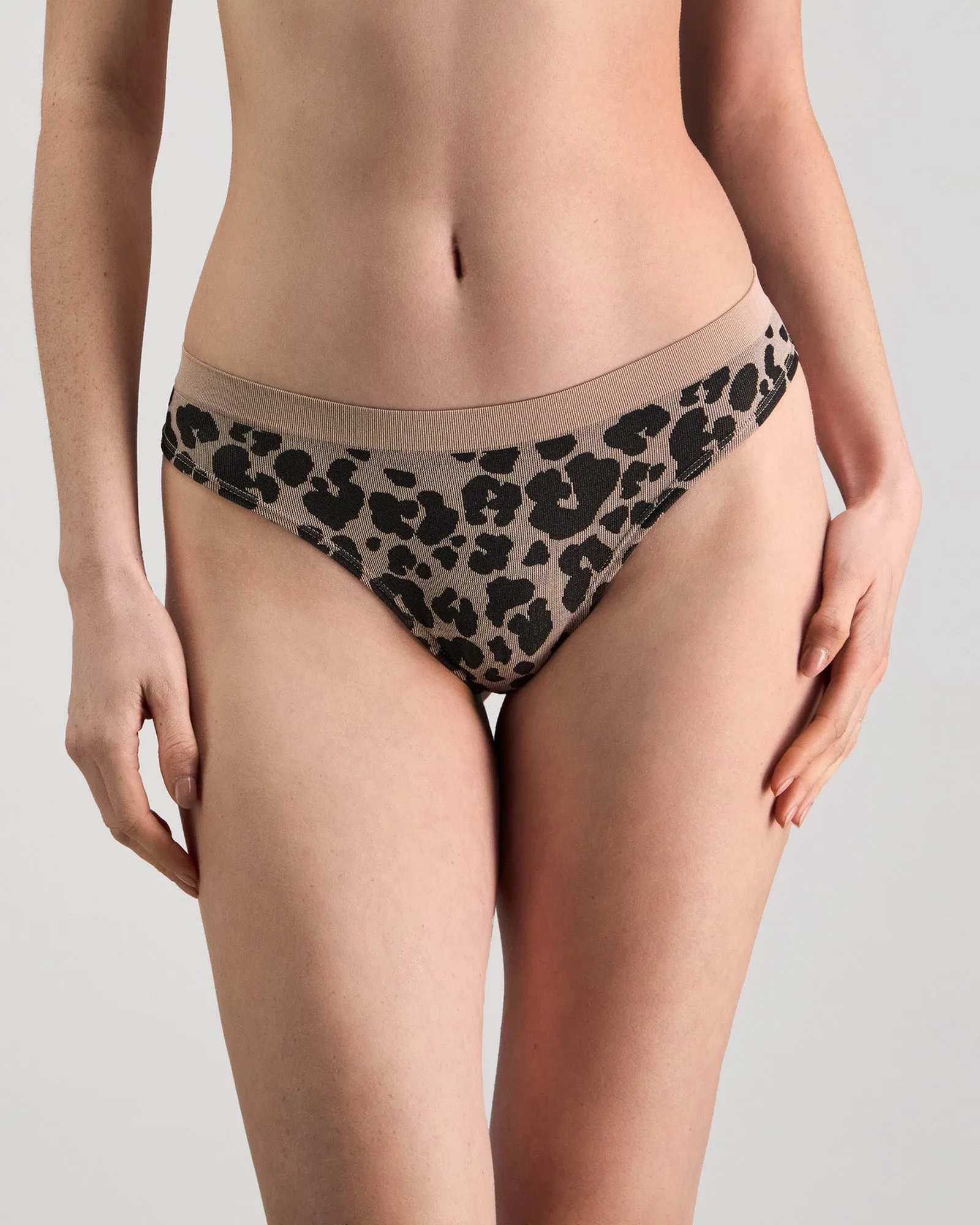
- Seamless Jacquard Thong: Soft knit material with a seamless finish, minimal back coverage and a 100% cotton gusset lining. A good choice if you want minimal coverage at night without seams pressing or twisting as you move.
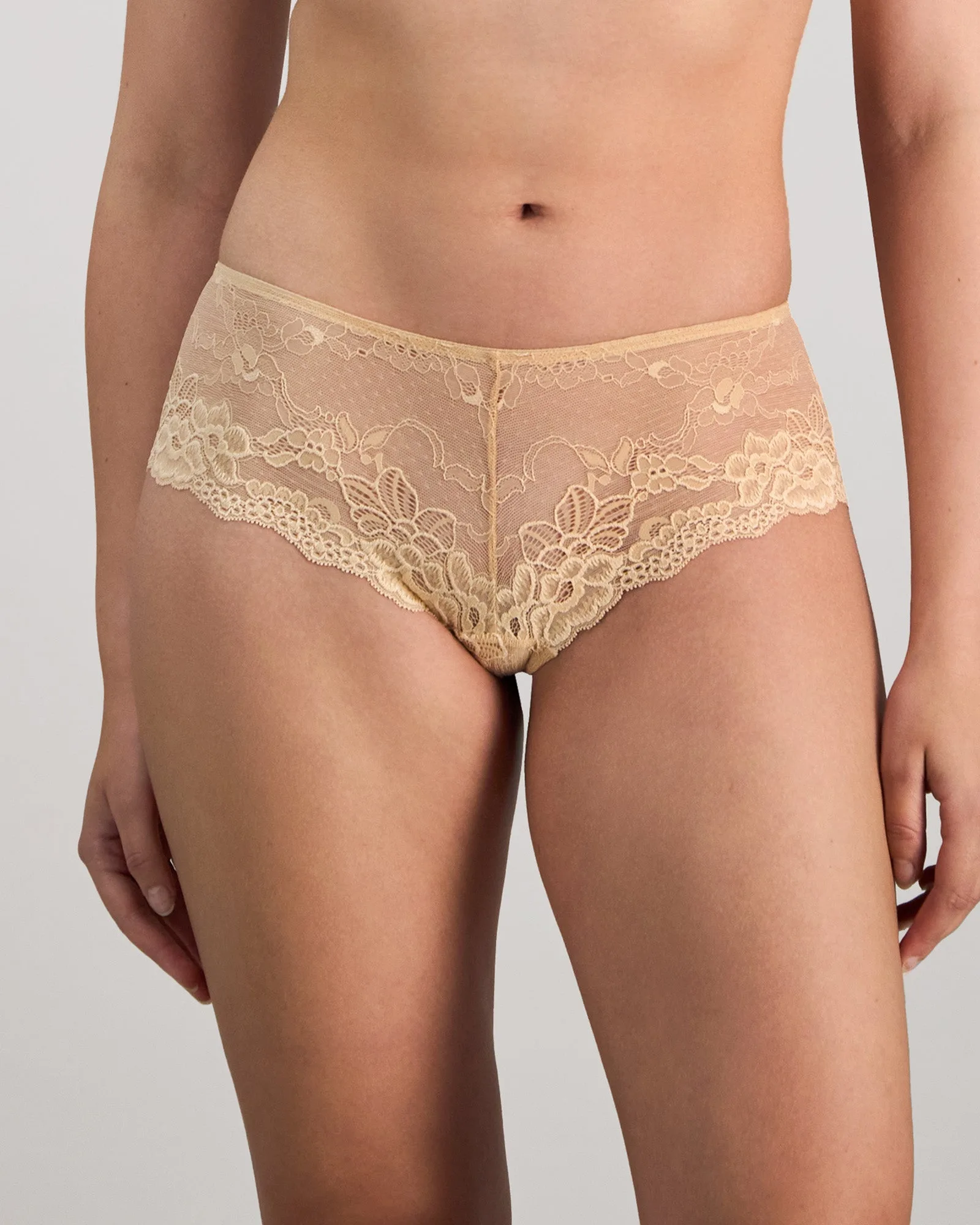
- My Fit Lace Brazilian - Frappe: Stretch lace with a soft elastic waist and scallop edge lace for minimal dig-in, in an ultra flattering Brazilian cut. The soft elastic waist is the key detail here: it reduces digging and keeps the line smooth under sleepwear.
- Flawless Form Contour Bra - Latte: Lightweight cups provide a full coverage flexible fit, with double layer fabric backs for smooth lines and underarm extensions that tuck and smooth the silhouette. Useful if you want light structure and coverage at night without a heavy, bulky feel.
Who this approach suits
Best for
- Anyone replacing worn-out nightwear and wanting a repeatable way to choose
- Sleepers who run hot or cold and need fabric guidance rather than style trends
- Shoppers who want to buy fewer, better pieces and rotate them
Not for
- Shoppers looking for occasion or gift-focused sleepwear where style leads the decision
- Anyone needing medical-grade compression or specialised therapeutic garments
Choose sleepwear by fabric first, fit second, temperature third. Get those three right and you'll stop guessing at the checkout and start sleeping better in what you already own.