Quick answer
Choose a storage case based on your toy collection size, travel habits, and need for discretion—look for a rigid, lined case with a secure closure that fits your largest toy.
Why a dedicated case beats a drawer or bag
A dedicated storage case does more than hide your toys. It protects them from dust, moisture, and accidental damage, and it keeps them separate from materials that could react with silicone or other toy surfaces. A hard case with a soft lining also prevents scratches and dents during travel or when items shift in a drawer.
If you store multiple toys together, a case with compartments stops them from rubbing against each other, which can degrade softer materials over time. This is especially important for high-quality silicone toys that are an investment.
Discretion and security: what to look for
Discreet design is about more than looks. A case that doesn't advertise its contents helps you store toys in shared spaces without awkward questions. Look for plain exteriors, neutral colors, and designs that could pass for a makeup bag or travel organizer.
If you have children or curious roommates, a locking case adds peace of mind. A secure locking system keeps the contents private and prevents accidental access. For travel, a lock also deters tampering during transit.
Material and durability trade-offs
Storage cases come in different materials, each with trade-offs. Hard cases made of durable materials like PU leather offer strong protection against impact and crushing, but they are less flexible and take up more space. Soft pouches are easier to pack but offer less protection.
A plush velvet lining is a common feature in premium cases. It feels luxurious and cushions toys, but it can trap moisture if you store toys before they are completely dry. Always ensure toys are fully dry before placing them in a lined case to prevent mold or mildew.
Decision rules for picking your storage case
- Measure your largest toy: Before choosing a case, measure the length and width of your biggest toy. The case must accommodate it without forcing or bending. If the case is too small, it can stress the material or damage the toy over time. Always check internal dimensions, not just exterior size.
- Count your collection: Decide whether you need a single case for all toys or multiple cases for different categories. A larger case with compartments works well for a varied collection, while a single-slot case is fine for one or two items. Overcrowding can cause friction and damage. If you own more than three toys, consider a compartmentalized case.
- Match the case to your travel habits: If you travel often, choose a hard case with a secure closure and a discreet exterior. For home-only storage, a soft-lined case or drawer organizer may suffice. A locking case is worth the extra cost if you need privacy in shared spaces. Think about how the case will be carried—handle or no handle matters for travel.
- Check the lining and material: Plush velvet lining protects delicate surfaces, but it must be breathable and easy to clean. Avoid cases with non-removable linings that can harbor moisture. A durable exterior like PU leather resists wear and looks professional. If you store toys long-term, choose a case with a wipeable interior.
Storage case options at AfterTouch Toys
-
Strap-on-me Le Coffret Storage Case: The Strap-on-me Le Coffret Intimate Storage Case features a discreet design, plush velvet lining, and a secure locking system with a durable PU exterior. This case offers a balance of protection, discretion, and security—ideal for someone who wants a premium, travel-ready organizer that keeps toys private and safe.
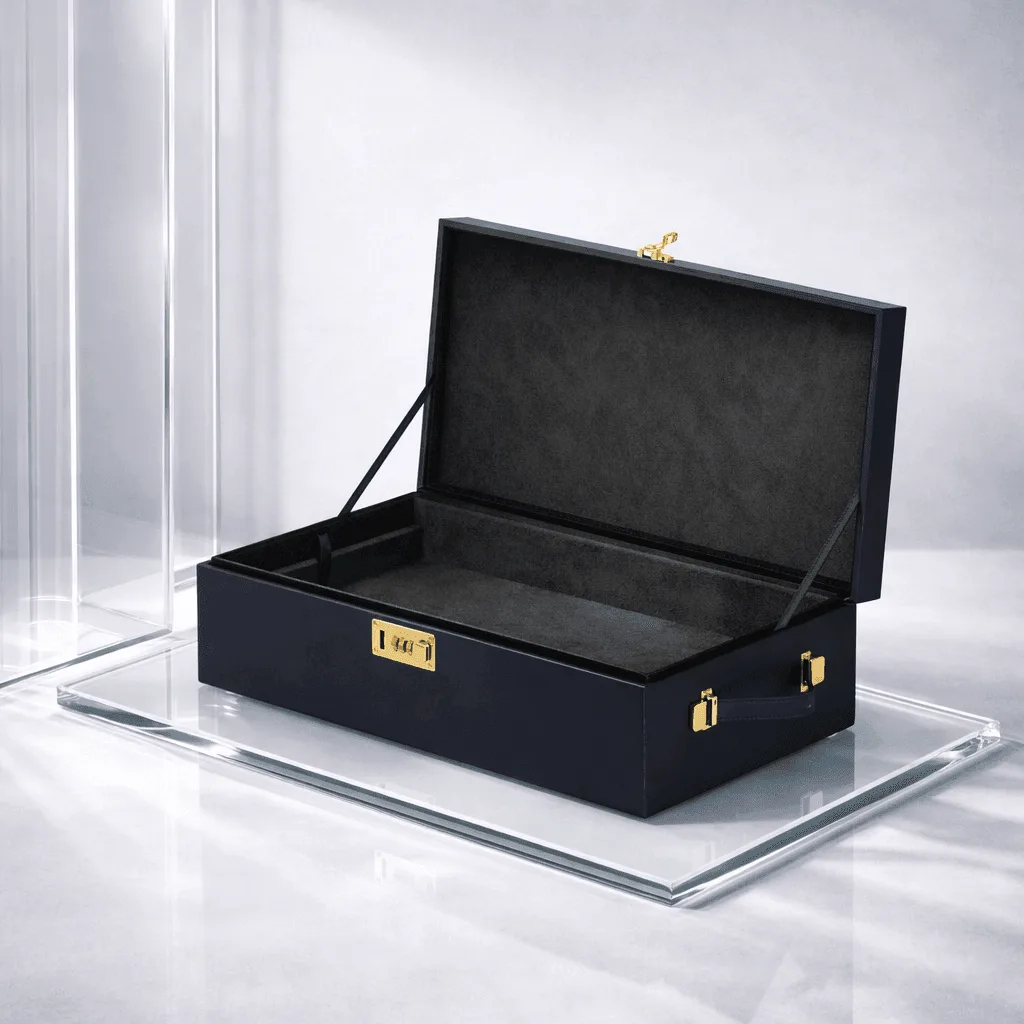
Strap-on-me Le Coffret Storage Case
Who should choose what
Best for
- People who want a premium, discreet case with a lock for home and travel
- Those with a collection of multiple toys needing organized, padded storage
Not for
- Minimalists with a single small toy who prefer a simple pouch or drawer