Quick answer
For a first build, start with a factory-lubed linear switch set in the 35–45 gf range, confirm your board is hot-swap and takes 3- or 5-pin switches, then buy one pack and test it before committing to a full build. If you want quiet typing at a shared desk, choose a silent linear set instead of a standard one.
Decide the feel first: linear vs tactile
The single decision that changes your build most is the switch type, not the brand. Linear switches travel straight down with no bump, which suits fast gaming and long typing sessions because the resistance stays consistent. Tactile switches add a noticeable bump partway through the press, which helps you feel when the key has registered and reduces accidental double-presses. Neither is better; they solve different problems. If you are unsure, buy one small pack of each and type on them for a day before buying a full set.
- Choose linear if you want smooth, uninterrupted keystrokes and a quieter, lower-pitched sound profile.
- Choose tactile if you want physical confirmation of each press and more deliberate typing.
- Avoid clicky switches for a first build if you share a room, record audio, or work near other people.
Check compatibility before you buy
Switch shopping goes wrong most often at the compatibility step, not the feel step. Hot-swap boards accept switches without soldering, but the socket type matters: 3-pin switches fit most hot-swap sockets, while 5-pin switches have two extra plastic legs that may need to be clipped or may fit directly depending on the board. Optical switches are a separate category entirely and only work in boards designed for optical sockets, so never assume an optical set will drop into a standard mechanical board. Check your board's product page or manual for the socket type and pin count before ordering.
- Confirm hot-swap vs soldered: soldered boards require desoldering to change switches later.
- Confirm pin count: 3-pin and 5-pin switches are not always interchangeable without modification.
- Confirm switch technology: optical and mechanical switches use different sockets and are not cross-compatible.
Match the switch to your desk, not just your taste
The room you type in should shape your choice as much as the feel does. An open office, a shared apartment, or a microphone in front of you all argue for a silent or quiet switch, even if you prefer a louder sound in isolation. A private room with a door gives you freedom to pick a louder, deeper-sounding set. Weight matters too: lighter springs reduce finger fatigue over a long day, while heavier springs can feel more controlled but tiring. If you have never used a mechanical keyboard before, a mid-weight switch is the safer starting point because it is less likely to feel wrong in either direction.
- Shared or recorded space: prioritize silent or sound-dampened switches.
- Private space: you can choose a louder, more resonant set without disrupting anyone.
- Long workdays: lighter actuation force reduces fatigue; heavier force adds control but costs stamina.
Buy one pack, test it, then commit
A first build is not the moment to order 110 switches of an untested type. Buy a single pack, install it in the alphanumeric area of your board, and type on it for a few days. Pay attention to whether the actuation point feels early or late, whether the sound annoys you by hour three, and whether your fingers feel tired. Only then order enough switches to fill the whole board. This approach costs a little more in total shipping but prevents a full set of switches you will never use. It also lets you mix types later, such as a heavier switch on the spacebar and lighter switches on the letter keys.
- Test in the main typing area first, not just the number row.
- Give it at least two or three days before judging the feel.
- Keep the leftover test pack as spares for future boards or replacements.
Decision rules for your first switch purchase
- If you share your workspace or record audio: Choose a silent linear set such as the EPOMAKER Roseveil Silent Switch Set rather than a standard linear or tactile switch. Noise is the hardest thing to fix after a build; solve it at the switch stage.
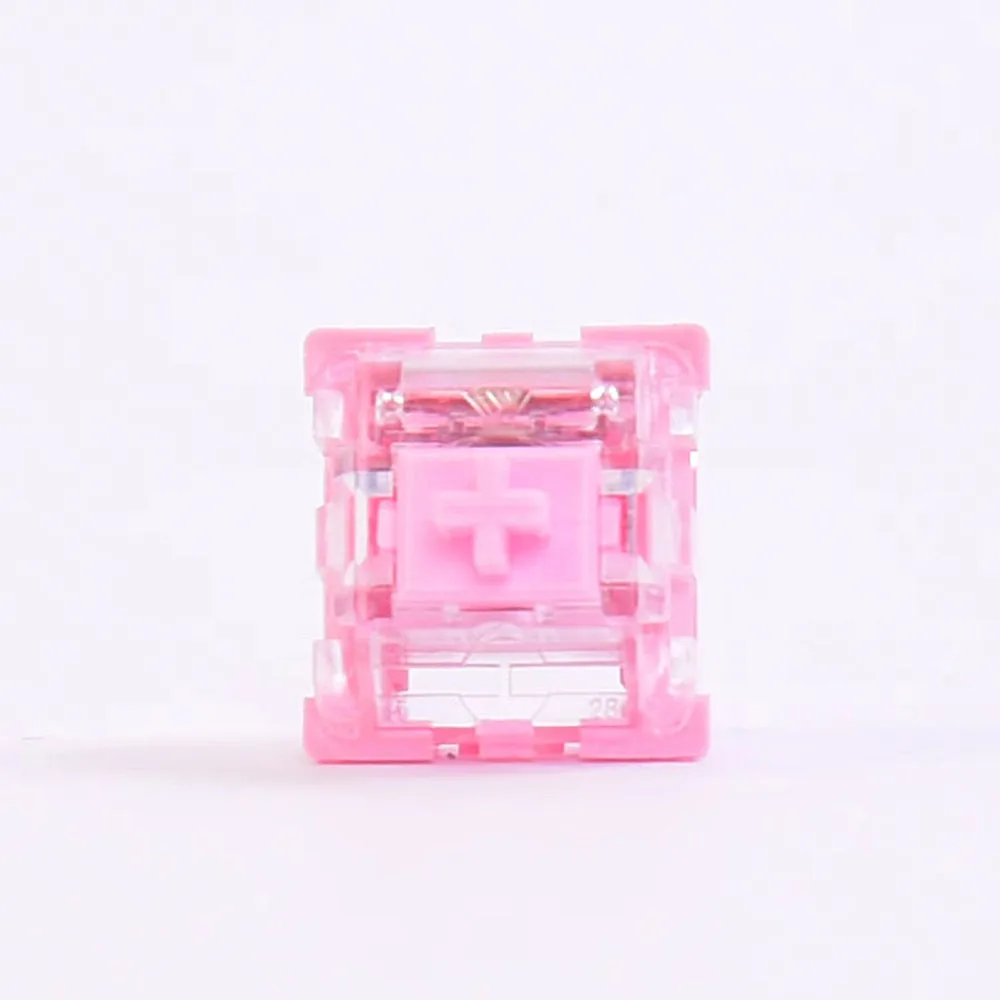
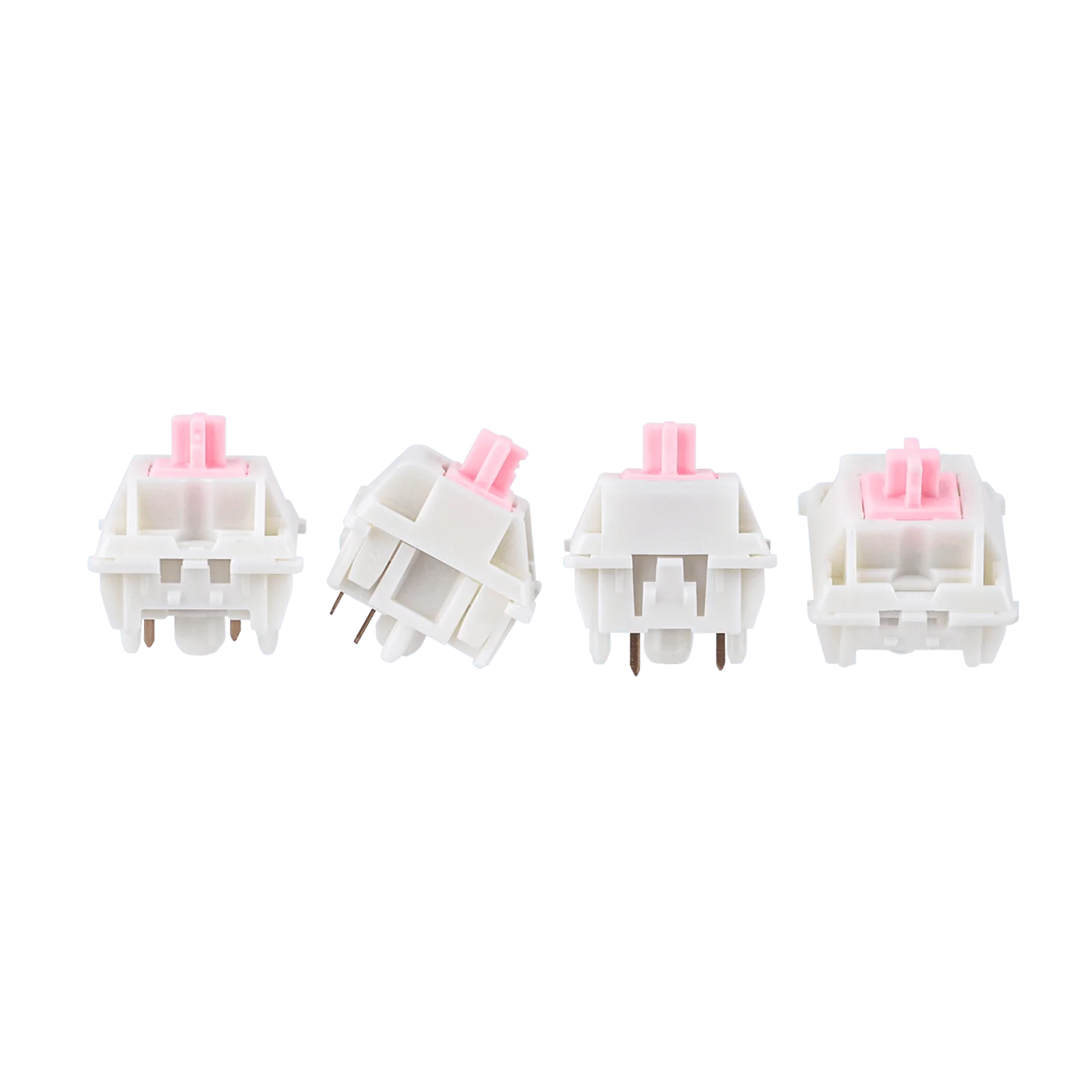
- If you want to skip lubing on your first build: Choose a factory pre-lubed set such as the KTT Rose Switch Set, which is pre-lubed and structured to self-lubricate during each keystroke. Factory lube gives you a smooth baseline without buying tools or spending a weekend on it.
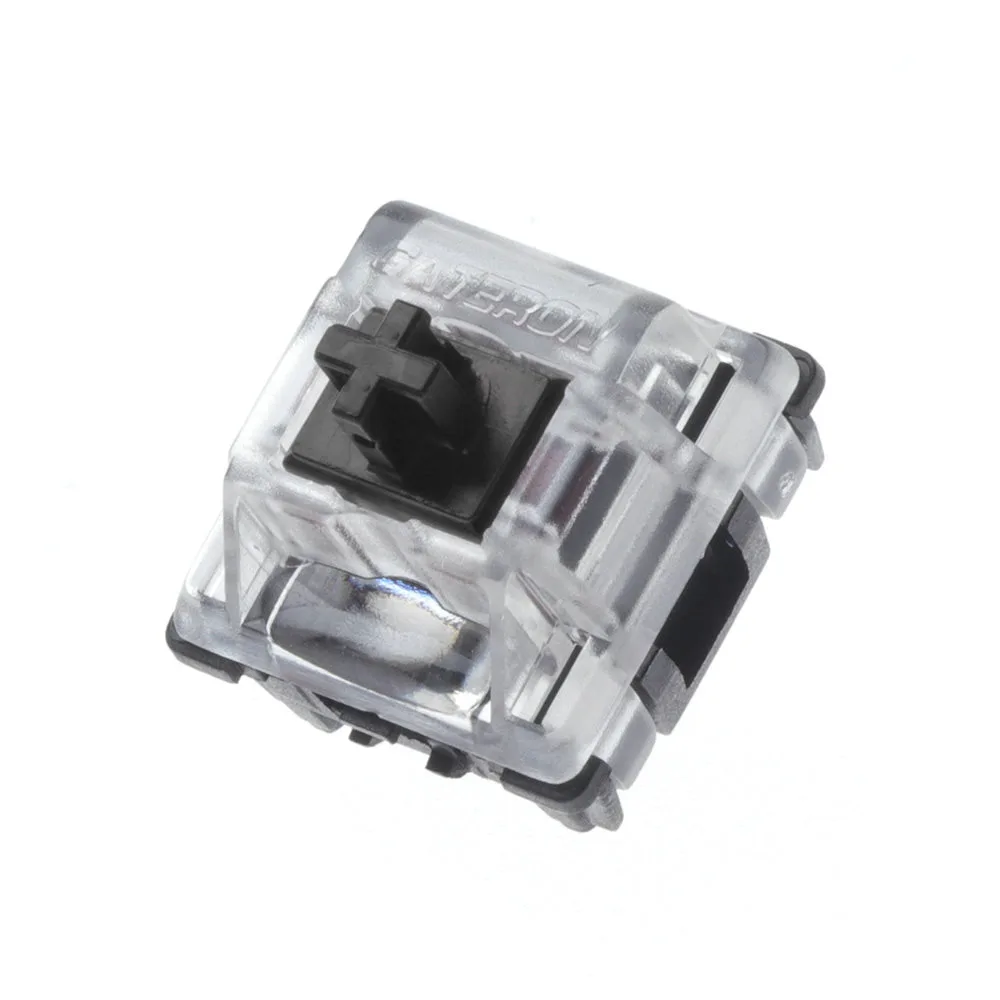
- If you are building around an optical board: Use the Gateron Optical Switch Set and pick from its six color options to tune the feel, but confirm your board uses optical sockets before ordering. Optical switches are not interchangeable with standard mechanical sockets.
- If you have never typed on a mechanical switch: Buy one small pack first, install it in your main typing area, and use it for a few days before ordering a full set. One test pack is cheaper than a full set you never install.
Switch sets worth considering for a first build
- Gateron Optical Switch Set: Gateron Optical Switch Set comes in six color options, each with different attributes, and is positioned as smooth and budget-friendly for both typing and gaming. The six color options let you fine-tune feel without changing brands, but optical switches only fit optical-socket boards, so verify your board's socket type first.
- KTT Rose Switch Set: KTT Rose Switch Set is factory pre-lubed with a PC transparent top housing, Nylon bottom housing, and POM stem, and the structure allows self-lubrication during each keystroke. Factory lubing removes the need to lube switches yourself on a first build, and the self-lubricating structure is aimed at maintaining a smooth feel over time.
- EPOMAKER Roseveil Silent Switch Set: EPOMAKER Roseveil Silent Switch Set is a silent linear switch designed for office work and gaming, with a super light trigger, following the Sea Salt Silent and Nude Rosa series. If your build lives in a shared or recorded space, a silent linear set solves the noise problem without giving up linear smoothness.
Who this switch selection approach fits
Best for
- First-time builders who have not yet chosen a switch type
- Typists who share a workspace and need a quiet build
- Gamers who want a smooth, consistent linear feel without lubing switches themselves
Not for
- Builders who already know their preferred switch weight and type and just need a replacement set
- Anyone building a soldered board who is not prepared to desolder switches later
- Users who want a clicky switch for a shared or recorded space