Quick answer
To choose the perfect harness for your dog, measure their neck and chest girth accurately, then select a style that matches their build and walking habits. For small breeds, prioritize lightweight materials and a secure fit that doesn't restrict movement. PAGERIE offers elegant options that blend durability with refined design.
Why harness fit matters for your dog's comfort and safety
A properly fitted harness distributes pressure evenly across your dog's chest and shoulders, reducing strain on the neck compared to a collar. This is especially important for small breeds, brachycephalic dogs, or those prone to tracheal issues. An ill-fitting harness can chafe, slip, or cause your dog to pull harder, making walks less enjoyable for both of you.
Luxury harnesses from PAGERIE are crafted with premium materials and thoughtful design, but even the finest harness won't perform well if the size or adjustment is wrong. Taking a few minutes to measure your dog correctly ensures you get the most out of your investment in both comfort and style.
Understanding harness types: front-clip, back-clip, and step-in
Harnesses generally fall into three categories. Front-clip harnesses have a D-ring on the chest, giving you more steering control and discouraging pulling. Back-clip harnesses attach behind the shoulders and are ideal for dogs that walk politely without tension. Step-in harnesses are easy to put on: your dog steps into the leg holes, and you clip it on the back.
For small dogs, a step-in or back-clip harness is often the most comfortable and least intimidating option. PAGERIE's collars and leashes are designed to complement any harness style, so you can mix and match pieces for a coordinated look without sacrificing function.
Step-by-step guide to measuring your dog for a harness
- Measure the neck girth: Use a soft measuring tape around the base of the neck, where a collar would sit. Add two fingers of space for comfort. For small breeds, be careful not to pull the tape too tight. Common mistake: measuring too high on the neck, which can cause the harness to ride up and chafe.
- Measure the chest girth: Wrap the tape around the widest part of the chest, just behind the front legs. This is the most critical measurement for harness fit. Record the number in inches or centimeters. Checkpoint: if your dog is between sizes, choose the larger size for adjustability.
- Check the manufacturer's size chart: Compare your measurements to the brand's specific size chart. PAGERIE harnesses (and collars) often have unique sizing, so don't rely on generic small/medium/large labels. Look for adjustable straps that allow fine-tuning. Verdict: a harness that fits snugly but allows full range of motion is ideal. You should be able to slide two flat fingers under any strap.
PAGERIE products that complement your harness choice
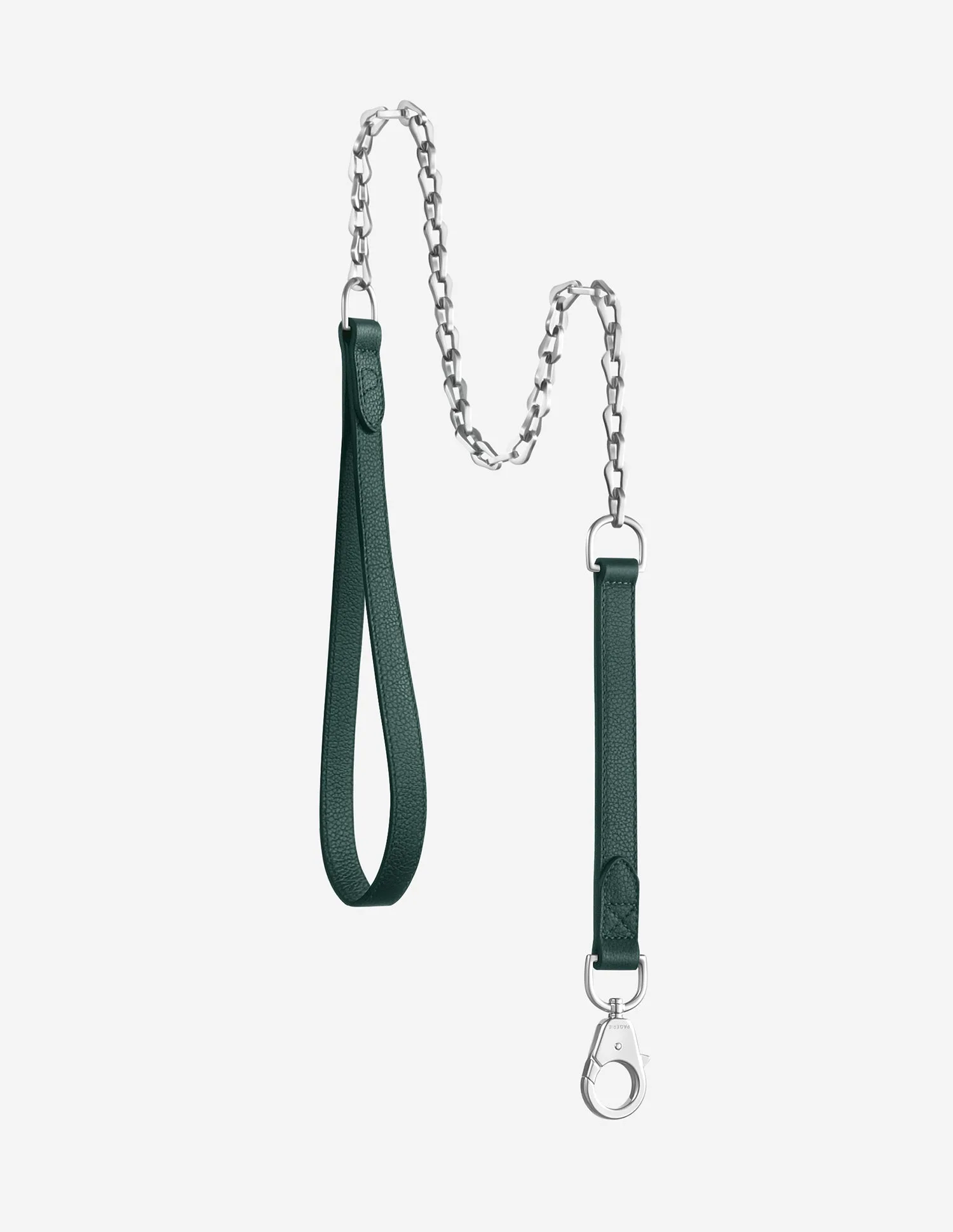
- The Rava: The Rava Leash is light but strong, with a handle that takes 12 hours to braid. It is designed for small pets who need elegance and lightness. If you have a small dog, pairing a lightweight harness with The Rava Leash keeps the total walking setup comfortable and balanced. The braided handle also gives you a secure, comfortable grip.
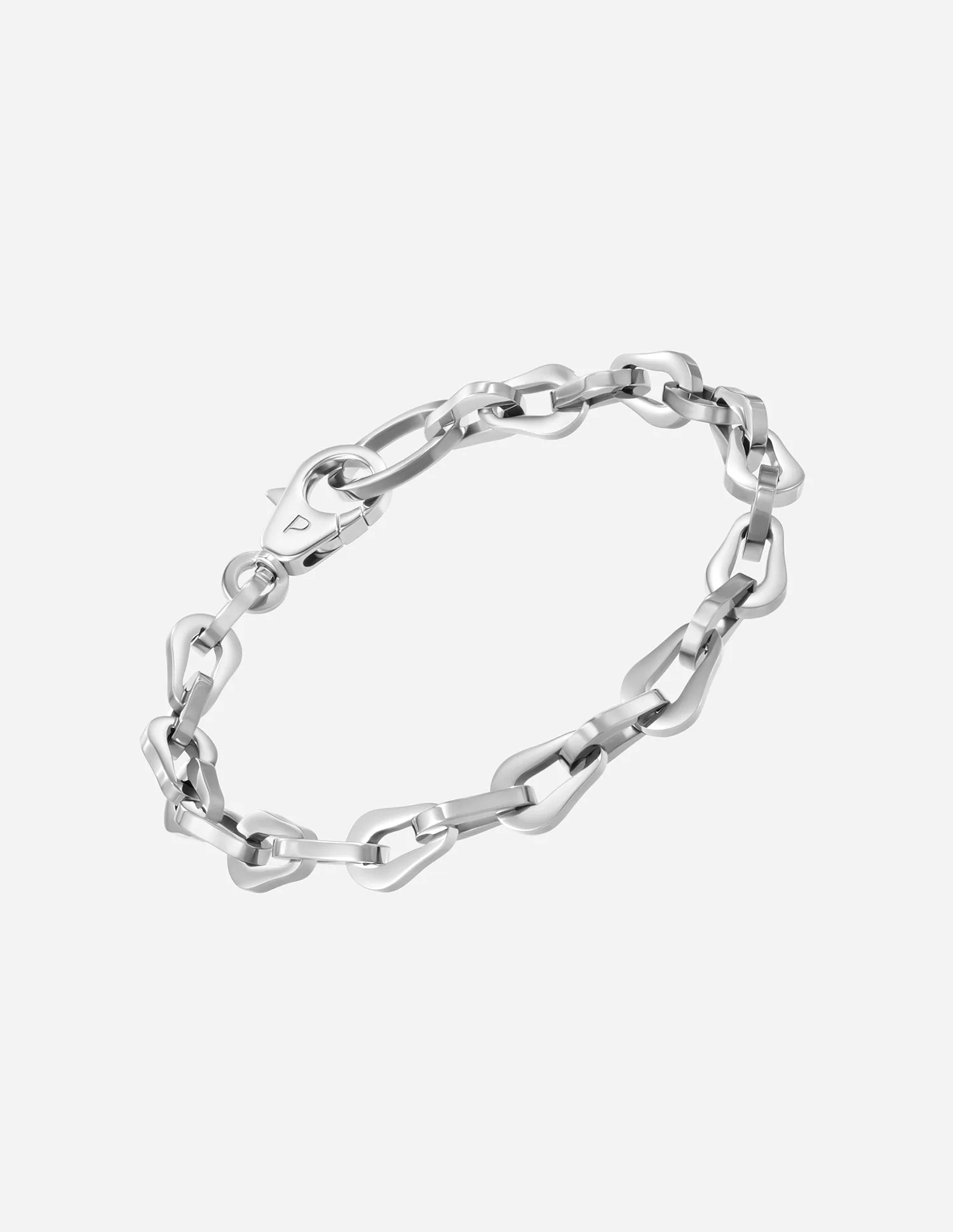
- The Línque: The Línque Collar is sleekly sculpted from stainless steel, with a curved pear shape and a signature claw clasp that encircles the neck with a commanding presence. While a harness is ideal for walks, a stylish collar like The Línque can be worn alone for identification tags or as a fashion statement. Its stainless steel construction is durable and easy to clean.