Quick answer
Choose a slow flow teat for newborns and breastfed babies, then move to medium and fast flow as your baby grows and sucks more strongly. The right flow prevents gulping, choking, or frustration. Vital Baby's breast like teats are available in multiple flows to support this transition.
Understanding teat flow rates
Teat flow refers to how quickly milk or formula comes out of the bottle. Slow flow teats have a smaller hole, releasing milk slowly, which is ideal for newborns and breastfed babies who need to work for the milk. Medium and fast flow teats have larger holes for older babies who can handle a quicker pace.
Using the wrong flow can cause problems: too fast may lead to choking, gulping, or overfeeding; too slow can frustrate a hungry baby who has to suck hard for little reward. Always start with the slowest flow and move up only when your baby shows signs of needing more.
Signs your baby needs a faster flow
Watch for these cues: your baby takes longer than 20 minutes to finish a feed, seems frustrated or pushes the bottle away, or falls asleep before finishing. On the other hand, if milk dribbles from the mouth or you hear gulping sounds, the flow may be too fast. Trust your baby's cues and adjust gradually.
How teat design affects flow
Teat shape and material also influence feeding. A teat that mimics the breast, like Vital Baby's breast like teats, can help with the transition between breast and bottle. The flattened, flexible design moves like a nipple, which can make it easier for breastfed babies to accept a bottle. Wide neck teats are often softer and more comfortable for babies.
Decision rules for teat flow
- Newborn (0-3 months): Start with a slow flow teat. Newborns have a weak suck and need a gentle pace to avoid choking. A slow flow also mimics breastfeeding, which helps prevent nipple confusion. Slow flow is safest for the first weeks.
- Breastfed baby transitioning to bottle: Use a slow flow teat that mimics the breast. A teat that moves and flexes like a nipple, such as Vital Baby's breast like teats, can ease the switch. Avoid fast flow as it may discourage breastfeeding. Slow flow and breast-like shape support the transition.
- Older baby (4-6+ months): Move to medium or fast flow when your baby finishes a bottle in under 10 minutes or seems impatient. Some babies never need fast flow, so only upgrade if your baby shows clear signs. Upgrade gradually; not every baby needs fast flow.
Products that help with flow selection
- breast like teats 6pk: Designed to mimic the natural shape and movements of mum’s nipple when feeding to ease the transition between breast and bottle. Available in multiple flow options. You can start with a slow flow version for newborns and switch to faster flows as your baby grows, all within the same teat family that feels familiar to a breastfed baby.
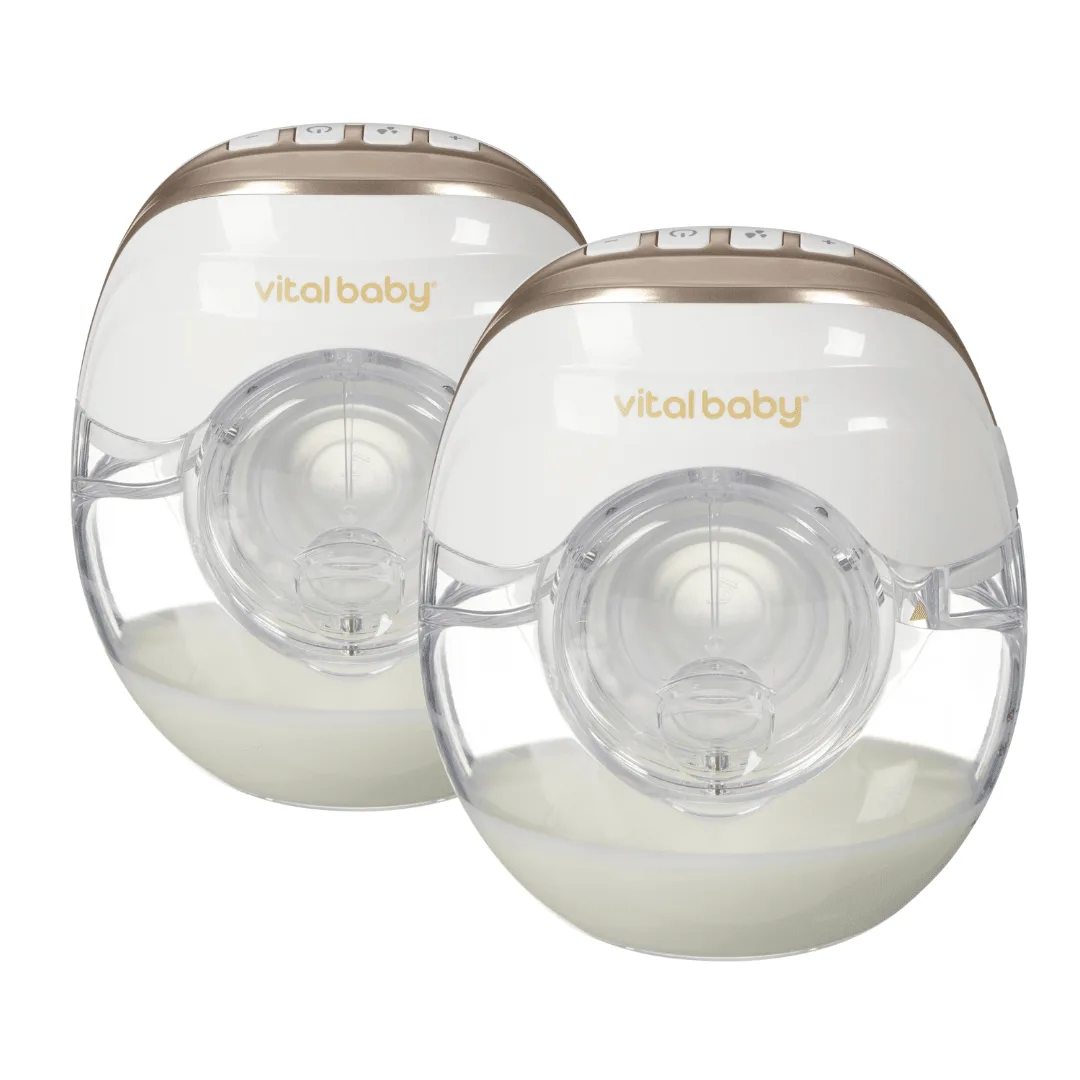
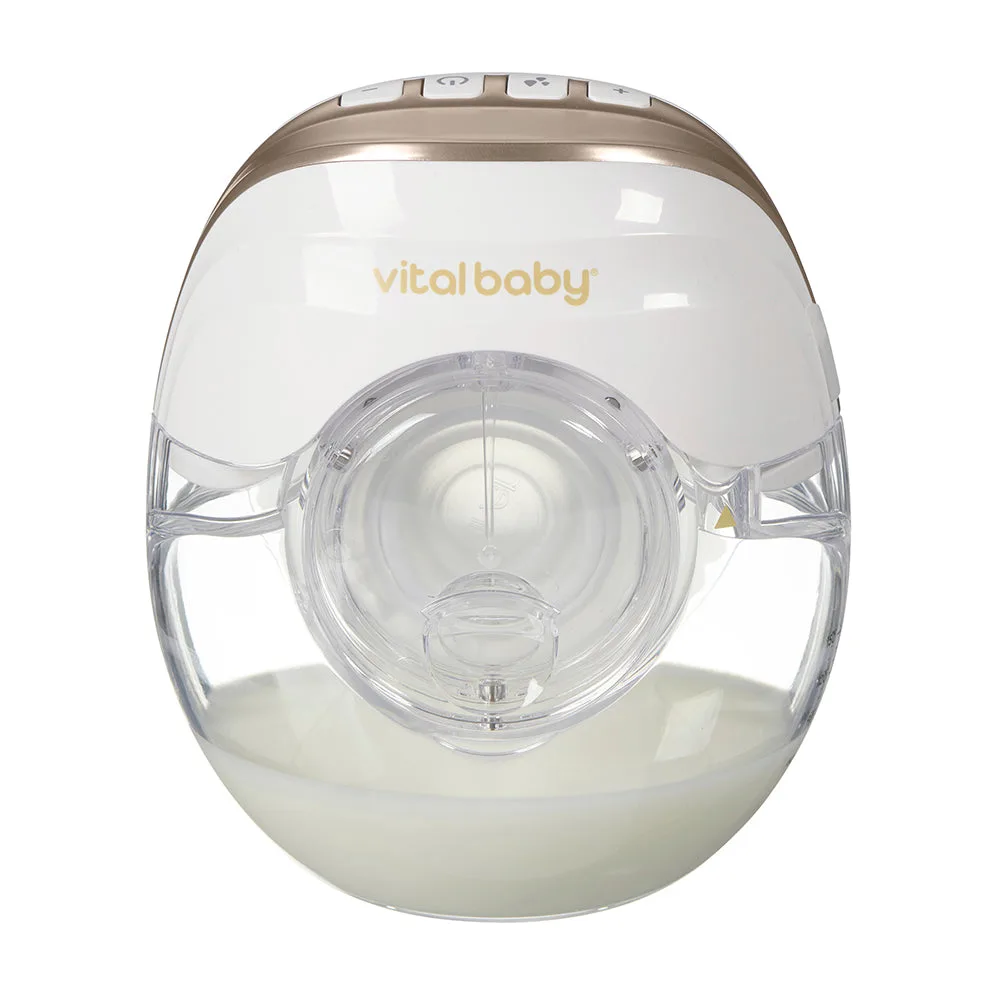
- double flow™ wearable pump: The double flow™ wearable pump offers a convenient, hands‑free solution for mothers who want to express milk while staying mobile. Compatible with standard bottle‑feeding accessories. If you pump, you can directly bottle-feed with the same flow teats, maintaining consistency for your baby. The wearable design also makes it easier to keep up a pumping routine.
Who should choose which flow
Best for
- Newborns and breastfed babies: slow flow teats, especially breast-like designs
- Older babies who finish bottles quickly: medium or fast flow teats
Not for
- Babies who gag or dribble: they need a slower flow, not faster
- Exclusive breastfeeders who rarely bottle-feed: stick with slow flow to maintain breastfeeding