Quick Answer
For a daily commute, prioritize a backpack with a dedicated laptop sleeve, comfortable padded straps, and a size that fits your gear without being bulky. Look for durable materials and enough organization for your daily items. If you carry a lot of tech, choose a bag with a padded compartment; if you travel light, a simpler design may be more practical.
Your daily commute can be a test of endurance, especially if you're carrying a laptop, lunch, and a change of clothes. The right backpack can make the difference between a smooth journey and a sore shoulder. But with so many options, how do you pick the one that fits your routine?
This guide breaks down the key features to look for, the trade-offs you'll face, and how to match a backpack to your specific commute. Whether you walk, bike, or take public transit, these decision rules will help you choose a bag that works as hard as you do.
Size and Capacity: Match the Bag to Your Gear
Backpack capacity is measured in liters, and for a daily commute, 15-25 liters is usually the sweet spot. A 15-20 liter bag is great for a laptop, a book, and a small lunch. A 20-25 liter bag gives you extra room for a change of clothes or a tablet. Think about what you carry every day and what you might need occasionally, like an umbrella or a jacket.
A larger bag isn't always better. A 30-liter pack can feel bulky on a crowded bus or train, and it's easier to overpack, which adds weight. On the other hand, a bag that's too small will force you to carry extra items by hand, which defeats the purpose. Choose a size that fits your daily essentials with a little room to spare, but not so much that you're tempted to fill it.
- Measure your laptop diagonally and compare it to the bag's sleeve dimensions before buying.
- If you carry a camera or other fragile gear, look for a bag with padded dividers or a dedicated compartment.
Laptop Protection: Don't Skimp on the Sleeve
A dedicated laptop sleeve is non-negotiable for most commuters. It should be padded on all sides, not just the bottom, and it should be accessible without having to dig through the main compartment. Some bags have a separate zippered compartment for tech, which is ideal if you need to get your laptop out quickly at a coffee shop or security checkpoint.
The sleeve should fit your laptop snugly. A loose fit means your laptop can slide around and get bumped. A tight fit can make it hard to get the laptop in and out. If you have a newer, thinner laptop, check the sleeve dimensions carefully. Some sleeves are designed for older, thicker models and won't hold a slim ultrabook securely.
- Check if the sleeve is suspended or raised off the bottom of the bag for extra drop protection.
- If you carry a tablet as well, look for a bag with a separate padded pocket for it.
Comfort and Fit: The Backpack Should Feel Like Part of You
A good commuter backpack should distribute weight evenly across your shoulders and hips. Look for padded, contoured shoulder straps that don't dig into your skin. A sternum strap can help stabilize the load, and a hip belt is useful if you're carrying more than 15 pounds. The back panel should be padded and breathable, especially if you live in a warm climate or walk a lot.
The fit depends on your torso length, not just your height. The backpack should sit high on your back, with the bottom of the bag around your waist. If the bag hangs too low, it pulls on your shoulders and can cause back pain. Try the bag on with your typical load, and adjust the straps so it feels snug but not restrictive. Remember that a bag that feels good empty may feel different when it's full.
- Look for adjustable straps that let you customize the fit.
- If you bike, consider a bag with a chest strap to keep it from bouncing.
Material and Durability: Think About Weather and Wear
Your commute backpack will face rain, sun, and daily wear. Nylon and polyester are common, but not all are created equal. Look for a high-denier fabric (like 600D or higher) for abrasion resistance. A water-resistant coating or a rain cover is a must if you live in a rainy area. Some bags use a waterproof fabric or sealed zippers, which offer more protection but can be heavier and more expensive.
Check the zippers and seams. YKK zippers are a good sign of quality. Seams should be reinforced, especially at stress points like the top handle and strap attachments. A bag that falls apart after a year is not a good value, even if it's cheap. Consider the trade-off between weight and durability: a heavy-duty bag may last longer but add weight to your daily carry.
- If you're often out in the rain, choose a bag with a built-in rain cover or a waterproof fabric.
- Check the warranty. A longer warranty often indicates the manufacturer stands behind the bag's durability.
Organization: Pockets and Compartments That Work for You
The best commuter backpack has a place for everything. Look for a front pocket for small items like keys and earbuds, and a main compartment that opens wide for easy packing. A separate compartment for a water bottle or umbrella is useful, but make sure it's easy to reach. Some bags have hidden pockets for valuables, which can be a plus if you're in crowded areas.
Too many pockets can be overwhelming. Think about your daily routine: if you always carry a water bottle, a side pocket is essential. If you carry a notebook, a dedicated sleeve might be more useful than a loose pocket. The goal is to be able to find what you need without emptying the whole bag. Consider the trade-off between organization and simplicity: a minimalist bag may be lighter, but a well-organized bag can save you time.
- Use small pouches or organizers inside the main compartment to keep things tidy.
- Check if the bag has a key clip or a lanyard to keep your keys within reach.
Decision Rules for Choosing a Commuter Backpack
- If you carry a laptop every day: Choose a bag with a dedicated, padded laptop sleeve that fits your laptop size. A separate tech compartment is a plus. Prioritize laptop protection over extra pockets.
- If you commute by bike or on foot: Look for a bag with a sternum strap, breathable back panel, and water resistance. A hip belt helps if you carry heavy loads. Comfort and stability are key for active commutes.
- If you take public transit: Choose a bag that is slim enough to fit in crowded spaces and has quick-access pockets for your phone or transit card. Keep it compact and easy to grab from.
Product Facts: Backpack Alternatives and Accessories
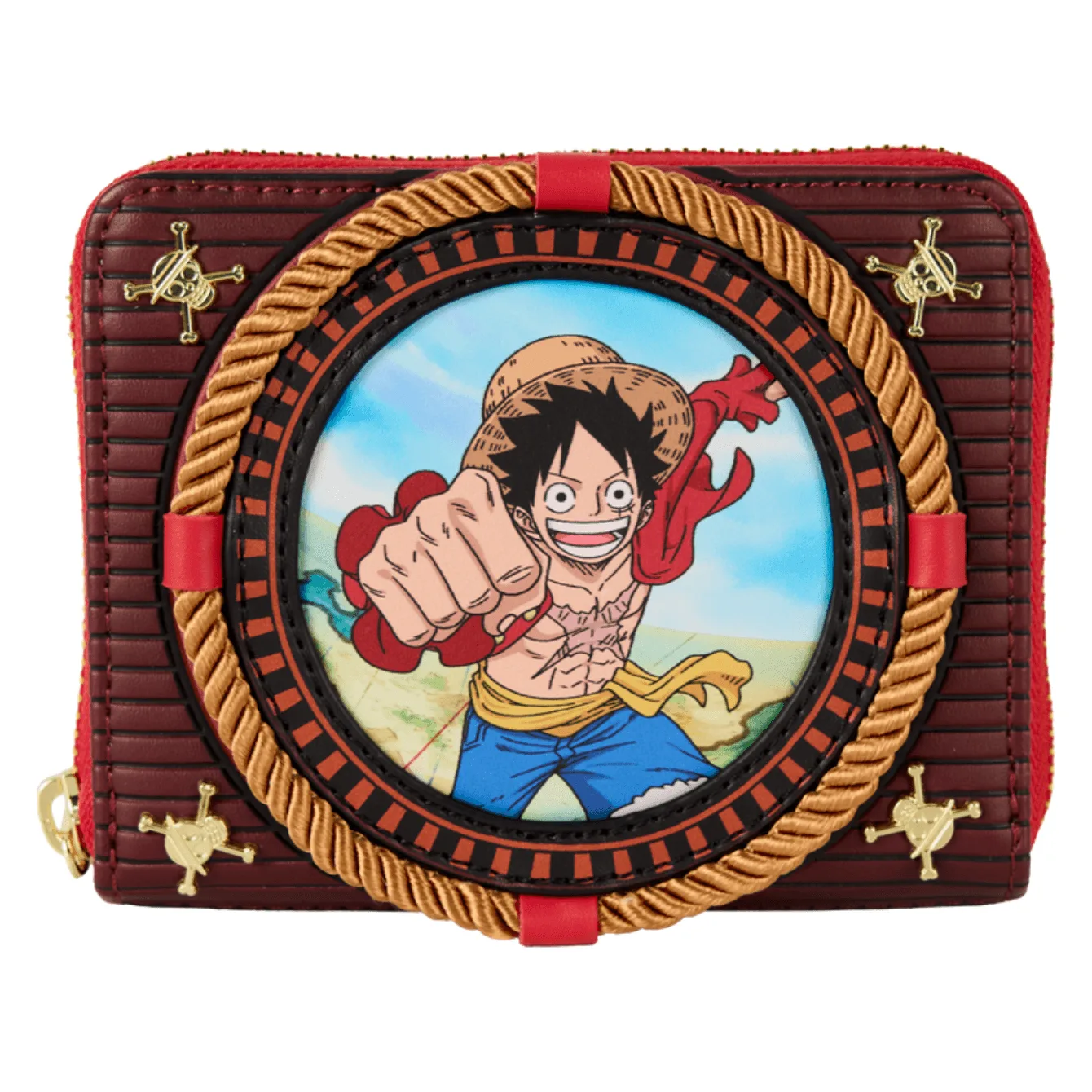
- One Piece Luffy Zip Around Wallet: This wallet features Luffy in a circular rope frame, molded metal Jolly Roger charms, a compass design on the back, four card slots, and one clear ID slot. It's made of faux leather (polyurethane) with a zippered closure. While not a backpack, this wallet is a great way to keep your cards and ID organized inside your commuter bag. Its compact size fits easily in a front pocket, and the zippered closure keeps your essentials secure.
- Stitch & Angel Be Mine Large Card Holder: This card holder features Stitch holding a heart-shaped cake with Angel's silhouette, a debossed heart pattern, puff print hearts, and four pink-and-blue card slots on the back. If you prefer a lighter carry, this card holder can replace a bulky wallet. It's slim enough for a jacket pocket or a small backpack compartment, and its fun design adds a bit of personality to your daily commute.
Fit Guidance
Best for
- Commuters who carry a laptop and need a dedicated, padded sleeve
- People who walk or bike and need a comfortable, stable fit
Not for
- Travelers who need to pack a week's worth of clothes (look for a 30L+ travel backpack instead)
- Those who prefer a minimalist, pocket-free design (a simple tote or duffel may be better)
Choosing the right commuter backpack comes down to matching the bag to your daily routine. Focus on size, laptop protection, comfort, and durability. Try the bag on with your gear, and don't be afraid to return it if it doesn't feel right. A good backpack is an investment in your daily comfort and organization.