Quick Answer
The right baking chocolate percentage depends on the desired sweetness and flavor intensity. For rich, less sweet desserts, choose a dark chocolate with 55-70% cacao. For a milder, sweeter result, opt for milk chocolate around 40%. Consider the recipe's other sweet ingredients and whether the chocolate is for baking, coating, or eating.
When a recipe calls for baking chocolate, the percentage on the package isn't just a number—it's a guide to how sweet and intense your final dish will be. Understanding what that percentage means helps you make better choices, whether you're crafting a flourless cake, dipping strawberries, or simply enjoying a square after dinner.
In this guide, we'll break down common percentage ranges, explain how they affect flavor and performance, and give you clear rules for picking the right chocolate for your next project. We'll also highlight a few Valrhona options that work beautifully in different scenarios.
What Does the Percentage Mean?
The percentage on a chocolate bar indicates the total amount of cocoa bean products (cocoa solids and cocoa butter) in the chocolate. The rest is sugar, and sometimes lecithin or vanilla. So a 70% dark chocolate has 70% cocoa-derived ingredients and only 30% sugar, while a 40% milk chocolate has 40% cocoa ingredients and 60% sugar and milk solids.
Because sugar levels drop as the percentage rises, higher-percentage chocolates taste more bitter and less sweet. They also have a firmer texture and a more intense cocoa flavor. Lower percentages are sweeter, creamier, and often more approachable, especially for children or those who prefer milder chocolate.
- Higher percentage = more cocoa, less sugar, more intense flavor.
- Lower percentage = sweeter, creamier, and less bitter.
Dark Chocolate: 55%–75% and Beyond
Dark chocolate is the go-to for many bakers because its pronounced cocoa flavor stands up to other ingredients like butter, flour, and sugar. A 55% dark chocolate is a good middle ground—it's not too bitter, yet it delivers enough cocoa character for brownies, cakes, and cookies. It also works well for enrobing, as it flows nicely when tempered.
At 64% to 70%, dark chocolate becomes more intense, with fruity or tangy notes depending on the bean origin. These are excellent for mousses, ganaches, and tarts where chocolate is the star. They also pair beautifully with coffee or red wine. If you're using a high-percentage chocolate, you may need to increase the sugar in your recipe to balance the bitterness.
- For a balanced dark chocolate that's versatile, try 55%.
- For a deeper, more complex flavor, choose 64%–70%.
Milk Chocolate: Around 40%
Milk chocolate typically contains around 40% cocoa, with the rest being sugar and milk powder. This makes it sweeter and creamier than dark chocolate, which can be a plus in certain desserts. However, its lower cocoa content means it has a milder chocolate flavor, which might get lost in heavily flavored batters.
Milk chocolate shines in applications where you want a gentle chocolate taste, such as fillings, frostings, or simply for snacking. It also melts smoothly and is a favorite for molding and coating, especially when paired with a dark chocolate for contrast.
- Use milk chocolate when you want a milder, sweeter chocolate flavor.
- Milk chocolate is great for eating and for creamy desserts.
Decision Rules for Choosing Baking Chocolate
- Sweetness Level: Consider the other sweet ingredients in your recipe. If your recipe already includes a lot of sugar, use a higher percentage (64%+) to avoid an overly sweet result. If the dessert is meant to be mild and sweet, opt for a lower percentage like 55% or a milk chocolate around 40%. Balance the chocolate's sugar content with your recipe's sweetness.
- Flavor Intensity: Think about whether you want the chocolate to be the star or just a background note. For chocolate-forward desserts like flourless cake or mousse, choose a high-percentage dark chocolate (70%+) to get a deep, intense cocoa flavor. For lighter sweets like cookies or brownies, a 55% dark chocolate provides a good balance. Higher percentage for chocolate-forward, lower for subtle.
- Intended Use: If you're coating candies or making molded shapes, choose a chocolate specifically designed for enrobing, like a 55% dark chocolate that tempers well. For eating or simple baking, bars with different percentages offer flexibility. Milk chocolate is great for creamy desserts but may not provide enough structure for certain baked goods. Match the chocolate to the technique: enrobing vs. baking vs. eating.
Valrhona Chocolate Percentages in Action
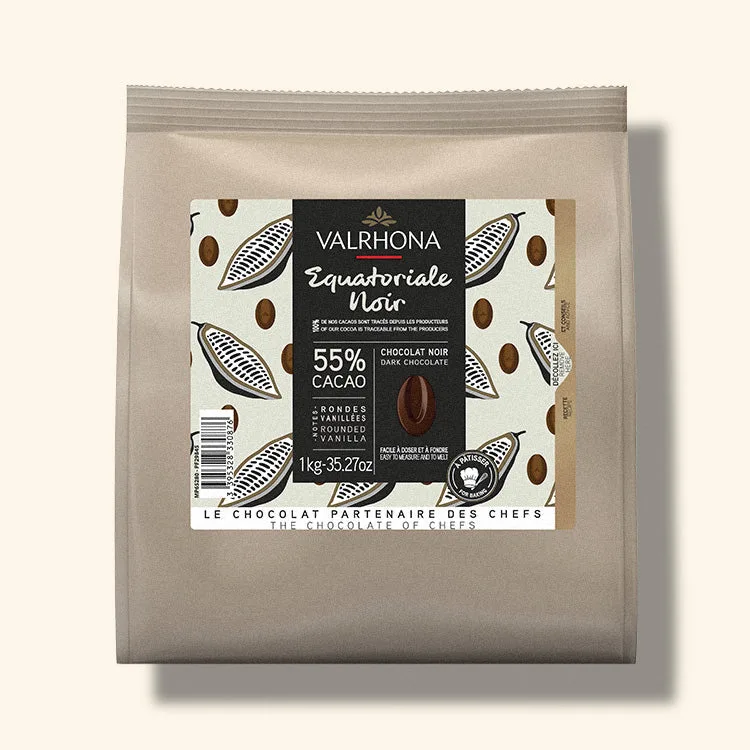
- Dark Baking Chocolate Equatoriale Noir 55% - 35.27oz: Valrhona's easy-to-use dark enrobing chocolate. Equatoriale Noir 55% is particularly recommended for candy coating. If you take care to temper this chocolate correctly, you'll obtain a crunchy chocolate shell that's easy to unmold, fine and shiny. This is an ideal choice for coating candies or making molded chocolates because its 55% cacao content provides a good balance of flavor and fluidity when tempered, ensuring a thin, crisp shell without being overly bitter.
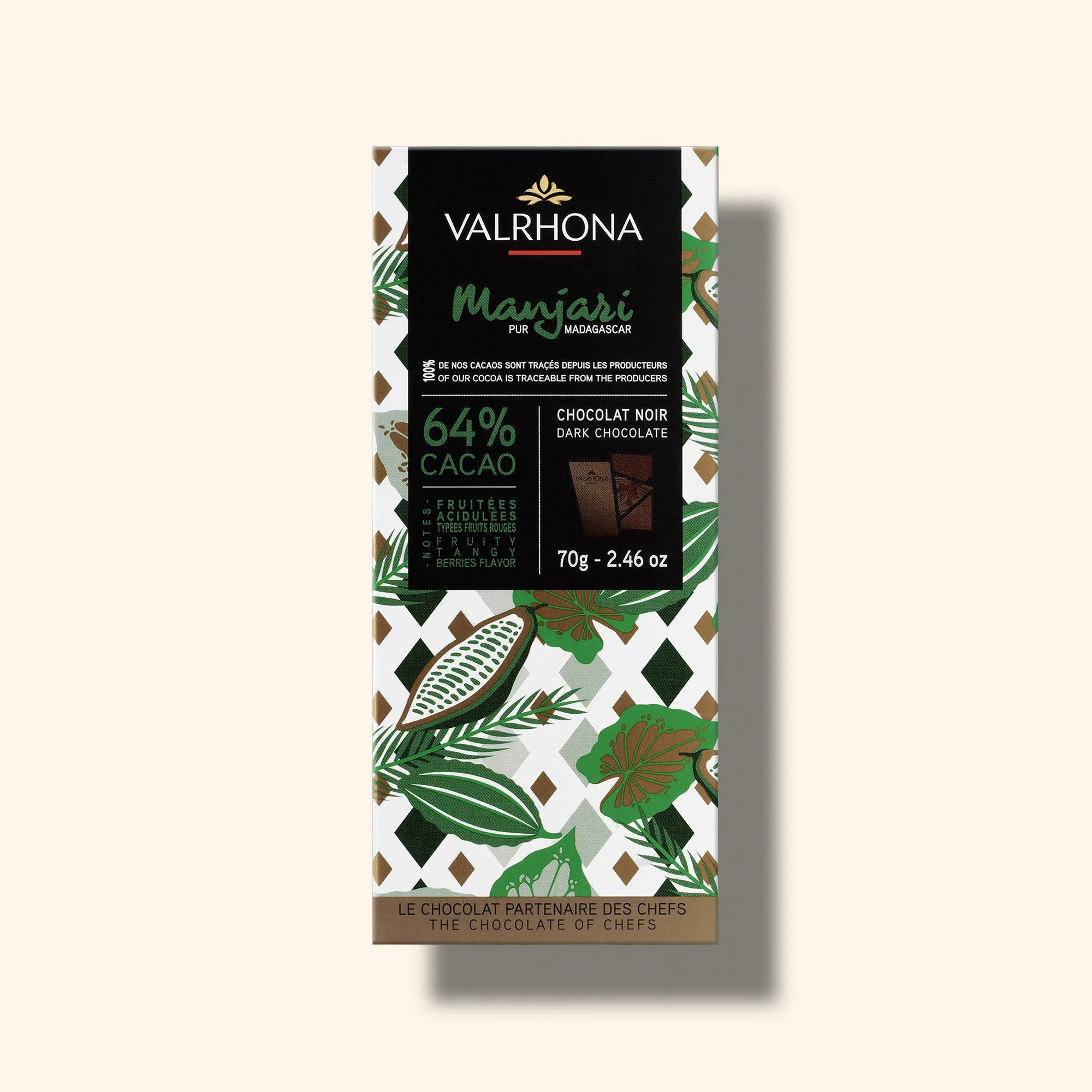
- Dark Chocolate Bar Manjari 64% - 2.46oz / 70g: Lover of fruity and tangy dark chocolates? Manjari 64% chocolate is made for you! Known for the typicality of its cocoa beans, the island of Madagascar offers exceptional cocoa beans. Manjari is a fine example of this acidic signature, easily recognizable and which serves for some amateurs as a reference on acidity scales. If you're baking a dessert where you want a distinctive fruity and tangy note, Manjari's 64% cacao will deliver that complexity, making it perfect for ganaches or mousses that need a lively chocolate flavor.
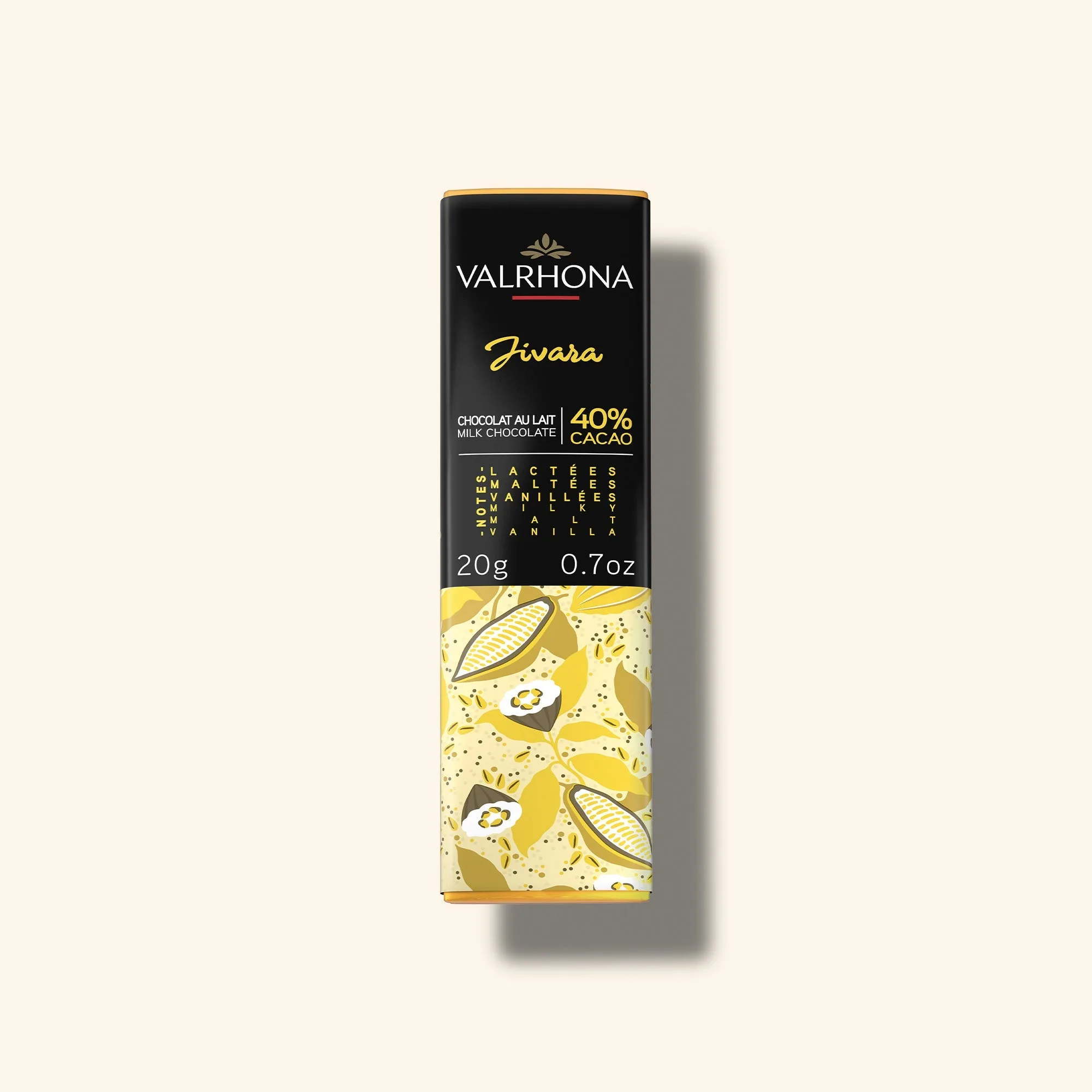
- Mini Milk Chocolate Bar Jivara 40% - 0.7oz: Make your breaks a unique moment of tasting thanks to this mini bar of Jivara 40% milk chocolate. An essential asset for your breaks, this individually wrapped milk chocolate allows you to take a gourmet break. Emblematic chocolate of the Valrhona brand, bite into it and experience all the know-how of the century-old brand. For recipes that call for milk chocolate, Jivara's 40% cacao offers a creamy, sweet flavor that melts beautifully, making it a great choice for fillings, sauces, or as a topping. Its convenient mini size also makes it easy to sample or use in small batches.
Which Chocolate Fits Your Need?
Best for
- Bakers who want a versatile dark chocolate for everyday baking and coating.
- Desserts that need a balanced cocoa flavor without overwhelming sweetness.
Not for
- Recipes that require a very sweet, milky chocolate flavor.
- Those who prefer a mild, low-intensity chocolate for snacking.
Choosing the right baking chocolate percentage is about balancing flavor, sweetness, and the role chocolate plays in your recipe. By understanding what the numbers mean and considering your dessert's needs, you can confidently select a chocolate that will enhance your baking. Whether you reach for a 55% dark for coating, a 64% for a fruity note, or a 40% milk for a creamy touch, Valrhona offers options that deliver exceptional results.