Quick answer
Buy a helmet that matches your child's current head circumference, not the size they will grow into, and adjust it so it sits level and stays put when they shake their head. Replace any helmet after a real crash, and recheck the fit every few months because kids' heads grow faster than their feet. A helmet is the one piece of riding gear you should never buy oversized or secondhand without knowing its history.
Most parents get the bike size right and treat the helmet as an afterthought. That order is backwards. A helmet that fits poorly can slide out of position in exactly the moment it matters, and a helmet that is too big will not protect a smaller head no matter how tight you crank the dial.
This guide walks through the decisions in the order you actually make them: measuring the head, choosing between a dedicated child helmet and an adjustable one, fitting it correctly, and knowing when to replace it. It also covers the small gear purchases that make a bigger difference to a young rider's safety than most parents expect.
Start with a measurement, not a guess
Wrap a soft tape measure around the widest part of your child's head, about an inch above the eyebrows and around the back where the skull bulges. Write the number down in centimeters. Every reputable helmet lists a size range, and your child should land inside that range with room to adjust, not at the very top edge of it.
If your child is between sizes, size down rather than up. A helmet that is slightly too small can often be adjusted to fit comfortably; one that is too large cannot be shrunk, and the internal padding will not contact the head where it needs to. Re-measure every three to six months for younger children, since head growth is not linear.
- Measure in centimeters and compare against the helmet's stated range, not the age label.
- Check the fit with hair the way it will actually be worn on a ride.
What actually matters in a child helmet
Three features do most of the work: a retention system that wraps the back of the head, a chin strap that adjusts on both sides of the buckle, and enough ventilation that your child does not want to take it off on a warm day. A helmet that gets left at home protects nobody, so comfort and airflow are safety features in practice.
Weight matters more for small riders than for adults. A heavy helmet pulls the head backward and encourages kids to tip their chin up, which moves the helmet out of position. Look for a shell that feels light in your hand and a padding package that does not add bulk. If your child rides a balance bike or is just learning to pedal, prioritize a low-profile shape that does not swallow their whole head.
- Test the retention dial or strap system with your child's hair down, then again with a ponytail or hat if that is how they ride.
- Let your child pick the color if it helps them actually wear it. That is a legitimate buying criterion.
Fit it correctly the first time
Place the helmet level on the head, not tipped back like a sun visor. The front edge should sit about one to two finger widths above the eyebrows. Tighten the retention system until the helmet moves the scalp when your child opens their mouth wide, then adjust the side straps so they form a V just below each ear.
The final test is simple: have your child shake their head firmly side to side and nod. The helmet should stay in place without sliding forward, backward, or sideways. If it moves more than a little, tighten the dial or shorten the straps. A loose helmet is the most common fitting mistake, and it is also the easiest to fix.
- Recheck the fit after every haircut and after any growth spurt.
- Never let a child wear a helmet over a thick hood or bulky hat unless you re-adjust the straps.
When to replace a child helmet
Replace any helmet that has taken a real impact, even if the shell looks fine. The foam liner is designed to crush once, and it does not recover. If you do not know a helmet's crash history, do not buy it used. That rules out most secondhand helmets and hand-me-downs unless you are certain of their past.
For helmets that have never been crashed, follow the manufacturer's stated replacement interval. Many brands recommend replacing every three to five years because foam and adhesives degrade over time. Children also outgrow helmets, so check the size range again at each birthday. A helmet that no longer fits is not a spare; it is a reason to buy a new one.
- Write the purchase date inside the helmet with a marker so you can track its age.
- Keep a crashed helmet out of the rotation entirely rather than passing it to a sibling.
The gear that supports a good helmet
A helmet protects the head, but young riders fall on knees and elbows too. Knee pads are the next most useful purchase for a child moving from the driveway to real trails, and they are cheap insurance against the scrapes that make kids afraid to try again. Pair them with a helmet that fits and you have covered the two most common fall injuries for new riders.
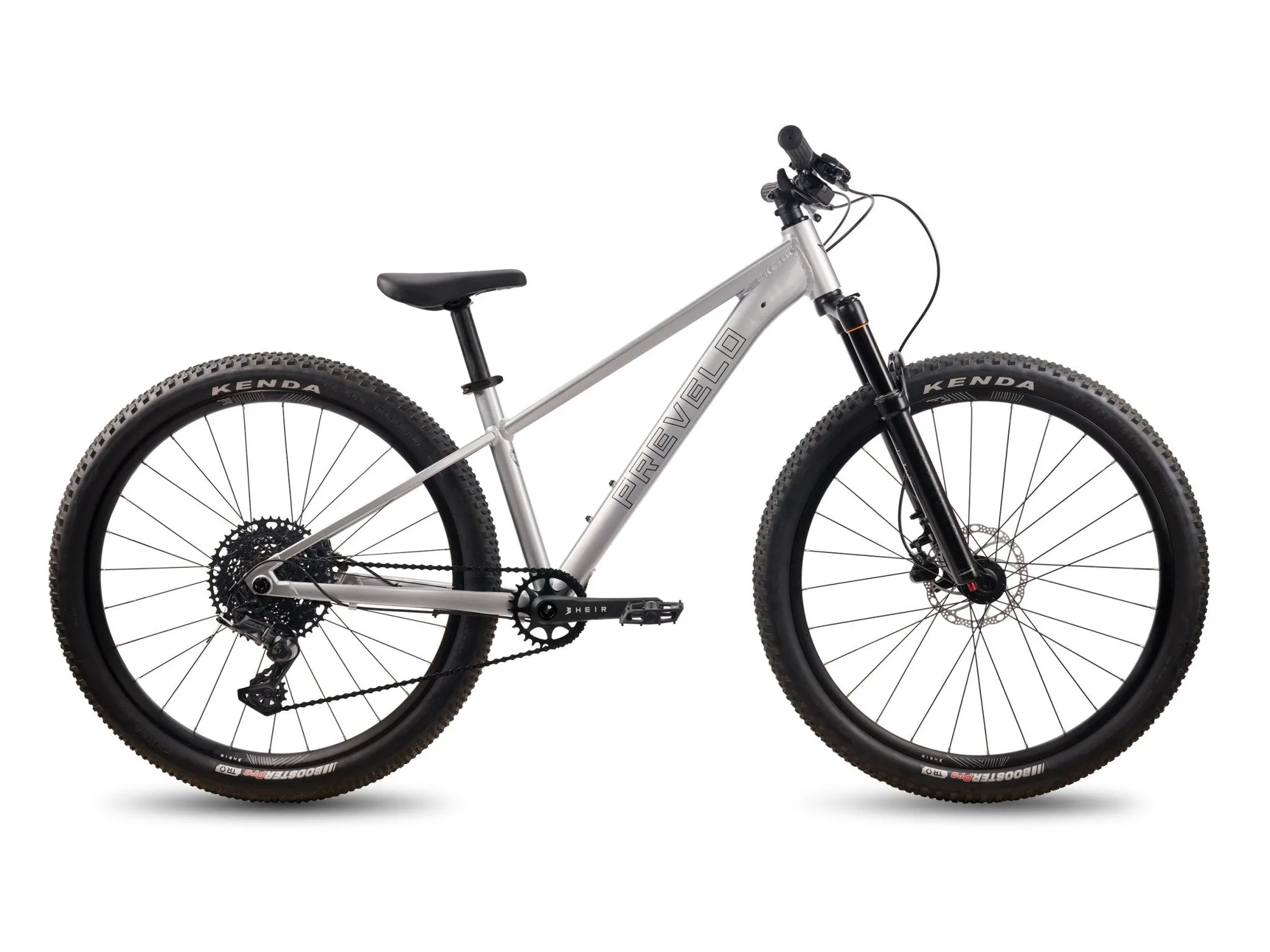
The rest of the bike matters as much as the gear. A bike that fits your child lets them keep both feet down at stops and control the handlebars without stretching, which reduces the chances of a fall in the first place. If you are still deciding on the bike itself, our Prevelo bike sizing guide covers how to match frame size to your child's inseam and experience level.
- Add knee pads before the first trail ride, not after the first crash.
- Check that your child can reach the brakes comfortably before worrying about speed.
Decision rules for buying a child's bike helmet
- If your child is between two helmet sizes: Choose the smaller size and use the retention system to fine-tune the fit. A helmet that is too large will not stay in position during a fall, and padding cannot make up the difference. Size down, adjust up.
- If your child rides a balance bike or is learning to pedal: Prioritize a lightweight, low-profile helmet with strong ventilation. Heavy helmets get taken off, and a helmet in a backpack is not protecting anyone. Comfort is a safety feature at this stage.
- If the helmet has been in any crash: Replace it, even if you cannot see damage. The foam liner is single-use by design, and a second impact will not be absorbed the same way. One crash, one helmet.
- If you are buying used or accepting a hand-me-down: Only do this if you know the helmet's full history and can verify it has never been crashed. Otherwise buy new, because an unknown helmet is a gamble on the one piece of gear that matters most. No history, no deal.
- If your child has outgrown the size range: Re-measure and buy the next size up rather than loosening the straps on the old helmet. A helmet adjusted past its intended range will not sit level or stay put. Re-measure at every birthday.
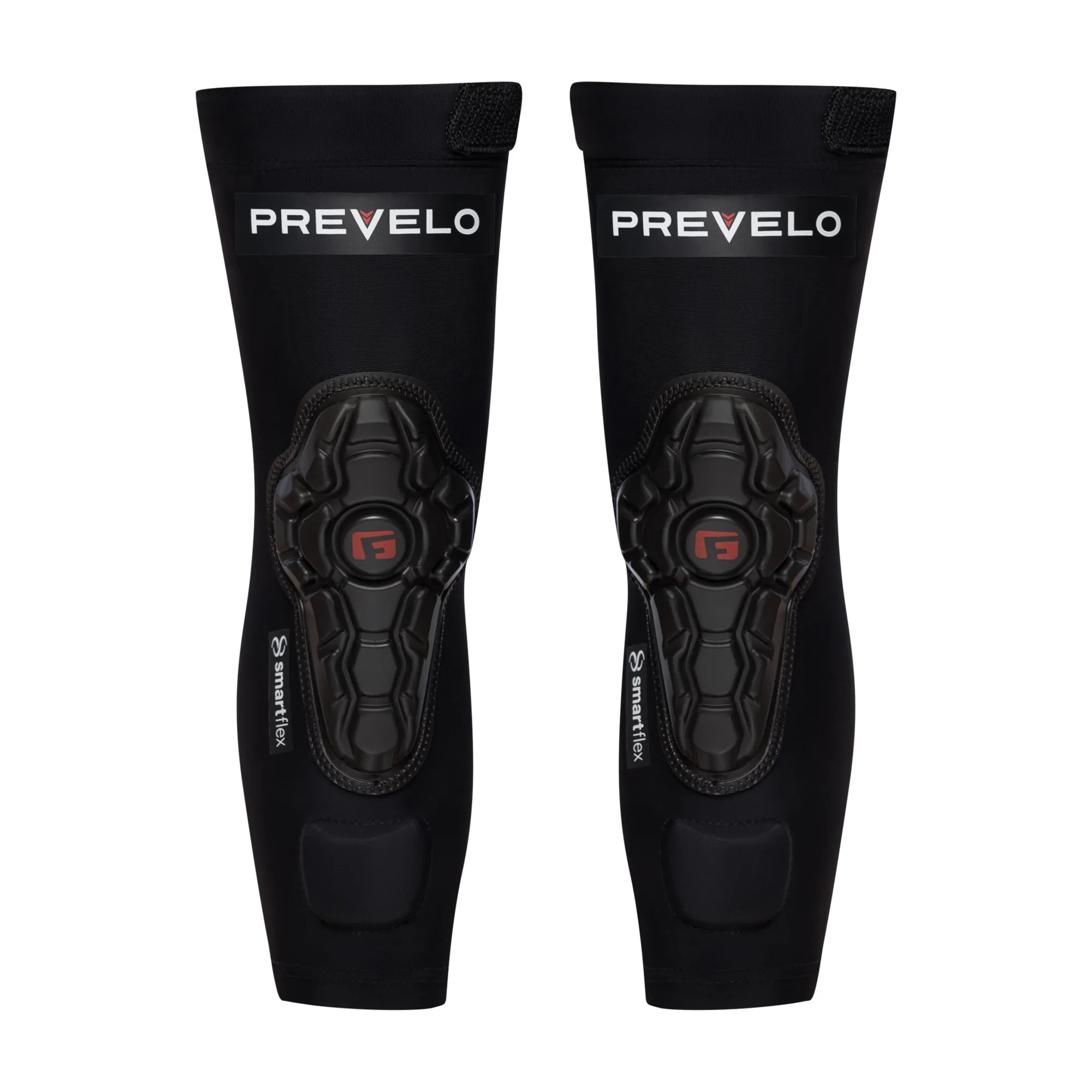
- If you are also buying knee pads: Buy them at the same time as the helmet so your child associates the two together. Prevelo Knee Pads by G-Form come in multiple sizes for riders of all skill levels. Cover the head and the knees first.
Prevelo gear that pairs with a properly fitted helmet
- Prevelo Knee Pads by G-Form: Designed for young riders of all skill levels, from learners on the sidewalk to kids riding trails. Knee pads cover the injury that most often discourages a new rider, and sizing options let you match them to your child rather than guessing.
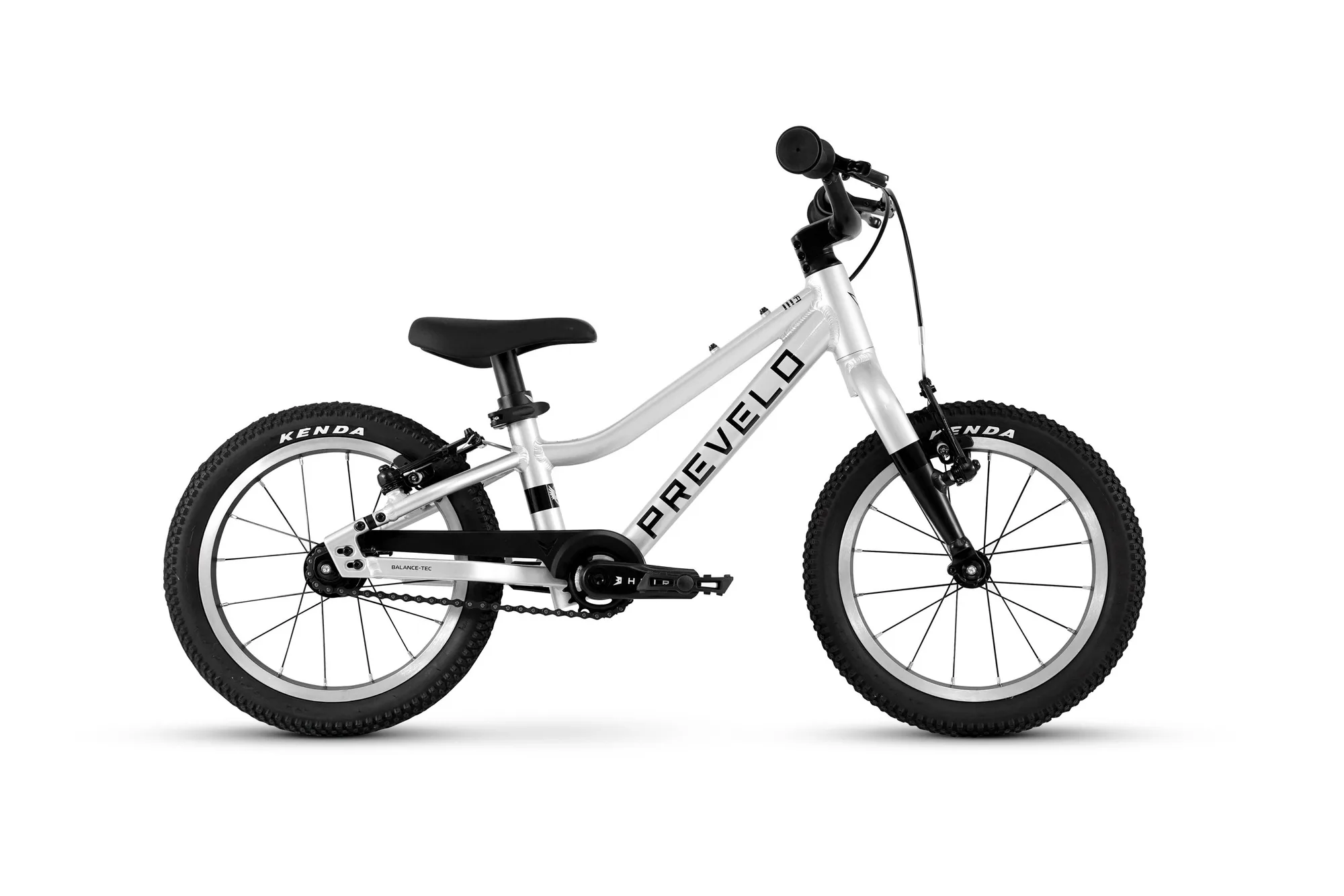
- Alpha One: The smallest pedal bike in the Prevelo lineup, with a low-slung aluminum frame, front and rear V-brakes, and a BALANCE-TEC kit that converts it to a balance bike. A bike your child can straddle with both feet down makes low-speed falls less likely, which is when most beginner helmet impacts happen.
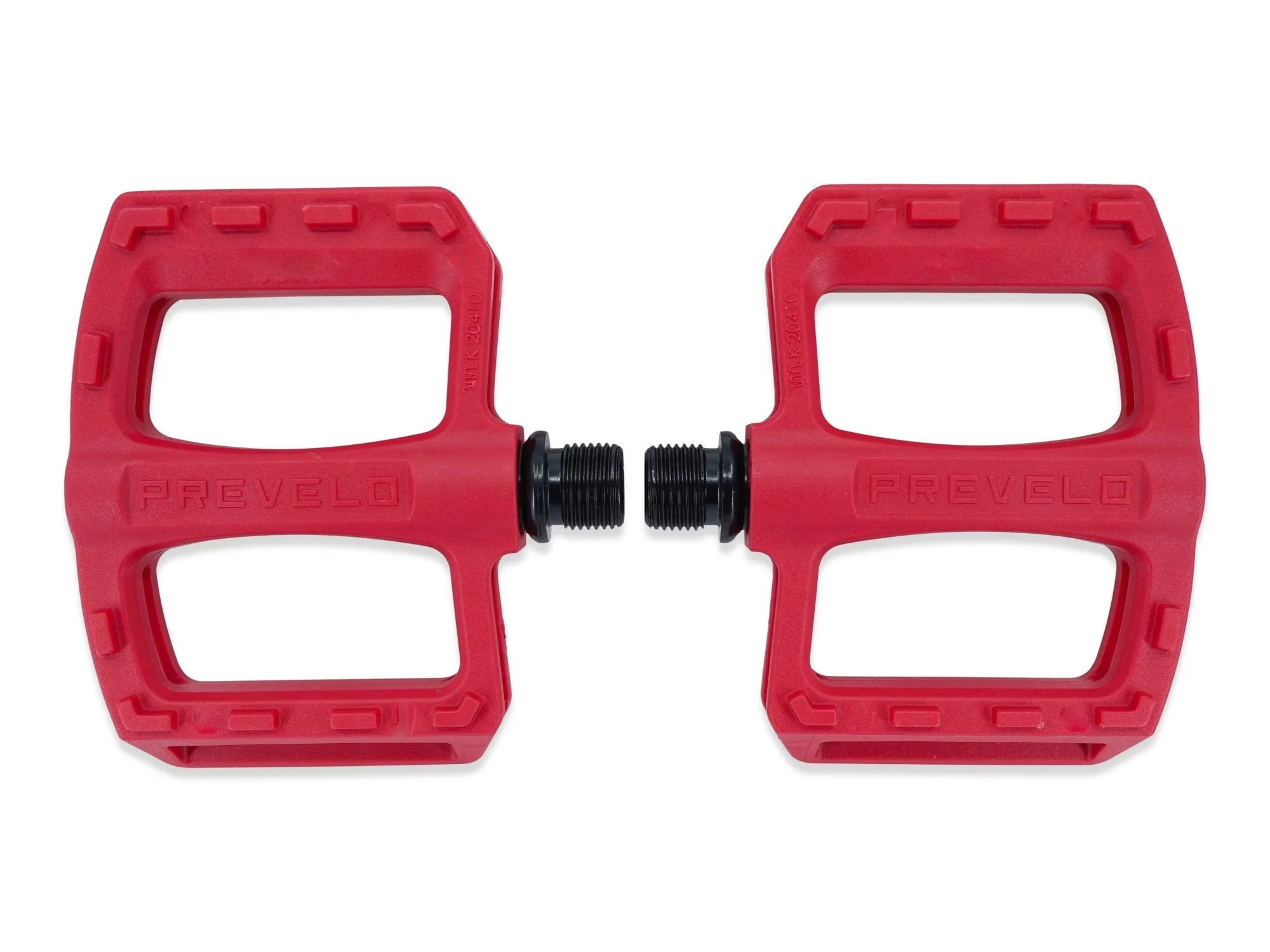
- Prevelo Color Pedals: Available in short and long spindle sizes, with a compatibility list that matches specific Alpha and Zulu models and explicitly excludes Alpha Five and Zulu Five. Checking the spindle size against your child's exact bike model before ordering avoids a return and keeps the bike set up correctly.
- Chainer Bike Lock: A four-digit combination chain lock with a fabric sleeve to protect the bike from scratches, sized to be manageable for kids. A lock a child can actually operate themselves encourages them to secure the bike, and the sleeve protects the frame finish.
Who this approach is right for
Best for
- Parents buying a first helmet for a child on a balance bike or a first pedal bike
- Families replacing a helmet that has been crashed or outgrown
- Riders moving from the driveway to sidewalks and easy trails who need knee pads alongside a helmet
Not for
- Adults shopping for their own helmet, since adult head shapes and retention systems differ
- Parents looking for a secondhand helmet of unknown crash history
- Anyone buying a helmet as a surprise gift without knowing the child's head circumference
Measure the head, buy the size that fits today, and fit it so it stays put when your child shakes their head. Replace it after any crash and recheck the fit every few months. Add knee pads when your child starts riding faster than you can jog, and the helmet will do its job with far less drama.