Quick Answer
To choose the right body butter, start with your skin's needs: dry skin thrives on rich butters like shea and cocoa, oily skin prefers lighter formulas, and sensitive skin benefits from fragrance-free options. Look for butters with complementary ingredients like mango butter for a lighter feel or essential oils for aroma, but always patch-test if you're prone to reactions.
Body butter is a rich moisturizer that can transform dry, flaky skin into a soft, supple canvas. But with so many options, how do you pick the one that's right for you? Your skin type should be the main guide: what works for parched winter skin might be too heavy for oily summer days, and a heavily scented butter could irritate sensitive skin.
This guide breaks down the key differences between popular butters—shea, cocoa, and mango—and offers practical decision rules to match a body butter to your unique needs. Whether you're looking for deep hydration or a light daily lotion, you'll leave with a clear choice.
Understanding Your Skin Type
Before you buy, take a moment to assess your skin. Dry skin often feels tight, looks flaky, and may have rough patches, especially after showering. Oily skin tends to feel greasy by midday and may be prone to breakouts on the body. Sensitive skin reacts easily to fragrances, dyes, or certain ingredients, showing redness or itching.
Your environment and season also matter. Cold, dry air pulls moisture from skin, while humid climates can make heavy butters feel sticky. If you're unsure, consider your skin's behavior throughout the year and choose a butter that adapts—maybe a richer one for winter and a lighter lotion for summer.
- Dry skin: look for intense hydration and occlusive ingredients like shea or cocoa butter.
- Oily skin: opt for non-comedogenic, lighter formulas with ingredients like mango butter.
- Sensitive skin: prioritize fragrance-free products and patch-test new butters.
Shea vs Cocoa Butter: What's the Difference?
Shea butter, derived from African shea nuts, is known for its deep moisturizing and skin-softening properties. It's rich in vitamins and fatty acids, making it excellent for very dry or compromised skin. Cocoa butter, from cocoa beans, has a firm texture and a natural chocolate scent. It's also highly emollient and forms a protective barrier, but it can be comedogenic for some.
When choosing between the two, consider your skin's tolerance. Shea is generally lighter and less likely to clog pores, while cocoa is heavier and better for extremely dry areas like elbows and heels. Many body butters blend both for a double dose of hydration, but if you're acne-prone, shea might be the safer bet.
- Shea butter: lighter, less comedogenic, good for face and body.
- Cocoa butter: richer, protective, best for very dry patches.
- Blends: combine benefits but check for extra ingredients.
Matching Body Butter to Your Skin Type
For dry skin, you want a butter that delivers intense moisture and locks it in. Look for products with shea butter as a primary ingredient, often paired with cocoa for extra richness. The Jergens Deep Conditioning Shea-Cocoa Butter Blend is a classic example, promising deeper hydration and improved evenness in four weeks.
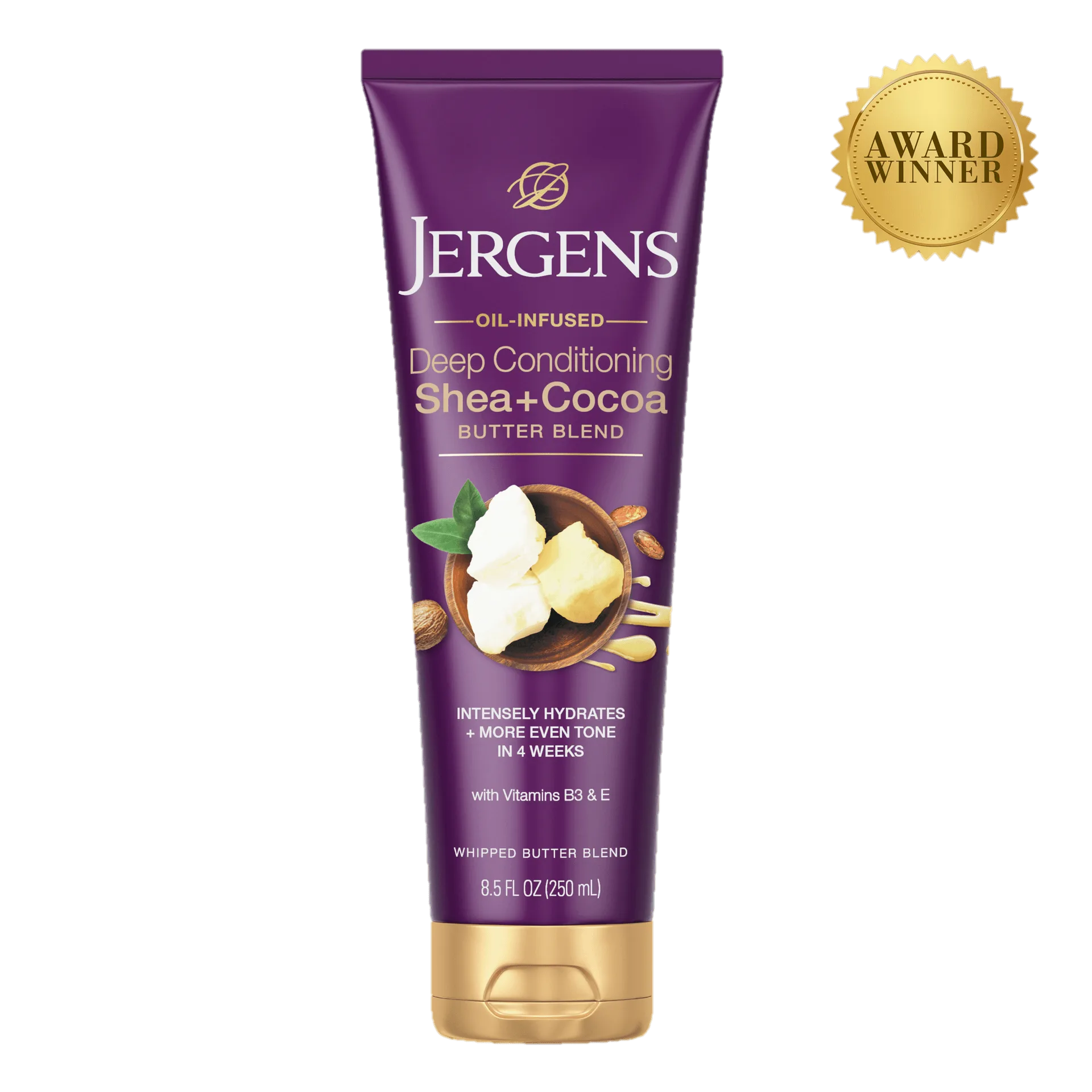
Deep Conditioning Shea-Cocoa Butter Blend
Oily skin needs a lighter touch. Mango butter is a great alternative—it's less greasy and absorbs quickly. If you prefer a lotion, consider a formula with shea but lighter oils like the Warm Amber Shea Fusion, which offers 24-hour nourishment without a heavy feel. Avoid butters with high cocoa content if you're prone to breakouts.
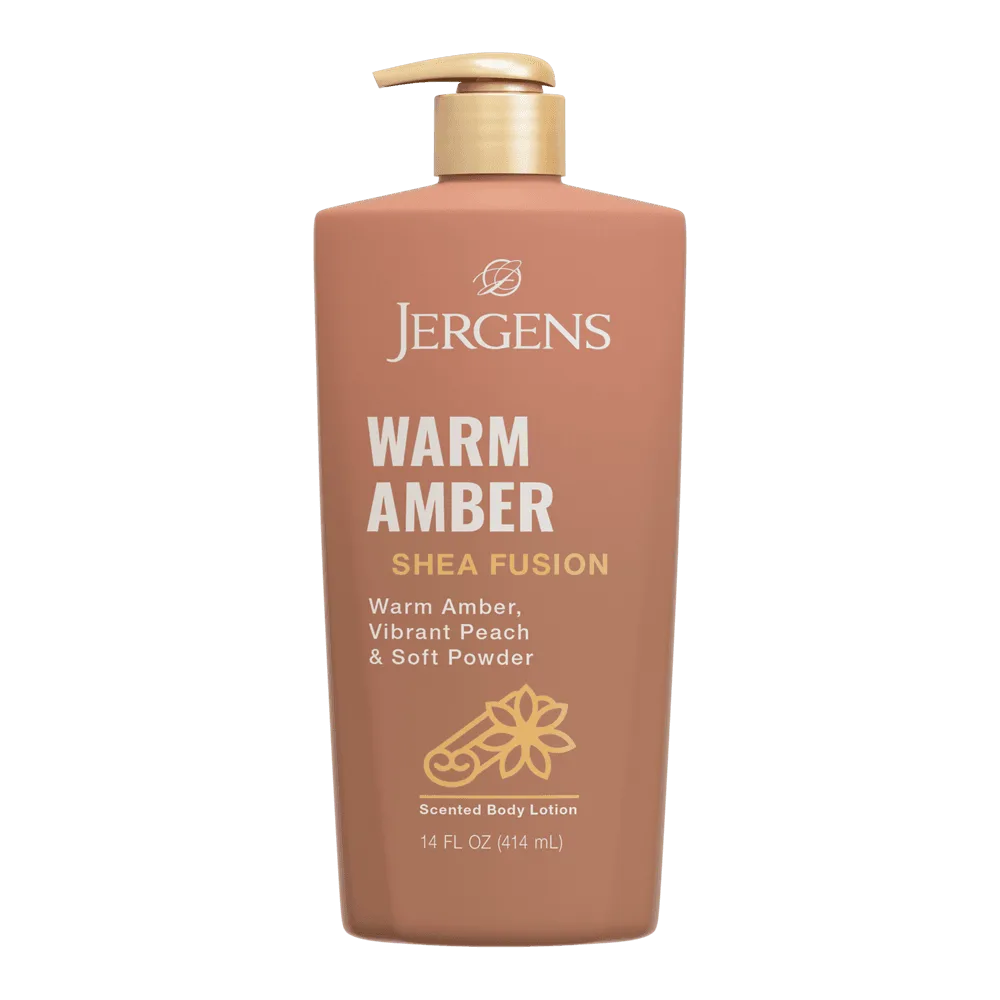
Warm Amber Shea Fusion
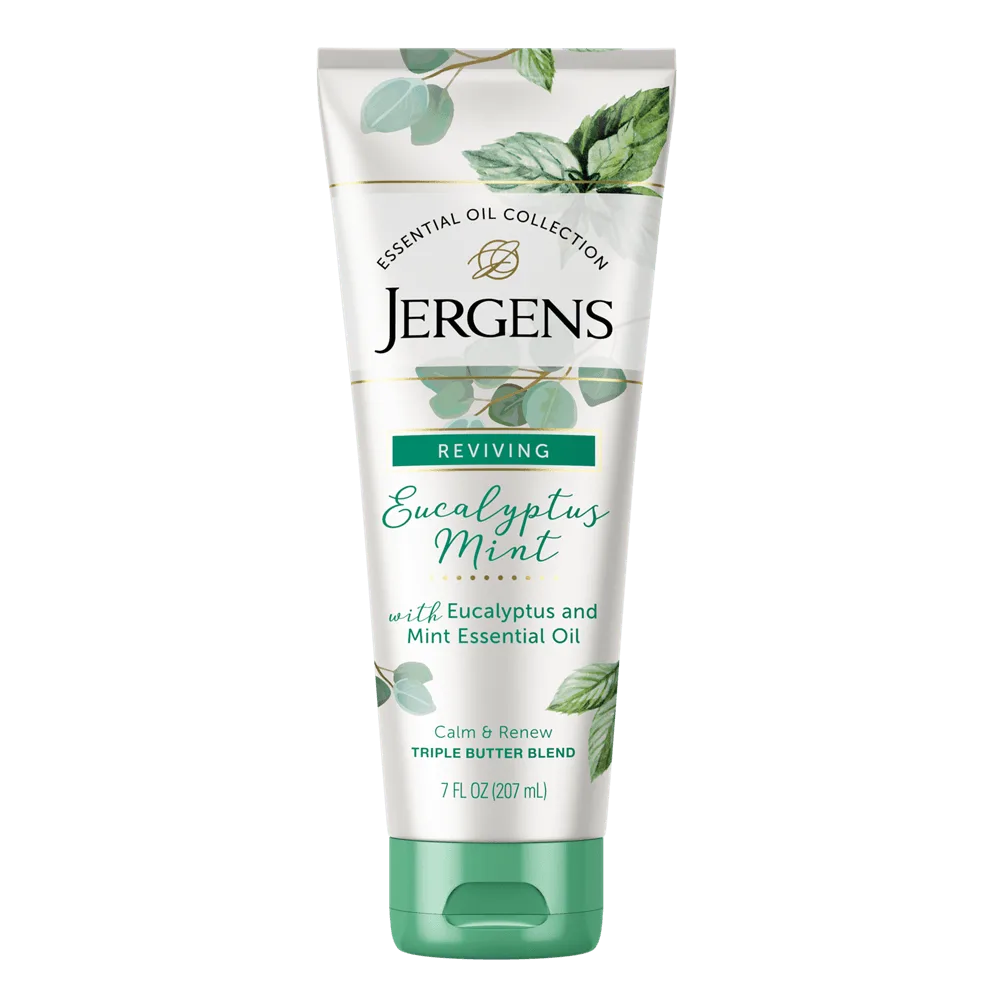
Sensitive skin calls for minimal ingredients and no harsh fragrances. Choose butters with simple formulations, like pure shea or those with soothing essential oils, but always patch-test first. The Eucalyptus Mint Body Butter, while invigorating, might be too strong for some; a fragrance-free option is safer.
- Dry: shea-cocoa blends, apply after shower.
- Oily: mango butter or lotions, use sparingly.
- Sensitive: fragrance-free, patch-test.
Beyond Butter: When to Consider Lotions or In-Shower Moisturizers
Body butters are the heaviest moisturizers, ideal for very dry skin or cold weather. But if you have oily skin or live in a humid climate, a lighter body lotion might be more comfortable. Lotions have a higher water content, so they feel less greasy and are easier to spread.
There are also in-shower moisturizers, like the Glow Wet Skin Moisturizer, designed to be applied to wet skin and rinsed off. These are great for convenience and can be lighter than traditional butters. However, they may not provide the same level of occlusion for extremely dry skin. Consider your routine and preferences when choosing between formats.
- Butter: richest, best for dry skin and winter.
- Lotion: lighter, good for daily use and oily skin.
- In-shower: convenient, but less intensive.
Decision Rules for Choosing Body Butter
- Rule 1: Match richness to dryness: If your skin is very dry, choose a butter with shea and cocoa as primary ingredients. If it's only mildly dry, a lotion with shea might suffice. Check the first ingredients: shea and cocoa mean richer.
- Rule 2: Consider your skin's oiliness: For oily skin, avoid heavy butters with cocoa butter; opt for mango butter or lotions. Use sparingly and focus on dry areas. Lighter textures are your friend.
- Rule 3: Sensitive skin? Go minimal: Choose unscented or naturally scented butters with few ingredients. Patch-test on a small area before full application. Fragrance-free is safest.
- Rule 4: Think about season and routine: In winter, use richer butters; in summer, switch to lotions or in-shower moisturizers. Consider how much time you have for application. Adapt your choice to the climate.
Product Facts to Guide Your Choice
- Deep Conditioning Shea-Cocoa Butter Blend: With naturally derived African shea butter and rich cocoa butter, this moisturizer hydrates on a deeper level. Skin shines all day with that moisture-whipped afterglow. In just 4 weeks, it looks more even toned. This is a solid choice for dry skin seeking intense hydration and improved tone. The blend of shea and cocoa provides a protective barrier, making it ideal for winter or very dry patches.
- Eucalyptus Mint Body Butter: Made with an ultra-hydrating blend of Shea, Cocoa, and Mango butters and an alluring essential oil, deeply nourish your skin. Infused with eucalyptus & mint essential oil, renew your sense of clarity and focus. If you enjoy aromatherapy, this butter offers deep hydration with a refreshing scent. However, the essential oils may be irritating for sensitive skin, so patch-test first.
- Rose Body Butter: Infused with rose essence and camellia essential oil, transport your skin to blissful softness. Our Triple Body Butter formulas deeply nourish your skin and have an ultra-hydrating blend of Shea, Cocoa, and Mango butters. This is a romantic, fragrant option for those who want a sensory experience alongside moisture. The triple butter blend is rich, suitable for normal to dry skin, but the fragrance may not suit sensitive types.
- Warm Amber Shea Fusion: Brings the warm scent of amber, soft powder and vibrant peach to touchable nourishing moisture. Blended with naturally derived African shea butter and Vitamin E, this moisturizer nourishes your skin to feel touchably smooth for up to 24 hours! This lotion offers a lighter alternative to butter, with shea and Vitamin E for 24-hour hydration. It's a good pick for oily or combination skin that still wants nourishment without heaviness.
Who Should Choose What
Best For
- Deep Conditioning Shea-Cocoa Butter Blend: ideal for very dry skin needing intense moisture and improved tone.
- Warm Amber Shea Fusion: great for normal to combination skin that wants light, 24-hour hydration without greasiness.
Not For
- Eucalyptus Mint and Rose Body Butters: not for sensitive skin due to essential oils; also, if you dislike strong scents, skip these.
- Glow Wet Skin Moisturizer: not for those who prefer traditional body butters or who don't want a gradual tan.
Choosing the right body butter doesn't have to be complicated. Start with your skin type, consider the season, and read ingredient lists to find a formula that hydrates without causing breakouts or irritation. With these decision rules, you're ready to pick a body butter that will leave your skin feeling healthy and nourished.