Start with Your Tank Size
The first decision when choosing a CO2 diffuser is the volume of your aquarium. A diffuser that's too large will waste CO2 and may stress small tanks; one that's too small won't provide enough gas for plant growth in larger setups.
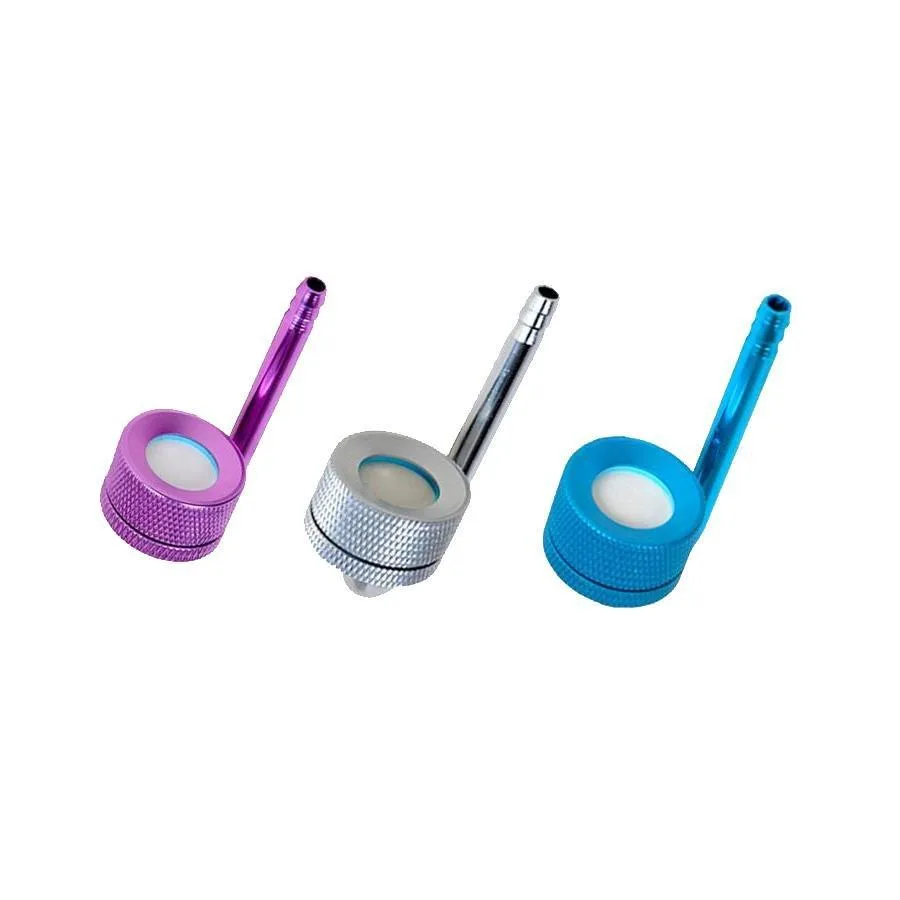
For tanks up to 30 litres, a nano diffuser with a small ceramic disc is a practical fit. The Castle Dawn Aquatics Acrylic CO2 Diffuser – Nano (11 mm Ceramic Disc) is designed specifically for this range, using micro-porous ceramic technology to produce finer bubbles than traditional glass diffusers. This helps CO2 dissolve efficiently in a compact water column.
For larger planted tanks below 250 litres (55 gallons), a high-density diffuser can handle the greater demand. The Castle Dawn Aquatics Small High-Density 'Druchtin' CO2 Diffuser – Below 250L/55gal uses nano CO2 mist membrane technology to release ultra-fine bubbles, maximising absorption and reducing waste.
What the Catalog Confirms
-
Acrylic CO2 Diffuser – Nano (11 mm Ceramic Disc): This diffuser is ideal for aquariums up to 30 litres and features a small 11 mm ceramic disc for enhanced gas dispersion. Confirms the nano diffuser is only suitable for small tanks; using it in a larger tank would under-deliver CO2.
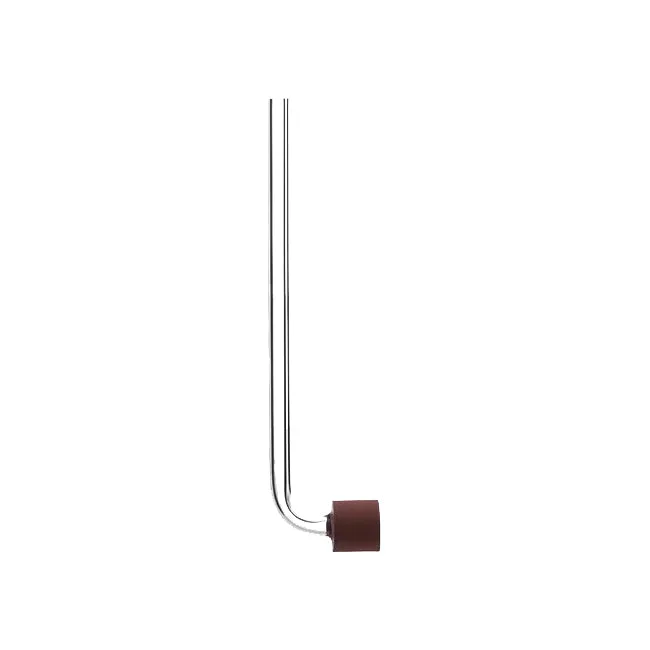
Acrylic CO2 Diffuser – Nano (11 mm Ceramic Disc)
-
Small High-Density 'Druchtin' CO2 Diffuser – Below 250L/55gal: Suitable for tanks over 250 litres – high-capacity precision design. Clarifies the high-density diffuser is built for larger volumes, not nano tanks.
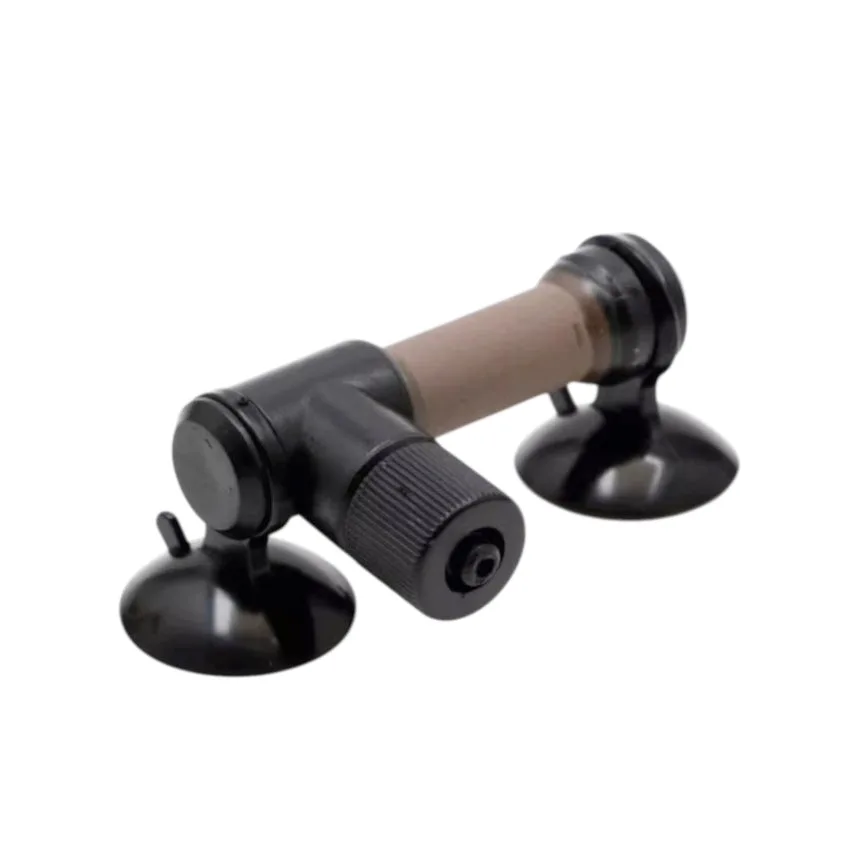
Small High-Density 'Druchtin' CO2 Diffuser – Below 250L/55gal
Material and Durability
Both diffusers use acrylic bodies rather than glass. Acrylic is less prone to breakage during cleaning or repositioning, which matters if you rearrange your aquascape often. The nano diffuser is described as 'less fragile than glass – easy to clean and reposition without cracking.'
The high-density diffuser also uses a robust acrylic body that can handle cleaning and setup without risk of breakage. If you have a busy household or tend to bump equipment, acrylic offers more peace of mind than glass alternatives.
Bubble Size and CO2 Absorption
Finer bubbles mean more surface area for CO2 to dissolve into the water. The nano diffuser's micro-porous ceramic disc generates finer bubbles than standard glass diffusers, improving absorption efficiency in small tanks.
The high-density diffuser uses nano mist membrane technology to produce ultra-fine bubbles. According to the supplied information, this maximises CO2 absorption and minimises waste. Both designs aim to get more CO2 into the water column, but they achieve it through different internal mechanisms.
Nano Acrylic vs High-Density Diffuser
- Tank size: Nano: up to 30 litres. High-density: below 250 litres (55 gallons).
- Diffusion technology: Nano: micro-porous ceramic disc. High-density: nano CO2 mist membrane.
- Body material: Both use clear acrylic, less fragile than glass.
- Included items: Nano: diffuser unit only. High-density: diffuser unit only. Neither includes CO2 tubing or regulator.
Setup and Maintenance Considerations
Both diffusers require a separate CO2 system – tubing and regulator are not included. The high-density diffuser connects to a CO2 regulator with 6mm tubing and recommends a starting pressure of 2 bar. Allow a few minutes for flow to stabilise after connection.
The nano diffuser benefits from a pre-use soak: soak the diffuser in water for 30 minutes before first use for optimal mist output. For ongoing maintenance, soak the ceramic disc in a water and bleach solution monthly to restore performance. The supplied evidence does not specify a soak duration for that monthly cleaning, so follow general aquarium-safe practices.
Both products carry a one-year warranty (terms and conditions apply).
Avoid Counterfeit Products
The supplied information warns about cheaply made diffusers sold on low-cost apps like Temu. For the nano diffuser, it notes these imitations are often made from non-aquatic safe materials, clog easily, break quickly, and can harm your aquarium setup. For the high-density diffuser, counterfeit versions may clog, break easily, or release harmful substances. Buying from a reputable source helps ensure materials are aquarium-safe and performance matches the design.