Quick answer
Start by watching how your dog actually sleeps. Side sleepers need a bolstered bed with head support. Sprawlers and belly sleepers do best on a flat, open surface. Curlers prefer a donut or nest-style bed. For senior dogs or those with joint issues, an orthopedic memory foam bed is the safest choice regardless of position.
Why sleeping style matters
A dog's natural sleeping position reveals where they need support. Side sleepers often rest their head on a bolster, while sprawlers stretch out fully and need uninterrupted space. Burrowers and curlers want a cozy, enclosed feel. Matching the bed shape to these habits reduces restless nights and helps your dog settle faster.
Size also plays a role. A large breed that sleeps curled up might still fit in a round bed, but a medium dog that sprawls needs a rectangular bed that accommodates their full length. Measure your dog from nose to tail while they sleep and add 6–12 inches for the right bed dimensions.
Memory foam vs. standard foam
Memory foam contours to a dog's body, distributing weight evenly and reducing pressure on joints. It's especially beneficial for older dogs, large breeds, or dogs with arthritis. Standard polyfill or cotton beds are lighter and cheaper but flatten over time, offering less consistent support. If your dog is under two years old and healthy, a quality polyfill bed may suffice. For long-term joint health, memory foam is the better investment.
Cover material and washability
Look for a removable, machine-washable cover. Dogs bring in dirt, dander, and occasional accidents. Waterproof or water-resistant liners add protection for the foam core. Materials like microfiber or plush fleece are soft but may trap hair; Oxford fabric or canvas is more durable and easier to clean. Balance comfort with practicality based on your dog's shedding level and outdoor habits.
Decision rules for choosing a dog bed by sleeping style
- Side sleeper: Needs a bed with at least one raised bolster or rim to support the head and neck. A rectangular or oval shape with bolsters on three sides works best. Check that the bolster height matches your dog's neck length when lying down.
- Sprawler / belly sleeper: Prefers a flat, open surface without raised edges. A large rectangular mattress-style bed or a flat orthopedic pad allows full stretch. Measure your dog's full length from nose to tail while sleeping, then add 6–12 inches.
- Curler / burrower: Likes to curl into a tight ball or burrow under blankets. A round donut bed or a cave-style bed with a hood provides a secure, enclosed feel. If your dog burrows, choose a bed with a removable cover that can be washed frequently.
- Senior or arthritic dog: Needs orthopedic memory foam regardless of sleeping position. The foam reduces pressure on joints and helps with morning stiffness. Look for a bed with at least 3–4 inches of memory foam and a waterproof liner.
Product facts that support your choice
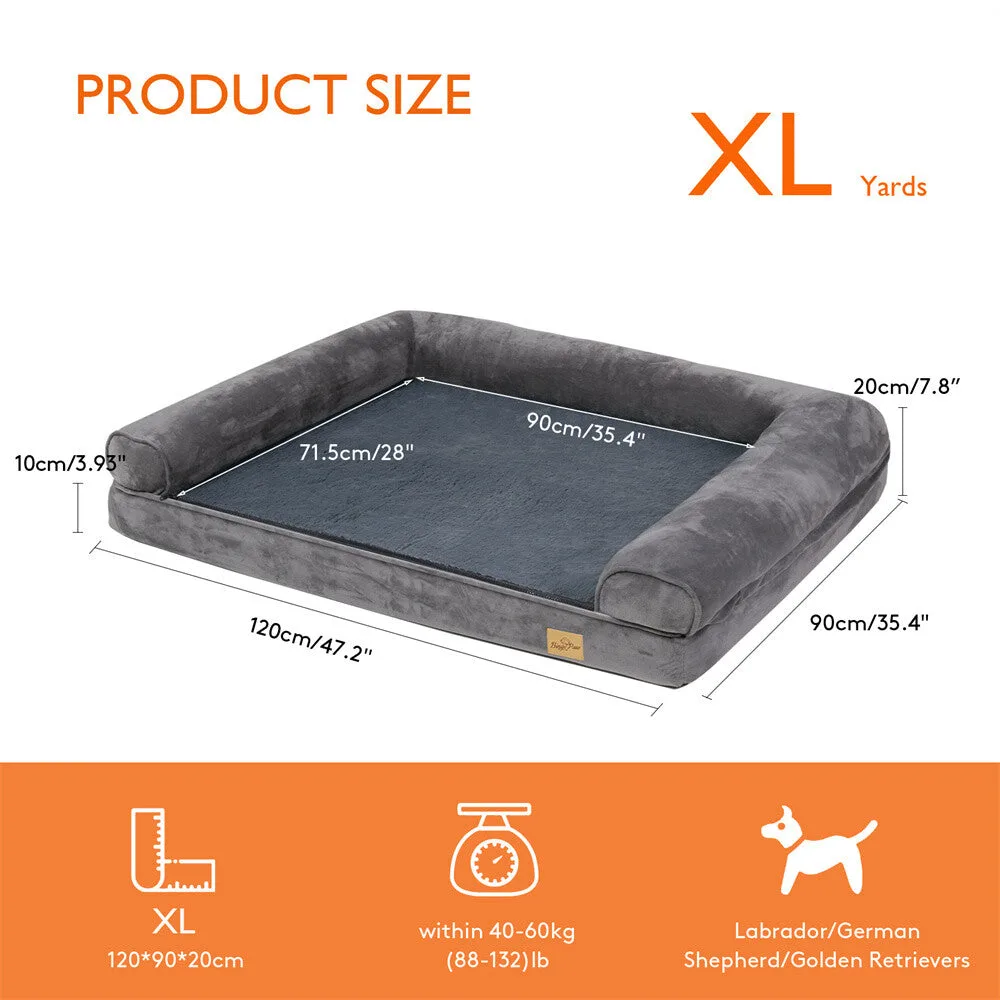
- Memory Foam Dog Bed Durable Oxford Waterproof Orthopedic Medium to Large XXL Pet: Thicker and durable sponge foam base, effectively protects spine, easy to sink down. Three bolster edges filled with PP cotton that won't lose shape. Ultra-soft PV plush cover with artificial plush fleece seating surface. Removable zipper cover. The memory foam base provides orthopedic support for dogs with joint or spine concerns, while the three bolsters suit side sleepers who need a headrest. The removable cover makes cleaning straightforward.
- Alpine Traffic Leash: Made of the softest genuine leather available, padded handle, available in an assortment of colors and sizes, solid genuine brass snap. While not a bed, this leash complements a well-rested dog's daily walks. The padded handle adds comfort for you, and the leather construction offers durability for dogs who are eager to head out after a good night's sleep.
Which bed fits your dog?
Best for
- Side sleepers and dogs that rest their head on furniture or the bed edge
- Senior dogs or breeds prone to hip dysplasia who need joint relief
Not ideal for
- Dogs that sleep fully stretched out on their belly (they may find bolsters restrictive)
- Very hot climates where thick foam and plush covers can trap heat