If you and your dog love spending time outdoors, a standard collar just doesn't cut it. Whether you're hitting the trails, training for a marathon, or working on obedience, the right harness can make a world of difference. It distributes pressure evenly, reduces strain on your dog's neck, and gives you better control. But with so many options on the market, how do you choose?
This guide breaks down everything you need to know about selecting the perfect harness for your active companion. We'll cover different types, key features, and how to ensure a proper fit—so you can both enjoy your adventures to the fullest.
Why Your Active Dog Needs a Harness
A harness is more than just a fashion statement. For active dogs, it's a crucial piece of equipment that ensures safety and comfort. Unlike collars, which can put pressure on the trachea and cause coughing or injury, a well-designed harness spreads the force across the chest and shoulders. This is especially important for dogs that pull, lunge, or sprint.
Harnesses also give you better control, which is vital in high-energy situations like crossing busy streets or encountering other dogs. Plus, many harnesses come with handle options, making it easier to assist your dog over obstacles or lift them into the car. For working dogs, a harness can even be a part of their professional gear.
- Prevents neck injuries and tracheal damage
- Provides better control during walks and training
- Can include handles for extra support and safety
Types of Dog Harnesses Explained
Not all harnesses are created equal. The best choice depends on your dog's specific activities and needs. Here are the most common types you'll encounter:
**Back-Clip Harnesses:** The leash attaches to a ring on the dog's back. These are great for well-mannered dogs that don't pull, as they allow freedom of movement. However, they offer less control and may encourage pulling in some dogs.
**Front-Clip Harnesses:** The leash attaches to a ring on the dog's chest. When your dog pulls, the harness turns them sideways, discouraging the behavior. These are excellent for training and for dogs that tend to pull on leash.
**Dual-Clip Harnesses:** These have both front and back attachment points, giving you flexibility for different situations. You can use the front clip for training and the back clip for relaxed walks.
**Specialty Harnesses:** For specific activities like running, hiking, or working, there are harnesses designed with extra features. For example, a patrol harness like the Nylon Patrol K9 Harness w/ GT Buckle is built for durability and control in professional settings.
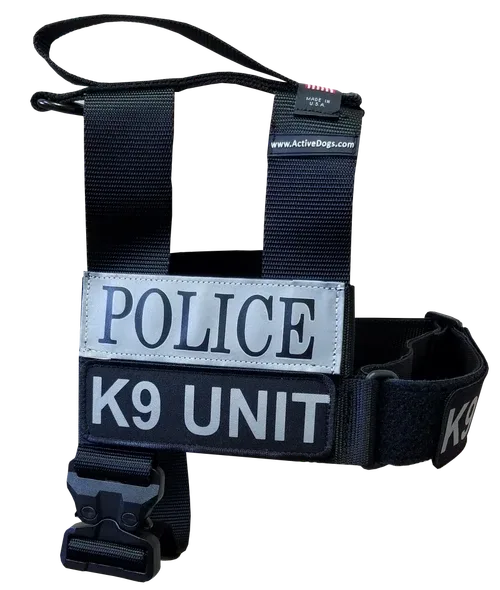
Nylon Patrol K9 Harness w/ GT Buckle
- Back-clip: good for calm dogs, allows natural movement
- Front-clip: helps with pulling and training
- Dual-clip: versatile for training and everyday use
- Specialty: tailored for specific activities like running or patrol work
Key Features to Look For
When shopping for an active dog harness, consider the materials, adjustability, and additional features. A durable, breathable fabric is essential for comfort during long outings. Look for padded chest and belly panels to prevent chafing.
Adjustable straps are a must to ensure a snug, secure fit. Some harnesses also come with reflective stitching for visibility during early morning or evening walks. Handles are a great addition for quick control or assistance.
For dogs that work or train, consider a harness with a tactical or molle system, like the CaliberDog K9 Tactical Ballistic Vest Level III-A. This allows you to attach pouches or other gear, making it perfect for search and rescue or police work.
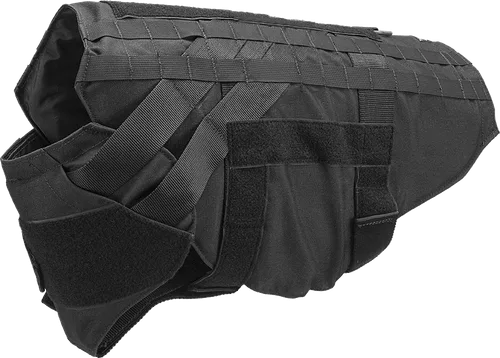
CaliberDog K9 Tactical Ballistic Vest Level III-A
- Breathable, durable fabric for all-weather use
- Padded areas to prevent rubbing
- Reflective details for safety in low light
- Handles for added control
- Modular systems for attaching gear
How to Measure Your Dog for the Perfect Fit
A properly fitted harness is crucial for both comfort and effectiveness. Here's a simple step-by-step guide:
1. **Measure the Girth:** Use a soft tape measure around the widest part of your dog's chest, just behind the front legs. This is the most important measurement.
2. **Measure the Neck:** Measure around the base of the neck where the collar normally sits.
3. **Check the Size Chart:** Refer to the manufacturer's size chart, as sizes can vary between brands. When in doubt, size up and adjust.
4. **Adjust the Straps:** Once you have the harness, adjust all straps so you can fit two fingers snugly between the harness and your dog's body. Make sure it doesn't restrict movement.
Remember, a harness that's too loose can slip off, while one that's too tight can cause discomfort and chafing. Always re-check the fit as your dog grows or changes weight.
- Measure girth and neck for accurate sizing
- Use size charts and adjust straps for a snug fit
- Recheck fit regularly, especially for growing puppies
Top Harness Recommendations for Active Dogs
Based on your dog's needs, here are some top picks from our store:
For a durable, all-purpose harness that offers excellent control, the Nylon Patrol K9 Harness w/ GT Buckle is a solid choice. It's built tough for active dogs and features a sturdy GT buckle for quick release.
If you're looking for a harness that can carry extra gear, the CaliberDog K9 Tactical Ballistic Vest Level III-A is ideal. It's designed for professional use and offers both protection and modular attachment points.
Don't forget to pair your harness with the right accessories. A well-fitted collar, like the Nylon Dog Collar 5/8", can complement your harness for identification and everyday use.
Choosing the right harness for your active dog is an investment in their safety and your peace of mind. Consider your dog's activities, measure carefully, and look for quality materials and features. With the right harness, you and your furry friend can tackle any adventure together.