Quick answer
For training, choose small, low-calorie, and healthy dog treats that your dog finds irresistible. Aim for treats that are no larger than a pea, contain natural ingredients, and are free from artificial additives. This keeps your dog motivated without ruining their diet.
Why treat size matters in training
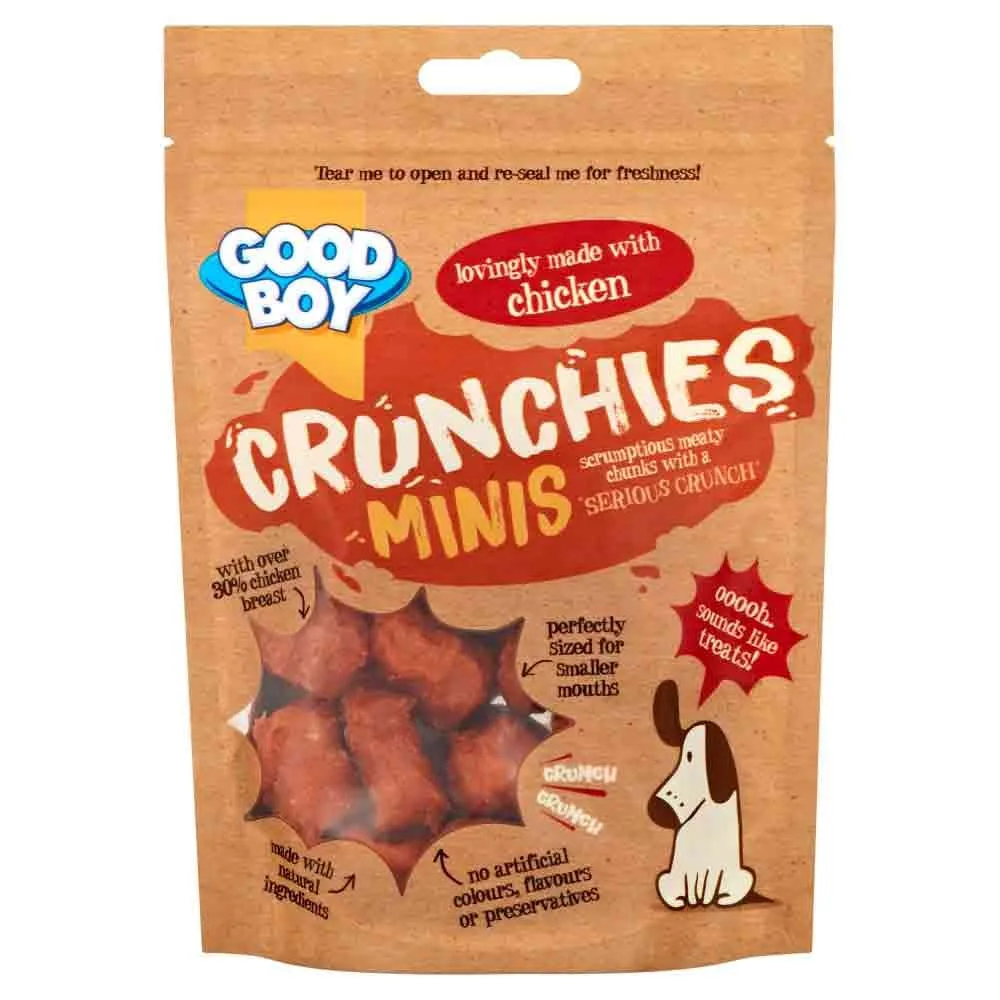
During training sessions, you might give your dog dozens of treats. If each treat is large or high in calories, you can easily overfeed your dog, leading to weight gain and reduced motivation. Small training treats, like Good Boy Crunchies Minis, are perfectly sized for smaller mouths and allow you to reward frequently without overloading on calories. They also keep your dog's attention focused on the task rather than on chewing a large treat.
Look for low-calorie and healthy ingredients
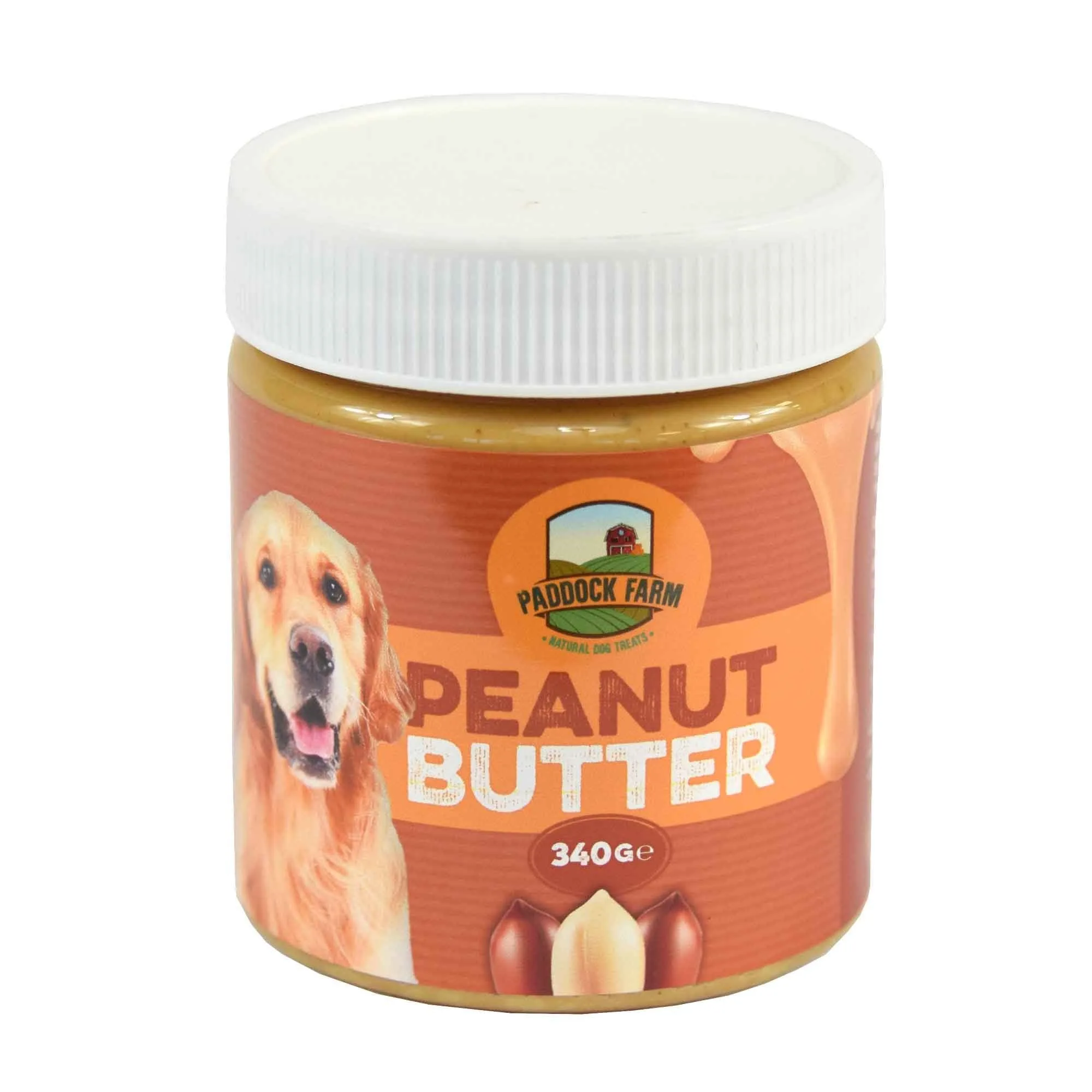
The best training treats for dogs are low in calories and made with wholesome ingredients. Check the label for natural sources of protein, like chicken, and avoid treats with artificial colours, flavours, or preservatives. Healthy dog treats for training should also be free from harmful additives like xylitol, which is toxic to dogs. A treat like Paddock Farm Peanut Butter for Dogs offers a natural, protein-rich option that is free from palm oil, xylitol, salt, and added sugars, making it a safe and tasty reward.
Consider the training context
The type of training you're doing influences the treat you choose. For high-distraction environments, you need treats that are extra smelly or tasty to keep your dog's focus. Soft treats are easy to break into tiny pieces and are quickly consumed, while crunchy treats can be satisfying for dogs that like to chew. For most training, a small, soft treat that you can break into even smaller bits is ideal. If your dog is on a restricted diet, always check with your vet before introducing new treats.
Steps to pick the perfect training treat
- Check the size: Look for treats that are small, ideally no bigger than a pea. If the treat is too large, break it into smaller pieces before starting your session. Mistake to avoid: giving large treats that fill your dog up quickly and slow down training.
- Read the ingredient list: Choose treats with a named protein source (like chicken) and natural ingredients. Avoid artificial colours, flavours, preservatives, and harmful sweeteners like xylitol. Checkpoint: if you can't pronounce an ingredient, your dog probably doesn't need it.
- Count the calories: Compare the calorie content per treat. Training treats should be low in calories so you can reward generously without exceeding your dog's daily energy needs. Mistake to avoid: overfeeding treats that add up to a full meal's worth of calories.
- Test the appeal: Offer the treat to your dog before a training session. If your dog sniffs it and walks away, it's not motivating enough. Try a smellier or tastier option. Checkpoint: a treat that your dog loves will keep them engaged and eager to learn.
- Adjust for your dog's needs: If your dog has allergies, weight issues, or a sensitive stomach, choose treats that align with their dietary restrictions. When in doubt, consult your vet. Next step: keep a variety of treats on hand to rotate and maintain your dog's interest.
Training treats we recommend
- Good Boy Crunchies Minis Dog Treats - Small Breed - Chicken - 60g: Good Boy Crunchies Minis Dog Treats have over 30% natural chicken breast, are made with natural ingredients, are perfectly sized for smaller mouths, and contain no artificial colours, flavours, or preservatives. These small, crunchy treats are ideal for frequent rewards during training without adding unnecessary calories or artificial ingredients. The resealable packaging also keeps them fresh for multiple sessions.
- Paddock Farm Peanut Butter for Dogs - 340g: Paddock Farm Peanut Butter for Dogs is made from roasted peanuts, naturally packed with protein, healthy fats, fibre, folic acid, and magnesium. It is free from palm oil, xylitol, salt, and added sugars. This peanut butter can be used as a high-value training reward, especially for dogs that love peanut butter. You can spread a small amount on a spoon or lick mat for a low-calorie, healthy treat that keeps training fun.