Quick answer
For pet owners, the safest room spray uses pet-safe essential oils like Lavender and Chamomile, avoids phenols and synthetic fragrances, and is designed specifically for use around animals. Look for a product labeled pet-safe and check the ingredient list for gentle, natural components.
Why pet-safe ingredients matter
Dogs and cats process essential oils differently than humans. Certain oils—especially those high in phenols like tea tree, cinnamon, or clove—can be toxic to pets, even when diffused or sprayed. A room spray labeled as pet-safe has been formulated with oils that are generally recognized as safe for animals, such as Lavender and Chamomile.
Even with safe oils, concentration matters. Room sprays are typically more diluted than concentrated essential oil blends, which lowers the risk. Still, never spray directly on your pet or their bedding, and ensure the room is well-ventilated.
Natural vs. synthetic room sprays
Many conventional air fresheners rely on synthetic fragrances and phthalates, which can irritate a pet's respiratory system. A natural room spray uses pure essential oils and plant-based ingredients, making it a gentler choice for homes with pets. The trade-off is that natural sprays may have a softer scent that fades faster than synthetic counterparts.
If you need a longer-lasting scent, you can reapply a natural spray as needed. The peace of mind from avoiding harsh chemicals is worth the extra spritz for most pet owners.
How to read a room spray label
Start by checking for a clear "pet-safe" or "safe for pets" claim on the front of the bottle. Then flip to the ingredient list. Look for recognizable essential oil names (like Lavender, Chamomile, or Frankincense) and avoid anything that lists "fragrance" or "parfum" without specifying the source. Also watch for warnings about phenols or essential oils that are known irritants.
If the brand provides a list of oils used and their safety profile, that is a good sign of transparency. Edens Garden, for example, clearly labels their Good Pet Calming Essential Oil Room Spray as pet-safe and lists the soothing oils inside.
Decision rules for choosing a pet safe room spray
- Check the essential oil list: Only choose a room spray that uses oils known to be safe for pets, such as Lavender, Chamomile, Frankincense, or Cedarwood. Avoid sprays containing tea tree, cinnamon, clove, wintergreen, or peppermint. If the label does not list the oils, contact the brand or choose another product.
- Confirm it is labeled pet-safe: Look for explicit wording like "pet-safe" or "safe for pets" on the packaging. A general "natural" or "organic" claim does not guarantee safety for animals. When in doubt, reach out to the manufacturer for their safety testing details.
- Avoid synthetic fragrances and phthalates: Synthetic fragrances can trigger allergies or respiratory issues in pets. Opt for sprays that use only pure essential oils and plant-based carriers. A shorter, recognizable ingredient list is usually safer.
- Consider the scent strength and longevity: Natural room sprays tend to be milder and fade faster than synthetic ones. If you need a longer-lasting scent, you can reapply, but never overspray in a small enclosed space with your pet present. Start with one or two spritzes and observe your pet's reaction.
Product facts
-
Good Pet Calming Essential Oil Room Spray - Natural and Pet-Safe: This room spray combines pet-safe Lavender and Chamomile to help pets and humans unwind safely. It offers a natural, gentle option for calming stressed pets without exposing them to harsh chemicals or unsafe essential oils.
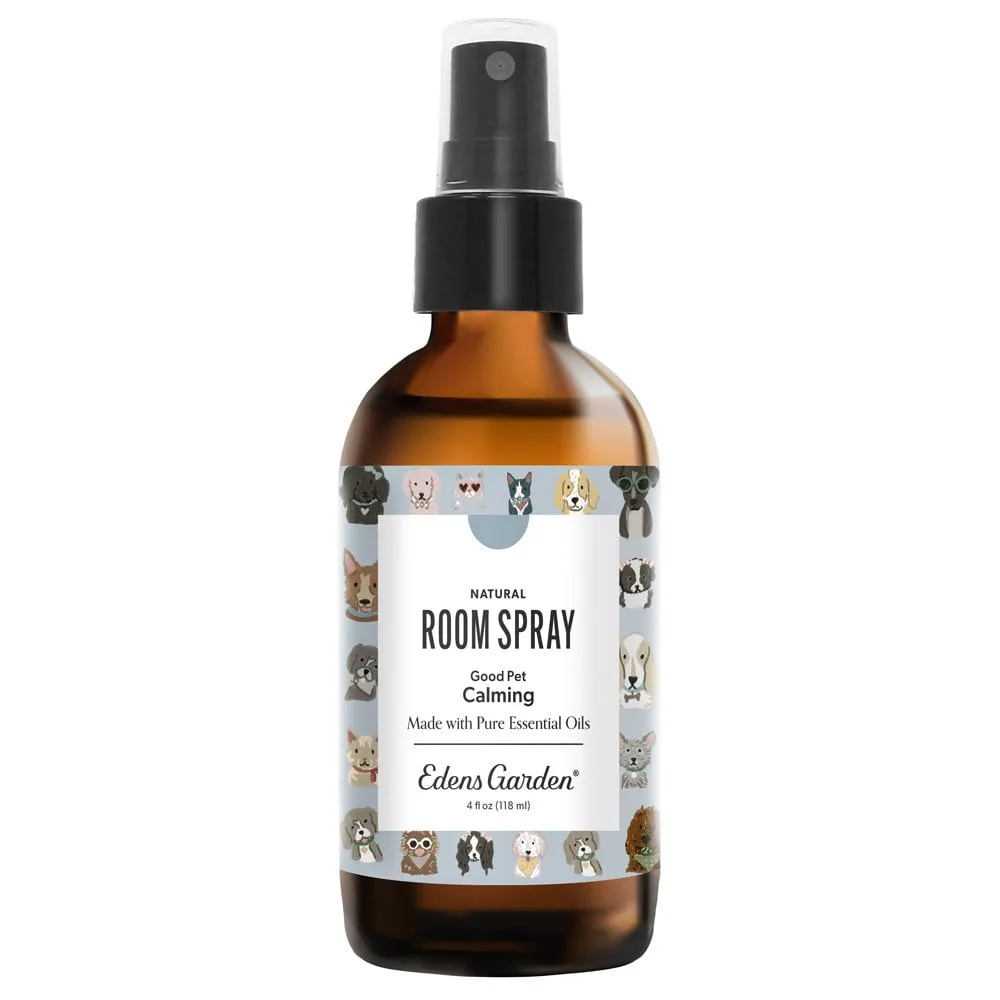
Good Pet Calming Essential Oil Room Spray - Natural and Pet-Safe
Who should use a pet safe room spray
Best for
- Pet owners who want to freshen their home without risking their animal's health
- Owners of dogs or cats that show signs of stress during storms, travel, or vet visits
- Households that prefer natural, plant-based home care products
Not for
- Pet owners who need a heavy, long-lasting synthetic fragrance
- Homes with birds, reptiles, or small mammals (these species are more sensitive; consult a vet first)