Quick answer
Choose a variable ND filter for run-and-gun shooting where lighting changes quickly, or a hybrid ND/PL filter when you want to reduce reflections while controlling exposure. Fixed ND filters work best for predictable, controlled scenes.
Variable vs. Fixed vs. Hybrid: What's the Difference?
Variable ND filters let you dial in the exact amount of light reduction by rotating the filter ring. This is ideal when you move between sunny and shaded areas without stopping to swap filters. The trade-off is that at very high densities, some variable filters can create an uneven cross pattern (X-effect) on wide-angle iPhone lenses.
Fixed ND filters offer a single, consistent density — for example, ND8 (3 stops) or ND64 (6 stops). They're optically simpler and avoid the X-effect, but you'll need to carry multiple filters for different conditions.
Hybrid ND/PL filters combine neutral density with a polarizer. They cut glare from water, glass, or foliage while also controlling exposure. This two-in-one design saves weight and threading, but you lose the ability to adjust polarization independently from density.
When to Use a Motion Variable Filter
If you shoot handheld or on a gimbal and frequently move from indoors to outdoors, a motion variable ND filter is your most flexible option. The SANDMARC Motion Variable Filter with Pro Case lets you adjust from roughly 1 to 8 stops of light reduction by rotating the ring, so you can maintain a cinematic 1/50s shutter speed at 24fps without changing gear.
When to Choose a Hybrid ND/PL Filter
For outdoor scenes with reflective surfaces — like shooting through car windows, over water, or near wet pavement — a hybrid ND/PL filter does double duty. The SANDMARC Hybrid ND/PL Filter with Pro Case combines a polarizer that cuts reflections with an ND layer that controls shutter speed. This is especially useful for travel vloggers who need to reduce glare and keep motion blur smooth in one setup.
How to Choose the Right ND Filter for iPhone Video in 4 Steps
- 1. Identify your shooting environment: Assess whether you'll be moving between bright and shaded areas (variable ND) or staying in one consistent light level (fixed ND). If you're near reflective surfaces like water or glass, consider a hybrid ND/PL. A common mistake is buying a fixed ND filter for run-and-gun shooting, then needing to stop and swap filters every time the light changes.
- 2. Determine your desired stop range: For cinematic 24fps video at 1/50s shutter, you typically need 2-6 stops of ND on a sunny day. Variable filters usually cover this range. If you need more than 6 stops, a fixed ND64 or ND1000 may be better. Check the filter's stop range before buying; some variable filters only go up to 5 stops, which may not be enough for very bright conditions.
- 3. Decide if you need polarization: If you shoot landscapes, water scenes, or through glass, a hybrid ND/PL filter eliminates the need to stack a separate polarizer. If you rarely deal with reflections, a pure ND filter is simpler and often sharper. Stacking a polarizer on top of an ND filter can cause vignetting on iPhone wide lenses; a hybrid avoids that issue.
- 4. Match the filter to your iPhone case system: Most iPhone ND filters require a compatible mounting case. SANDMARC Pro Cases provide a secure bayonet mount that keeps the filter aligned and prevents accidental rotation. Ensure the filter you choose lists your specific iPhone model. Using a filter without a proper case can lead to light leaks and soft focus; always buy the filter and case as a matched set.
Filters that make the choice easier
-
Motion Variable Filter - iPhone w/ Pro Case: Motion Variable ND Filter with Pro Case allows you to adjust your iPhone camera to any environment using multi-coated cinema glass. You can change exposure on the fly without swapping filters, making it perfect for run-and-gun video where lighting varies.
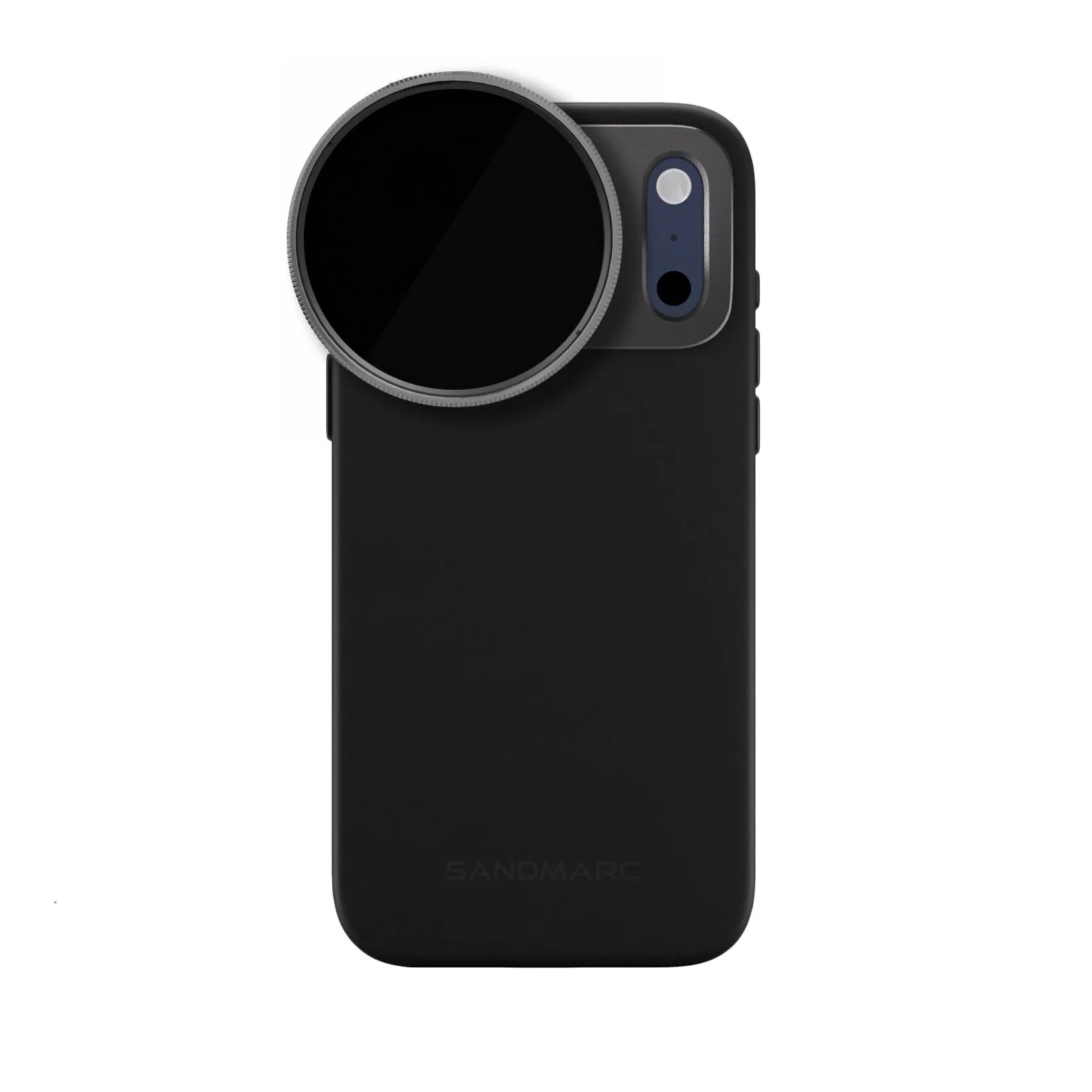
Motion Variable Filter - iPhone w/ Pro Case
-
Hybrid ND/PL Filters - iPhone w/ Pro Case: Hybrid ND/PL Filter with Pro Case combines depth of field control with vibrant colors and contrast, protecting from overexposure and improving high dynamic range. You get glare reduction and exposure control in one filter, saving time and avoiding the need to stack two separate filters on your iPhone.
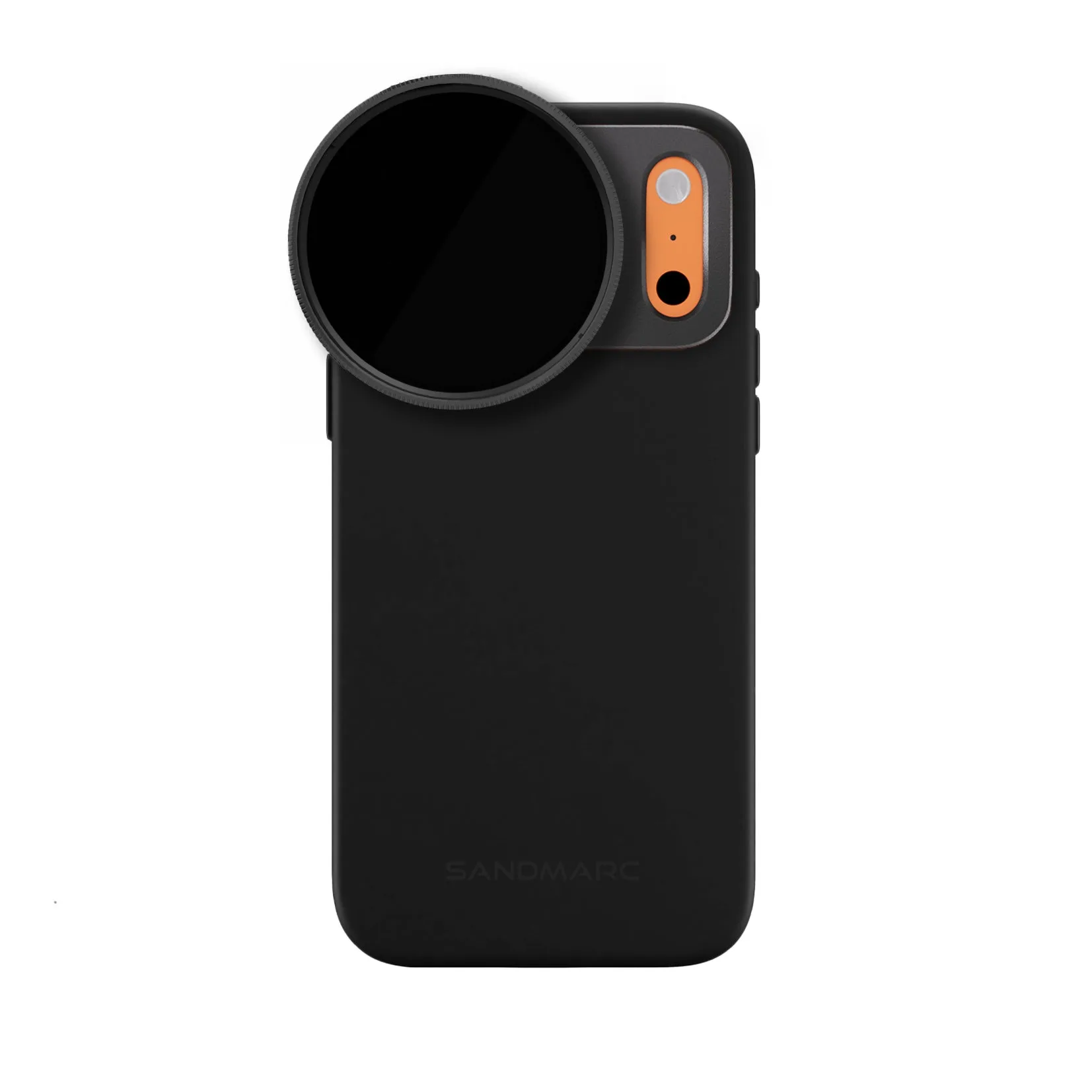
Hybrid ND/PL Filters - iPhone w/ Pro Case