Quick Answer
For warm, comfortable feet on the slopes, choose ski socks made primarily of merino wool with a snug but not tight fit. Aim for medium thickness for most conditions, and consider your boot's fit and the temperature. Avoid cotton and thick socks that can cause blisters and cold feet.
Skiing is all about enjoying the mountain, but cold, uncomfortable feet can ruin a day fast. The right ski socks are a small investment that pays off in warmth, comfort, and performance. Whether you're carving groomers or touring backcountry, your sock choice matters more than you might think.
In this guide, we'll break down what to look for in ski socks—from material and thickness to fit and care—so you can make a confident choice. We'll also highlight a couple of La Sportiva options that deliver on these principles.
Material Matters: Merino Wool vs. Synthetics
The most important factor in a ski sock is its material. Merino wool is the gold standard for good reason: it offers excellent insulation even when wet, breathes well, and naturally resists odor. It also regulates temperature, keeping your feet warm in cold conditions and preventing overheating on sunny days. Look for socks with a high merino content—ideally 60% or more—for the best performance.
Synthetic fibers like polyester and nylon are often blended with wool to add durability, stretch, and moisture-wicking properties. While 100% wool socks exist, they tend to wear out faster. A blend of merino and synthetics provides the perfect balance of warmth, comfort, and longevity. Avoid cotton at all costs: cotton absorbs moisture, loses insulation when wet, and can cause blisters and cold feet.
- Check the label for merino wool percentage—higher is usually better.
- Blends with nylon or polyester increase durability without sacrificing comfort.
Thickness and Weight: Matching Your Boot and Conditions
Ski socks come in different thicknesses, often categorized as lightweight, medium, or heavyweight. The right thickness depends on two things: the temperature and the fit of your ski boots. In warmer spring conditions or for high-intensity skiing, a thinner sock wicks moisture and allows better boot feel. For frigid days or if you tend to get cold feet, a thicker sock provides more insulation.
However, a common mistake is choosing socks that are too thick for your boots. Ski boots are designed to fit snugly around your foot; adding a thick sock can compress your foot, restrict circulation, and actually make your feet colder. It can also cause pressure points and blisters. Always match your sock thickness to your boot's volume—if your boots fit well with a thin sock, don't size up just for warmth. Instead, consider a warmer material or foot warmers.
- Test your socks with your ski boots before buying—bring them to a fitting or wear them when trying on boots.
- For extremely cold days, a medium-weight merino sock is often warmer than a thick cotton one because it maintains circulation.
Fit and Features: Snug but Not Restrictive
A proper ski sock should fit snugly without being tight. It should have no wrinkles or bunching, as these can cause blisters. Look for socks with a seamless toe or flat toe seams to minimize friction. The sock should also have some stretch to conform to your foot's shape without sagging or slipping.
Many ski socks feature additional padding in high-impact areas like the shin and heel, which can enhance comfort and protect against boot pressure. Some also have a lighter knit on the top of the foot for breathability. Consider these features based on your needs—for example, if you have sensitive shins, extra padding there is a plus.
- When trying on socks, ensure the heel is centered and there's no extra fabric at the toes.
- Socks with a left/right foot design can offer a better fit.
Caring for Your Ski Socks
To extend the life of your ski socks, wash them inside out in cold water with a mild detergent. Avoid fabric softeners, which can coat the fibers and reduce moisture-wicking. Air dry them; high heat in a dryer can shrink and damage merino wool. Proper care maintains the sock's insulating properties and fit.
- Store socks flat or rolled, not stretched over a hanger.
- Rotate between pairs to allow them to fully dry between uses.
Decision Rules for Choosing Ski Socks
- If you ski in cold climates or have poor circulation: Choose a medium-to-heavyweight sock with at least 60% merino wool. Ensure your boots have enough volume to accommodate the thickness without compression. Prioritize insulation, but verify boot fit.
- If you ski in mild conditions or do high-intensity touring: Opt for a lightweight or medium-weight sock that wicks moisture well. A merino-synthetic blend offers breathability and quick drying. Focus on moisture management to keep feet dry and comfortable.
- If you experience blisters or pressure points: Look for socks with seamless toes and targeted padding in problem areas. Ensure the sock fits snugly without wrinkles. Fit is critical—try socks with your ski boots.
La Sportiva Options for Warm, Comfortable Feet
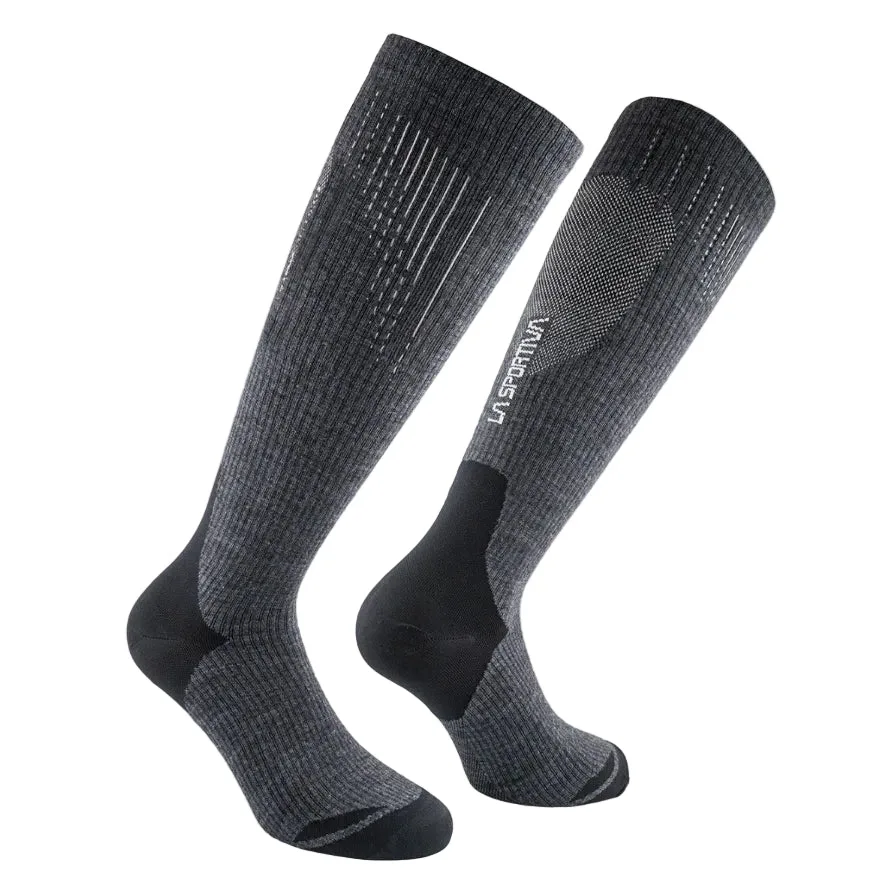
- Wool Tech Socks: Introducing our Wool Tech Socks – the ideal choice for ski alpinists seeking the perfect blend of performance and comfort. These socks feature a premium mix of wool and synthetic yarn, ensuring a snug fit, exceptional warmth, and superior breathability. This blend offers the warmth of wool with the durability of synthetics, making them a great all-round choice for ski touring and resort days. The snug fit and breathability help prevent overheating and blisters.
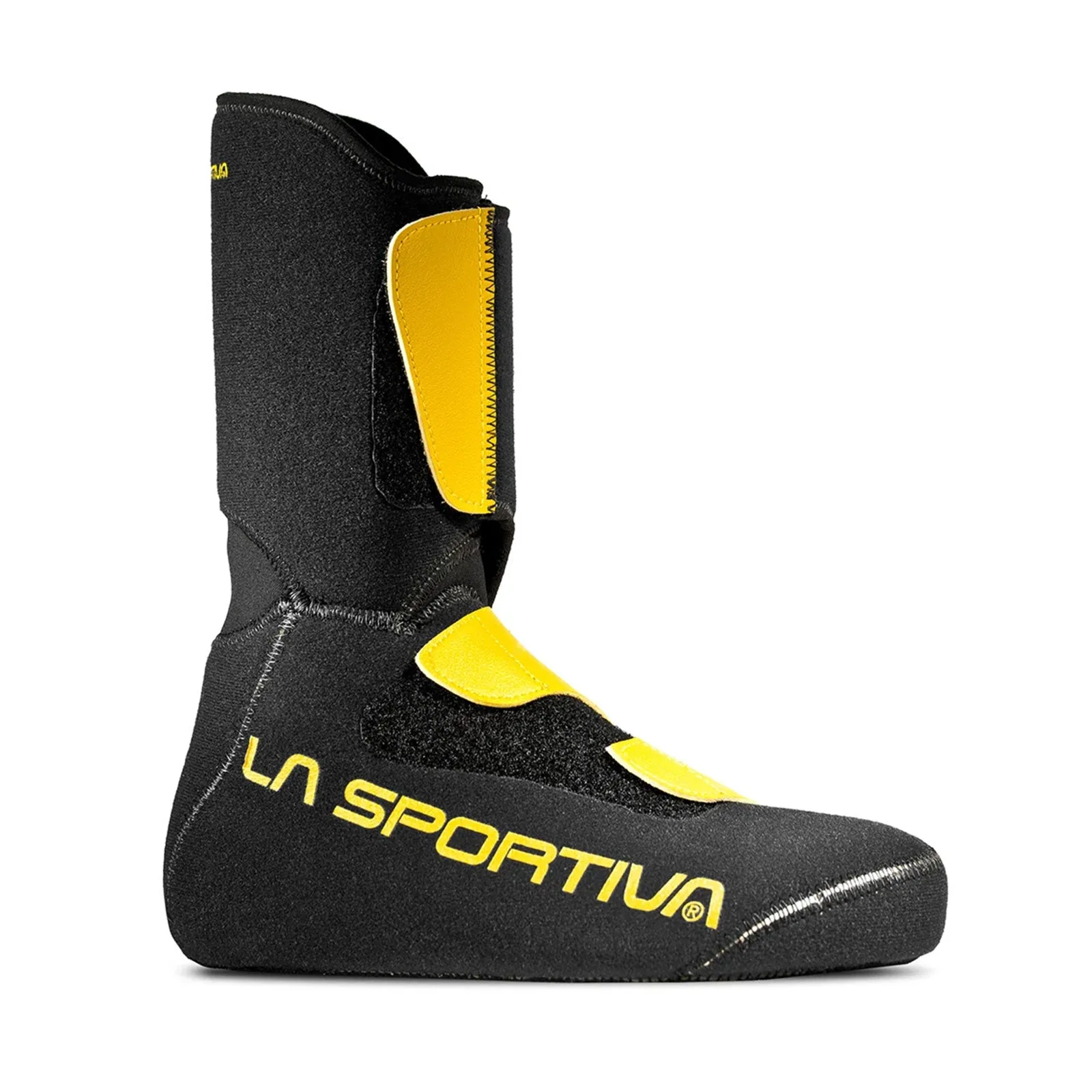
- Syborg Liner: The Syborg Boot Liner works with the La Sportiva Syborg ski mountaineering racing boot to provide additional warmth and comfort. If you own Syborg boots, adding a liner can significantly improve warmth and comfort, especially in cold conditions. It's a targeted solution for racers who need extra insulation without changing boot fit.
Best For vs. Not For
Best For
- Skiers who want a reliable, comfortable sock for all-day resort skiing
- Ski mountaineers and backcountry skiers who need breathability and moisture management during high output
Not For
- Skiers with very wide or high-volume feet who need ultra-thin socks to fit into narrow boots
- Those who prefer 100% synthetic socks for maximum durability and quick-drying in wet conditions
Choosing the right ski socks is about balancing warmth, fit, and moisture management. Prioritize merino wool blends for their natural performance, match thickness to your boots and the weather, and pay attention to fit to avoid blisters. With the right pair, your feet will stay happy from the first lift to the last run.