Quick answer
Choose a sleeping bag that matches the coldest temperature you expect to encounter, with an insulation type that suits your moisture tolerance and pack weight goals. For most backcountry hunters, a down bag with a comfort rating 10°F below the forecast low offers the best warmth-to-weight ratio, while synthetic bags are better for wet conditions.
Sleeping Bag Temperature Ratings: What They Really Mean
Temperature ratings are not guarantees of comfort. EN/ISO ratings include a comfort limit (for a cold sleeper) and a lower limit (for a warm sleeper). For backcountry hunting, use the comfort rating as your baseline. If you sleep cold or expect wet conditions, add a 10°F buffer. A bag rated to 20°F may keep you comfortable down to 30°F if you're a cold sleeper.
Insulation Type: Down vs. Synthetic
Down insulation offers the best warmth per ounce and packs down small, making it ideal for lightweight backcountry trips. However, down loses almost all insulating value when wet. Synthetic insulation retains warmth when damp and dries faster, but it is heavier and bulkier for the same warmth level. Choose down for dry, cold conditions and synthetic for wet or high-humidity environments.
Weight and Packed Size
Every ounce matters when you're packing miles into the backcountry. A sleeping bag's weight and packed size directly affect how much room you have for other gear like shelter, food, and clothing. Look for a bag that compresses small and weighs under 3 pounds for three-season use. For winter hunts, expect heavier bags, but prioritize compressibility to save pack space.
Fit and Shape
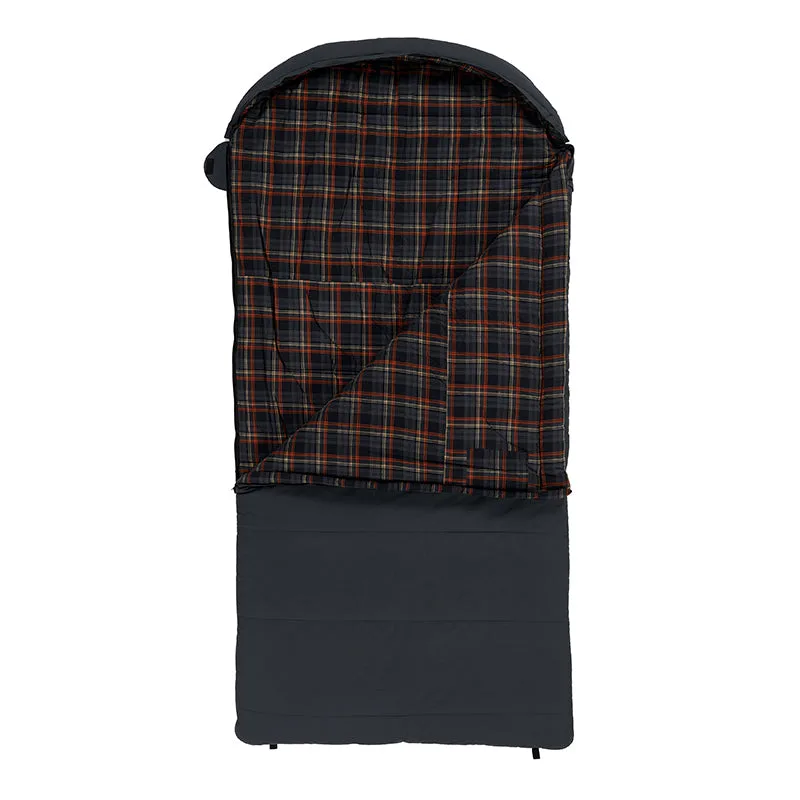
Mummy bags save weight and warmth by hugging your body, but they can feel restrictive. Rectangular bags offer more room but are heavier and less efficient. Semi-rectangular or spoon-shaped bags strike a balance for side sleepers. Make sure the bag is long enough to tuck your shoulders in without compressing the insulation at your feet.
Decision Rules for Choosing a Sleeping Bag
- Match the rating to the conditions: Use the comfort rating as your guide. If the forecast low is 25°F, choose a bag rated to 15°F or lower if you sleep cold. A 10°F buffer is a safe starting point.
- Choose insulation by moisture risk: Down for dry, cold trips; synthetic for wet or humid hunts. Down packs smaller and lighter, but synthetic works when wet. If you expect rain or condensation, go synthetic.
- Prioritize weight for long hikes: For multi-day backcountry hunts, a bag under 3 pounds saves energy. Sacrifice a few degrees of warmth for a lighter pack if needed. Every pound you save is a pound you don't carry.
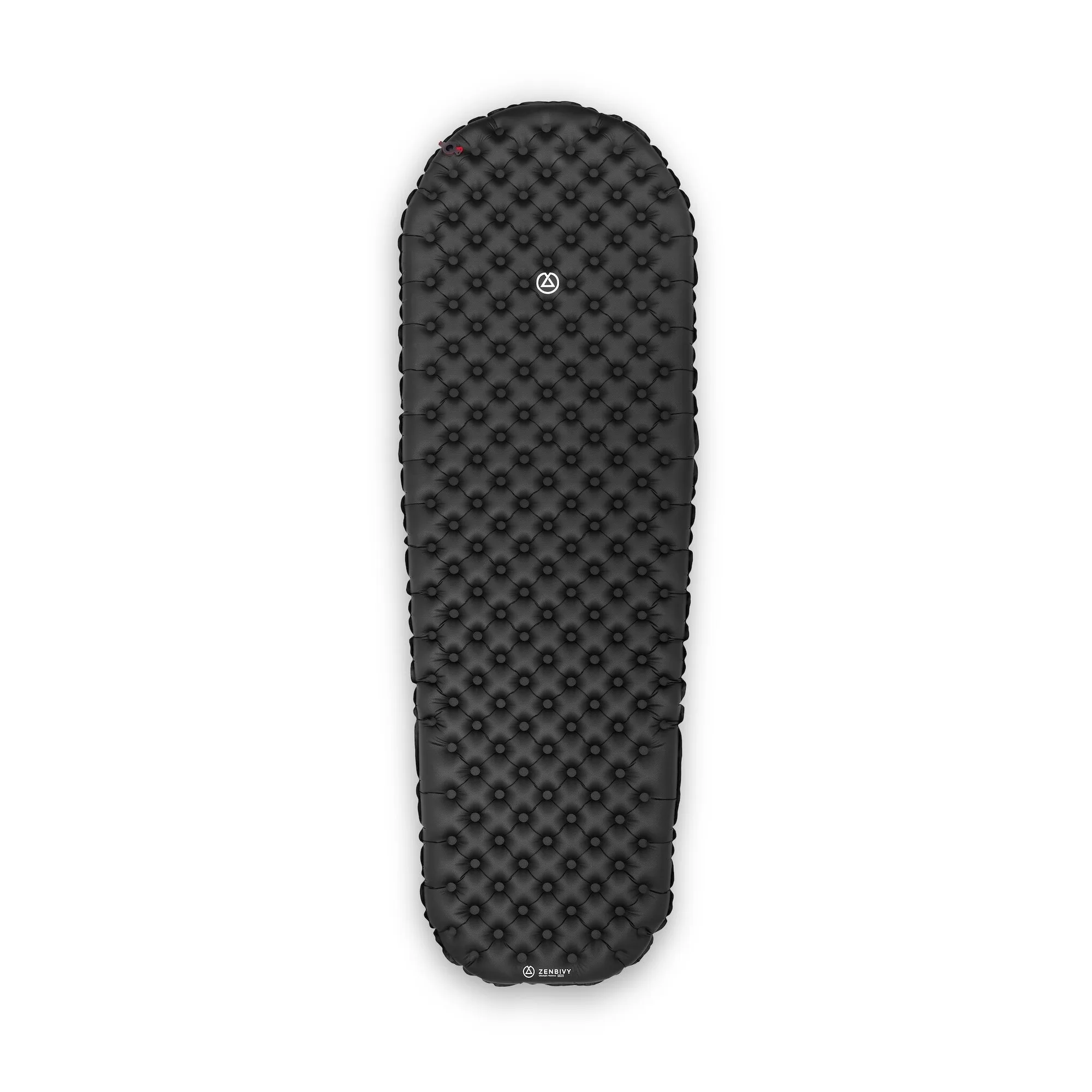
- Check the fit before you buy: A bag that is too short will compress insulation at the feet; one too long wastes warmth. Mummy bags are warmest but snug. Try the bag with your sleeping pad and layers.
Related Gear from PEAX
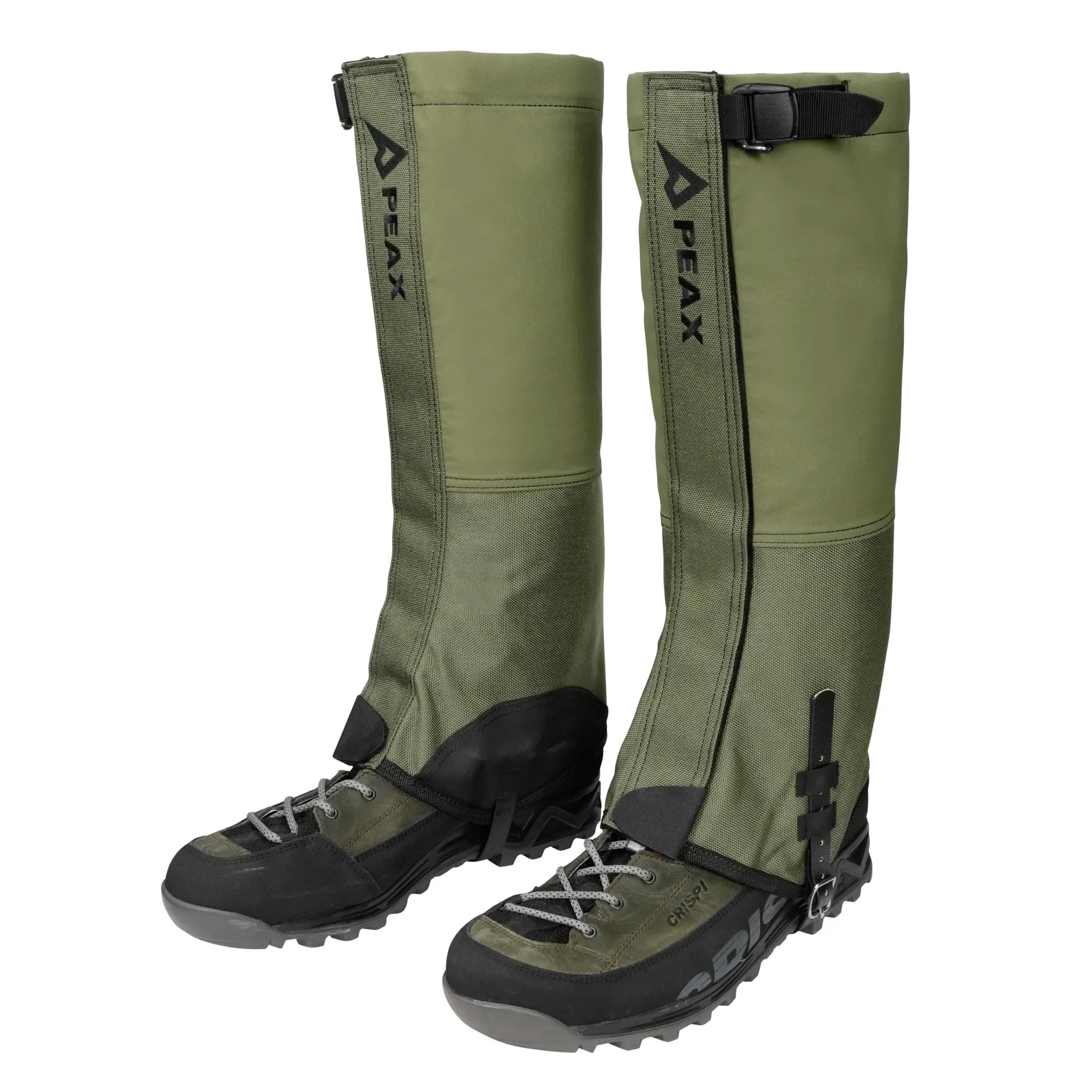
- STORM CASTLE HUNTING GAITERS: The PEAX Storm Castle is a hunting gaiter built to keep water, debris, and brush out of your boots while protecting your lower legs in rugged mountain terrain. Keeping your lower legs dry and debris-free helps you stay comfortable and focused when setting up camp or hiking in wet brush, complementing a dry sleeping bag.
- BOXED TEE: The BOXED TEE is made from premium tri-blend fabric (60% combed ring-spun cotton, 40% polyester) for maximum comfort and durability. A comfortable, moisture-wicking base layer under your sleeping bag helps regulate temperature and keeps you dry, improving sleep quality on cold nights.
Who This Guide Is For
Best for
- Backcountry hunters who carry their own gear and need a warm, packable sleep system
- Hunters who sleep in a range of conditions and want clear rules to compare options
Not for
- Car campers who prioritize comfort over weight and packed size
- Hunters who only hunt in consistently wet, above-freezing conditions (a synthetic bag or quilt may be better)