Quick answer
Choose a sleeping bag by matching its temperature rating to the coldest night you expect, then pick a shape and size that fits your body and sleeping position. If you camp in varied conditions, prioritize a versatile sleep system over a single bag. For car camping, comfort and room matter more than packed size.
A sleeping bag is not just a blanket with a zipper. The right one keeps you warm, comfortable, and rested so you can enjoy your trip. But the wrong one can leave you shivering or sweating, and no amount of camp coffee fixes a bad night's sleep.
This guide walks you through the key decisions: temperature rating, shape, insulation, and how your bag fits into a larger camping sleep system. You will also find concrete rules to apply whether you are a weekend car camper or a backcountry explorer.
Start with your camping style
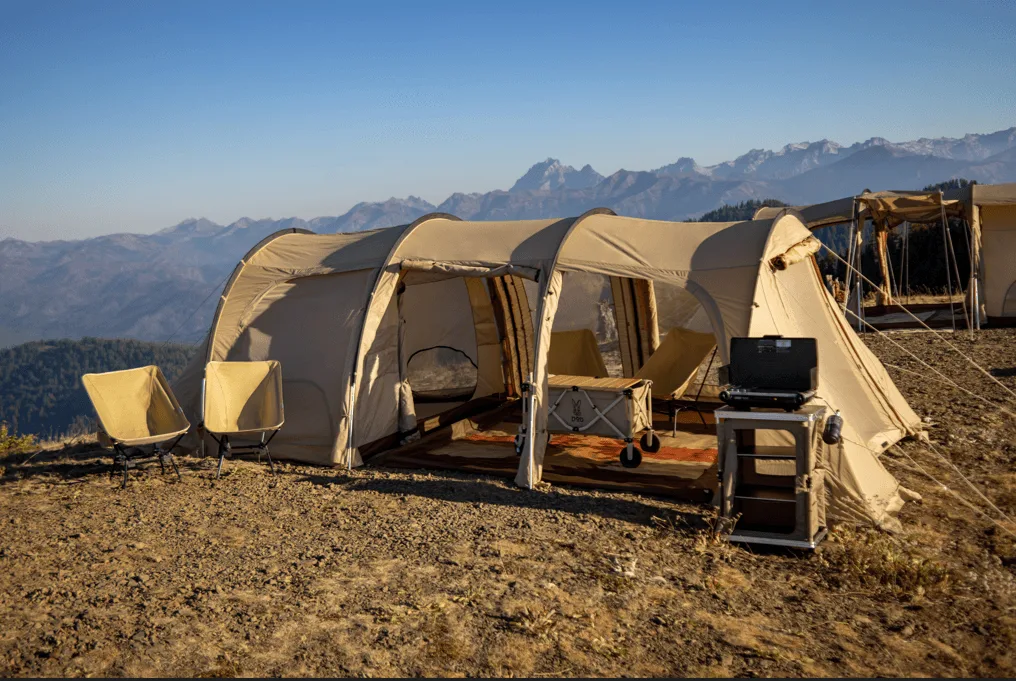
Your camping style determines what matters most in a sleeping bag. Car campers can prioritize comfort, roominess, and features like a cotton-flannel lining. Backpackers need to watch weight and packed size. Campers who pitch a large shelter, like the Kamaboko Super Tent (L), often have space for cots and bulkier bags, so they can trade some packability for extra comfort.
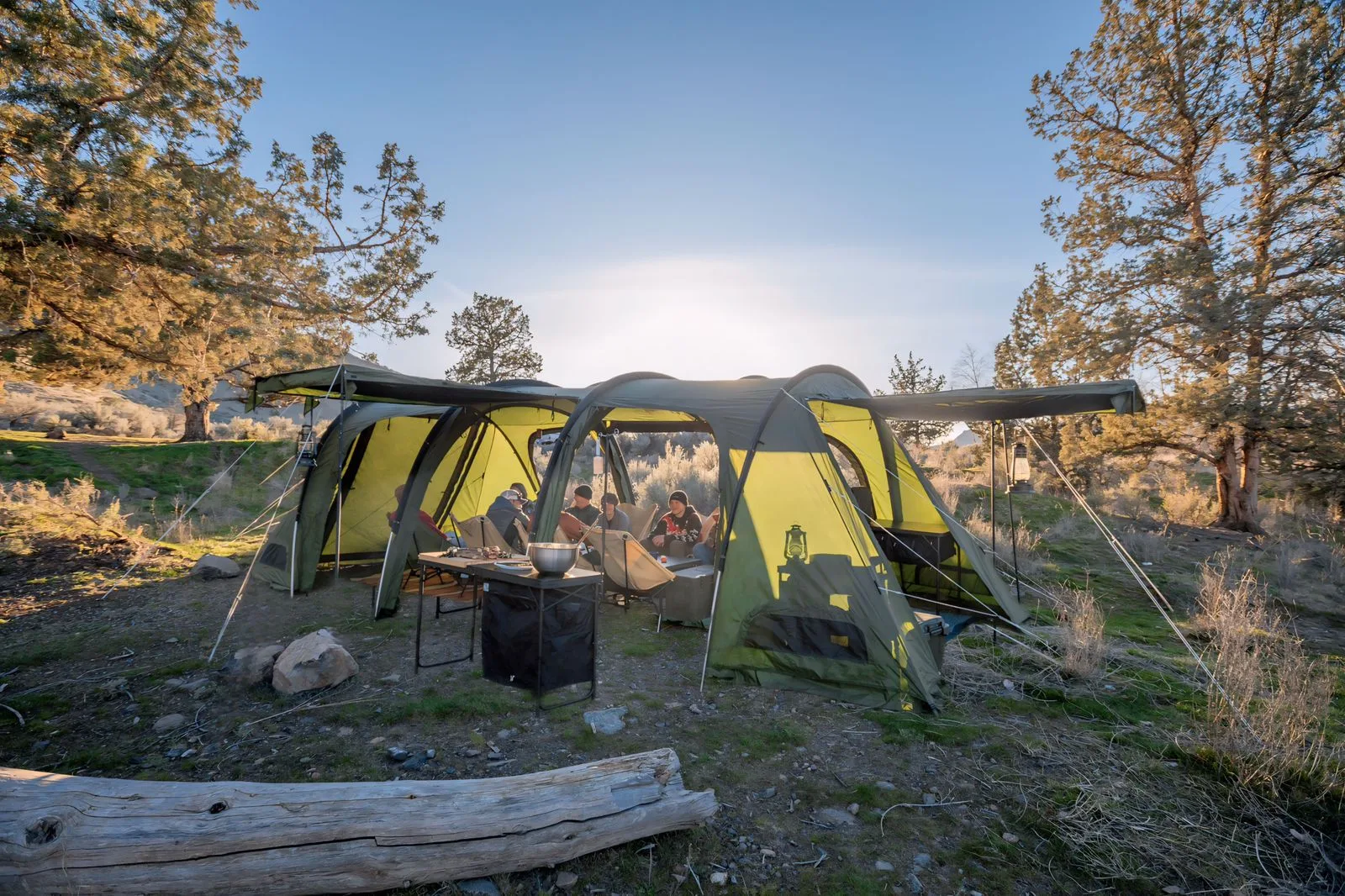
Kamaboko Super Tent (L)
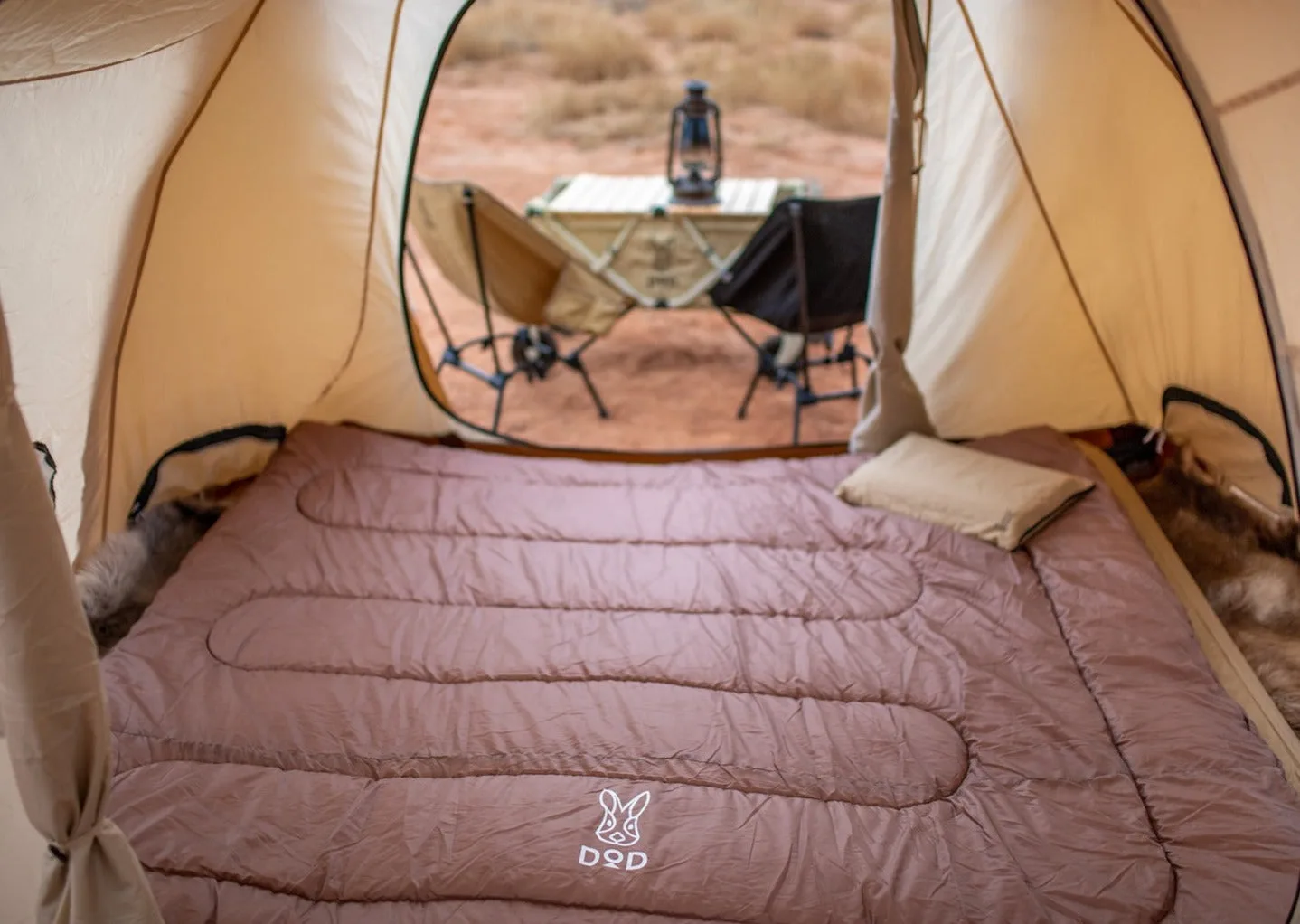
Think about where you sleep: on the ground, on a pad, or on a cot. The Kamaboko Super Tent (L) includes a sleeping chamber that sleeps 7 adults, and you can pitch smaller tents inside without rainflies. That kind of setup changes your bag choice because you are not fighting condensation or tight quarters. You can bring a wider, more relaxed bag and still sleep well.
- Car camping: prioritize comfort and durability over weight.
- Backpacking: every ounce counts, so look for compressible insulation.
- Base camp or large shelter: you can choose a roomier bag with more features.
Understand temperature ratings
Temperature ratings are the most important spec, but they are not standardized across all brands. A bag rated to 20°F might keep one person warm and leave another cold. Use the rating as a guide, not a guarantee. If you sleep cold, choose a bag rated 10–15°F lower than the expected low. If you sleep hot, you can stay closer to the rating.
Also consider what you wear to bed and what you sleep on. A sleeping pad with a good R-value insulates you from the ground, which is critical for staying warm. Without adequate insulation below you, even a well-rated bag will feel cold. Your bag and pad work together as a sleep system.
- Match the bag rating to the lowest temperature you expect, then subtract 10°F if you sleep cold.
- Check the comfort rating, not just the lower limit.
- Pair your bag with a pad that has an appropriate R-value for the season.
Choose the right shape and size
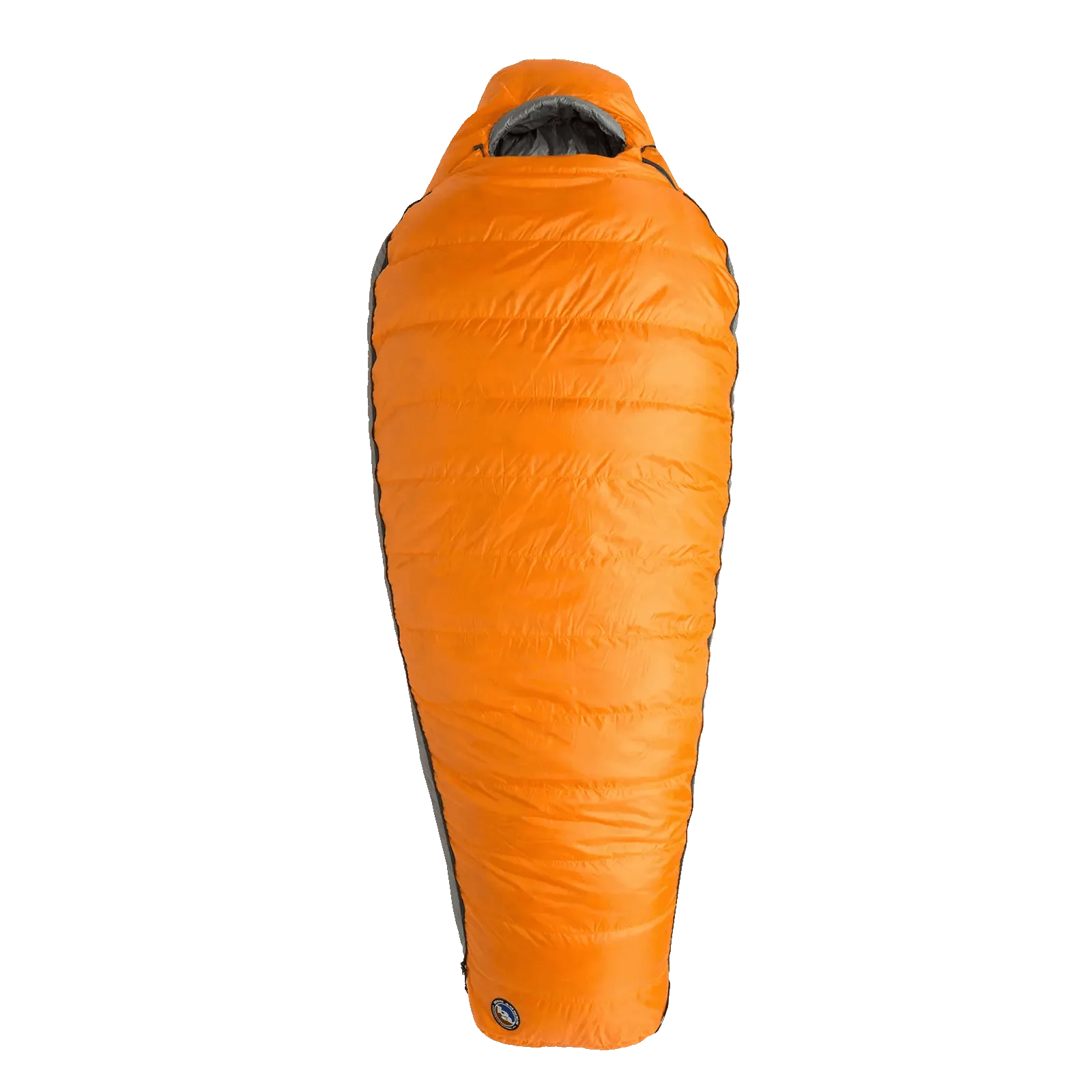
Sleeping bags come in three main shapes: mummy, rectangular, and semi-rectangular. Mummy bags are the most thermally efficient because they hug your body and leave less air to heat. Rectangular bags offer more room to move but are heavier and less warm for the same insulation. Semi-rectangular bags strike a balance, giving you space around the knees and feet.
Fit matters as much as shape. A bag that is too large will have extra air space that your body has to warm, making you feel colder. A bag that is too small will compress the insulation and restrict movement. Look for a bag that lets you lie flat and roll over without feeling restricted, but does not leave huge gaps around your shoulders or feet.
- Side sleepers: consider a semi-rectangular or rectangular bag for knee room.
- Stomach sleepers: a wider mummy or semi-rectangular bag works well.
- If you are between sizes, size up for comfort in mild weather, size down for warmth in cold weather.
Insulation and materials
Down insulation offers the best warmth-to-weight ratio and compresses small, but it loses loft when wet and costs more. Synthetic insulation retains some warmth when damp, dries faster, and is usually more affordable, but it is bulkier and heavier. For damp climates or casual car camping, synthetic is a practical choice. For cold, dry conditions where pack size matters, down is worth the investment.
Shell fabrics also affect performance. A water-resistant shell helps protect the insulation from condensation and light moisture. A breathable lining keeps you from feeling clammy. If you often camp in humid conditions, look for a bag with a breathable shell and synthetic fill.
- Down: lighter, warmer for the weight, but keep it dry.
- Synthetic: heavier, but forgiving if it gets wet.
- Check the shell for water resistance if you camp in damp environments.
Think about your sleep system
A sleeping bag is one part of a sleep system that includes your pad, pillow, and possibly a liner. If you already own a pad, choose a bag that complements its R-value. If you are starting fresh, consider buying a bag and pad together to ensure they work as a unit. Some campers add a liner to extend the temperature range of their bag or to keep the bag clean.
For campers who use a large tent like the Kamaboko Super Tent (L), you can create a comfortable base camp with cots and multiple bags. The tent's removable sleeping chamber sleeps 7 adults, so you can set up a family or group sleep system where each person has their own bag and pad. That flexibility is a big advantage for group trips.
- Match your bag's temperature rating with your pad's R-value.
- A liner can add warmth and keep your bag cleaner.
- In group tents, label bags and pads to avoid mix-ups.
Decision rules for buying a sleeping bag
- Rule 1: Match the rating to your coldest expected night: Find the lowest temperature you realistically expect to camp in. Choose a bag rated at least 10°F below that if you sleep cold, or right at that temperature if you sleep warm. Checkpoint: If you camp in three seasons, a 20°F bag is a versatile starting point.
- Rule 2: Prioritize fit over brand or price: A well-fitting bag keeps you warmer because your body does not have to heat extra air space. Try before you buy if possible, or check the bag's dimensions against your height and shoulder width. Checkpoint: You should be able to lie flat and roll over without compressing the insulation.
- Rule 3: Build a sleep system, not just a bag: Your pad, pillow, and liner all affect how warm you sleep. A bag alone cannot compensate for a poorly insulated pad. Choose a pad with an R-value suited to the season and your sleeping style. Checkpoint: If you sleep cold, invest in a higher-R pad before upgrading your bag.
- Rule 4: Consider your shelter and packing space: If you use a large tent like the Kamaboko Super Tent (L), you can bring a bulkier bag for extra comfort. If you backpack, prioritize compressibility and weight. Checkpoint: Car campers can choose comfort; backpackers must choose packability.
Product facts to know
- Kamaboko Super Tent (L): A Super Tent is a large camp shelter under which you can pitch several smaller tents or set up cots. The Kamaboko comes with a sleeping chamber that sleeps 7 adults, that attaches to the ribs and can easily be removed when not in use. If you camp with a group or family, this tent gives you the space to use bulkier, more comfortable sleeping bags and cots without feeling cramped.
- Kamaboko Super Tent (M): No catalog description supplied. The medium version may suit smaller groups, but without detailed specs, compare dimensions and features carefully before choosing between sizes.
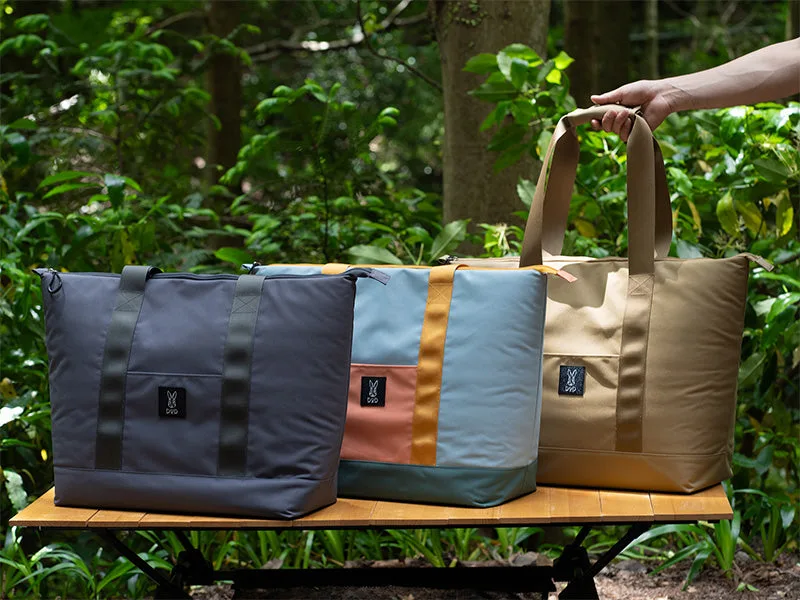
- Glacier Tote: This insulated tote will go everywhere with you. Keeps food cool when you're camping in the backcountry, picnicking at the beach, or bringing food home from the grocery store. A good sleep system includes staying fueled and hydrated. An insulated tote keeps food and drinks cold, so you can enjoy a comfortable camp kitchen setup.
Is this sleeping bag right for you?
Best for
- Campers who want a comfortable, roomy bag for car camping or base camp
- Group campers using a large shelter like the Kamaboko Super Tent (L)
- Three-season campers who need a versatile bag for mild to cold nights
Not for
- Ultralight backpackers who need the smallest packed size and lightest weight
- Winter campers facing extreme cold, who need a specialized expedition bag
- Campers who only sleep in warm summer conditions and want a minimal bag
Choosing the right sleeping bag comes down to matching the temperature rating to your conditions, picking a shape and size that fits your body, and building a sleep system that works together. Use the decision rules above to narrow your options, and remember that comfort and warmth are personal. If you camp with a group, a spacious shelter like the Kamaboko Super Tent (L) gives you the freedom to choose a bag for comfort rather than just pack size.