Quick answer
Match the brush head to the width of your pet's muzzle and the space behind the canine teeth, not to your pet's body weight. A head about as wide as the gap between the lower canines is usually right. For cats and small dogs, choose a compact head around 1 cm wide; for medium and large dogs, a head 1.5–2.5 cm wide with a longer handle works better.
Most dental problems in pets start along the gum line, and a brush that is too large cannot reach that area comfortably. The right toothbrush size is the one your pet will tolerate long enough for you to brush the outer surfaces of the teeth on both sides.
This guide gives you a practical sizing method, fit checks, and buying rules so you can pick a brush that actually gets used. It also covers when a finger brush or gauze is a better choice than a traditional handle brush.
Measure the mouth, not the dog
Body weight is a poor predictor of toothbrush size. A 10 kg dog with a narrow muzzle may need a smaller head than a 6 kg dog with a broad, flat face. Instead, look at the space between the lower canine teeth and the height of the muzzle. The brush head should fit between the canines without forcing the mouth open.
For cats and toy breeds, the head should be roughly 1 cm wide and low-profile so it can slide under the lip. For medium dogs, 1.5–2 cm is a good starting point. For large and giant breeds, 2–2.5 cm gives you enough surface area to cover the tooth quickly. If you are between sizes, size down rather than up.
- Use a soft-bristled brush; medium or hard bristles can irritate gums.
- Check that the head is no wider than the distance between the lower canines.
- A handle that is too long can be awkward for cats; a short handle can be hard to reach the back teeth in large dogs.
Match the brush type to your pet's tolerance
Handle brushes give the best cleaning angle and reach. They work well for dogs and cats that accept having their lips lifted and the brush moved along the gum line. A dual-headed brush, with a small head on one end and a larger head on the other, can be useful if you groom multiple sizes or want one tool for both sides of the mouth.
Finger brushes are a good fit for pets that dislike a handle near their face. They give you more tactile control but less reach, so they are less effective for the back molars in large dogs. Gauze wrapped around a finger is a low-cost starting point for cats and puppies, but it does not clean the gum line as thoroughly as bristles.
- If your pet clamps down, a finger brush or gauze reduces the risk of injury.
- For cats, a small head with a long, thin handle helps you reach the back teeth without opening the mouth wide.
- Replace the brush when bristles splay or after about three months of regular use.
Check the fit before you commit
Before buying online, test the fit with a soft measuring tape or a piece of string. Measure the width of your pet's muzzle just behind the upper canines, then compare that number to the brush head width listed on the product page. If the head is wider than that measurement, it will not sit comfortably along the gum line.
Also consider the angle of the handle. A straight handle works for most dogs, but an angled neck can make it easier to reach the upper back teeth in cats and small dogs. If you are unsure, choose a brush with a smaller head and a flexible neck; it will fit more pets and is easier to control.
- Measure the muzzle width behind the upper canines.
- Look for a head that is at least 0.5 cm narrower than that measurement.
- If you cannot find the head width, choose a brush labeled for cats or small dogs.
Trade-offs: price, durability, and multi-pet homes
A larger brush head cleans more surface area per stroke, which saves time for big dogs. The trade-off is that it can be too bulky for the back of the mouth and may cause your pet to pull away. Smaller heads take longer to cover the same area but are more precise and better tolerated by nervous pets.
Durability matters if you brush daily. Bristles that fall out or splay quickly are a sign of low-quality construction. For multi-pet homes, buying two sizes is often more practical than trying to make one brush work for all pets. Keep separate brushes for each pet to avoid cross-contamination, especially if one has dental issues.
- Large dogs: prioritize a wider head and a sturdy handle.
- Cats and small dogs: prioritize a small head and a thin, flexible neck.
- Multi-pet homes: label or color-code brushes so you do not mix them up.
Decision rules for toothbrush size
- Rule 1: Head width: Choose a head that is about the same width as the gap between your pet's lower canines, or slightly narrower. If the head touches both canines at once, it is too wide. When in doubt, size down.
- Rule 2: Handle length: For cats and small dogs, a handle 12–15 cm long gives you control without crowding the face. For medium and large dogs, a handle 18–20 cm long helps you reach the back molars. Match the handle to your reach, not the pet's size.
- Rule 3: Bristle softness: Always choose soft bristles. Medium or hard bristles can damage gums and wear down enamel, especially if you brush with pressure. Soft bristles clean effectively when used at a 45-degree angle to the gum line.
- Rule 4: Pet tolerance: If your pet resists a handle brush, switch to a finger brush or gauze for a few weeks. Once they accept the routine, you can reintroduce a handle brush with a small head. Consistency matters more than the tool.
Products that support a dental routine
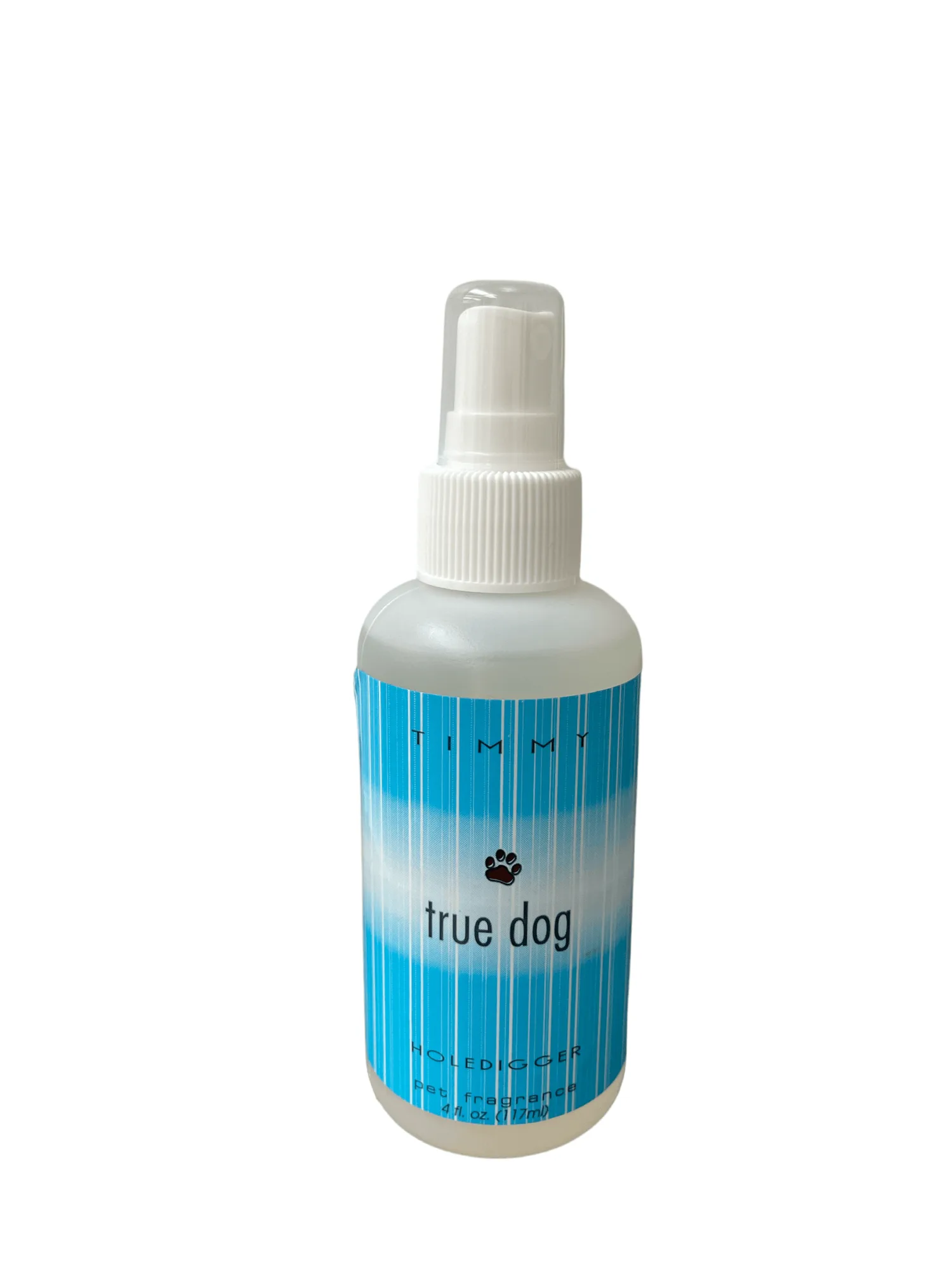
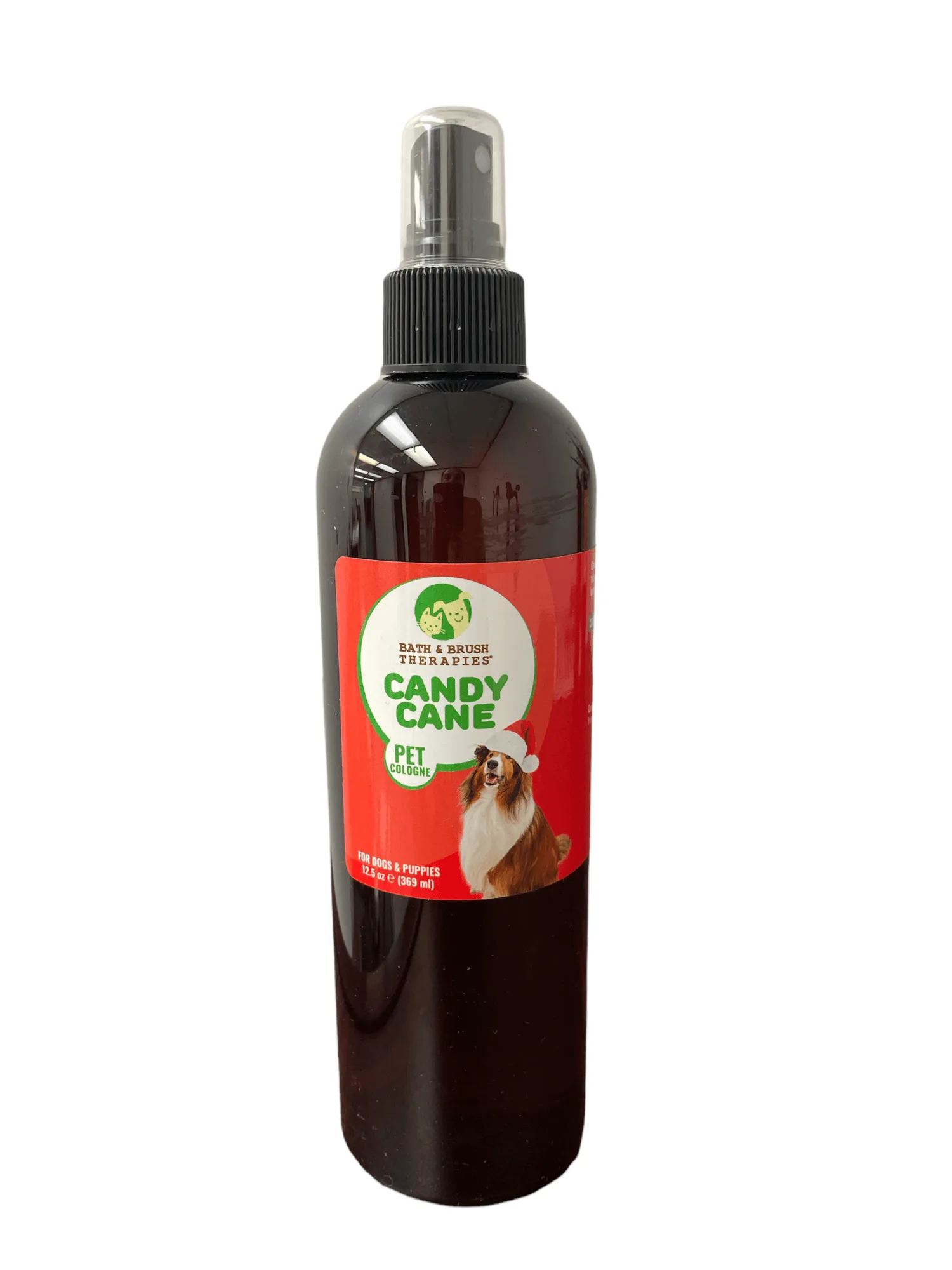
- Nature Labs True Dog by Tommy Designer Cologne-4oz.: True Dog by Tommy Designer pet cologne is the perfect finishing touch for your pup's beauty routine. Formulated with natural ingredients to fight odor and leave your pup smelling fresh for days, it's the perfect choice for every pet parent. A fresh-smelling coat after grooming makes the whole routine more pleasant, but it does not replace brushing. Use it as a finishing step after dental care, not as a substitute.
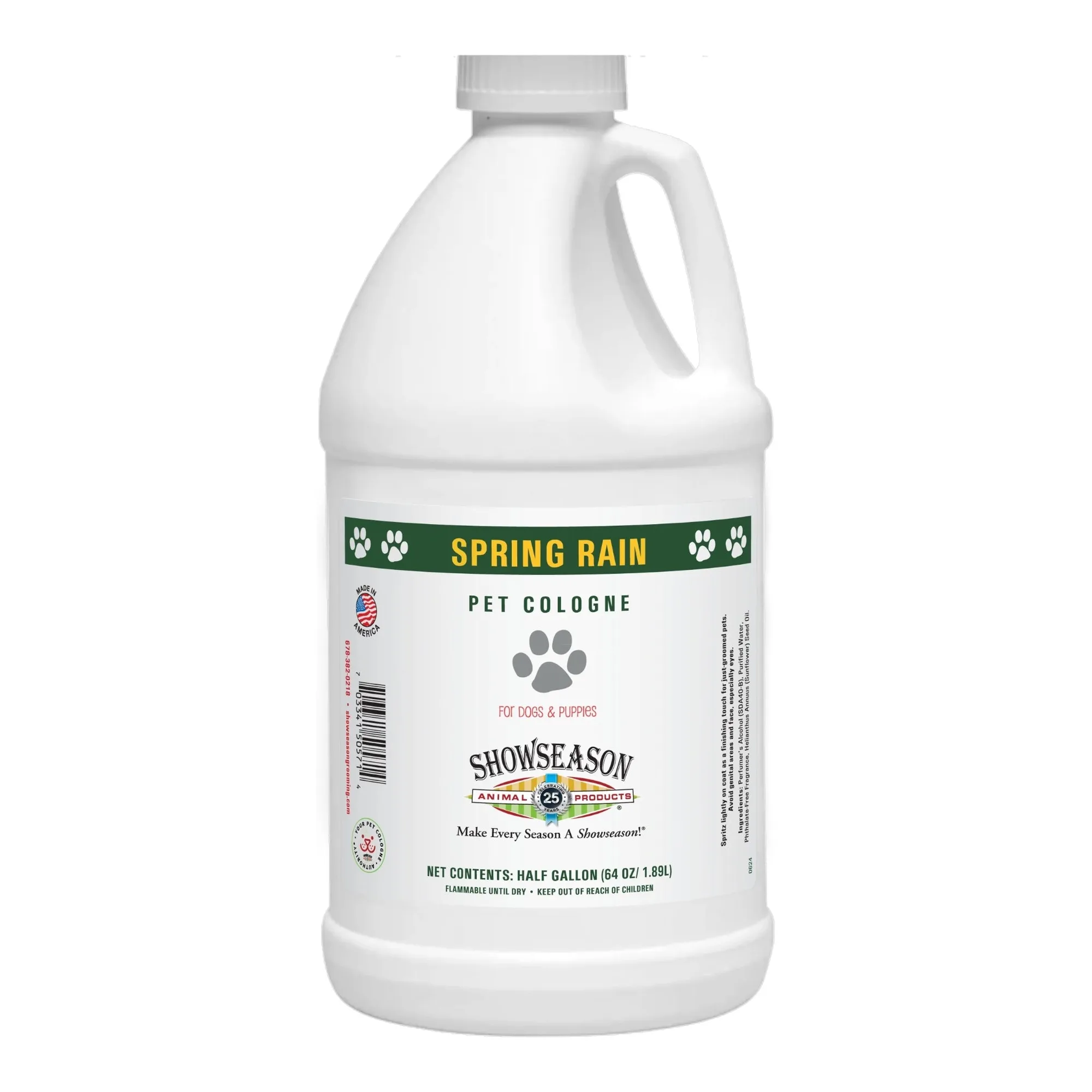
- Showseason Spring Rain 64oz: Spring Rain Pet Cologne is a sensual Hawaiian plumeria and intoxicating floral blend. This delicious scent is terrific at controlling pet odor between baths, giving the coat a fresh, clean aroma that lasts for weeks without overpowering you or the dogs keen nose. Easy to use spray: Say goodbye to messy oily sprays. If your pet's breath or coat odor is a concern, a cologne can help between baths, but it will not address plaque or gum disease. Pair it with consistent brushing for the best results.
Is this brush right for your pet?
Best for
- Pet owners who want a simple sizing method that works for both dogs and cats
- Multi-pet homes that need to choose two or three brush sizes
- Owners transitioning from gauze or finger brushes to a handle brush
Not for
- Pets with severe dental disease who need a veterinary dental exam first
- Owners looking for a single brush that fits every pet in the house
- Pets that bite down hard on objects; a finger brush or gauze is safer
The right toothbrush size comes down to measuring your pet's mouth and choosing a soft brush that fits comfortably between the canines. Start with a small head and a flexible handle, and adjust from there. If your pet has bleeding gums, loose teeth, or persistent bad breath, see your veterinarian before starting a brushing routine.