Quick Answer
To choose the right travel carrier, measure your pet's length and height, then add a few inches for comfort. Prioritize ventilation, secure closures, and easy cleaning. For air travel, check airline-specific requirements. Consider your pet's temperament and travel frequency to decide between soft-sided and hard-sided carriers.
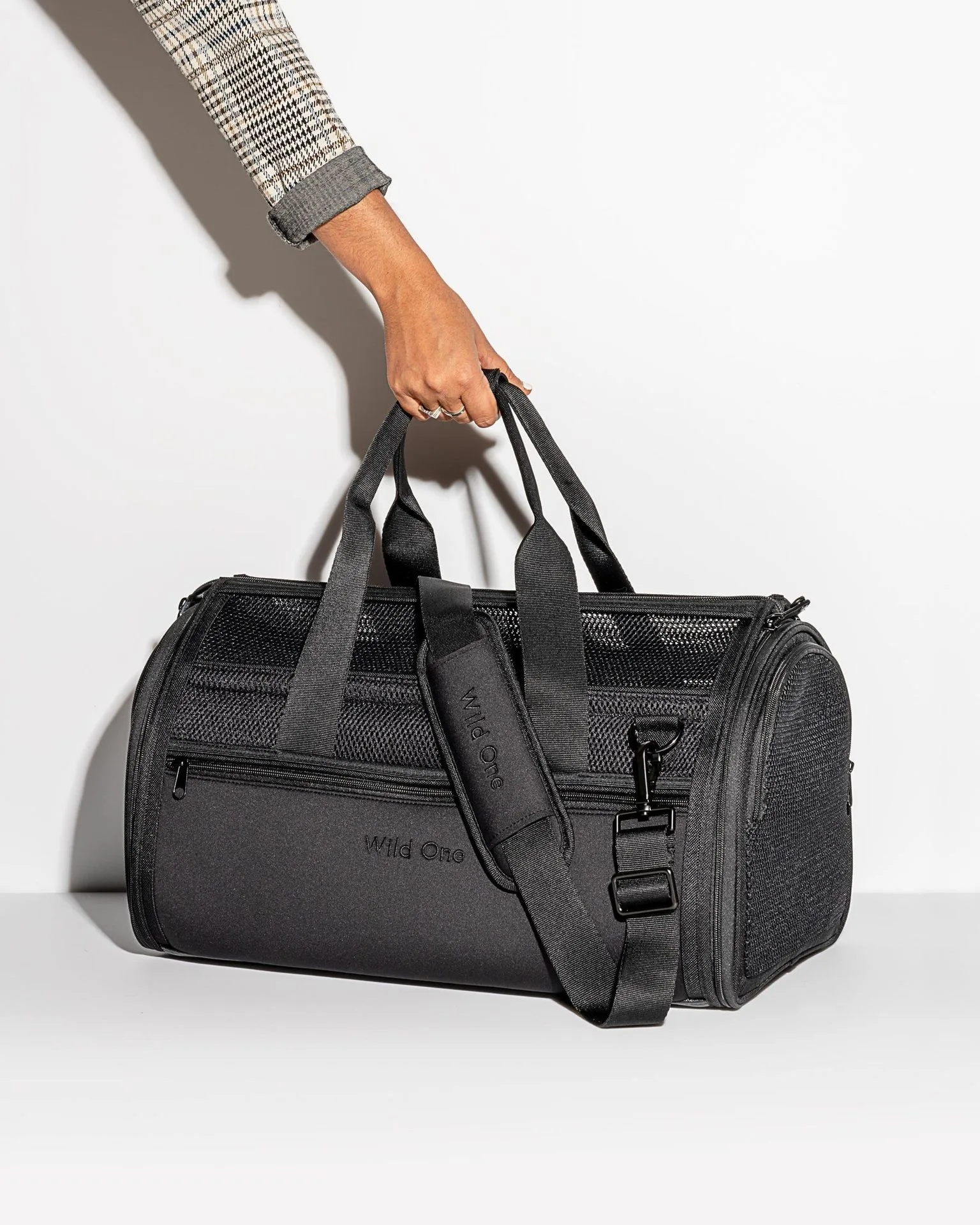
travel carrier
Traveling with your pet can be stressful, but the right carrier makes all the difference. Whether you're heading to the vet, on a road trip, or flying across the country, a carrier that fits well and keeps your pet safe is essential. This guide breaks down what to look for, how to measure your pet, and the trade-offs between different types.
We'll cover key decision rules, safety tips, and how to match a carrier to your pet's needs. By the end, you'll know exactly what to check before you buy.
Measure Your Pet First
Before you shop, measure your pet from the tip of the nose to the base of the tail (length) and from the floor to the top of the head (height). Add 2-4 inches to allow your pet to stand, turn around, and lie down comfortably. A carrier that's too small causes stress and discomfort; one that's too large can be unsafe in a car.
For cats, a carrier that opens from the top can make vet visits easier. For dogs, consider the breed's growth if you have a puppy. Always measure your pet while standing, not lying down.
- Measure length and height, then add 2-4 inches for comfort.
- For puppies, estimate adult size to avoid buying twice.
- Check airline size restrictions before measuring for air travel.
Soft-Sided vs. Hard-Sided Carriers
Soft-sided carriers are lightweight, easier to store, and often more comfortable for pets. They're great for car travel and for pets that like to snuggle. However, they offer less protection in a crash and may not be accepted by all airlines. Hard-sided carriers provide better protection and are easier to clean, but they're heavier and bulkier.
If you fly frequently, check if your airline approves soft-sided carriers. Many do, but they must be able to fit under the seat. Hard-sided carriers are a safer bet for anxious pets that might try to escape.
- Soft-sided: lighter, easier to store, but less protective.
- Hard-sided: sturdier, easier to clean, but heavier.
- For air travel, verify airline approval for the specific carrier.
Ventilation and Visibility
Good airflow is crucial to keep your pet cool and calm. Look for mesh panels on multiple sides. Visibility helps some pets feel secure, but others prefer a darker, cozier space. Consider your pet's personality: if they get anxious with lots of stimulation, choose a carrier with limited visibility.
Mesh windows also let you check on your pet during travel. Make sure the mesh is durable and escape-proof, especially for chewers.
- Mesh on at least two sides for airflow.
- For anxious pets, consider a carrier with a cover or partial coverage.
- Check that mesh is chew-resistant if your pet is a chewer.
Safety and Security
Carriers should have secure zippers or latches that your pet can't easily open. Look for reinforced seams and sturdy construction. For car travel, you'll need a carrier that can be secured with a seatbelt, or use a separate harness. Never leave a carrier unsecured in a vehicle.
For air travel, the carrier must meet IATA regulations and be leak-proof. Some carriers come with seatbelt loops or straps for added security.
- Test zippers and latches before buying.
- Use a seatbelt to secure the carrier in the car.
- For flights, ensure the carrier is IATA-compliant and leak-proof.
Cleaning and Maintenance
Accidents happen, so choose a carrier that's easy to clean. Removable, washable pads or liners are a plus. Hard-sided carriers can be wiped down, while soft-sided ones may need spot cleaning. Check if the carrier is machine-washable.
Regular cleaning prevents odors and keeps your pet healthy. Consider carriers with waterproof bases for easy cleanup.
- Look for removable, washable padding.
- Waterproof bases make cleanup easier.
- Check if the carrier is machine-washable or spot-clean only.
Decision Rules for Choosing a Travel Carrier
- Measure First: Measure your pet's length and height, add 2-4 inches, and compare to carrier dimensions. If your pet is between sizes, size up for comfort. A properly sized carrier prevents stress and injury.
- Consider Air Travel: If flying, check the airline's specific size and type requirements. Soft-sided carriers are often allowed but must fit under the seat. Hard-sided carriers must meet IATA standards. Verify before you buy to avoid surprises at the airport.
- Match to Your Pet's Needs: For anxious pets, choose a carrier with limited visibility and a secure feel. For curious pets, opt for more mesh and visibility. Ensure ventilation is adequate for your pet's size. The right carrier reduces travel anxiety.
- Prioritize Safety and Cleanliness: Look for secure closures, sturdy materials, and easy-to-clean features like removable pads or waterproof bases. For car travel, ensure the carrier can be secured with a seatbelt. Safety and hygiene make travel smoother.
Products That Make Travel Easier
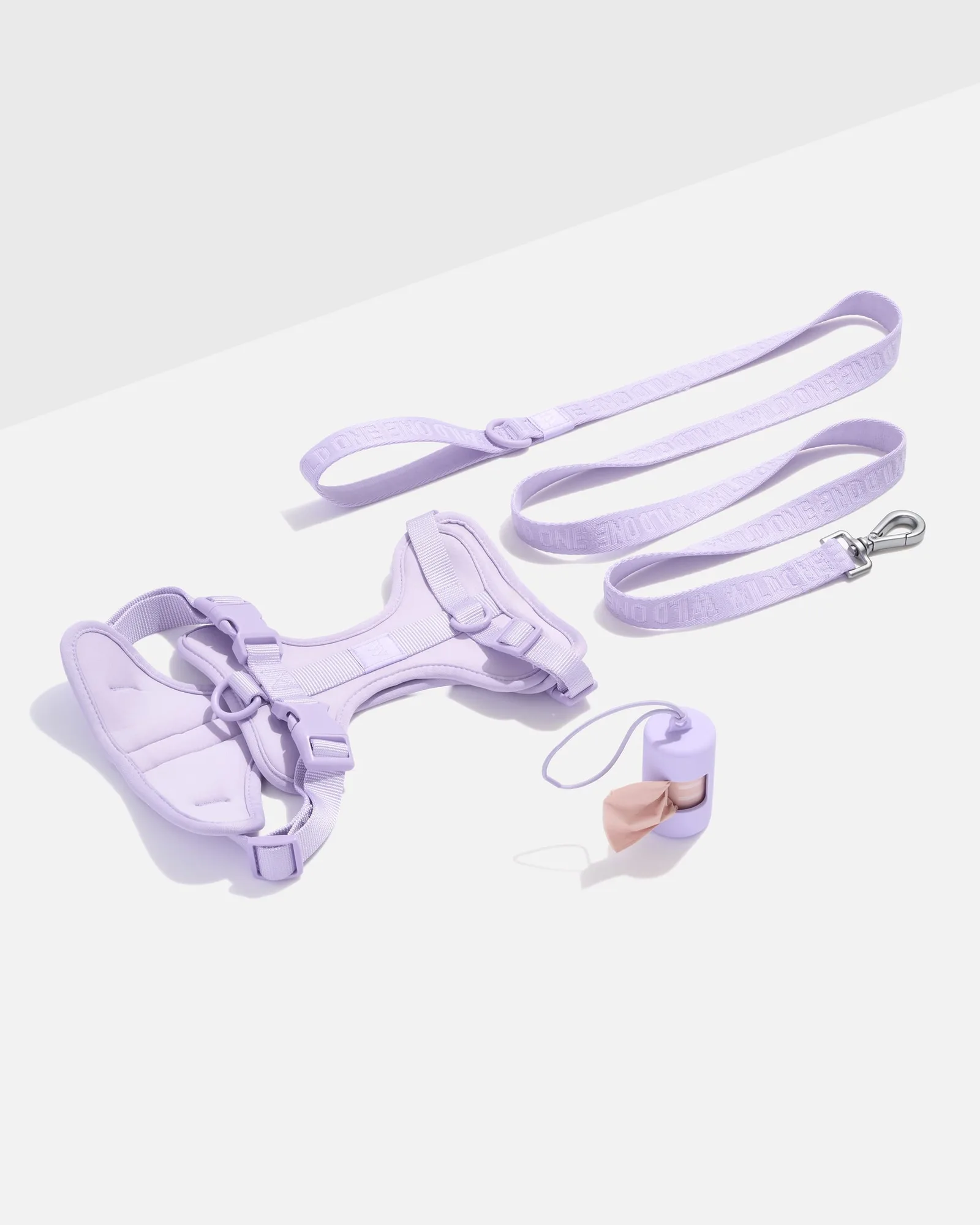
- Hands-Free Rope Dog Leash: Go hands-free and enjoy hassle-free adventures! This versatile 4-in-1 Rope Leash can be worn conveniently around your chest or waist for a hands-free experience, or traditionally with a handle as a short or long leash. The lightweight material ensures a comfortable grip, the design allows for quick adjustments, and secure clasps keep your dog safe. Built to look great and work even better on your outdoor adventures. When you're wrangling a carrier and luggage, a hands-free leash gives you an extra hand and keeps your dog secure during bathroom breaks or walks at rest stops.
- Custom Dog Tag: A sleek dog tag that looks nice and pairs perfectly with our collars and harnesses. With the Wild One 'W' on one side, and four lines to customize on the other. If your pet ever escapes from a carrier during travel, an up-to-date ID tag with your contact info is a critical safety net. Customize it with your phone number for peace of mind.
Who Should Choose What
Best for
- Frequent flyers who need an airline-approved carrier that fits under the seat.
- Pet owners who prioritize easy cleaning and durability for regular vet trips.
Not for
- Large dogs that exceed airline carrier size limits – consider a travel crate or specialized service.
- Pets that are extremely anxious and need a carrier with a hard shell for extra security.
Choosing the right travel carrier comes down to measuring your pet, understanding your travel needs, and matching the carrier to your pet's personality. Prioritize safety, ventilation, and easy cleaning. With these decision rules, you'll find a carrier that makes every journey comfortable for both of you. Safe travels!