Quick answer
Start by matching the lock to your bag's closure, not to a brand or a feature list. If your suitcase has two zipper pulls that meet at a single point, a small TSA-recognized combination zipper lock is the simplest, lightest choice. If you carry a hard-shell case with a built-in latch or a soft bag with no lockable pulls, skip the padlock and secure the contents with a cable lock through the frame or a lockable luggage strap instead.
A travel lock has one job: keep casual hands out of your bag between the curb and the carousel without turning a routine security check into a broken zipper. Most locks fail that job for a boring reason — they were bought for looks or brand loyalty instead of for the specific closure on the bag they were meant to protect.
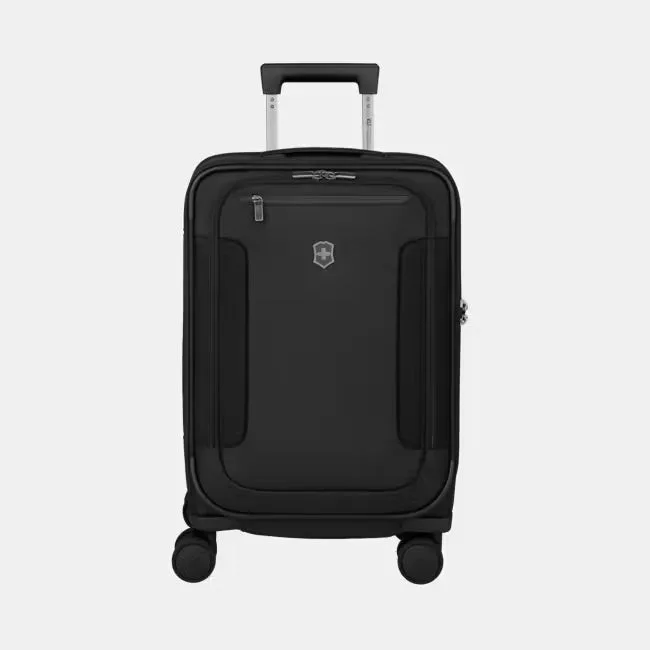
This guide walks through the real decision points: what kind of closure you have, whether you need TSA recognition or a keyed lock, how much shackle length your zipper pulls actually require, and when a lock is the wrong tool entirely. You will also see how lock choices interact with bags you may already own, like the Werks Traveler 7.0 Frequent Flyer Carry-On or the Subterra 2 Travel Backpack 26L.
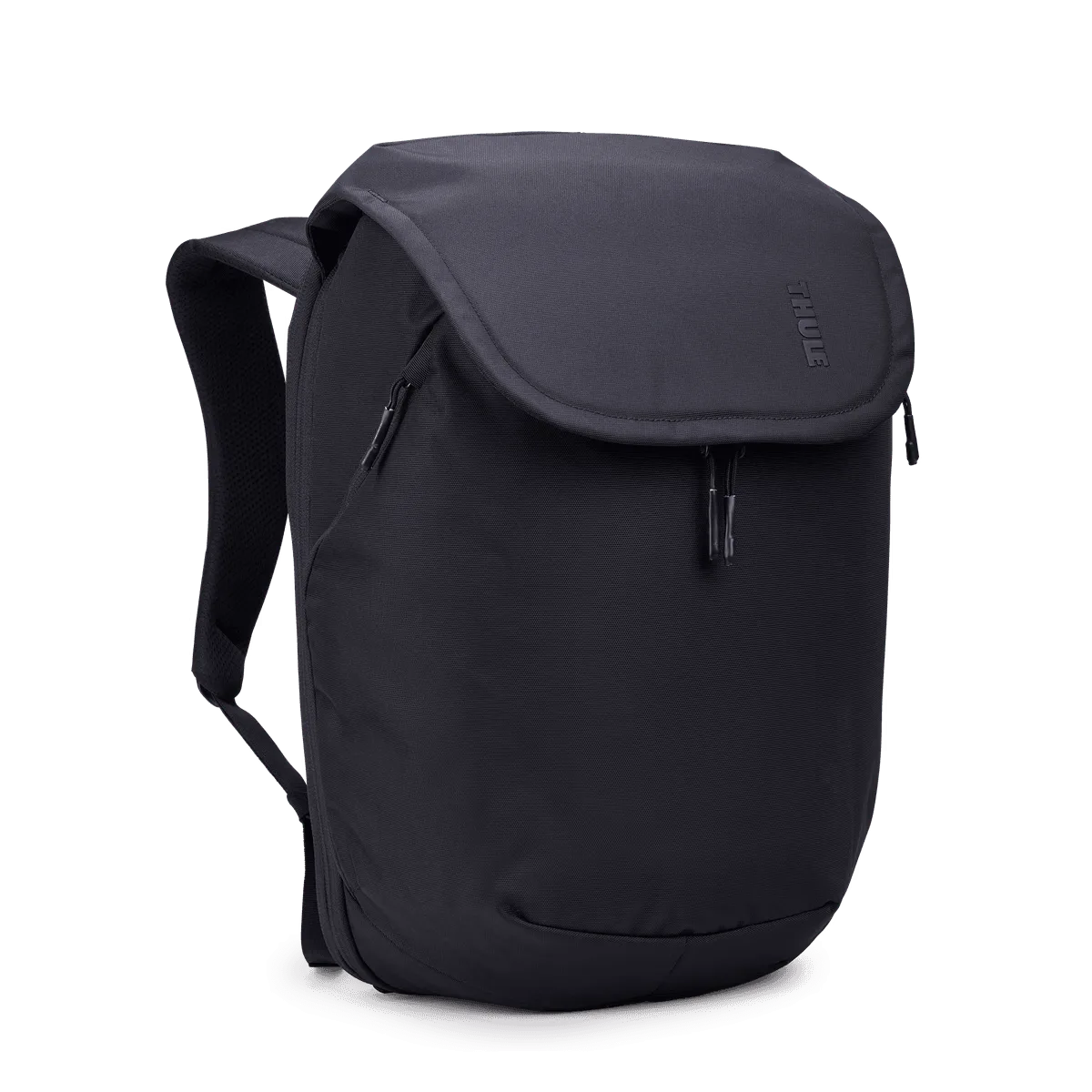
Subterra 2 Travel Backpack 26L
Match the lock to your bag's closure type
The single biggest mistake is buying a padlock for a bag that has no padlock-friendly point. Zippered softside luggage usually has two pulls that meet at a central point; a small combination lock with a short shackle threads through both and locks them together. Hard-shell cases often use a built-in TSA latch that is part of the shell, not an add-on. Bags with a single zipper pull, a flap closure, or a drawstring have no natural lock point at all.
Before you buy, zip your bag closed and look at where the pulls sit. If they meet and each has a molded loop or eyelet, a zipper lock for suitcase use will work. If they do not meet, or the pulls are fabric-only with no hole, a padlock has nothing to grab. In that case, a lockable strap around the whole bag or a small cable lock looped through the frame is more honest protection than a lock that dangles free.
- Two zipper pulls that meet at a central point: small TSA combination zipper lock.
- Built-in hard-shell latch: use the manufacturer's lock, not a padlock.
- Single pull or no eyelet: use a cable lock or lockable strap instead.
TSA recognition: what it actually buys you
In the United States, a TSA-recognized lock lets security officers open your bag with a master key instead of cutting the lock. That is the entire benefit. It does not make your bag theft-proof, and it does not guarantee that every officer has the key on hand. Outside the U.S., TSA recognition means nothing; some countries require different inspection access, and a TSA lock may still be cut if an officer cannot open it.
If you mostly fly domestic routes and check a bag, a TSA-recognized combination lock is the pragmatic default. If you travel internationally to destinations with different security rules, consider a lock that you can leave unlocked during inspection or a cable lock that lets you secure the bag to a fixed point in a hotel room. The lock is a deterrent, not a vault.
- TSA recognition helps only where TSA rules apply.
- A cut lock is cheaper to replace than a damaged zipper.
- For international trips, confirm the destination's inspection rules before relying on any lock.
Combination vs. key: pick by how you travel
A combination luggage lock removes the key from the equation, which matters if you are the person who loses small metal objects. The trade-off is that you must remember or record the code, and a three-dial lock has a limited number of combinations. A keyed lock is faster to open one-handed and easier to share with a travel companion, but a lost key means a cut lock or a locksmith.
For most leisure travelers, a resettable combination lock is the lower-stress choice. For business travelers who open a bag repeatedly in airports and hotels, a keyed lock or a lock with a quick-release mechanism can be faster. If you carry the Werks Traveler 7.0 Frequent Flyer Carry-On, which is designed around frequent access to belongings, a combination lock you can reset without tools keeps the routine simple.
- Combination: no key to lose, but you must remember the code.
- Keyed: faster access, but a lost key is a real problem.
- Resettable combination locks let you change the code after a trip if it was shared.
Fit guidance: shackle length, zipper pull size, and bag thickness
A lock that fits one bag may not fit another. Shackle length is the measurement that matters most: too short and it will not pass through both zipper pulls; too long and it swings, snags, and can be levered open. For standard softside luggage, a shackle around 1 to 1.5 inches is usually enough. For hard-shell cases with recessed lock points, you often need a shorter, thinner shackle or no padlock at all.
Also check the zipper pull itself. Molded plastic or metal pulls with a clear eyelet accept a standard shackle. Fabric pulls, cord pulls, and pulls with a sealed loop do not. If your bag has a removable packing cube system, like the Subterra 2 Travel Backpack 26L, remember that the cube may be carried separately; locking the main bag does not secure a cube you leave in a hotel room. Measure the gap between the two pulls when the bag is closed and choose a shackle that closes snugly without forcing the zipper.
- Measure the distance between the two zipper pulls when the bag is fully closed.
- Choose a shackle that closes with slight tension, not one that forces the zipper.
- If the bag has removable cubes or compartments, secure those separately or leave valuables out.
When a lock is the wrong tool
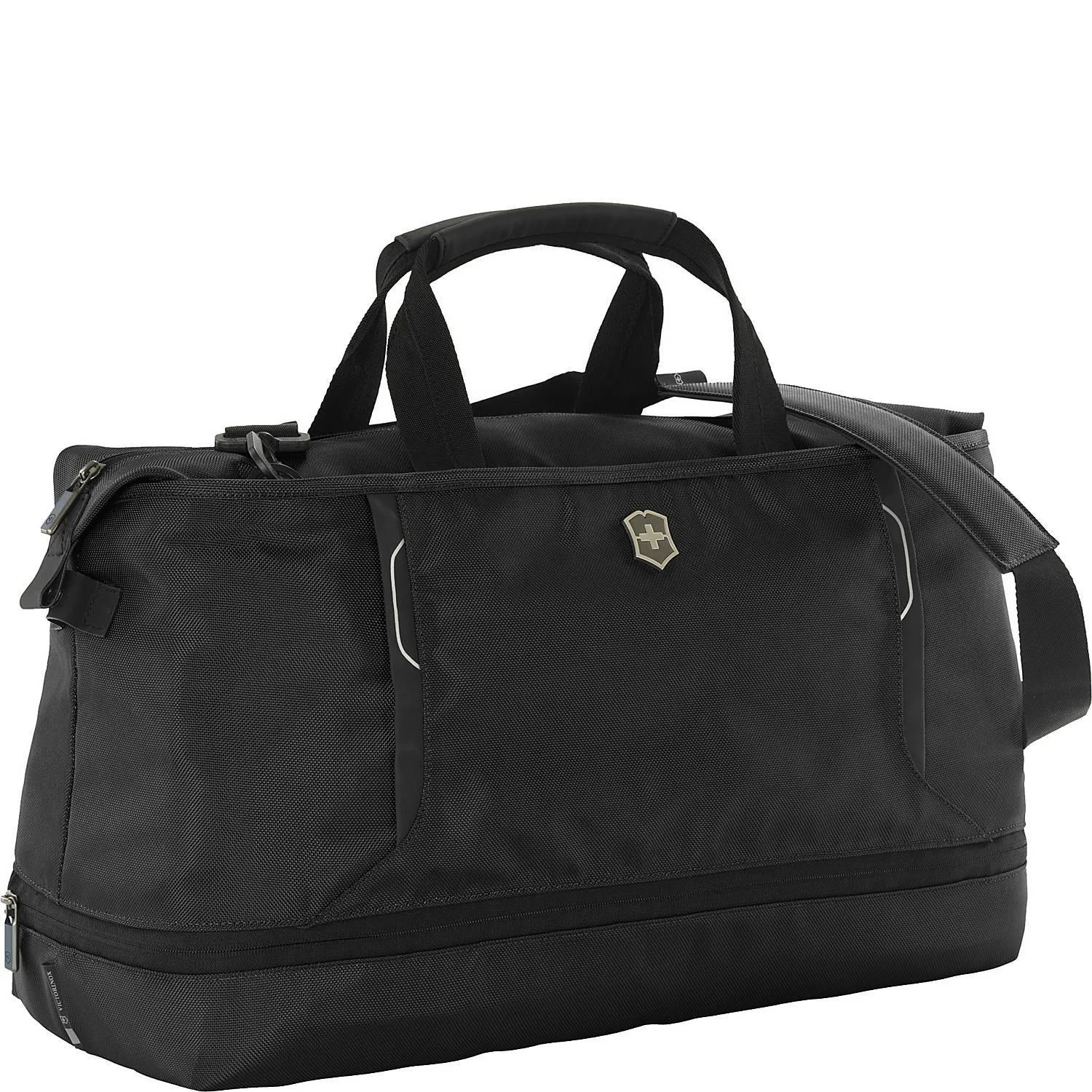
Some bags are not designed to be locked, and forcing a lock onto them creates a false sense of security. A sling or crossbody worn on your front, like the Anti-Theft Greenlander Compact Sling, already keeps contents against your body; a padlock adds weight and hardware without adding much protection. Similarly, a weekender tote with a single top zipper and no lock point, such as the Victorinox Werks Traveler 6.0 XL Weekender, is better secured with a lockable strap or by keeping it within reach.
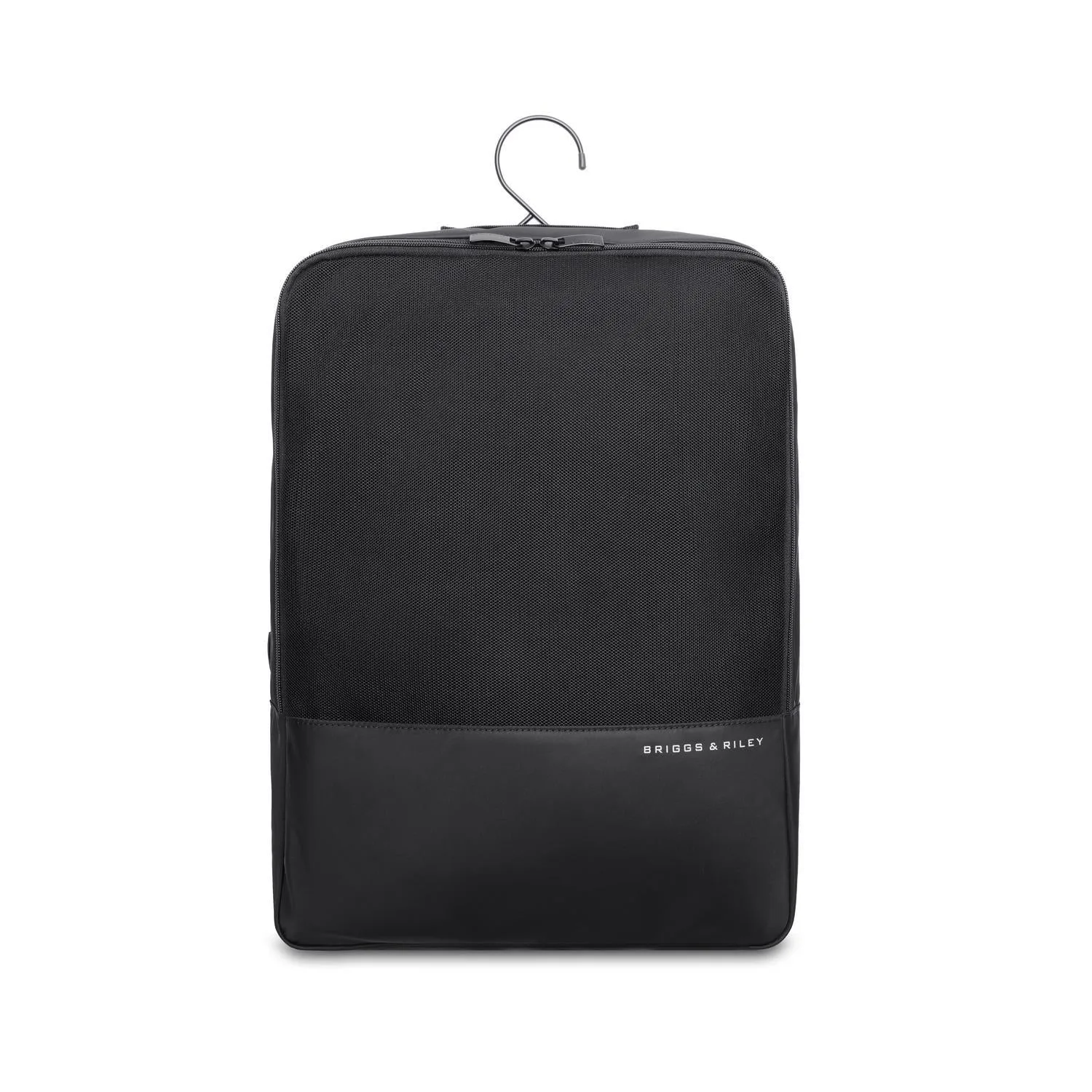
If your main concern is theft in a crowded area rather than baggage handling, a cable lock that loops through a fixed object is more useful than a padlock on the bag itself. And if your concern is organized packing rather than security, a compression cube like the Travel Essentials-Hanging Laundry Compression Cube solves a different problem entirely. Buy the lock for the threat you actually face.
- Front-worn anti-theft bags rarely need an added lock.
- Single-zipper totes and weekenders often lack a lock point.
- For theft deterrence, a cable lock and situational awareness beat a padlock.
Decision rules for buying a travel lock
- Rule 1: Closure first, lock second: Zip your bag closed and check whether the two pulls meet at a central point with eyelets. If yes, buy a small TSA-recognized combination zipper lock. If no, do not buy a padlock; choose a cable lock or lockable strap instead. No lock point means no padlock.
- Rule 2: Match shackle length to the gap: Measure the distance between the two zipper pulls when the bag is fully closed. Choose a shackle that closes with slight tension. Too short will not reach; too long swings and can be levered. A snug shackle beats a long one.
- Rule 3: Choose TSA recognition only where it applies: If you check bags on U.S. domestic flights, a TSA-recognized lock reduces the chance of a cut lock. If you fly internationally, confirm local inspection rules and consider a lock you can leave open for inspection. TSA recognition is a regional benefit, not a global guarantee.
- Rule 4: Pick combination or key by your routine: Frequent openers and business travelers often prefer a keyed or quick-release lock for speed. Leisure travelers who dislike carrying keys do better with a resettable combination lock. Choose the lock you will actually use every day.
- Rule 5: Secure removable compartments separately: If your bag has a removable packing cube or a detachable pouch, locking the main bag does not secure the cube. Lock or carry the cube separately, or leave valuables out of it. One lock does not cover every compartment.
How these bags shape your lock choice
- Werks Traveler 7.0 Frequent Flyer Carry-On: Features 360° middle expandability and smart storage designed for frequent business travelers to pack, secure, review, and access belongings with ease. A bag built for repeated access benefits from a resettable combination lock you can open quickly at a gate or hotel desk without hunting for a key.
- Subterra 2 Travel Backpack 26L: Expands from 26L to 32L and includes a removable packing cube. Because the cube can be carried separately, locking the main backpack does not secure the cube; plan separate security for removable compartments.
- Anti-Theft Greenlander Compact Sling: Made of recycled materials that are GRS certified, meeting ISO standards and strict social and environmental requirements. A front-worn sling already keeps contents close to your body, so adding a padlock is usually unnecessary weight rather than meaningful protection.
- Victorinox Werks Traveler 6.0 XL Weekender: Extra-large carry-all tote with a drop-down expansion panel for extra capacity. A tote-style weekender with a single main closure often has no lock point, so a lockable strap or cable lock is a better fit than a padlock.
Who this lock advice is for
Best for
- Travelers with softside luggage that has two zipper pulls meeting at a central point
- Business travelers who open their carry-on repeatedly and want quick, keyless access
- Domestic U.S. flyers who check a bag and want to reduce the risk of a cut lock
Not for
- Hard-shell cases with a built-in latch that should use the manufacturer's lock
- Bags with a single zipper pull, fabric pulls, or no lock point
- Travelers who need theft protection in crowded areas, where a cable lock and awareness matter more
Buy the lock that fits your bag's closure, not the one with the longest feature list. Measure the zipper gap, decide whether TSA recognition applies to your route, and choose combination or key based on how often you open the bag. If your bag has no lock point, skip the padlock and secure it another way.