Quick answer
Buy a ball head for stills that need fast, compact repositioning, a pan head for controlled horizontal and vertical framing, a fluid head for smooth video pans and tilts, and a gimbal head for heavy telephoto lenses used in wildlife or sports. The best tripod head for photography is the one that matches your heaviest lens and your most common subject, not the one with the most features.
Most tripod instability and frustration comes from the head, not the legs. A head that is too small for a long lens will creep, droop, or fight you every time you frame a shot. A head that is too specialized for your subject will slow you down or sit unused.
This guide gives you decision rules instead of a ranked list. You will learn how ball, pan, fluid, and gimbal heads behave, how to check tripod head compatibility before you buy, and which trade-offs matter for stills, video, wildlife, and macro work.
Start with your subject, then your heaviest lens
Write down your two most common subjects and your heaviest camera-and-lens combination. A 70-200mm f/2.8 zoom on a full-frame body behaves very differently from a compact mirrorless camera with a 35mm prime. The head must support the heaviest rig you will actually mount, not the lightest one you own.
If your heaviest setup is a long telephoto, prioritize a gimbal or a strong ball head with a large base. If your work is mostly landscape and travel, a compact ball head saves weight. If you shoot video interviews or events, a fluid head gives you the smooth motion that a ball head cannot match.
- Weigh your heaviest body, lens, and accessories together before comparing heads.
- Add a safety margin for future lenses rather than buying exactly to your current limit.
- Check the head's stated load capacity, but treat it as a ceiling, not a target.
Ball head vs pan head: speed against control
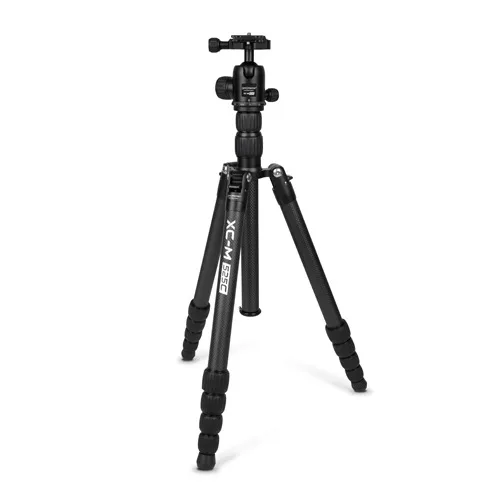
A ball head loosens one sphere to reposition the camera in any direction, then locks it with a single knob. That makes it fast for handheld-style stills, travel, and subjects that move unpredictably. The trade-off is precision: small adjustments can be fiddly, and a heavy lens can shift slightly as you tighten the ball.
A pan head moves on separate axes, usually a panning base and a tilting arm. You adjust one direction at a time, which is slower but far more repeatable. Pan heads suit architectural work, product photography, and any situation where you need level horizons and controlled framing rather than quick reactions.
- Choose a ball head when speed and packed size matter more than repeatable framing.
- Choose a pan head when you need separate, lockable horizontal and vertical control.
- Look for a separate panning lock on a ball head if you shoot panoramas.
Fluid head vs ball head: when motion matters
A fluid head uses internal damping to make pan and tilt movements smooth and start-and-stop cleanly. That is essential for video, where a ball head tends to produce jerky corrections. Fluid heads also usually include a long handle for leverage, which helps with slow, deliberate moves.
The trade-off is size, weight, and cost. A fluid head is bulkier than a comparable ball head and is awkward for stills that need quick repositioning. If you shoot both stills and video, consider a fluid head for video days and a ball head for stills days rather than forcing one head to do both badly.
- Match the fluid head's payload to your camera plus lens plus monitor or cage.
- Check whether the head includes a quick release plate and whether it matches your camera plate system.
- A fluid head with adjustable drag is easier to control at slow speeds.
Gimbal head for wildlife and long lenses
A gimbal head balances a long lens so it floats nearly weightless. You can track birds, athletes, or aircraft with one finger while the head carries the load. That balance is the whole point: a properly set-up gimbal removes the strain of holding a heavy telephoto and makes smooth tracking possible.
Gimbals are not general-purpose heads. They are bulky, slower to set up for casual stills, and unnecessary for lenses under roughly 200mm. If your longest lens is a standard zoom, a gimbal adds weight and complexity without improving your results.
- Use a gimbal when your lens has a tripod collar and you shoot moving subjects at long focal lengths.
- Balance the lens fore and aft before tightening the gimbal arm.
- Pack a gimbal only when the subject justifies the extra bulk.
Tripod head compatibility: the checks that prevent returns
Compatibility comes down to three things: the mounting thread, the plate system, and the load rating. Most tripod legs use a 3/8-inch or 1/4-inch mounting screw, and most heads include a reducer bushing. Confirm the thread before ordering, because a mismatch means the head will not attach at all.
The plate system matters just as much. Arca-Swiss-style plates are common, but many heads ship with proprietary plates. If you already own plates or L-brackets, buy a head that accepts them. Also confirm the head's load rating covers your heaviest rig, and check whether the head includes a quick release plate or requires one separately.
- Verify the mounting thread on your tripod legs and the head's base thread.
- Match the head's plate system to the plates and brackets you already own.
- Confirm the head's load rating exceeds your heaviest camera-and-lens combination.
- Check whether a quick release plate is included before you buy.
Accessories and support gear that change the decision
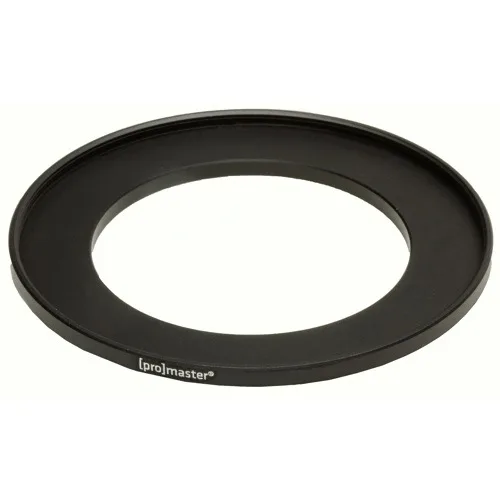
A few small accessories can make a head more usable or let you avoid buying a second one. A stepping ring, for example, adapts a lens filter thread to a larger filter size, which matters when you share filters across lenses with different thread diameters. It does not change head choice, but it is a reminder that support gear is a system.
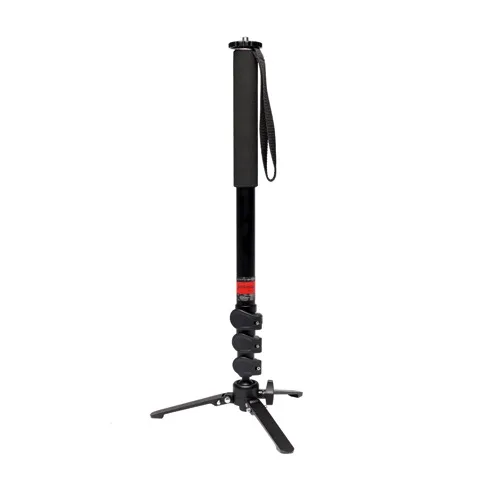
For video, a monopod with a fluid-like base can replace a tripod and fluid head when you need mobility. A convertible monopod with a retractable base and ball joint gives you smooth movement and three points of contact, then converts to a traditional monopod with a single rubber foot. That flexibility is useful when a full tripod is too slow or too large.
- A stepping ring solves filter-thread mismatches, not head compatibility.
- A convertible monopod can replace a tripod and fluid head for some video work.
- Buy the support system, not just the head, so the pieces work together.
Decision rules: pick your head in five checks
- Subject first: If your subject moves unpredictably and you shoot stills, choose a ball head. If you need separate, lockable axes for architecture or products, choose a pan head. If you shoot video, choose a fluid head. If you track wildlife or sports with a long lens, choose a gimbal. Your most common subject decides the head type before any spec does.
- Heaviest rig rule: Compare the head's load rating to your heaviest camera, lens, and accessory combination. Treat the rating as a ceiling, not a target, and leave margin for future lenses. If the rating is close to your rig weight, size up or choose a different head.
- Plate system check: Confirm the head accepts the plates or L-brackets you already own. Arca-Swiss-style plates are common, but many heads ship with proprietary plates. A head that does not fit your plates adds cost and clutter.
- Thread and mount check: Verify the mounting thread on your tripod legs and the head's base thread, and confirm whether a reducer bushing is included. A thread mismatch means the head will not attach, so check before ordering.
- Motion vs speed trade-off: Fluid and gimbal heads excel at smooth, controlled motion but are bulky and slower for casual stills. Ball heads are fast and compact but less precise for repeatable framing. Choose the trade-off you can live with on most shoots, not the one that looks best on paper.
Products that support these decisions
- Promaster Stepping Ring - 77mm-82mm: The Promaster Stepping Ring in 77mm–82mm is a step-up ring designed to adapt lens filter threads to a larger filter size. If you share filters across lenses with different thread sizes, this ring lets a 77mm lens thread accept an 82mm filter or accessory, which keeps your filter kit usable across bodies.
- ProMaster Professional MPV428+ Convertible Monopod: The ProMaster MPV428+ Monopod has a retractable base with a ball joint and tension lock for smooth movement, three points of contact for stability, and a removable base that converts it to a traditional monopod with a single rubber foot. For video or stills where a full tripod is too slow, this monopod gives you smooth movement and stability, then converts for travel. It is a practical alternative to pairing a fluid head with legs.
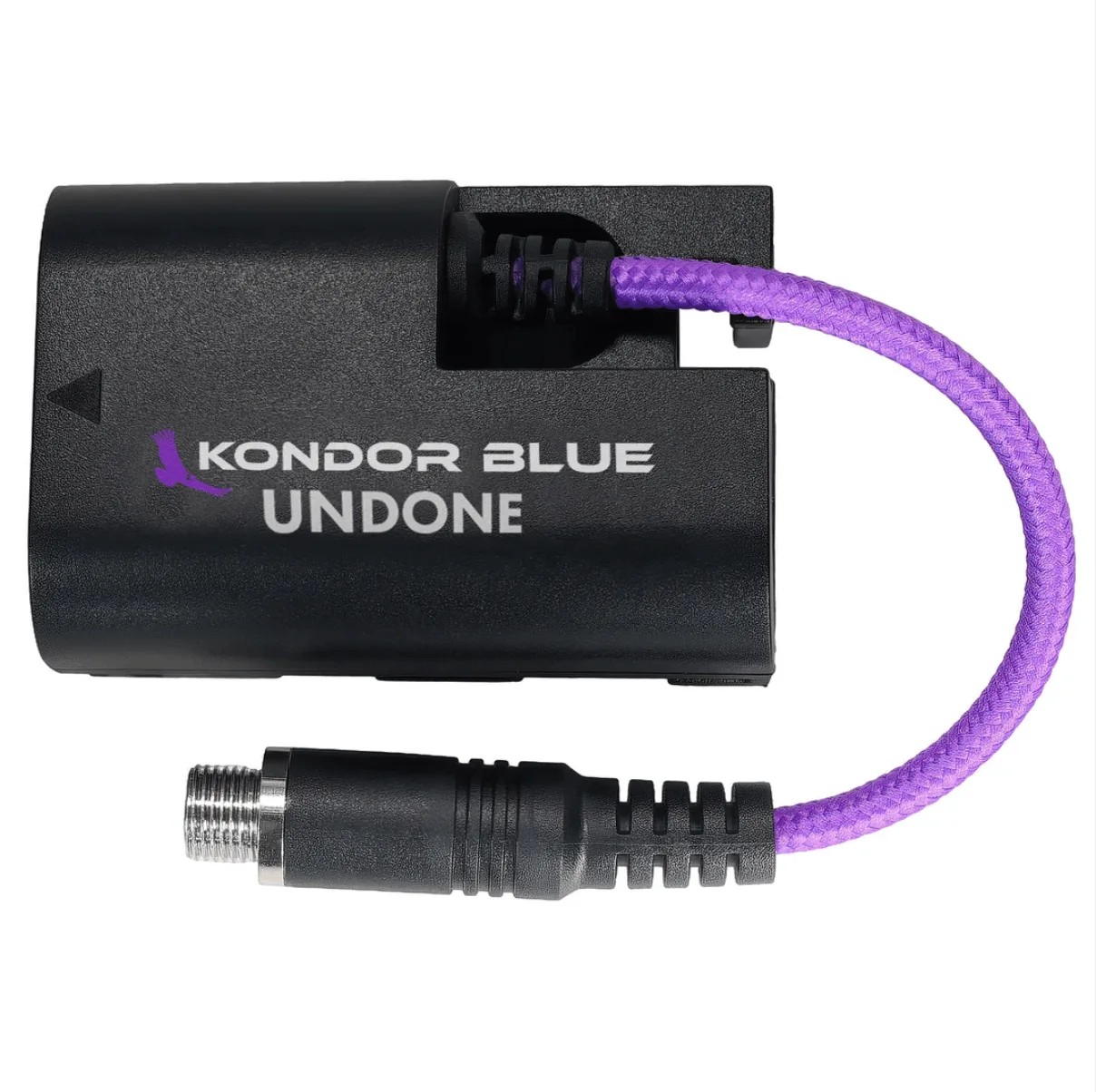
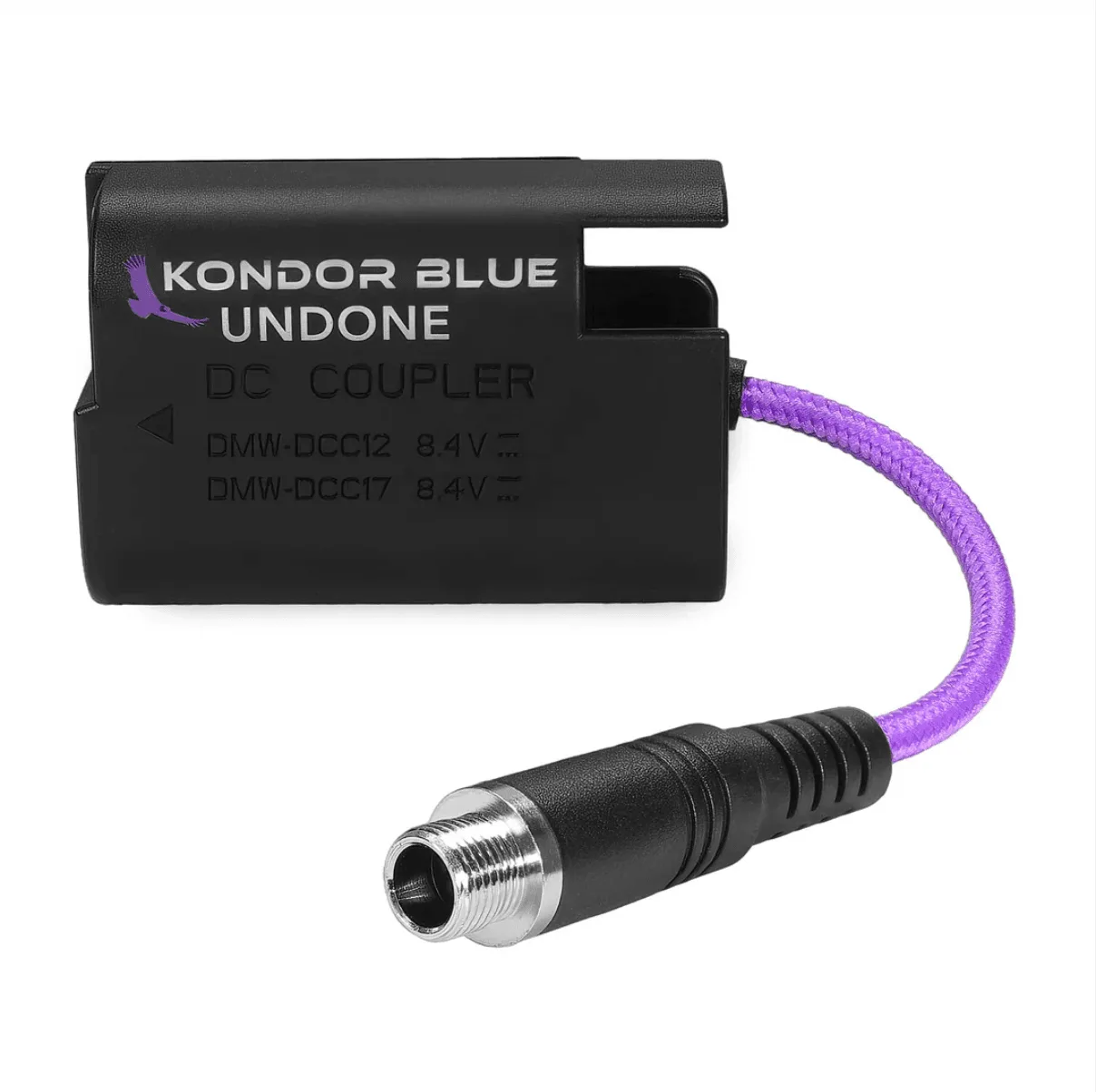
- https://nelsonphotoandvideos.com/products/kondor-blue-gerald-undone-dummy-battery-power-cables-51d9188d2e7201b6b016878f-1780747Kondor Blue Gerald Undone Dummy Battery Power Cables: Kondor Blue Gerald Undone Dummy Battery Power Cables are accessories from Kondor Blue, offered here in the Standard option. Long shoots on a tripod often need continuous power. A dummy battery cable keeps the camera running without swapping batteries, which is one less interruption when you are locked down on a head.
Who should buy which head
Best for
- Travel and landscape photographers who want a compact, fast ball head for stills
- Videographers and event shooters who need smooth pans and tilts from a fluid head
- Wildlife and sports photographers tracking long lenses with a gimbal head
- Architectural and product photographers who need separate, lockable axes from a pan head
Not for
- Buyers who want one head to do stills, video, and long-lens tracking equally well
- Photographers whose heaviest lens is a standard zoom and who do not need a gimbal
- Users who have not checked their tripod thread or plate system before ordering
- Anyone who needs a head lighter than their camera-and-lens combination allows
Choose the head that matches your subject and your heaviest lens, then verify the thread, plate system, and load rating before you buy. If you shoot more than one type of work, two modest heads usually beat one expensive compromise.