Quick answer
For most bag windows and clear pouches, choose a mid-weight clear vinyl around 0.5–0.8 mm for structure and clarity, switch to frosted or jelly vinyl when you want a softer, less scratch-prone look, and use TPU when you need flexibility and a rubbery hand. If you are unsure, start with a clear vinyl in the 0.5 mm range and finish the raw edges with fold-over elastic so the window stays clean without bulky binding.
Match the finish to the job
Clear vinyl shows contents sharply and suits windows on pouches, project bags, and travel organizers where you want to see what is inside. Frosted or jelly vinyl diffuses the view, hides small scratches and fingerprints, and gives a softer, more fashion-forward look — good for cosmetic bags and pencil cases. TPU sits between the two: it is flexible, slightly rubbery, and resists cracking better than stiff PVC when a pouch is folded or squeezed. Pick the finish first, because it changes how the window reads and how much care the surface needs.
Thickness changes how the window behaves
Thin vinyl, roughly 0.2–0.3 mm, is easy to sew and curves around small shapes, but it wrinkles and can look flimsy on a large window. Mid-weight, around 0.5 mm, is the sweet spot for most bag windows: it holds a flat shape, sews without fighting the machine, and stays clear. Heavy vinyl, 0.8 mm and up, gives a rigid, premium window and stands up to repeated use, but it is harder to turn, needs a longer stitch, and can crack if you force it around tight corners. If your pattern does not specify a thickness, choose mid-weight and test a scrap on your machine before cutting the final piece.
Sewing and edge decisions
Vinyl does not fray, so you can leave a clean raw edge — but a raw edge on a handled pouch will eventually catch and tear. Fold-over elastic is the simplest fix: it wraps the raw edge in one pass, folds in half thanks to the centre crease, and flexes around curves without puckering. Use a longer stitch length, a fresh needle, and a little tissue or tape on the underside if the vinyl sticks. Avoid backstitching directly on vinyl; instead, overlap stitches slightly or tie off threads by hand to prevent holes from tearing.
Pairing vinyl with the rest of the bag
A vinyl window needs a stable fabric around it. Bonded poly-nylon like DayFlex works well because it is smooth, water-repellent, and has a permanently fused lining that adds body without bulk — useful when the window is the focal point. For a softer, more natural look, water-resistant cotton canvas keeps the organic feel of cotton while the coating helps beads of water roll off, so the bag stays clean around the window. Match your thread and zipper tape to the vinyl finish: rose gold or soft blush zipper tape reads romantic against clear or frosted vinyl, while a plain nylon coil keeps the focus on the window.
Decision rules for vinyl windows
- If you want maximum clarity: Choose clear vinyl in the 0.5 mm range. It holds a flat window, sews without fighting the machine, and stays see-through for project bags and travel organizers. Test a scrap first; if it wrinkles, go slightly thicker.
- If you want a soft, low-maintenance look: Choose frosted or jelly vinyl. It diffuses the contents, hides fingerprints and small scratches, and suits cosmetic bags and pencil cases. Frosted vinyl is more forgiving on a first project.
- If the pouch will be folded or squeezed: Choose TPU over stiff PVC. TPU flexes and resists cracking when the bag is bent, which matters for everyday pouches that live in a backpack. TPU is the safer choice for anything that gets squashed.
- If the window edge will be handled: Finish the raw edge with fold-over elastic rather than leaving it bare. It wraps in one pass, folds in half on the centre crease, and flexes around curves without puckering. This is the single biggest upgrade for a clean-looking window.
Materials that work with vinyl windows
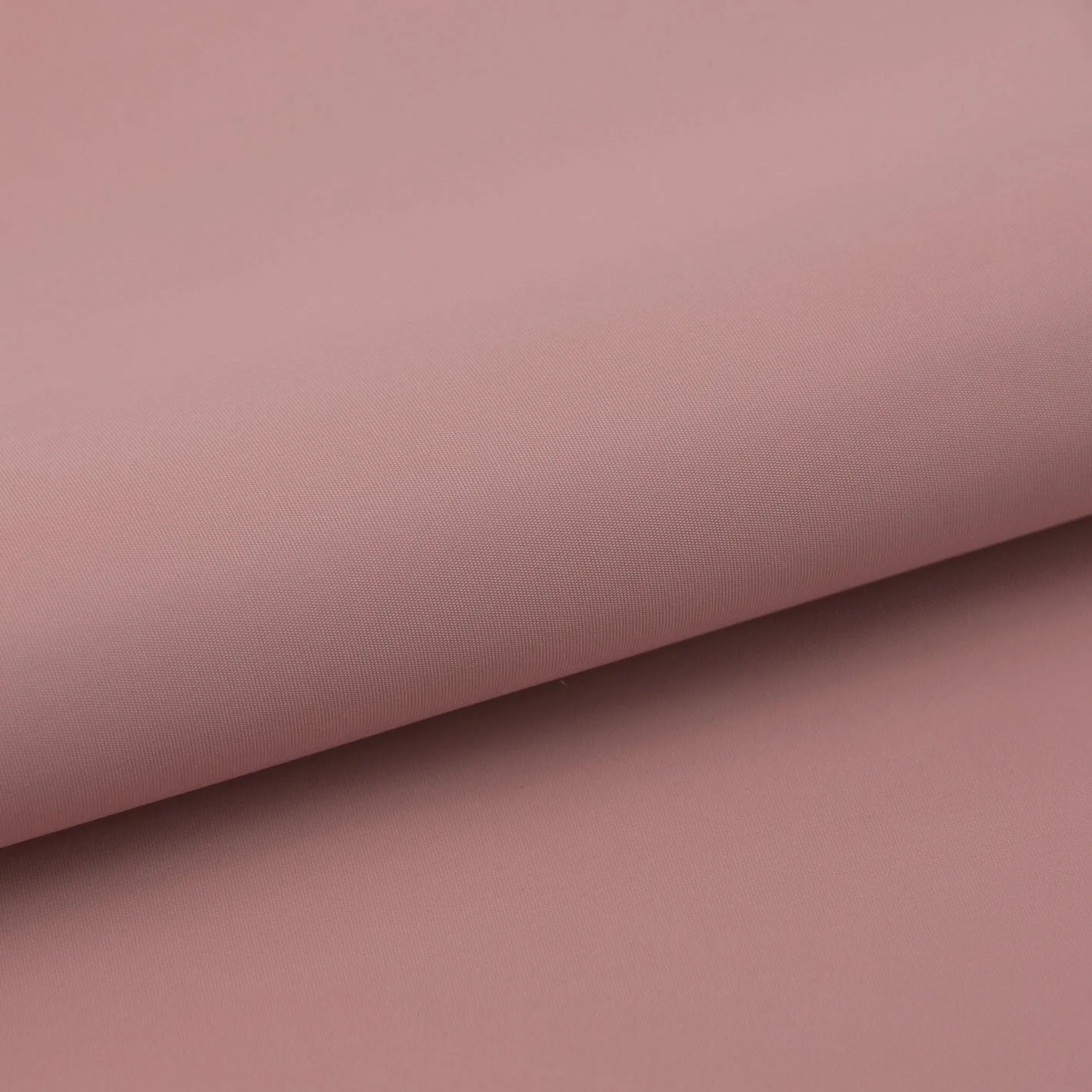
- Dusty Rose - DayFlex Fabric: DayFlex is a bonded poly-nylon that is super smooth, water-repellent, and suitable for both bag exteriors and linings. Use it as the main bag fabric around a vinyl window when you want a clean, stable edge that resists water and does not add bulk.
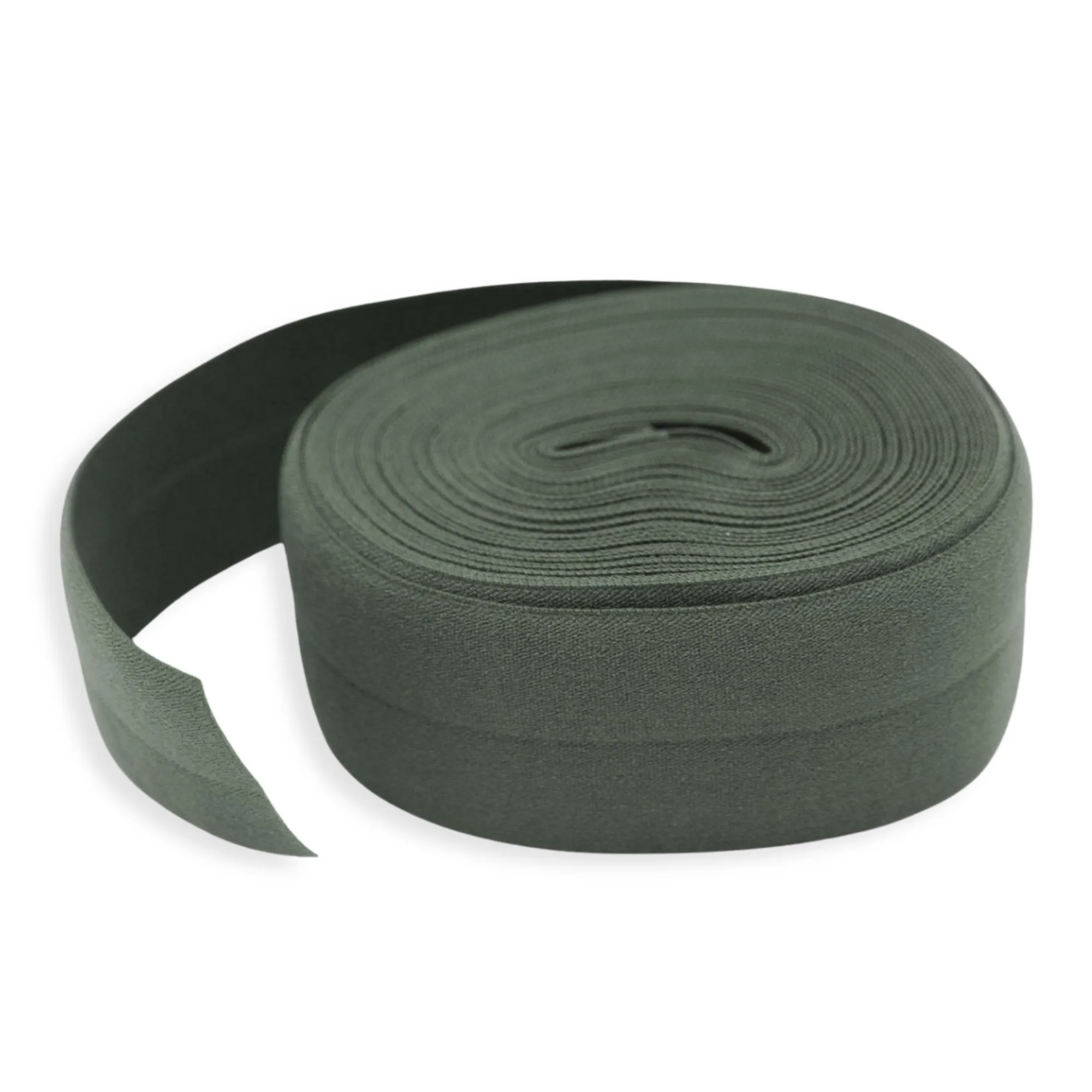
- Forest Floor - Fold-Over Elastic: Fold-over elastic wraps raw edges cleanly in a single pass, folds perfectly in half thanks to the centre crease, and flexes around curves without puckering. It is the fastest way to finish the inside and outside edges of a vinyl window without bias tape, especially on curved pouch openings.
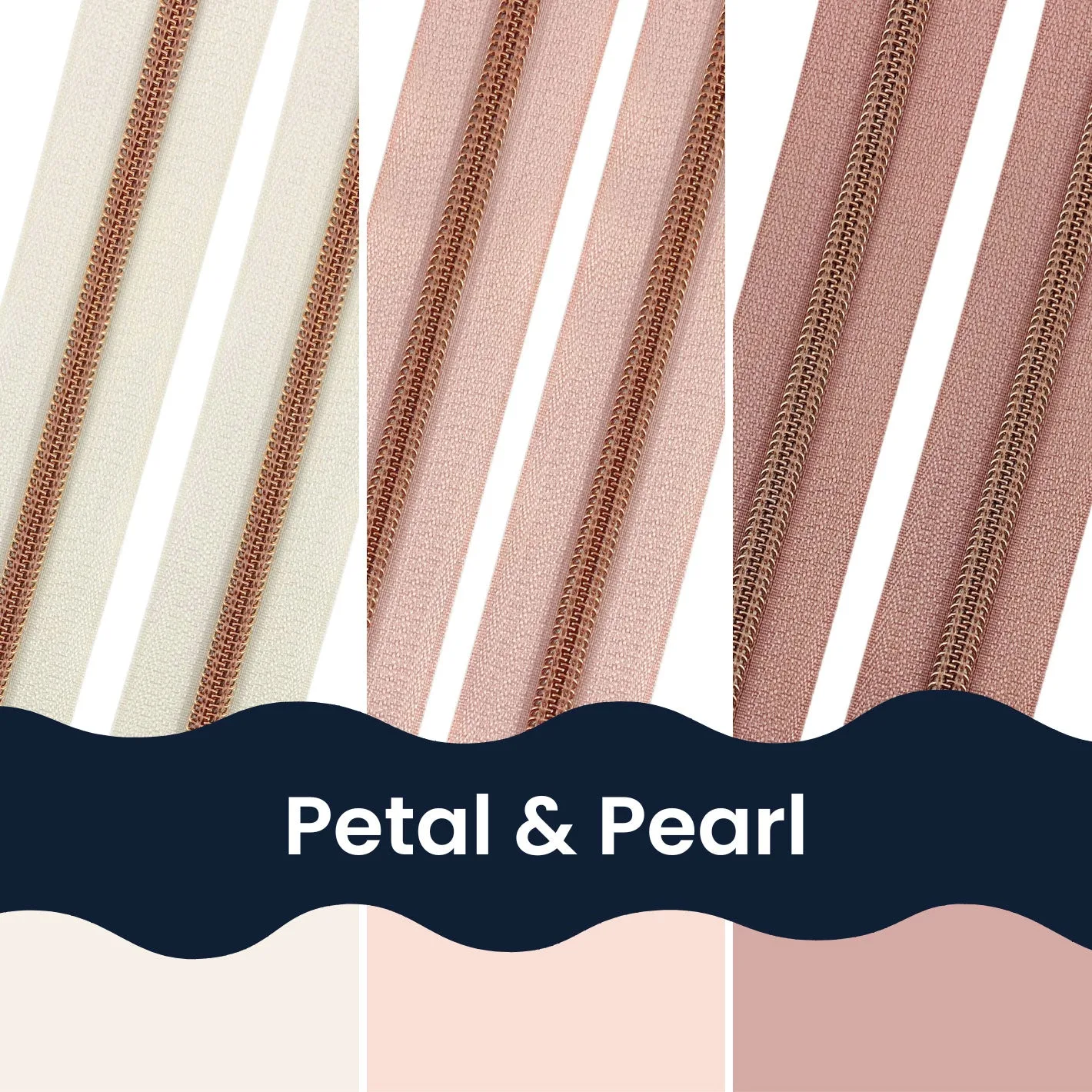
- Petal & Pearl - Rose Gold Zipper Tape Bundle: Petal & Pearl is a #5 rose gold nylon coil zipper tape bundle in Ivory, Sweet Blush, and Dusty Rose, designed to be durable, smooth-gliding, and high-end looking. Pair these soft shades with clear or frosted vinyl when you want the zipper to complement the window rather than compete with it.
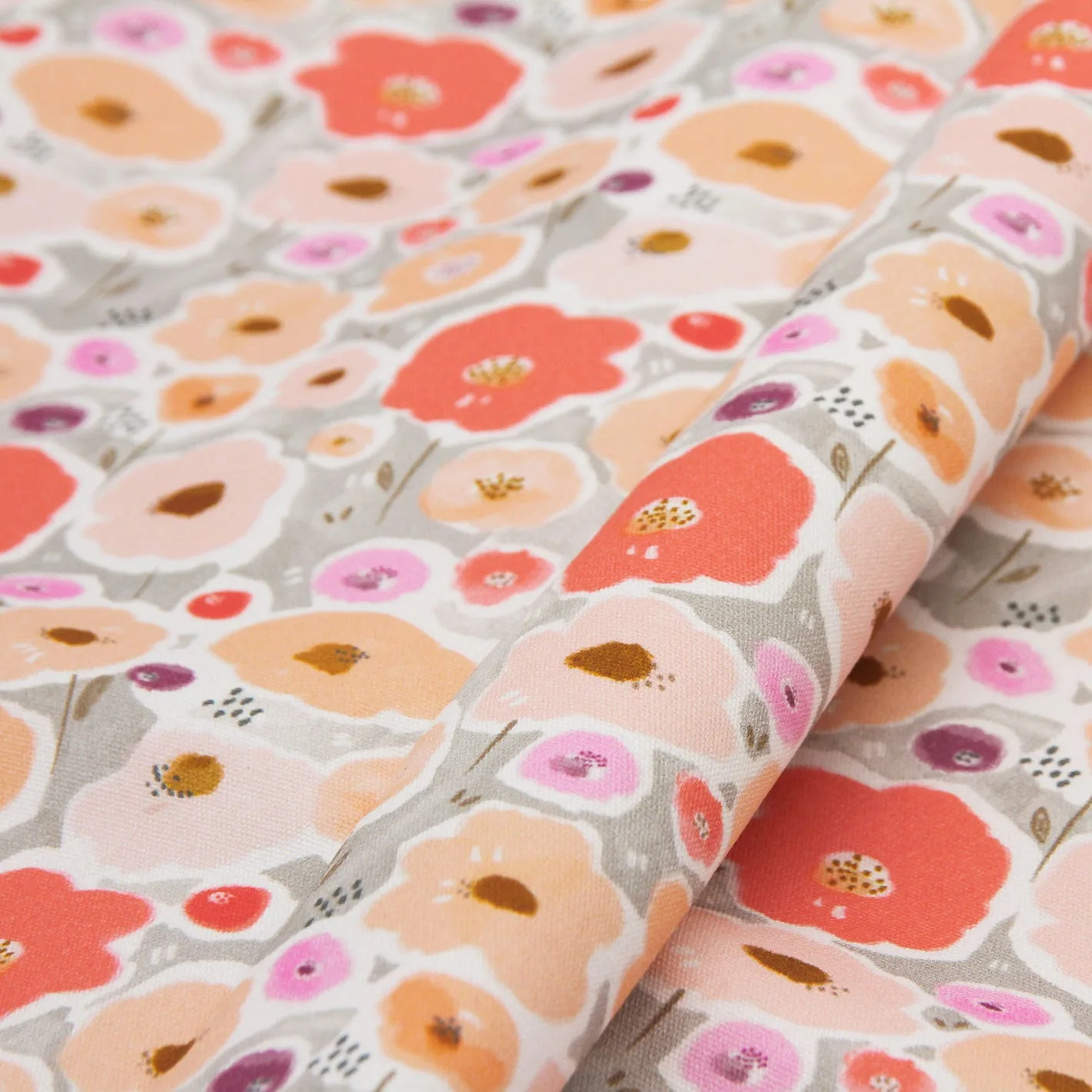
- Blushin' and Gushin' - Water Resistant Cotton Canvas: Blushin' and Gushin' is a water-resistant cotton canvas with a soft hand, natural weave, and a coating that makes water bead up and roll off. Choose it for the body of a clear pouch when you want a natural, non-plastic feel that still shrugs off spills around the vinyl.
Is this the right vinyl for your project?
Best for
- Makers sewing bag windows, clear pouches, and travel organizers who want a specific finish and thickness.
- Sewists who want to finish raw vinyl edges with fold-over elastic instead of bias tape.
- Anyone pairing a vinyl window with a water-repellent or water-resistant bag fabric.
Not for
- Projects that need a fully opaque, structured panel with no window.
- Sewists who cannot test stitch length and needle on a scrap before cutting.
- Bags that will be exposed to high heat, which can distort vinyl.