Quick answer
Choose webbing width first, then match your hardware to that width and your bag's load. For heavy-duty bags, 1-inch webbing with 1-inch D-rings is a reliable starting point. If you want removable straps, add swivel hooks in the same width. Never size hardware smaller than your webbing or the strap will bunch and wear.
Why webbing width drives every hardware decision
Webbing comes in standard widths, and your hardware must match the webbing you choose. If you pick 1-inch webbing, you need 1-inch D-rings, 1-inch swivel hooks, and 1-inch sliders. A mismatch causes the webbing to fold, twist, or slip, which puts stress on stitches and shortens the bag's life. Measure your webbing with a ruler before buying hardware; nominal sizes can vary slightly by manufacturer.
Webbing vs fabric straps: which holds up better
Webbing is woven to resist stretching and abrasion, so it carries heavy loads with less sag than most fabric straps. Fabric straps can be beautiful and match your bag's exterior, but they need interfacing or lining to handle weight, and they may still stretch over time. For a heavy-duty bag, use webbing for the main strap and save fabric straps for decorative accents or light-use bags.
Match hardware finish and function to the bag's job
D-rings anchor straps to the bag body and work well for crossbody bags, purses, and totes. Swivel hooks let you remove the strap, which is handy for travel or cleaning. If your bag will be carried daily with a laptop or groceries, choose metal hardware with a smooth finish to reduce wear on the webbing. Pair D-rings with coordinating sliders and swivel hooks for a consistent look.
Test the strap before you sew the final seam
Assemble the strap and hardware with pins or clips, then load the bag with the weight you expect to carry. Lift it by the strap and watch for twisting, slipping, or hardware pulling away from the fabric. If anything shifts, adjust the width or attachment point before permanent stitching. This five-minute test prevents rework and frustration later.
Step-by-step: choosing webbing and hardware for heavy-duty bags
- Weigh your typical load: Fill a similar bag with what you plan to carry—laptop, water bottle, groceries—and weigh it. This number tells you how much strain the strap and hardware must handle. Common mistake: guessing the load and choosing thin webbing that stretches under real weight. Checkpoint: if your load is over 5 pounds, lean toward 1-inch webbing and metal hardware.
- Pick webbing width to match your hardware: Choose 1-inch webbing for most heavy-duty bags, then buy 1-inch D-rings, sliders, and swivel hooks. If you already own hardware, measure its inner width and buy webbing to match. Common mistake: buying 1-inch webbing and 3/4-inch hardware, which forces the webbing to bunch. Checkpoint: the webbing should slide through the hardware with no folding or forcing.
- Decide between fixed and removable straps: Fixed straps sewn directly to D-rings are strongest and simplest. Removable straps need swivel hooks at both ends, which add convenience but also add a point of wear. Common mistake: using swivel hooks that are smaller than your webbing width, which causes the strap to twist and knot. Checkpoint: for a heavy-duty bag, use fixed straps; save swivel hooks for lighter bags or removable crossbody straps.
- Attach hardware with reinforced stitching: Sew D-rings into a folded webbing loop or a fabric tab, then stitch a box-X pattern for strength. Use polyester thread and a needle sized for webbing. Common mistake: backstitching only once at the strap end, which can pull out under load. Checkpoint: tug the hardware firmly after stitching; it should not shift or rotate freely.
- Test the assembled strap under load: Clip or pin the strap to the bag, load the bag, and lift it by the strap. Watch for twisting, slipping, or hardware bending. Common mistake: skipping this test and discovering a weak point after the bag is finished. Checkpoint: if anything twists or slips, adjust the width or attachment before final assembly.
Hardware and kit options that work for heavy-duty builds
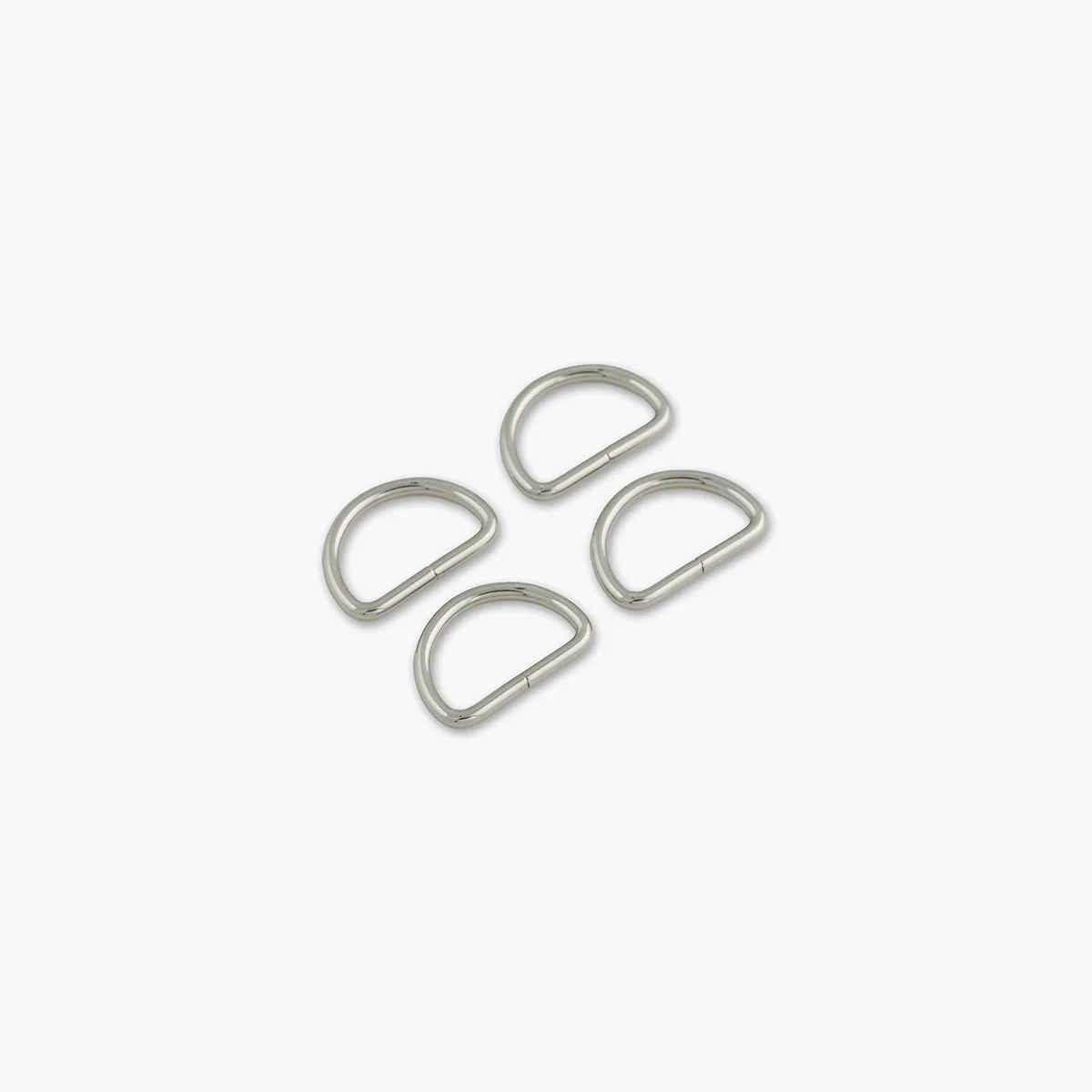
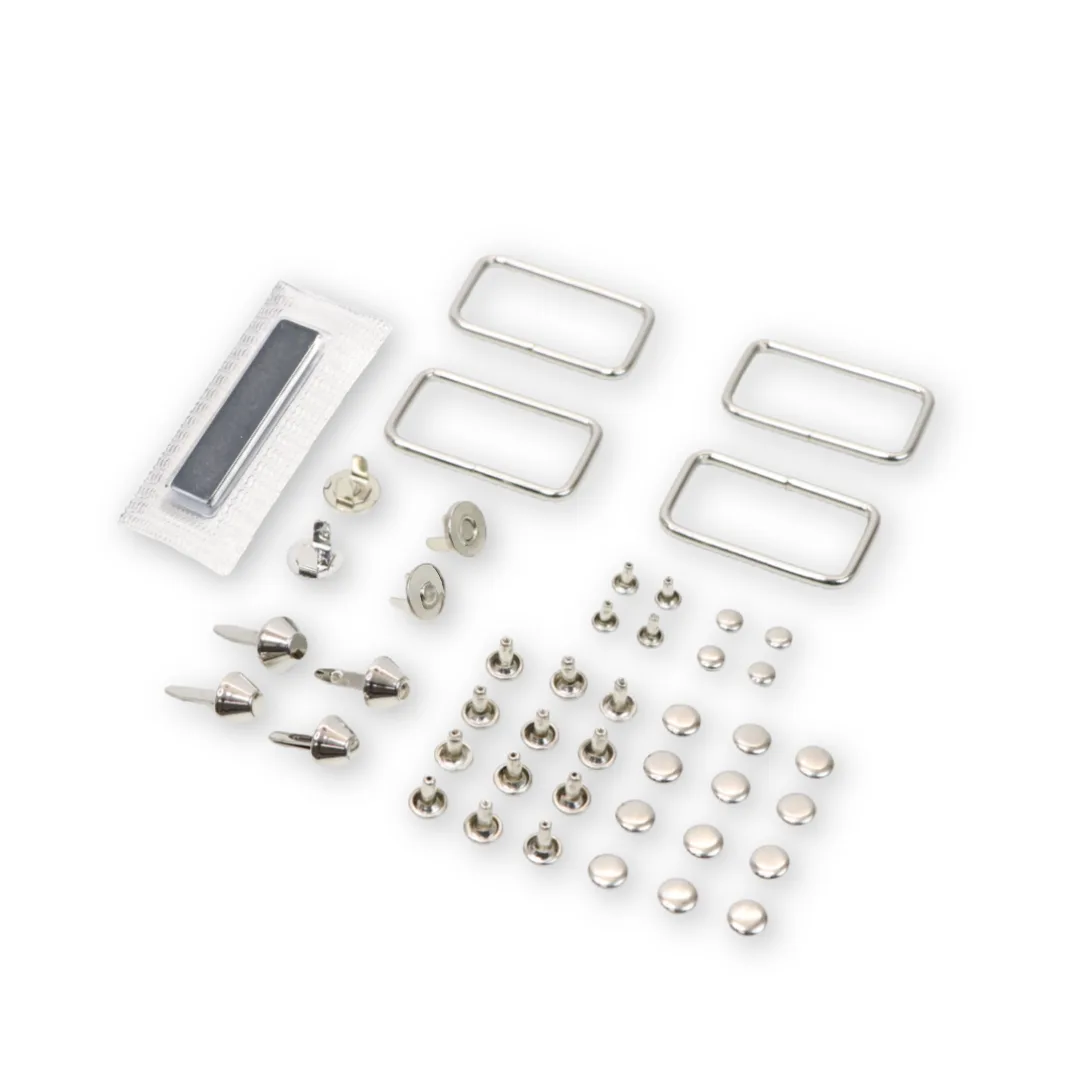
- Four 1" D-Rings: Four 1" D-Rings are designed for purses, crossbody bags, and handbags, and can attach straps, handles, and key fobs. These 1-inch D-rings match 1-inch webbing, so you can build a heavy-duty strap without width mismatch. The four-pack gives you enough rings for a bag with two attachment points plus spares.
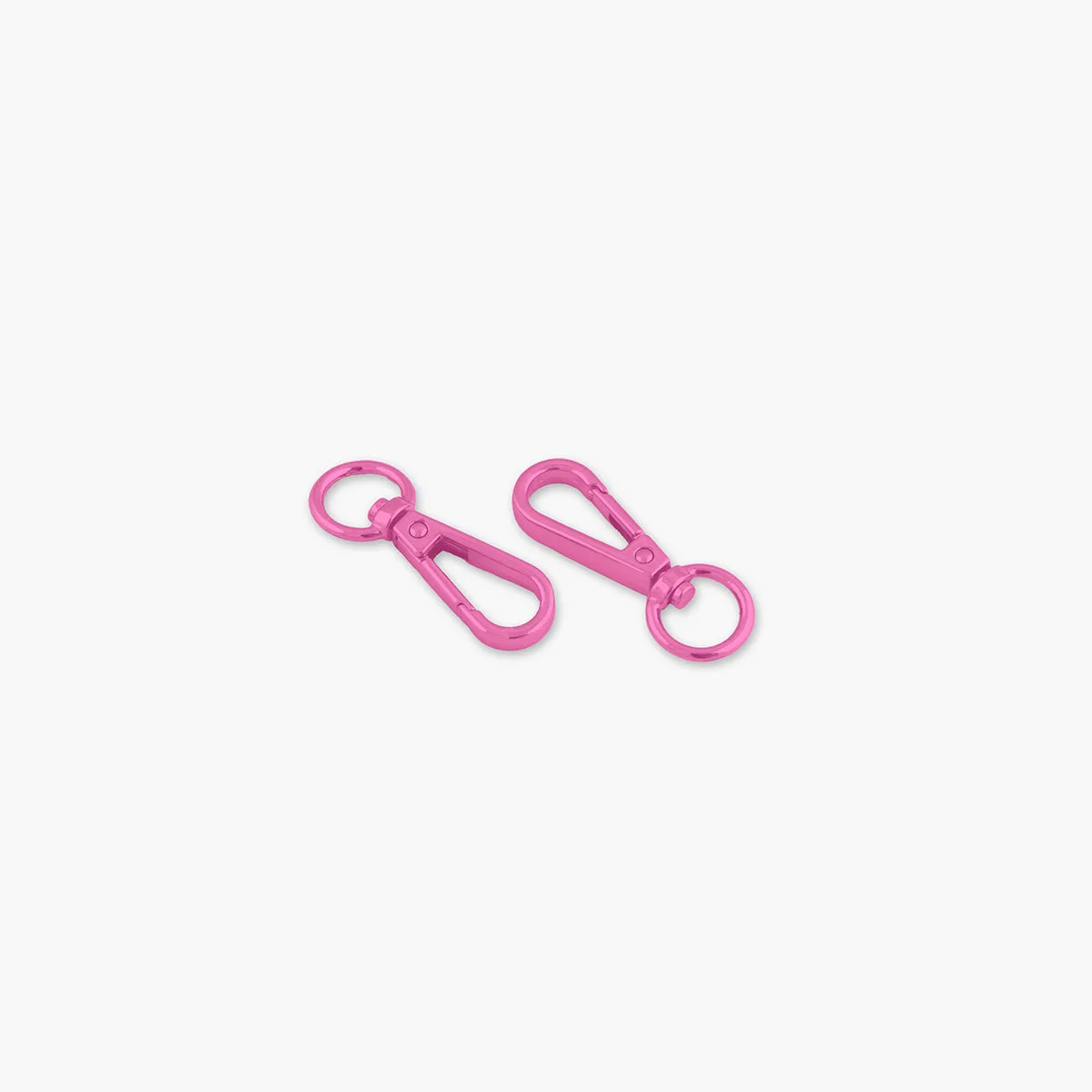
- Two Tula Pink 1/2" Swivel Hooks: Two Tula Pink 1/2" Swivel Hooks rotate so straps are less likely to twist and knot, and they can be paired with coordinating D-rings, rectangle rings, or O-rings. If you want a removable strap on a lighter bag, these 1/2-inch swivel hooks add comfort by reducing twisting. Note the 1/2-inch size: they are not a match for 1-inch webbing, so reserve them for smaller straps or accents.
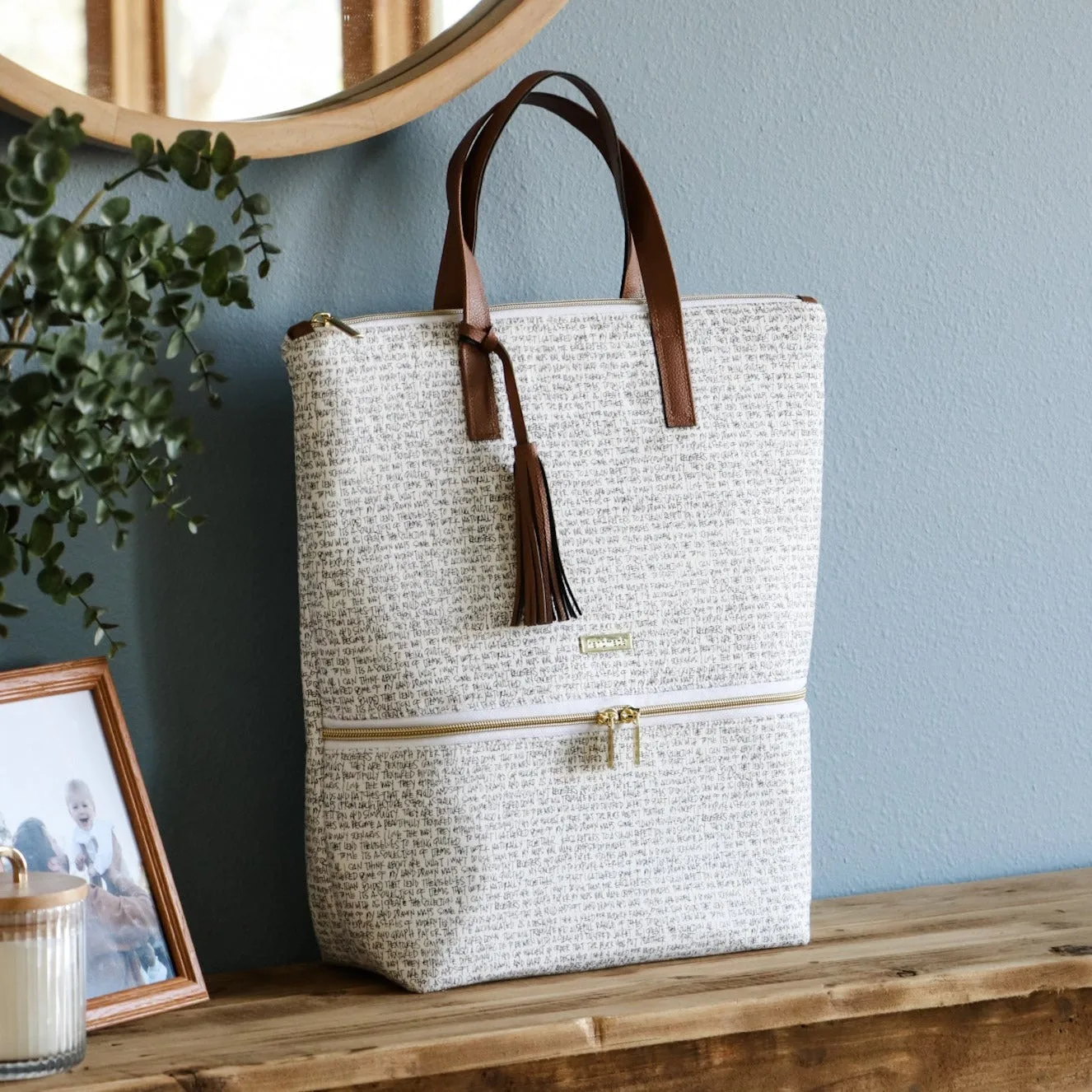
- Month 4: Beginner Tote - Making Bags: A Field Guide Kit: Month 4: Beginner Tote - Making Bags: A Field Guide Kit includes a medium-size tote with boxed corners for storage depth and pockets for function, designed to build skills like fabric preparation and creating a front zipper. This kit is a practical way to practice attaching straps and hardware on a structured tote before you commit to a heavy-duty build. The boxed corners and pockets let you test load distribution with a real project.