Quick answer
For most outdoor video, a lavalier wireless mic with a 2.4 GHz or UHF link and at least 6 hours of battery is the safest starting point. If you shoot interviews in wind or need to capture a subject from a distance, a shotgun-style wireless mic with a directional capsule will save you more time in the edit than any extra feature.
Start with the link, not the capsule
The wireless link decides whether your audio survives the day. UHF systems generally handle interference and range better in congested areas, while 2.4 GHz systems are simpler and cheaper but more sensitive to Wi-Fi and Bluetooth traffic. Check the stated operating range and then halve it for real-world obstacles like trees, bodies, and hills. If your subject will walk more than 30 metres from camera, prioritise a UHF system or one with a true diversity receiver.
Battery life: plan for the shoot, not the spec sheet
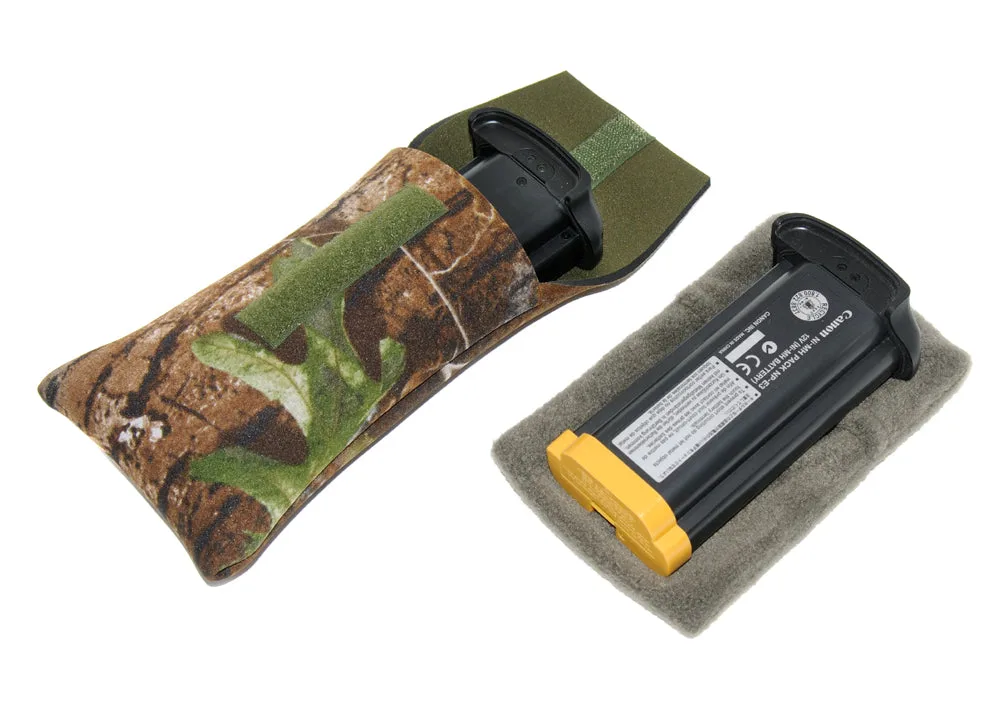
Battery figures are usually quoted for a fresh cell at room temperature. Cold weather, long cable runs, and phantom power can cut that figure significantly. For a half-day shoot, look for at least 6 hours per charge and a USB-C or removable battery so you can top up between takes. If the transmitter uses a proprietary battery, confirm you can buy a spare before you commit.
Lavalier vs shotgun: match the capsule to the shot
A lavalier clips to the subject and gives consistent, close-miked dialogue, which is why it suits interviews, vlogs, and run-and-gun pieces. A shotgun capsule is directional and better when the subject is moving, when you cannot clip a mic to them, or when you need to capture a wider scene. Many wireless systems let you swap capsules, so buy the body first and add the capsule you are missing later.
Wind, weather, and handling noise
Outdoor audio lives or dies on wind protection. A foam windscreen is the minimum; a furry windshield is essential above a light breeze. Look for a transmitter with a locking connector so the cable does not pull loose when the subject turns, and check whether the receiver offers a low-cut filter to reduce rumble from handling and wind. If the system has no low-cut, plan to fix it in post.
Check the connection your camera actually has
Before buying, confirm the receiver output matches your camera or phone: 3.5 mm TRS, 3.5 mm TRRS, or USB-C. A mismatch means adapters, and adapters are the most common cause of a dead audio track. If you record to a phone, check that the system is designed for mobile use rather than assuming a camera kit will work.
Decision rules for outdoor wireless audio
- Range rule: If the subject moves more than 30 m from camera, choose UHF or a true-diversity receiver; otherwise 2.4 GHz is fine. Measure your longest shot before you buy.
- Battery rule: Require at least 6 hours per charge for a half-day shoot, and buy a spare battery if it is proprietary. Cold weather cuts runtime, so over-spec rather than under-spec.
- Capsule rule: Clip-on lavalier for interviews and vlogs; shotgun capsule for moving subjects or wide scenes. Pick a system that lets you swap capsules later.
- Connector rule: Match the receiver output to your camera or phone before purchase; adapters are a common failure point. Confirm 3.5 mm TRS, TRRS, or USB-C compatibility.
- Wind rule: Budget for a furry windshield and a low-cut filter; foam alone will not handle a breezy day. Wind protection is not optional outdoors.
Product facts that inform the decision
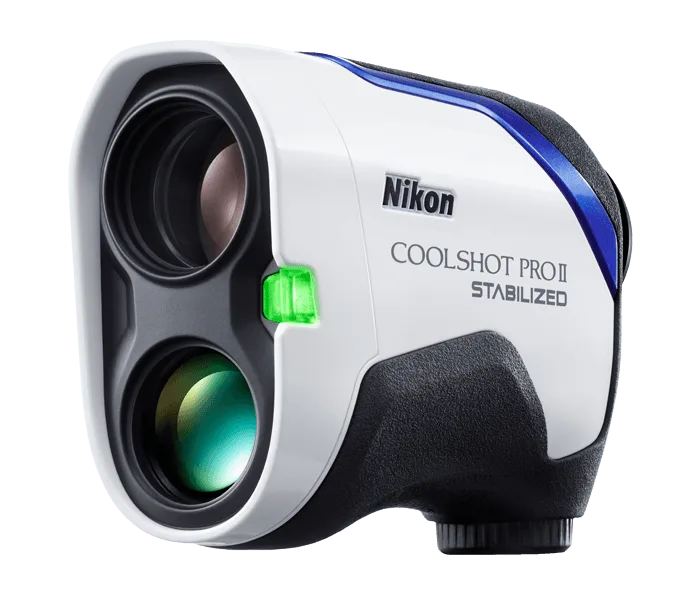
- Nikon Coolshot Pro II Stabilized Laser Range Finder: Class 1M eye-safe IR laser with a 8-1200 yd measurement range and a stabilized view. If you film long-range or outdoor field work, a stabilized rangefinder keeps distance data readable while you are moving, which is the same stability logic you want from a wireless mic link.
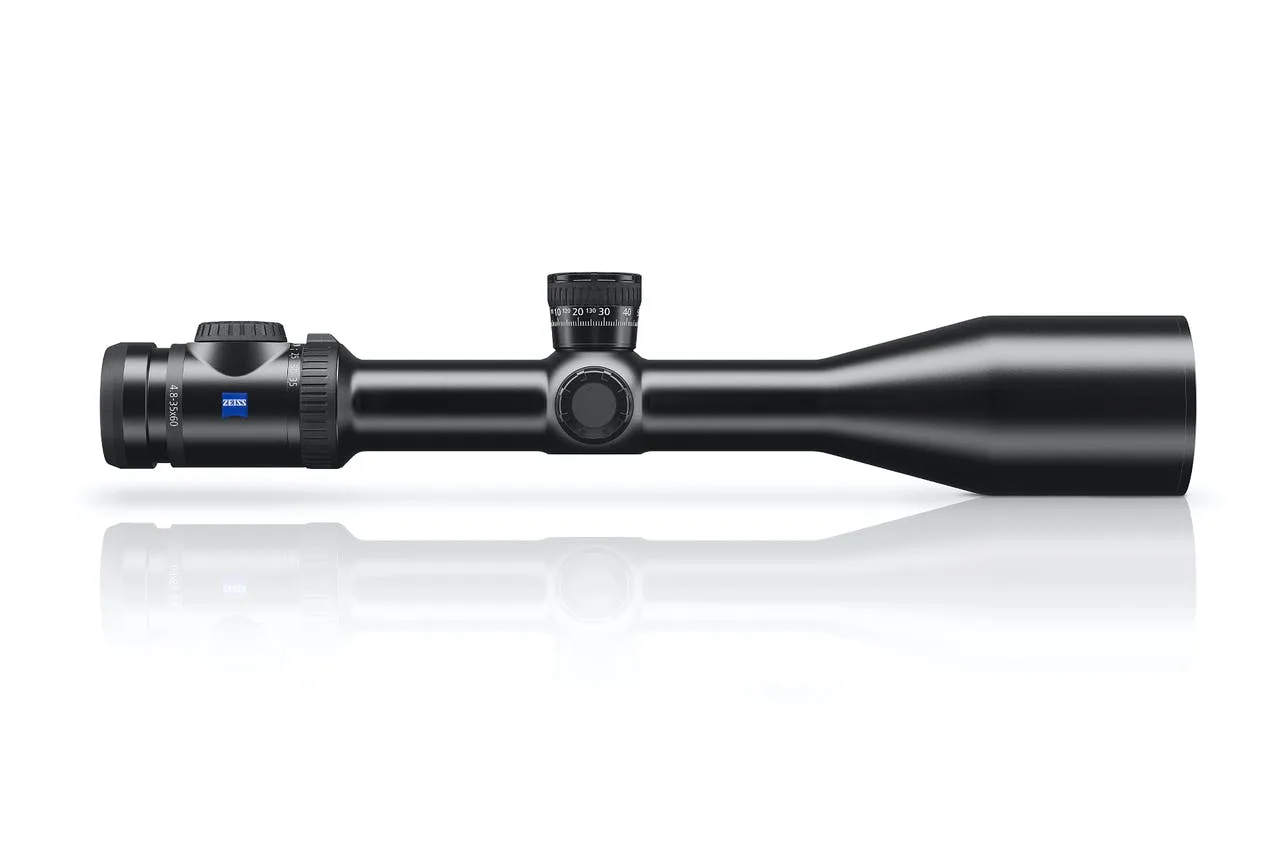
- ZEISS Victory V8 4.8-35x60 ASV H & S 60 Riflescope: 92% light transmission and a 4.8-35x magnification range with an illuminated dot. Low-light outdoor work rewards optics that gather light; the same principle applies to choosing a mic system that stays clean when ambient noise rises.
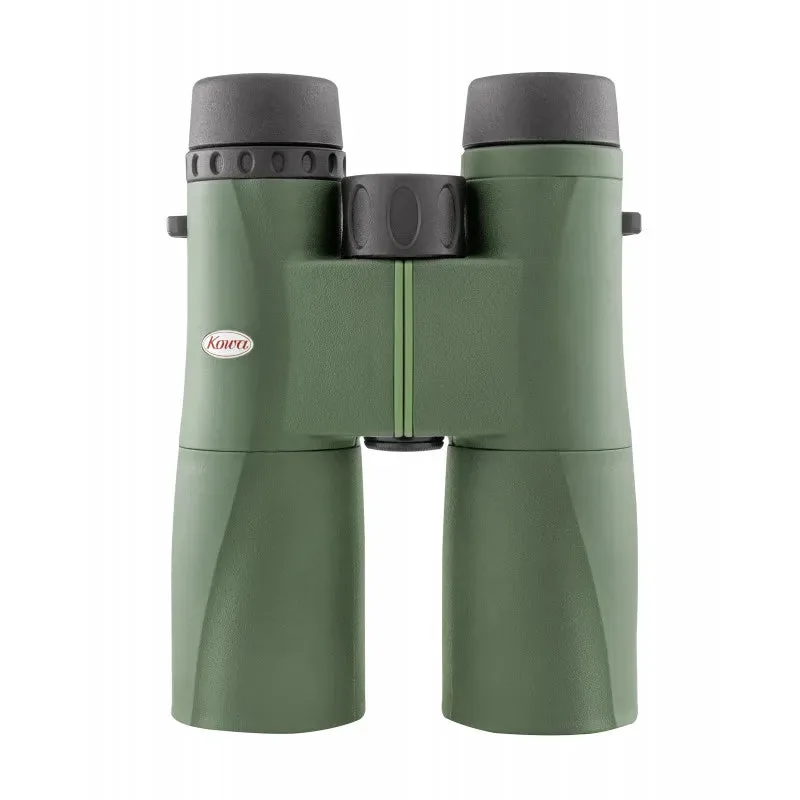
- Kowa SV II 10x42 DCF Lightweight Binoculars: 10x magnification, waterproof and nitrogen filled, fully multi-coated. Weather-sealed gear survives outdoor shoots; treat your wireless mic the same way and check for water resistance before trusting it in rain.
Who should buy which setup
Best for
- Vloggers and interview shooters who need consistent close-miked dialogue
- Run-and-gun outdoor creators who move between locations
- Shooters who need a spare battery and swappable capsules
Not for
- Studio-only recordings where a wired mic is cheaper and cleaner
- Users who need more than 100 m of reliable range without a UHF system
- Anyone unwilling to manage batteries and wind protection on location