Quick Answer
For both gym and running, look for workout shorts with a secure fit, breathable fabric, and a liner or built-in support. The best pair balances freedom of movement with enough coverage and pocket security.
Why a Single Pair for Gym and Running Is a Trade-Off
Gym workouts often involve lifting, stretching, and changing directions, while running demands lightweight, moisture-wicking shorts that don't chafe. A single pair can work for both if it hits the middle ground: not too baggy for the treadmill, not too tight for squats. The main trade-off is pocket design—running shorts often have zippered pockets to secure keys or a phone, while gym shorts may prioritize deep, open pockets for quick access to a towel or chalk. Decide which matters more for your routine.
Key Features to Compare
Focus on three areas: fabric, fit, and closure. For fabric, look for a blend of polyester and elastane—it stretches, dries fast, and resists odor. Avoid 100% cotton for running because it soaks up sweat and gets heavy. For fit, shorts that hit around mid-thigh work for most activities; anything longer can restrict leg movement during sprints, and anything shorter may ride up during gym exercises. For closure, a drawstring plus elastic waistband gives you adjustability without a bulky buckle.
Liner vs. No Liner: What Works Where
Built-in liners (compression briefs or mesh) eliminate the need for separate underwear and reduce chafing during runs. However, some gym-goers prefer no liner so they can wear their own compression shorts or boxer briefs. If you plan to use the shorts for both, a removable liner is the most flexible option—you can take it out for weightlifting and put it back for cardio. If the shorts don't have a liner, make sure the fabric is soft enough to avoid irritation when worn with underwear.
Decision Rules for Choosing Workout Shorts
- Rule 1: Match the Inseam to Your Activity: For running, choose a 5–7 inch inseam to avoid fabric bunching. For gym lifting, a 7–9 inch inseam offers more coverage during deep squats. A 7-inch inseam is the safest middle ground for both.
- Rule 2: Prioritize Moisture-Wicking Fabric: Polyester or nylon blends with at least 10% elastane dry quickly and stretch. Avoid cotton for any activity that makes you sweat heavily. Check the care label; most performance fabrics are machine-washable and should be air-dried to maintain elasticity.
- Rule 3: Decide on Pockets Based on Your Carry Needs: If you run with a phone or keys, look for a zippered pocket. If you only need a pocket for a gym card or earbuds case, a standard mesh pocket is enough and dries faster.
- Rule 4: Test the Waistband Security: A flat elastic waistband with an internal drawstring stays put during sprints and doesn't dig in during deadlifts. Avoid thick or padded waistbands if you wear a weightlifting belt. Try the shorts on and do a few bodyweight squats and high knees to check for slipping.
- Rule 5: Choose a Liner That Fits Your Underwear Preference: If you prefer to wear your own underwear, pick shorts without a built-in liner or with a removable one. If you want to go commando, a mesh liner is more breathable than a solid compression liner.
Product Features That Matter
-
WORKOUT Short: Rounderbum Workout shorts are made of ultra light and breathable material designed for any physical activity with total freedom and safety. The lightweight, breathable fabric helps keep you cool during both gym sets and outdoor runs, while the freedom of movement supports squats and strides alike.
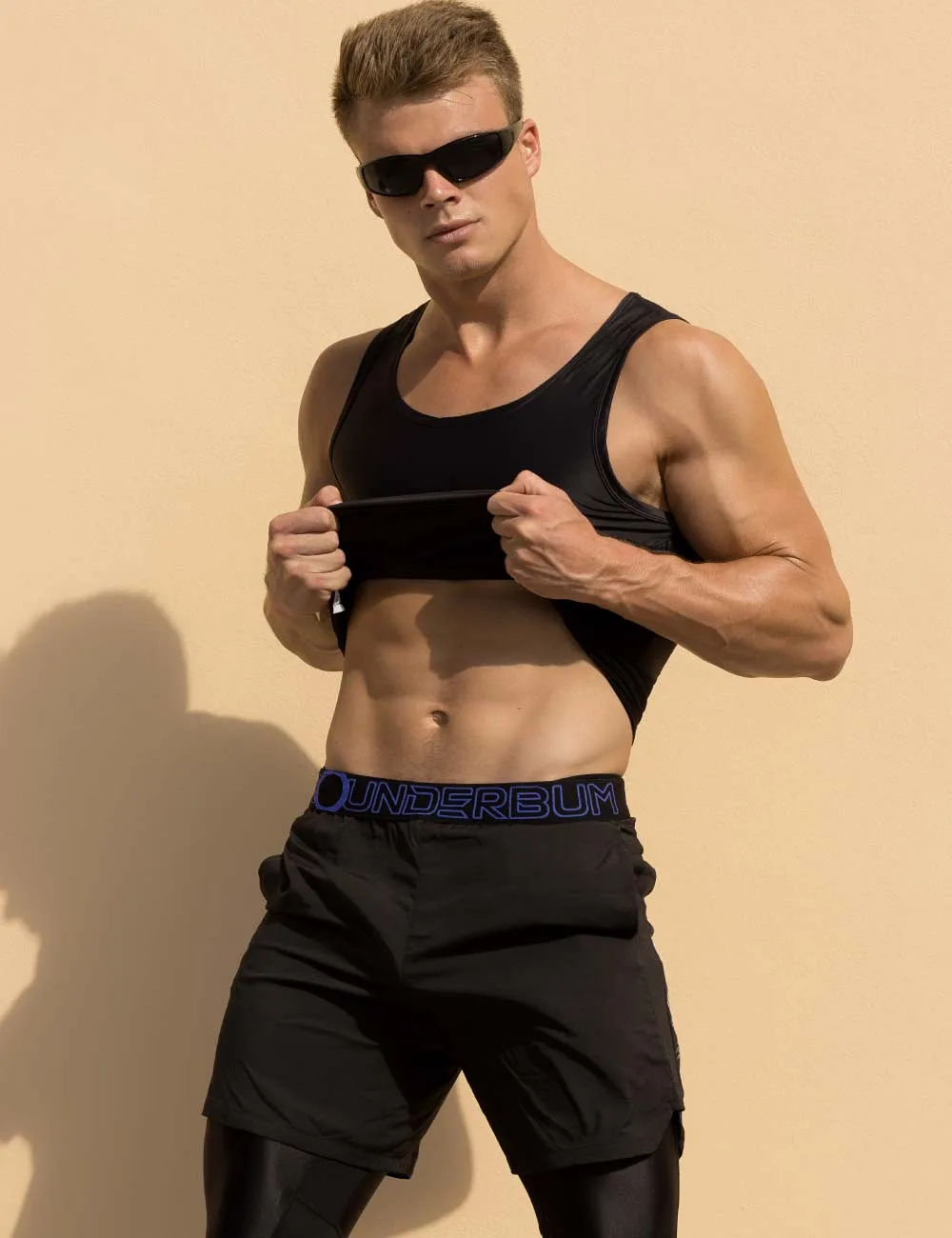
WORKOUT Short
Who Should Wear These Shorts?
Best For
- Runners who also do light to moderate gym work and want one pair for both
- Gym-goers who do occasional cardio and prefer a streamlined, non-restrictive short
Not For
- Serious weightlifters who need a very loose, non-compressive short for heavy squats
- Trail runners who require waterproof or reinforced fabric for rough terrain