Quick answer
Empty the feeder, scrub every surface with hot soapy water and a dedicated brush, rinse thoroughly, then dry completely before refilling. Clean seed feeders at least once a fortnight, and weekly in warm or wet weather when seed clumps and mould appear. Never refill on top of old seed.
When to clean bird feeders
A fortnightly clean is the baseline for dry seed feeders, but the schedule should flex with conditions. Move to weekly, or even twice weekly, during warm spells, prolonged rain, or when many birds are visiting. Clean immediately if you see clumped, damp or discoloured seed, a sour smell, or any bird looking fluffed up and lethargic at the feeder. Empty and clean a feeder before refilling it, because topping up over old seed traps moisture and lets mould and bacteria build underneath the fresh layer.
What you need
Gather hot water, a mild unscented soap or dish liquid, a bottle brush or feeder brush, a rinsing container, and a towel or drying rack. Keep a separate brush for feeders only. Avoid strong disinfectants, bleach, scented cleaners and essential oils around feeding stations, as residues can be harmful to birds. If you use a disinfectant, choose one labelled for animal feeding equipment and follow the dilution and rinsing instructions exactly.
Step-by-step feeder cleaning routine
- Empty and dismantle: Tip old seed into the bin, not onto the ground, and take the feeder apart as far as it is designed to go. Common mistake: shaking old seed onto the lawn, which can spread mould and attract rodents. Checkpoint: no old seed left anywhere in the feeder.
- Wash with hot soapy water: Scrub every surface, including ports, perches and the inside of the tube, using a dedicated brush. Common mistake: only rinsing the outside, leaving a film of seed dust and saliva inside. Checkpoint: no visible residue or slime after scrubbing.
- Rinse thoroughly: Rinse with clean hot water until no soap smell or bubbles remain. Common mistake: skipping the rinse because the feeder looks clean, leaving soap residue that birds ingest. Checkpoint: water runs clear and odour-free.
- Dry completely: Air-dry in a warm, ventilated spot or towel-dry all parts before refilling. Common mistake: refilling a damp feeder, which speeds up mould growth in the seed. Checkpoint: every surface is dry to the touch.
- Refill with fresh seed: Add only enough seed for a few days of expected feeding, and store the rest in a cool, dry, airtight container. Common mistake: filling a large feeder to the top in humid weather, so seed sits uneaten and spoils. Checkpoint: seed is dry, fresh-smelling and free of clumps.
- Clean the surrounding area: Brush or rake up spilled seed and droppings below the feeder, and move the feeder to a new spot if the ground stays damp. Common mistake: leaving a build-up of hulls and waste, which encourages disease and pests. Checkpoint: ground below the feeder is clear after each clean.
One tool that makes silo feeder cleaning easier
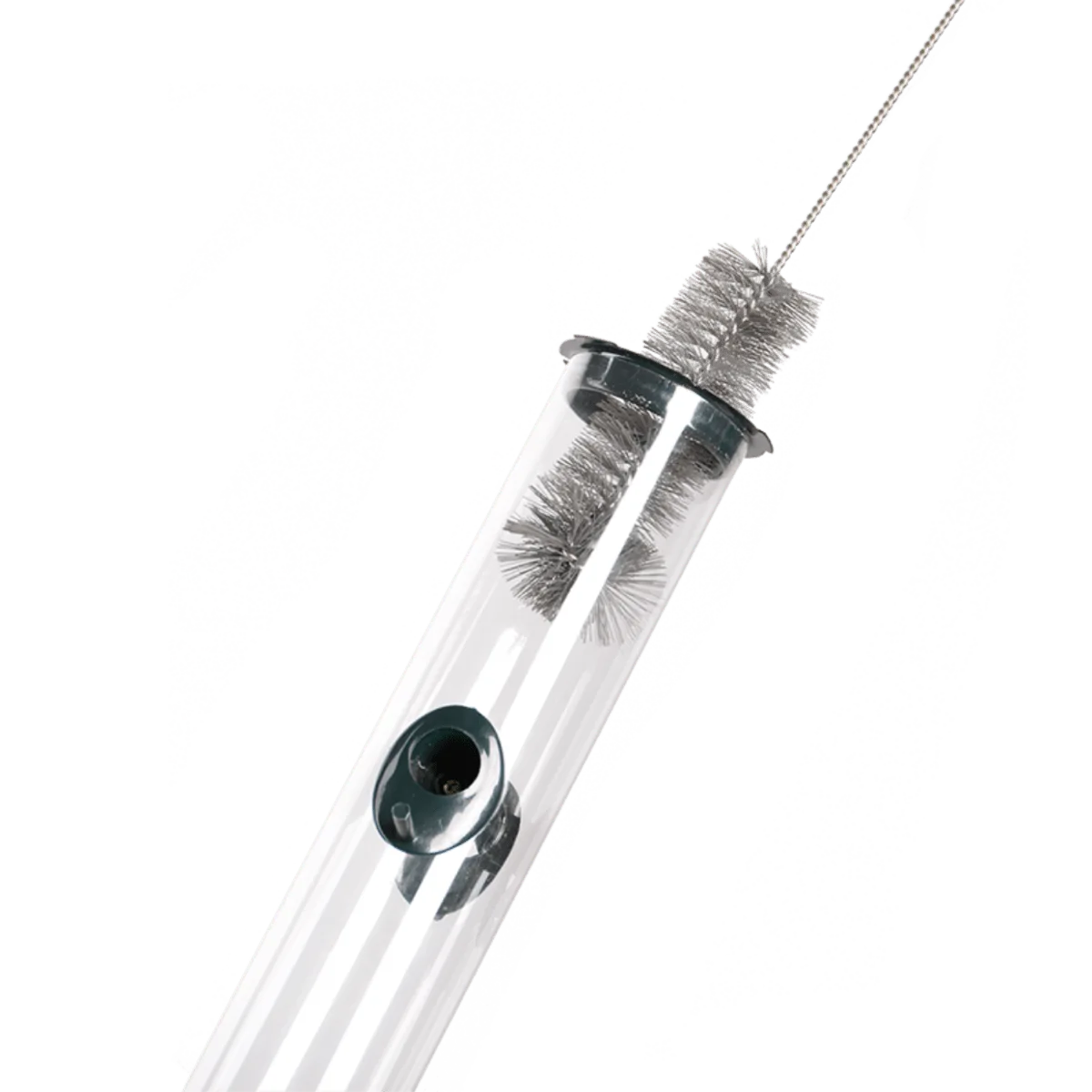
- Bird Silo feeder Cleaning Brush: This Bird Silo feeder Cleaning Brush has an elongated handle and is suitable for all types of silo feeders, made from ash, stainless steel, PP and PUL, measuring 4.7 x 4.7 x 58cm. The long handle reaches the bottom of deep tube feeders without dismantling them, so you can scrub the inside walls where mould and old seed collect.
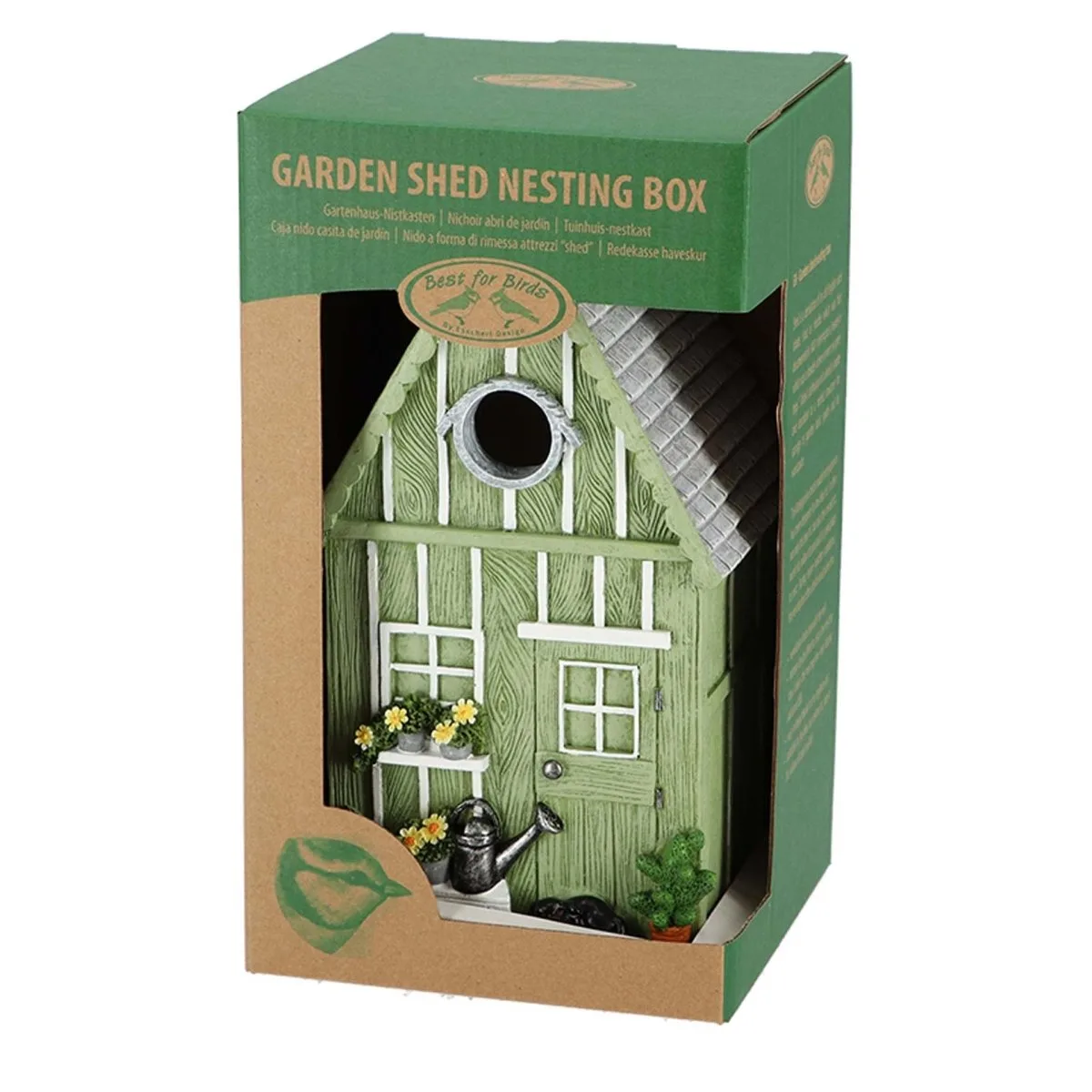
- Garden Shed Bird House: This Garden Shed Bird House is made from polyresin, designed for the tit family, and its bottom can be lifted to clean, with the note to clean the nesting box only during autumn. If you also maintain a nest box, cleaning it at the wrong time can disturb nesting birds, so the autumn-only guidance is a useful checkpoint.