Quick Answer
Start with a blower to remove loose dust, then use a microfiber cloth with a few drops of lens cleaning solution in a gentle circular motion. Never apply pressure or use household cleaners, which can strip coatings and scratch the glass.
Why Camera Lenses Scratch So Easily
Modern camera lenses have delicate anti-reflective and oleophobic coatings that are softer than the glass itself. Rubbing a dry lens with a shirt, paper towel, or even a dirty microfiber cloth can create micro-scratches that degrade image quality over time. The goal is to remove contaminants before they become abrasives.
What You'll Need for Safe Lens Cleaning
A basic lens cleaning kit typically includes a blower (air puffer), a microfiber cloth, and a dedicated lens cleaning solution. Avoid pre-moistened wipes or alcohol-based sprays, which can damage coatings. A soft brush can help dislodge stubborn dust, but use it only on the lens barrel, not the glass.
When to Clean vs. When to Leave It Alone
A few dust specks rarely affect photos. Only clean when you see visible smudges, fingerprints, or haze that reduces contrast. Over-cleaning wears down the coating faster. If you shoot in dusty environments, use a UV filter as a sacrificial layer and clean that instead.
Step-by-Step: Clean Your Lens Without Damage
- Step 1: Blow Off Loose Dust: Use a blower to direct puffs of air across the lens surface at a slight angle. Hold the camera facing downward so dust falls away rather than settling back inside the barrel. Common mistake: using compressed air cans, which can spray propellant onto the lens. Stick to a manual blower.
- Step 2: Brush Away Stubborn Particles: If dust remains, gently sweep a soft lens brush from center to edge. Do not press into the glass. A single grain of sand dragged across the surface can leave a permanent scratch. Checkpoint: after brushing, inspect under a bright light. If no particles remain, skip the wet step.
- Step 3: Apply Solution to the Cloth, Not the Lens: Put one or two drops of lens cleaning solution on a clean microfiber cloth. Wipe in a circular motion from the center outward, rotating to a clean area of the cloth as you go. Never pour liquid directly on the lens. Common mistake: using too much solution. Excess moisture can seep into the lens barrel and cause fungus or haze.
- Step 4: Dry with a Fresh Microfiber Area: Flip the cloth to a dry section and buff the lens gently to remove any remaining streaks. If smudges persist, repeat step 3 with a new drop of solution. Verdict: a clean lens should look clear under a bright light with no residue. If you still see haze, the coating may be worn rather than dirty.
Related Products That Help You Keep Your Gear Clean
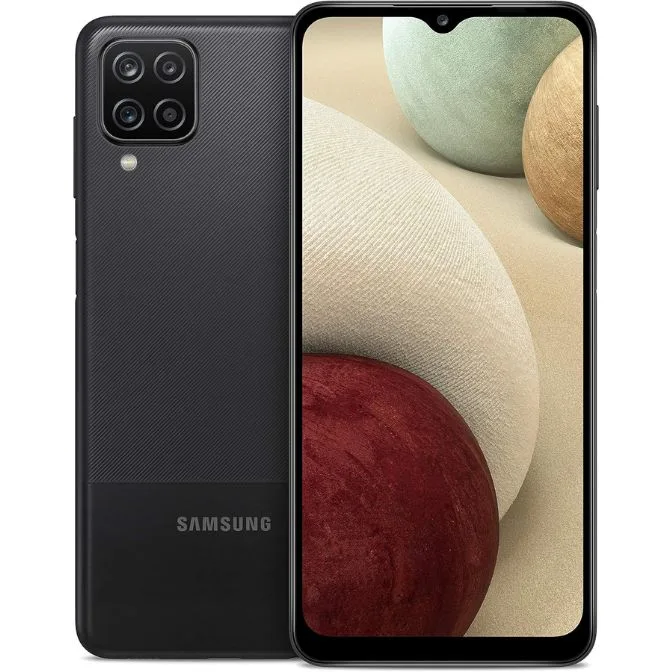
- Samsung Galaxy A12, Unlocked Smartphone, Android Cell Phone, Multi-Camera System, Expandable Storage, US Version, 32Gb, Black (factory renewed): Samsung Smartphone – Enjoy an immersive 6.5” HD+ Infinity-V display. Powered by a MediaTek Helio P35 processor, 3GB RAM, and 32GB storage for smooth performance. Capture great shots with a 48MP quad-camera system and 8MP front camera. Stay powered all day with a 5000mAh battery. If you use your phone as a primary camera, the same cleaning rules apply. A microfiber cloth and gentle technique keep the multi-camera system free of smudges without scratching the lens cover glass.