Quick Answer
Wash your baby's teether with warm soapy water and rinse thoroughly after every use. For deep cleaning, use a gentle steam or boiling method only if the manufacturer allows it.
Why Cleaning Method Matters
Teethers spend a lot of time in your baby's mouth, so keeping them clean is important for hygiene. But harsh cleaners, high heat, or abrasive scrubbing can damage the material, creating rough spots or weakening the teether.
Different materials need different care. Silicone teethers are generally more heat-resistant than plastic ones, but even silicone can degrade if boiled too long. Always check the label or packaging for cleaning instructions before you start.
Daily Cleaning vs. Deep Sanitizing
For everyday cleaning, warm soapy water is enough to remove saliva, dirt, and most germs. You don't need to sanitize a teether every single time it drops on the floor, unless it falls in a particularly dirty spot.
Deep sanitizing—like boiling or steaming—should be done occasionally, such as when the teether is new or after an illness. Doing it too often can wear down the material faster.
What to Avoid
Don't use bleach, harsh chemicals, or abrasive sponges; they can leave residues or scratch the surface. Also avoid putting teethers in the dishwasher unless the manufacturer explicitly says it's safe, because high heat and detergents can be too harsh.
If a teether becomes sticky, cracked, or has rough edges, replace it. Damaged teethers can harbor bacteria and may pose a choking hazard.
Teether Cleaning Diagnosis
- Symptom: Your teether looks dirty, feels sticky, or has been dropped on the floor or in a dirty area.
- Likely Cause: Saliva, food particles, or germs from the floor or hands have built up on the surface.
- Corrective Action: Wash immediately with warm water and mild dish soap, scrubbing gently with a clean cloth or soft brush. Rinse thoroughly and air dry. For deep sanitizing, follow the manufacturer's instructions for boiling or steaming, and never exceed the recommended time. If the teether is made of silicone, you can often boil it for 2-3 minutes, but always check the label first.
- Stop or Choose Another Option: If the teether shows signs of damage—cracks, sticky residue, or discoloration—stop using it and replace it with a new one. If you're unsure about the material, choose a teether with clear cleaning instructions, like the Cookies & Cream Calm 'n Cuddle™ Teether. When in doubt, toss it out. Your baby's safety comes first.
Teether Care Spotlight
-
COOKIES & CREAM TEETHER: The Cookies & Cream Calm 'n Cuddle™ Teether features unique brown, grey and white design, and is ideal for little hands. Its unique texture and shape make it a favorite for babies, so keeping it clean with gentle methods ensures it stays safe and lasts longer.
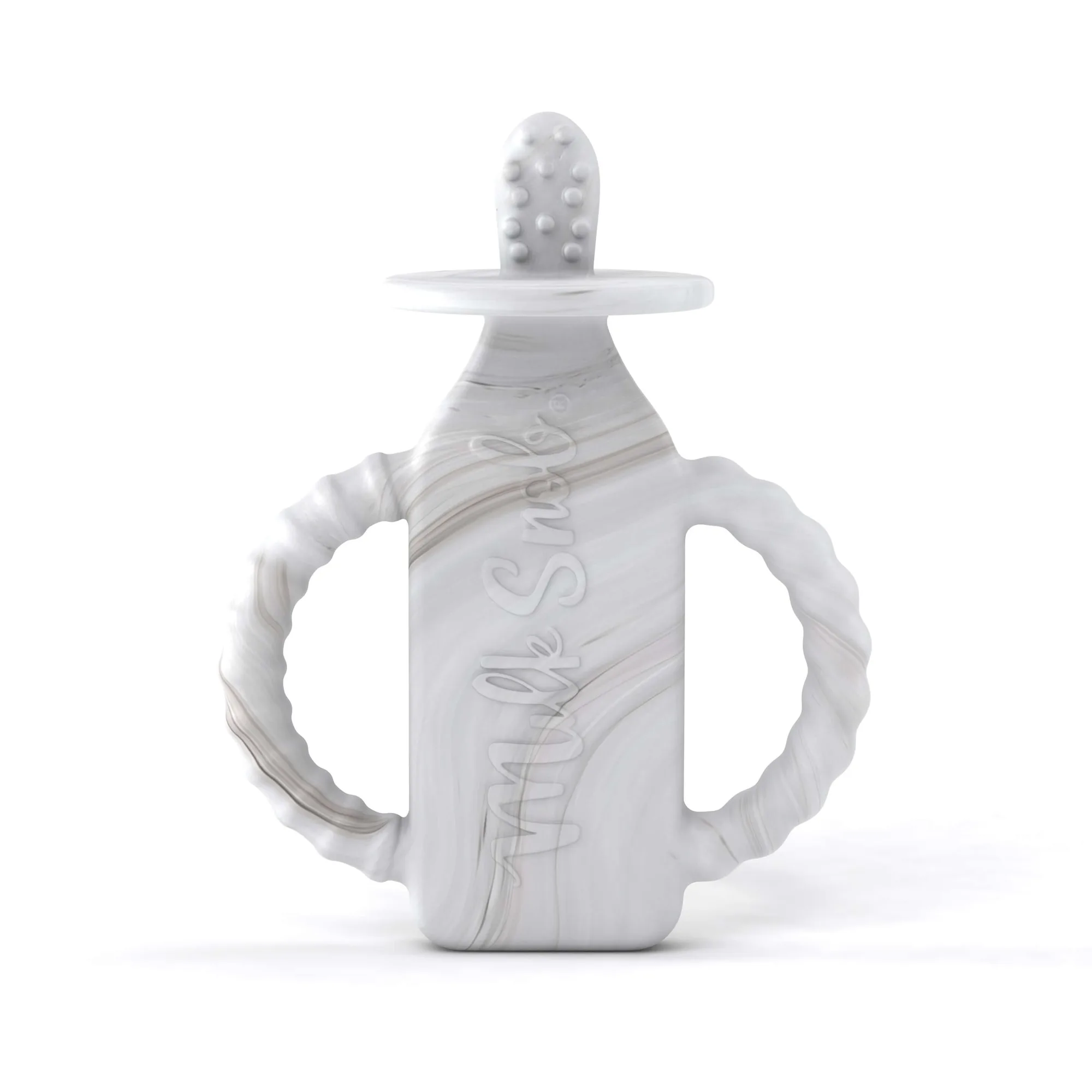
COOKIES & CREAM TEETHER