Quick Answer
To clean pot holders, check the care label, pre-treat stains, and wash in cold or warm water with mild detergent—air dry or tumble dry low. Store them flat or hung in a dry spot, and replace any that show melted fibers or thinning fabric to maintain heat protection.
Pot holders take a lot of heat, grease, and sauce splatters, yet they rarely get the care they deserve. A dirty or worn pot holder not only looks bad—it can lose its ability to protect your hands. Knowing how to clean pot holders properly extends their life and keeps them safe to use.
In this guide, we’ll walk through washing, drying, and storing your pot holders, plus what to look for when heat resistance starts to fade. You’ll also see how a few well-chosen kitchen tools can make the whole process easier.
Check the Care Label First
Before you toss a pot holder in the wash, look for the care label. Many are made from cotton, silicone, or a blend, and each material has different limits. Cotton can usually handle a machine wash, but silicone or insulated versions may need hand washing to avoid damage.
If the label is missing or unreadable, test a small corner with warm water and mild soap. If the color bleeds or the fabric stiffens, switch to a gentler method. When in doubt, hand washing is the safest route for preserving heat-resistant layers.
- Always remove any metal rings or hooks before washing to avoid snagging.
- If the pot holder has a hanging loop, wash it inside a mesh bag to protect the loop.
Pre-Treat Stains and Grease
Grease and food residue are the most common culprits on pot holders. Pre-treating before the wash makes a big difference. Apply a small amount of dish soap or a stain remover directly to the stained area, let it sit for 10–15 minutes, then rinse with warm water.
For stubborn baked-on spots, make a paste of baking soda and water, gently rub it in, and let it sit before washing. Avoid using bleach on colored pot holders—it can weaken the fabric and fade the color, which may also reduce heat protection.
- Test any stain remover on a hidden spot first to avoid discoloration.
Wash and Dry with Care
Machine washing on a gentle cycle with cold or warm water and a mild detergent works for most cotton pot holders. Hot water can shrink or distort the fabric, so stick to cooler temperatures. For silicone or insulated styles, hand washing in warm soapy water is often recommended to preserve the heat-resistant core.
After washing, air drying is the gentlest option. If you use a dryer, choose low heat and remove the pot holders while they are still slightly damp to prevent overdrying. High heat can melt synthetic fibers or degrade the insulation, so avoid it unless the label says otherwise.
- Reshape pot holders while damp to maintain their flat shape.
- Do not iron pot holders—heat can damage the protective layers.
Store Them to Prevent Wear
Proper pot holder storage keeps them dry, clean, and ready to grab. Hang them on a hook near the stove, or store them flat in a drawer—but avoid folding them tightly, as creases can weaken the fibers over time. Keep them away from direct heat sources and moisture to prevent mildew.
If you stack them, place a piece of parchment paper between each one to avoid color transfer or sticking, especially if they are silicone. A dedicated drawer or a small basket can keep them organized and protected from accidental spills.
- Avoid storing pot holders in a damp drawer or cabinet—moisture can breed bacteria.
- Check periodically for signs of wear like thinning fabric or melted spots.
Know When to Replace
Even with careful washing, pot holders have a lifespan. If you see melted fibers, holes, or a stiff, cracked surface, it’s time to replace them. A pot holder that has lost its flexibility or thickness may no longer provide adequate heat protection.
Also, if a pot holder has absorbed a strong odor that doesn’t wash out, or if the fabric feels noticeably thinner, don’t risk a burn. Investing in a fresh set is cheaper than a trip to the doctor.
- Replace pot holders every 1–2 years with regular use, or sooner if they show damage.
Step-by-Step Pot Holder Care Routine
- Inspect and prepare: Check the care label and look for any damage. Remove loose debris and pre-treat stains with a mild detergent or baking soda paste. Catching damage early prevents a ruined pot holder or a safety hazard.
- Wash gently: Machine wash on gentle with cold or warm water, or hand wash in soapy water for delicate or silicone styles. Avoid bleach and hot water. Cooler water preserves fabric strength and color.
- Dry properly: Air dry flat or tumble dry on low. Remove while slightly damp and reshape. Never iron or expose to high heat. Proper drying prevents shrinkage and maintains heat resistance.
- Store safely: Hang or lay flat in a dry area away from heat and moisture. Avoid tight folding and stacking without separation. Good storage prevents creases, mildew, and premature wear.
- Replace when worn: Monitor for thinning, melting, or stiffness. If the pot holder no longer feels protective, replace it immediately. Your safety is worth the small cost of a new pot holder.
Tools That Make Pot Holder Care Easier
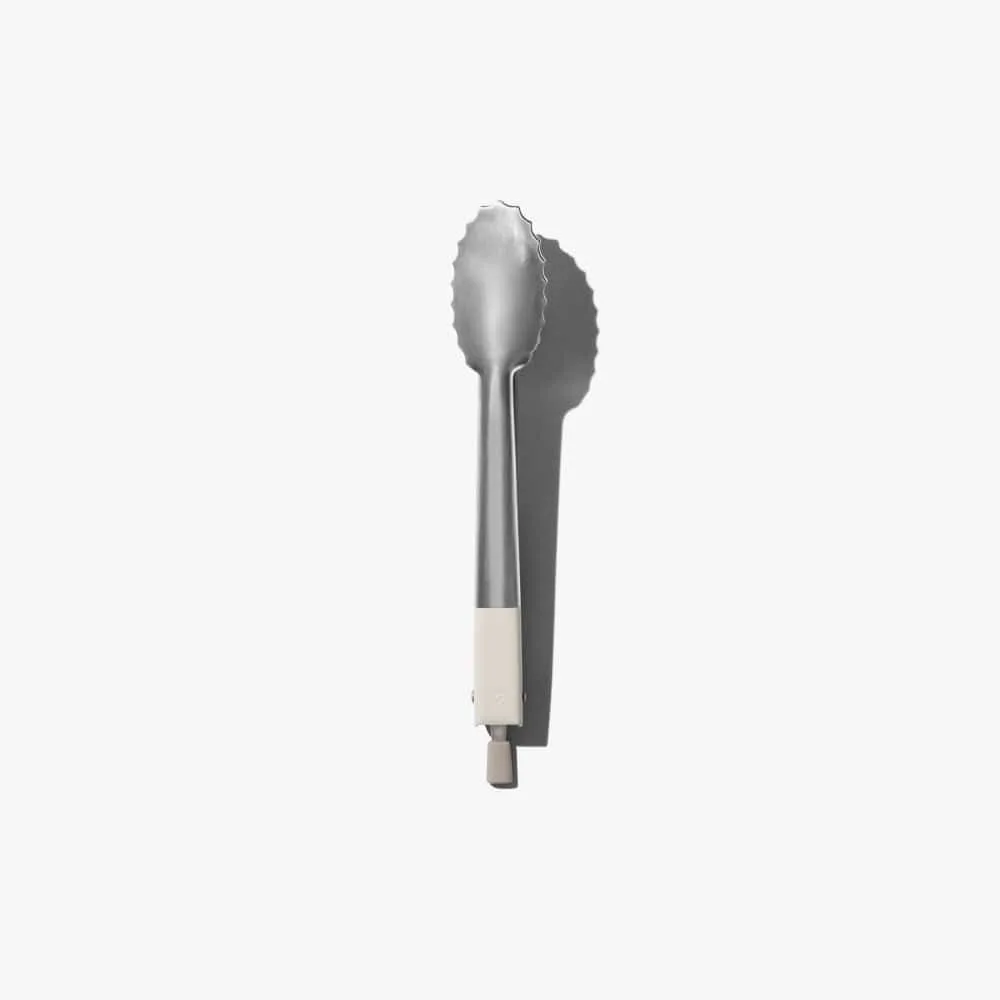
- Tongs - Enoki White: Hedley & Bennett presents the Tongs in Enoki White, a versatile kitchen tool designed for precision and ease. Crafted for everyday use, these tongs offer reliable performance for flipping, serving, and plating. Using tongs for flipping and serving reduces how often you need to grab a pot holder, which means less grease and stains to clean off.
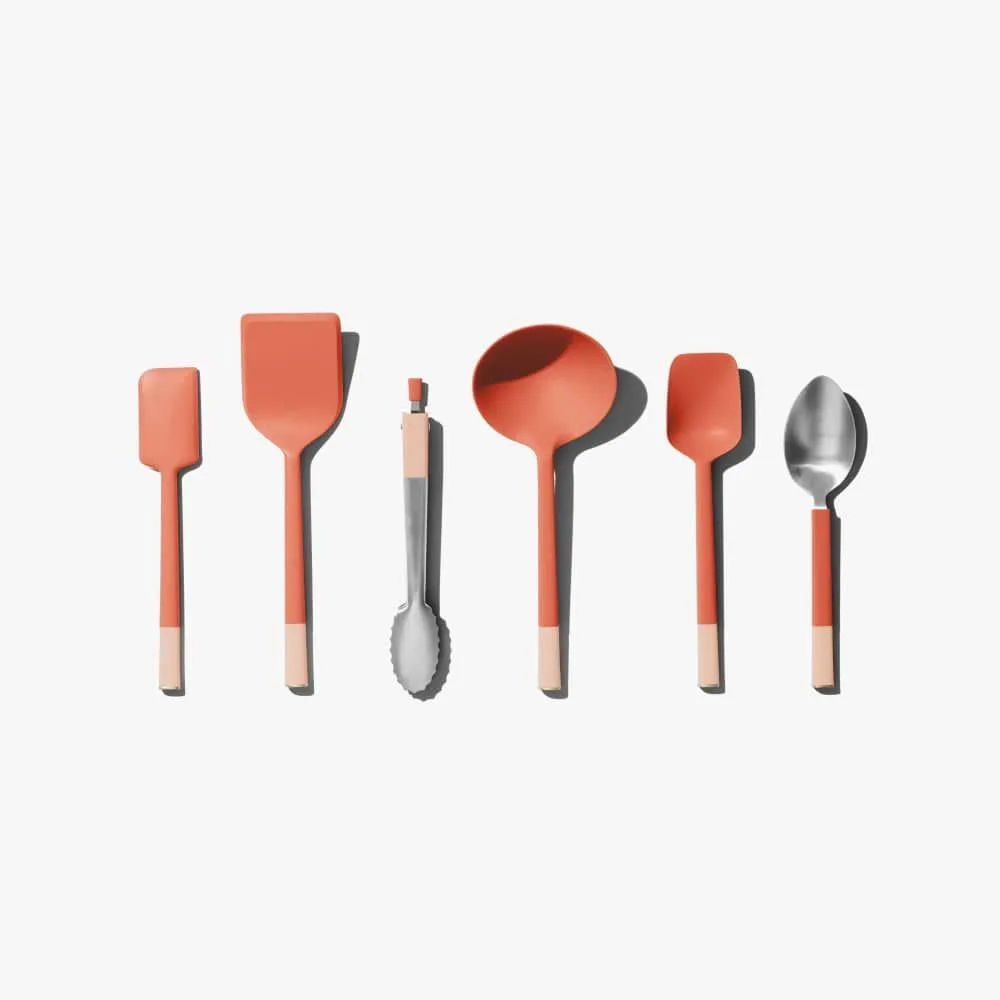
- Spatula - Shiso Green: This Spatula in Shiso Green from Hedley & Bennett is a versatile kitchen tool designed for everyday cooking and baking. Its sleek green hue adds a pop of color to your culinary workspace while providing reliable performance for flipping, stirring, and serving. A good spatula helps you handle hot food without extra contact, keeping your pot holders cleaner and extending their life.
- Turner - Harissa Red: The Turner in Harissa Red is a versatile kitchen tool designed for everyday cooking tasks. Its bold color adds a vibrant touch to your culinary space. A sturdy turner lets you flip and lift with control, so you rely less on pot holders for tasks that could be done with a tool.
Caring for your pot holders doesn’t take much time, but it pays off in safety and longevity. By washing them gently, storing them properly, and replacing them when they show wear, you’ll always have reliable protection between your hands and hot cookware. Pair them with quality kitchen tools like tongs and spatulas to reduce mess and keep your pot holders looking new for longer.