Quick answer
To keep silicone little dippers clean and long-lasting, rinse them right after use, wash with warm soapy water or in the dishwasher, remove stains with a baking soda paste, and store them dry in a cool, dark place. Avoid abrasive scrubbers and high heat to prevent damage.
Silicone little dippers are a handy tool for introducing your baby to self-feeding. Their soft, flexible material is gentle on gums, but it can attract dust, oils, and food residue if not cared for properly. With a few simple habits, you can keep them looking fresh and safe for every meal.
This guide walks you through the best ways to clean silicone utensils, remove stubborn stains, and store them so they stay in top condition for months. Follow these steps to make cleaning quick and keep your little one's feeding tools ready for action.
Why Silicone Needs Special Care
Silicone is durable and food-safe, but it has a few quirks. It tends to attract lint and dust, and it can absorb strong odors or colors from foods like tomato sauce or berries. Knowing how to handle these issues makes all the difference.
Unlike plastic, silicone can handle high and low temperatures, but it should not be exposed to direct flames or very high heat settings. Also, abrasive pads or harsh chemicals can scratch the surface, creating places for bacteria to hide. Gentle cleaning is key.
- Always check the care label on your specific silicone product for any manufacturer instructions.
Daily Cleaning Routine
The easiest way to keep silicone little dippers clean is to rinse them immediately after use. Food particles dry quickly and can be harder to remove later. A quick rinse under warm water removes most residue.
For a thorough clean, wash with warm water and a mild dish soap. Use a soft sponge or cloth. You can also place silicone utensils on the top rack of the dishwasher, but avoid the heated dry cycle to prevent any potential warping or discoloration over time.
- If you hand wash, make sure to dry them completely before storing to prevent water spots or mold.
Removing Stains and Odors
Stubborn stains from colorful foods can make silicone look dull. A simple paste of baking soda and water works wonders. Apply it to the stained areas, let it sit for a few minutes, then rinse and wash normally.
For odors, you can soak the dippers in a solution of equal parts water and white vinegar for about 30 minutes. Rinse thoroughly afterward. This is a safe, natural method that won't leave any harmful residues.
- Avoid using bleach or strong chemical cleaners—they can degrade the silicone.
Storage Tips to Extend Lifespan
Proper storage prevents damage and keeps silicone items clean. Store little dippers in a dry, well-ventilated area away from direct sunlight. Prolonged exposure to UV light can cause silicone to fade or become brittle.
Keep them separate from sharp objects that could cut or puncture the material. A dedicated drawer or container works well. Also, avoid stacking heavy items on top of them, as this can deform their shape over time.
- If you travel with them, use a clean, dry pouch to keep them protected and lint-free.
Step-by-Step Cleaning Routine
- Rinse immediately after use: Hold the dipper under warm running water to remove loose food particles. This prevents residue from drying and sticking. Checkpoint: No visible food pieces should remain before washing.
- Wash with mild soap and warm water: Use a soft sponge or cloth with a gentle dish soap. Scrub all surfaces, including the handle and any textured areas. Mistake to avoid: Don't use abrasive pads or harsh chemicals that can scratch the silicone.
- Rinse thoroughly: Ensure all soap is completely rinsed off. Soap residue can affect the taste of food and may irritate your baby's mouth. Checkpoint: The dipper should feel squeaky clean, not slippery.
- Dry completely: Air-dry on a clean dish rack or pat dry with a lint-free towel. Make sure there's no moisture left, especially in any crevices. Mistake to avoid: Storing wet silicone can lead to mold or mildew.
- Store in a clean, dry place: Keep the dippers in a drawer or container away from direct sunlight and sharp objects. Avoid stacking heavy items on top. Checkpoint: They should be ready for the next meal without any damage.
Silicone Utensils That Make Cleaning Easier
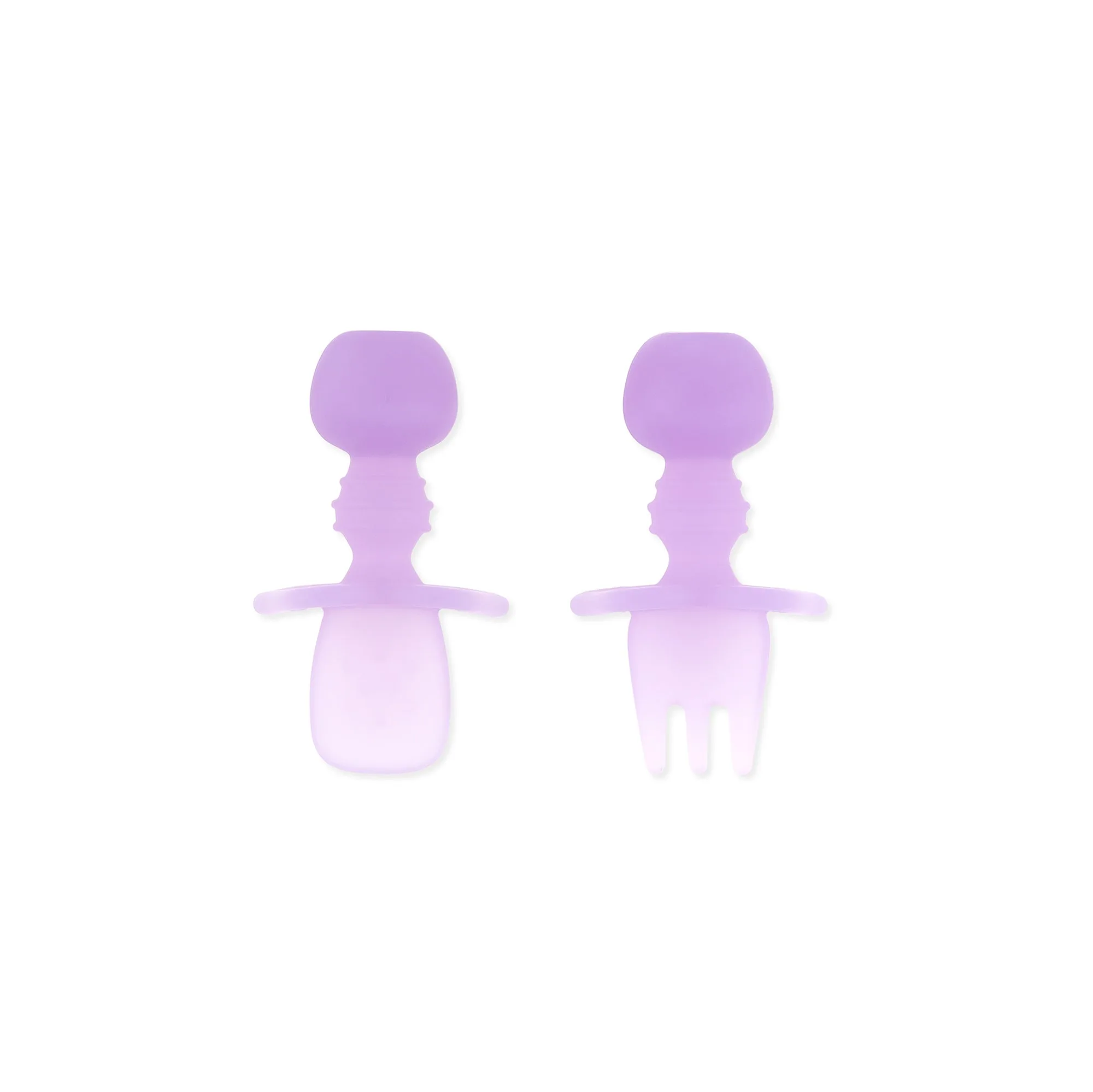
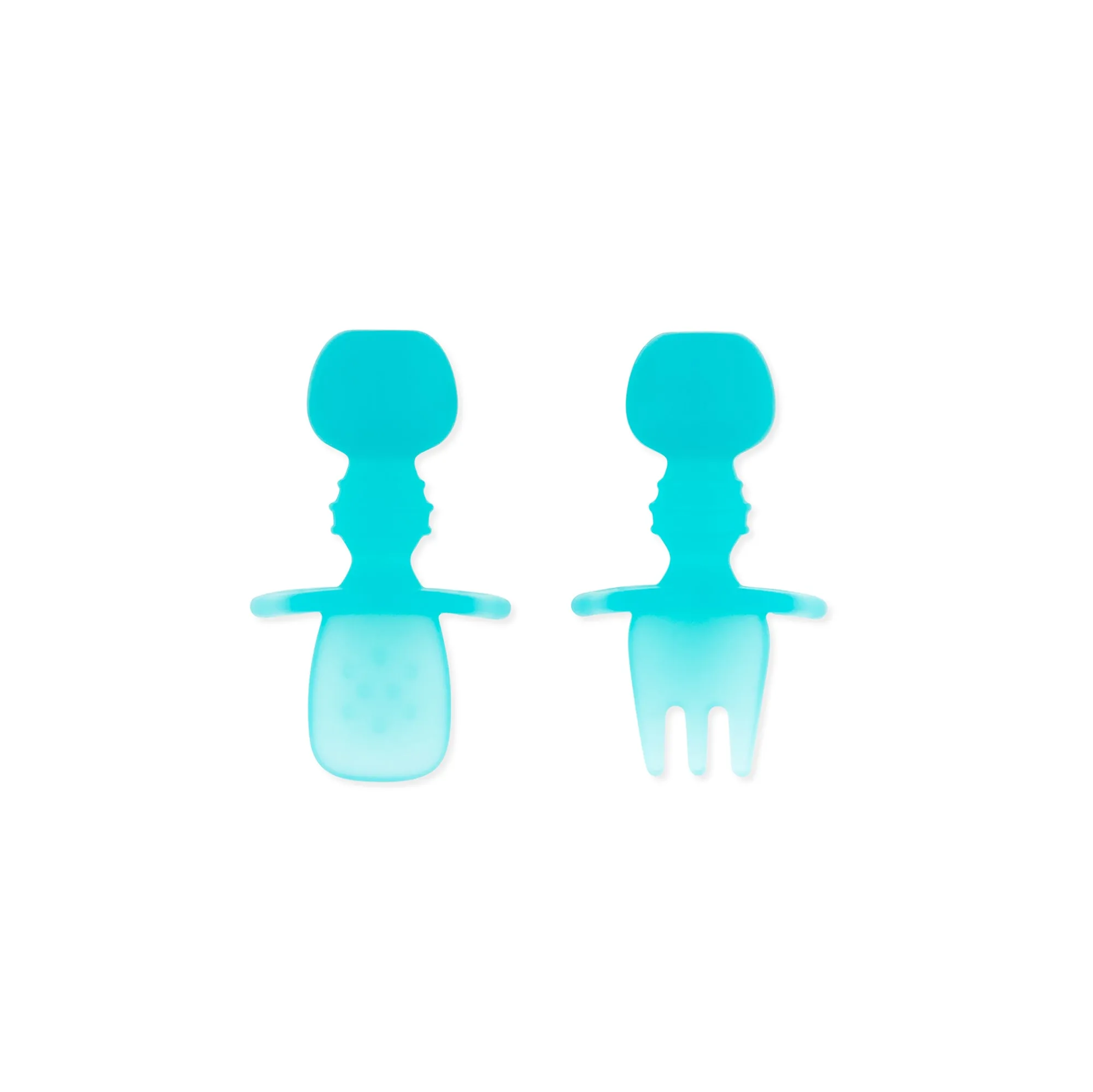
- Silicone Chewtensils®: Sand: Both the spoon and fork are made from soft, textured, 100% food-safe platinum silicone that’s easy to grip and gentle on tender gums, with bendable heads for safety. The smooth, non-porous surface of platinum silicone resists food buildup, making these utensils quick to rinse and easy to keep hygienic with the daily routine above.
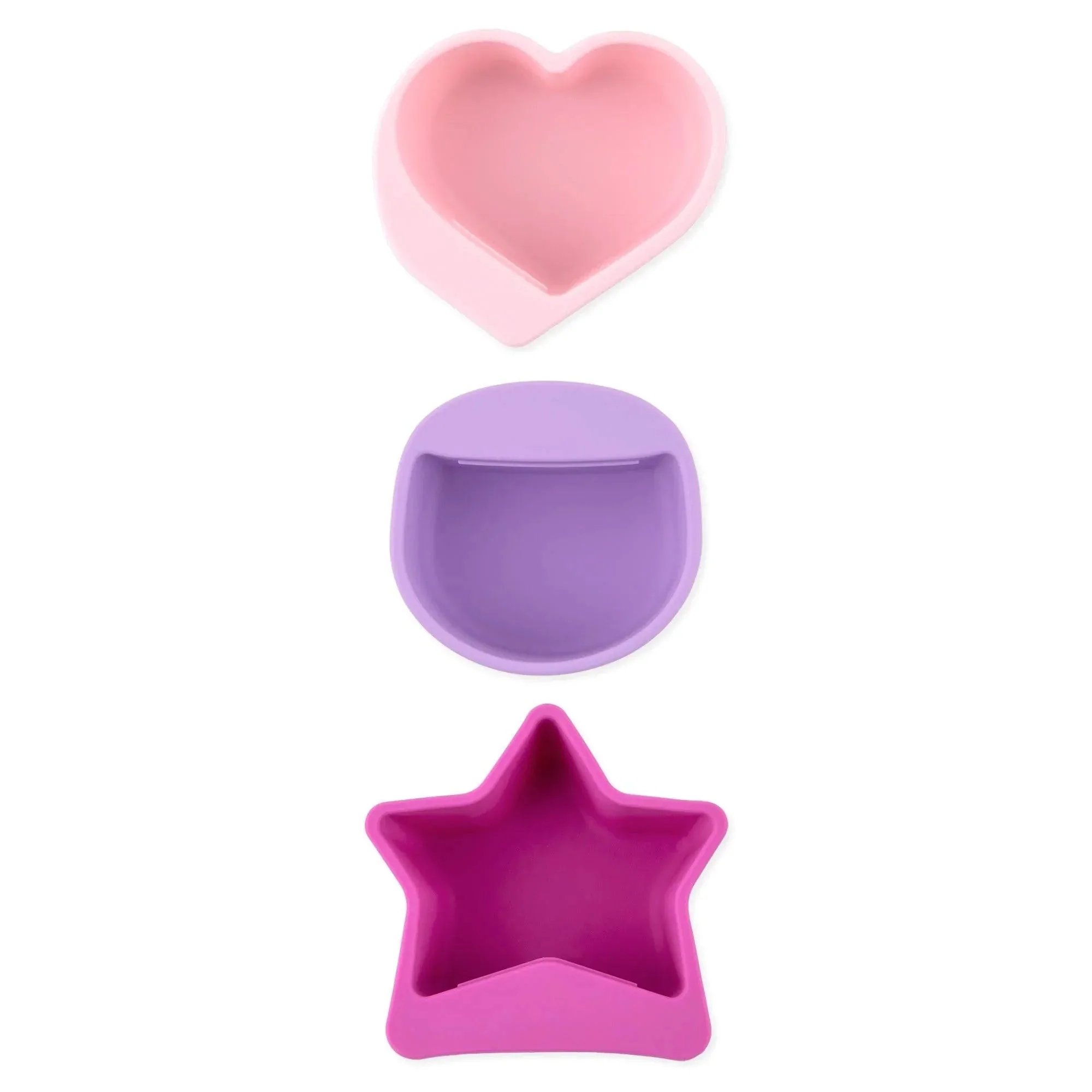
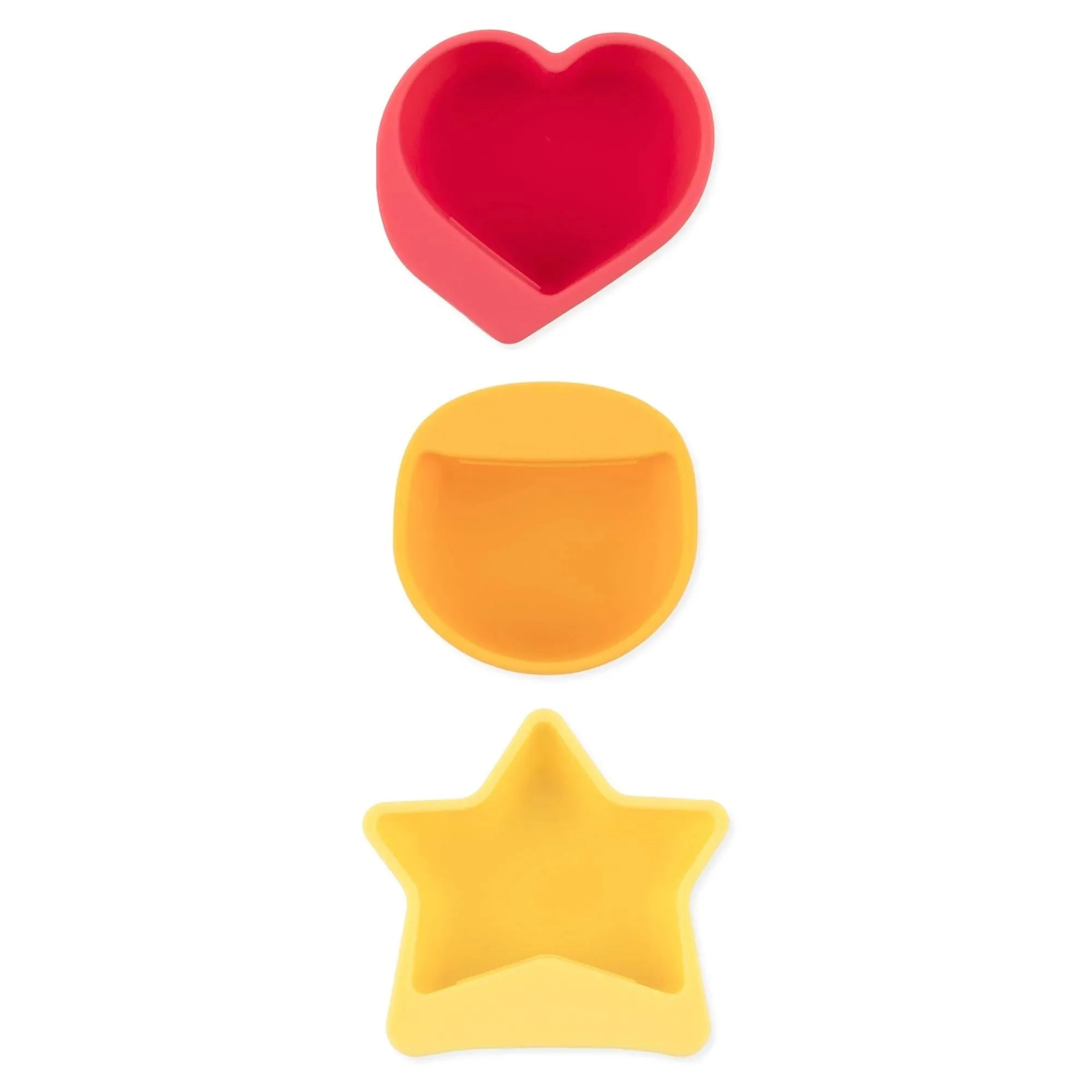
- Silicone Dipping Spoons 3 Pack: Tutti-Frutti: Made from 100% food-safe silicone that is gentle on gums, these spoons are double-ended to grow with baby—one side for dipping into purees, the other for scooping. Because they're double-ended, you'll want to clean both ends thoroughly. The simple silicone material responds well to warm soapy water or a dishwasher top rack.
With these simple steps, you can keep your silicone little dippers clean, safe, and long-lasting. Regular care not only maintains their appearance but also ensures they remain a reliable tool for your baby's self-feeding journey. Remember, a little daily attention goes a long way.