Quick Answer
For most CALPAK duffel bags, hand washing is the safest method to preserve fabric and shape. Machine washing is possible but requires gentle cycles, cold water, and a laundry bag to protect straps and zippers. Always check the care label first and spot clean when possible.
Your CALPAK duffel bag is a workhorse for gym sessions, weekend getaways, and daily commutes. But all that use means dirt, sweat, and spills can build up. To keep it looking fresh and lasting longer, you need to know the right cleaning methods.
This guide walks you through the steps to clean your duffel bag safely, whether you choose machine wash or hand wash. We'll also share care tips to help you avoid common mistakes that can damage your bag.
Before You Start: Check the Care Label and Empty Your Bag
Always begin by checking the care label inside your duffel bag. CALPAK bags often use materials like recycled ripstop or polyester that have specific washing instructions. Ignoring these can lead to shrinking, color fading, or damaged coatings.
Empty every pocket and turn the bag inside out to remove loose debris. Use a soft brush or lint roller to dislodge crumbs, sand, or pet hair. For stubborn stains, treat them with a gentle stain remover before washing, but test it on an inconspicuous area first.
- Check the care label for specific instructions.
- Empty all pockets and shake out debris.
- Spot test any stain remover on a hidden area.
Machine Washing Your Duffel Bag: Pros, Cons, and How to Do It Right
Machine washing is convenient, but it can be harsh on your bag's fabric, zippers, and padding. If your care label allows it, use a front-loading machine or a top-loader without a central agitator. Place the bag in a mesh laundry bag to protect it from snagging.
Use cold water and a gentle cycle with mild detergent. Avoid bleach and fabric softeners, which can break down fibers and affect water resistance. After washing, remove the bag promptly and reshape it while damp. Air dry only—never put it in the dryer, as heat can warp the shape and damage materials.
- Use a mesh laundry bag to protect the bag.
- Wash with cold water and mild detergent.
- Air dry completely before storing.
Hand Washing: The Safest Method for Delicate Duffels
Hand washing gives you the most control and is gentler on your duffel bag. Fill a sink or basin with cold water and add a small amount of mild detergent. Submerge the bag and gently scrub with a soft cloth or sponge, paying extra attention to dirty areas like the bottom and handles.
Rinse thoroughly with clean water to remove all soap residue. Press out excess water without wringing or twisting, which can distort the bag's shape. Lay it flat on a dry towel, roll it up to absorb moisture, then reshape and air dry away from direct sunlight.
- Use cold water and mild detergent.
- Gently scrub with a soft cloth.
- Roll in a towel to remove excess water, then air dry.
Drying and Post-Cleaning Care
Proper drying is crucial to prevent mildew and maintain the bag's structure. Always air dry your duffel bag, preferably in a well-ventilated area. Avoid direct sunlight, which can fade colors, and never use a dryer or heater.
Once dry, you can apply a fabric protector spray if the bag is not already water-resistant. Store your duffel bag stuffed with tissue paper or a towel to help it keep its shape. For long-term storage, keep it in a cool, dry place away from moisture.
- Air dry in a shaded, ventilated area.
- Use a fabric protector if needed.
- Stuff the bag to maintain shape when storing.
Step-by-Step Duffel Bag Cleaning Routine
- Spot Clean First: Treat stains with a gentle cleaner and a soft cloth. This often removes dirt without a full wash. Checkpoint: If stains lift easily, you may not need to wash the whole bag.
- Prepare the Bag: Empty all pockets, turn the bag inside out, and remove any detachable straps or accessories. Checkpoint: Missing a pocket can leave residue or cause damage.
- Choose Your Wash Method: Hand wash with cold water and mild detergent for delicate bags. Machine wash only if the care label allows, using a gentle cycle and a mesh bag. Checkpoint: When in doubt, hand wash is safer.
- Rinse Thoroughly: Ensure no soap remains, as residue can attract dirt and irritate skin. Checkpoint: Rinse until the water runs clear.
- Dry Flat and Air Dry: Press out excess water with a towel, reshape the bag, and air dry away from direct heat or sunlight. Checkpoint: Never machine dry—heat can warp the bag.
Products Mentioned in This Guide
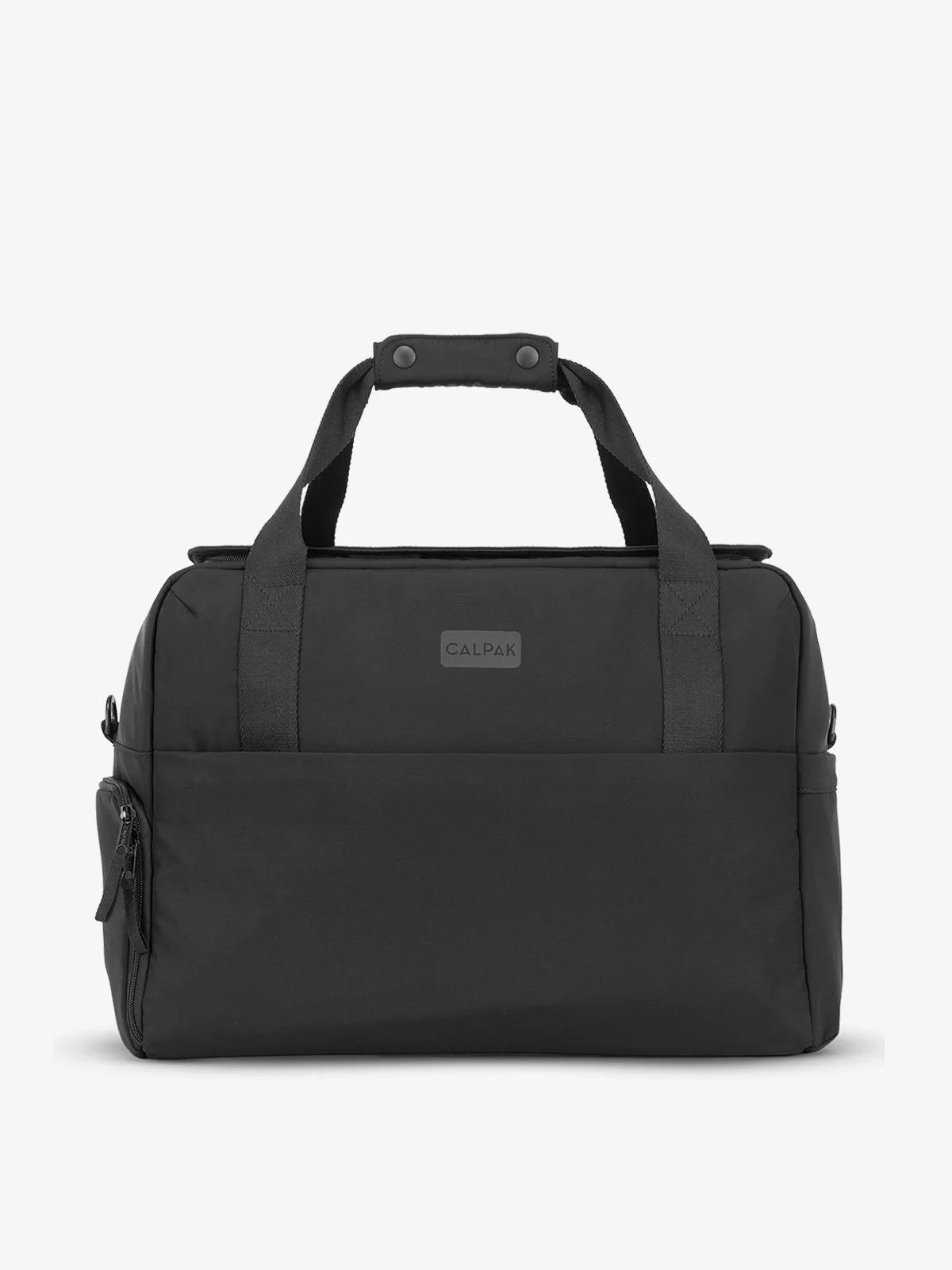
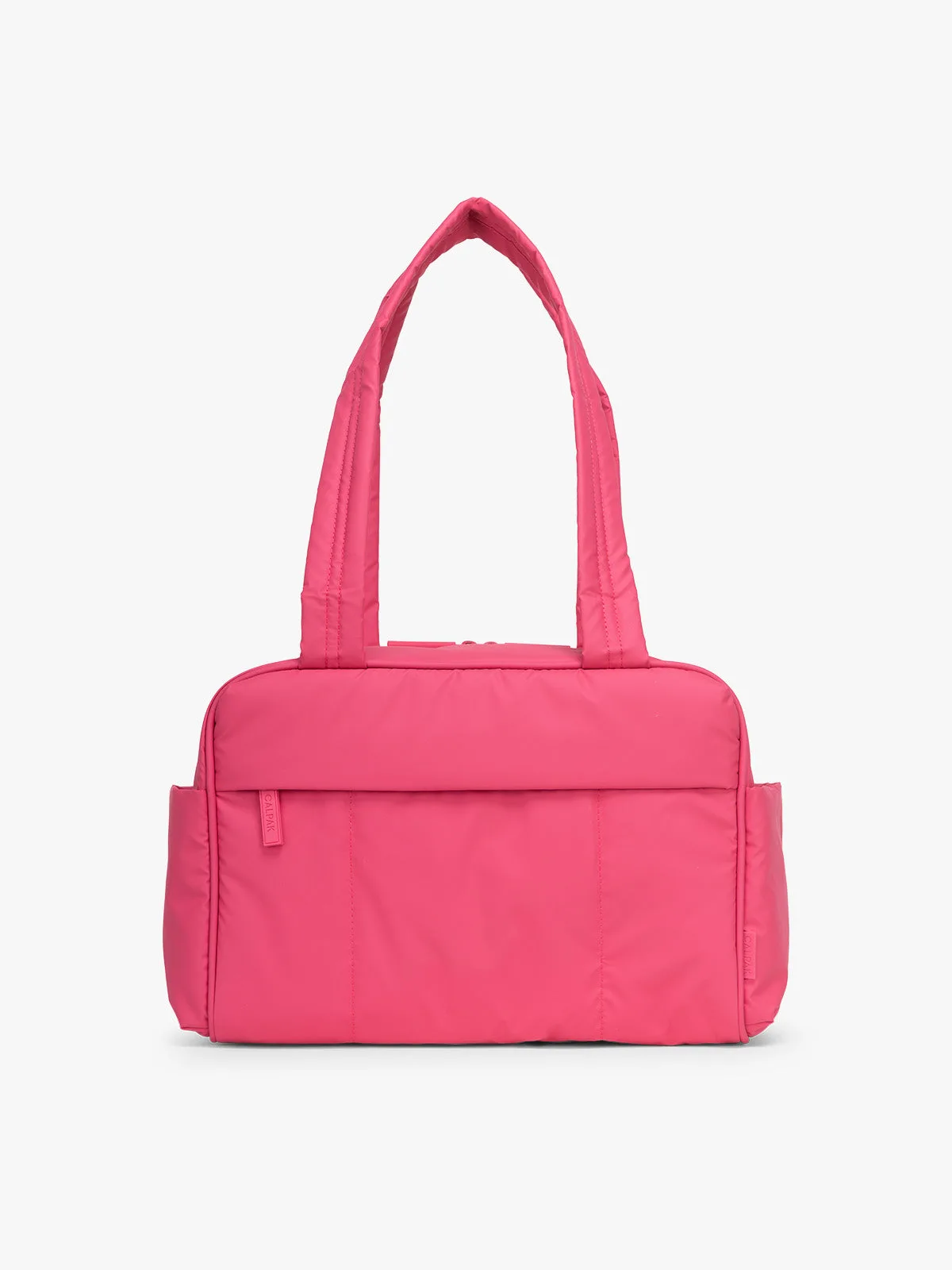
- Luka Mini Duffel: This lightweight mini duffel that’s big on style and even bigger on function. From its dedicated water bottle holders to the plush, padded straps, every detail is crafted for life on the move. The padded straps and water bottle holders benefit from gentle hand washing to avoid damaging the plush padding and elastic details.
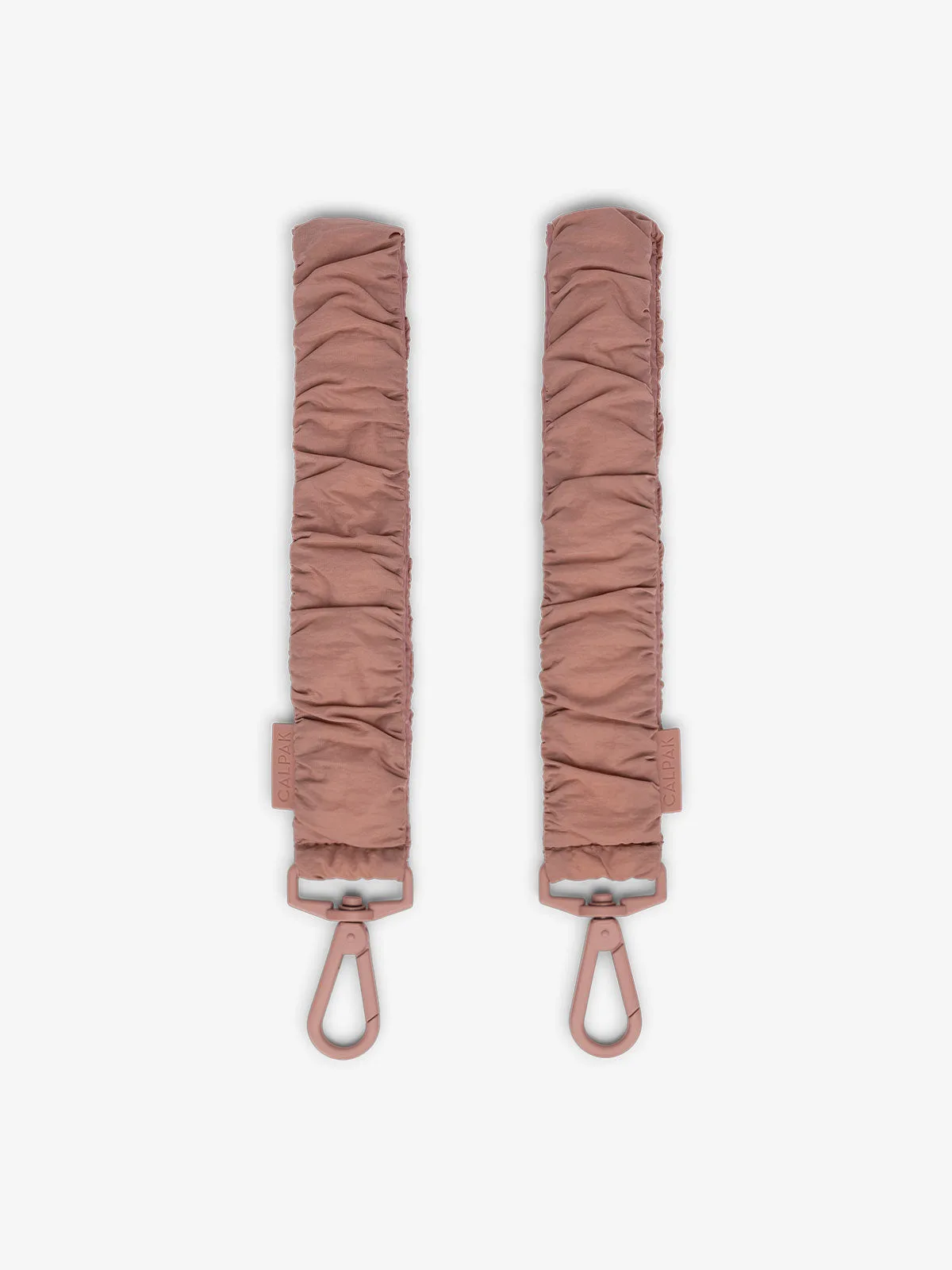
- Stroller Straps for Diaper Bag (Set of 2): Durable recycled materials, secure clip attachments, and a versatile two-strap design create a simple solution for everyday adventures. These straps can be attached to your duffel for stroller use; they should be removed before washing and cleaned separately to maintain clip integrity.
Regular cleaning keeps your CALPAK duffel bag looking great and extends its life. Whether you choose machine wash or hand wash, always prioritize gentle care. For best results, spot clean often and wash only when necessary. Your duffel will thank you with years of reliable use.