Quick answer
Regular cleaning and simple maintenance keep your classic tricycle safe, rust-free, and rolling smoothly. Focus on gentle washing, drying, lubrication, and hardware checks every few months.
Why regular care matters for a classic tricycle
A classic tricycle lives outdoors or on the porch, exposed to dust, mud, and moisture. Without occasional attention, dirt can grind down bearings, and water spots can dull the paint. A quick clean-and-check routine every 8–12 weeks preserves the look and extends the ride life.
Models with chrome details, like the Big Flyer Sport's chrome handlebars, benefit from extra drying to prevent tarnish. The same gentle approach works for steel frames and plastic wheels alike.
Step-by-step tricycle care routine
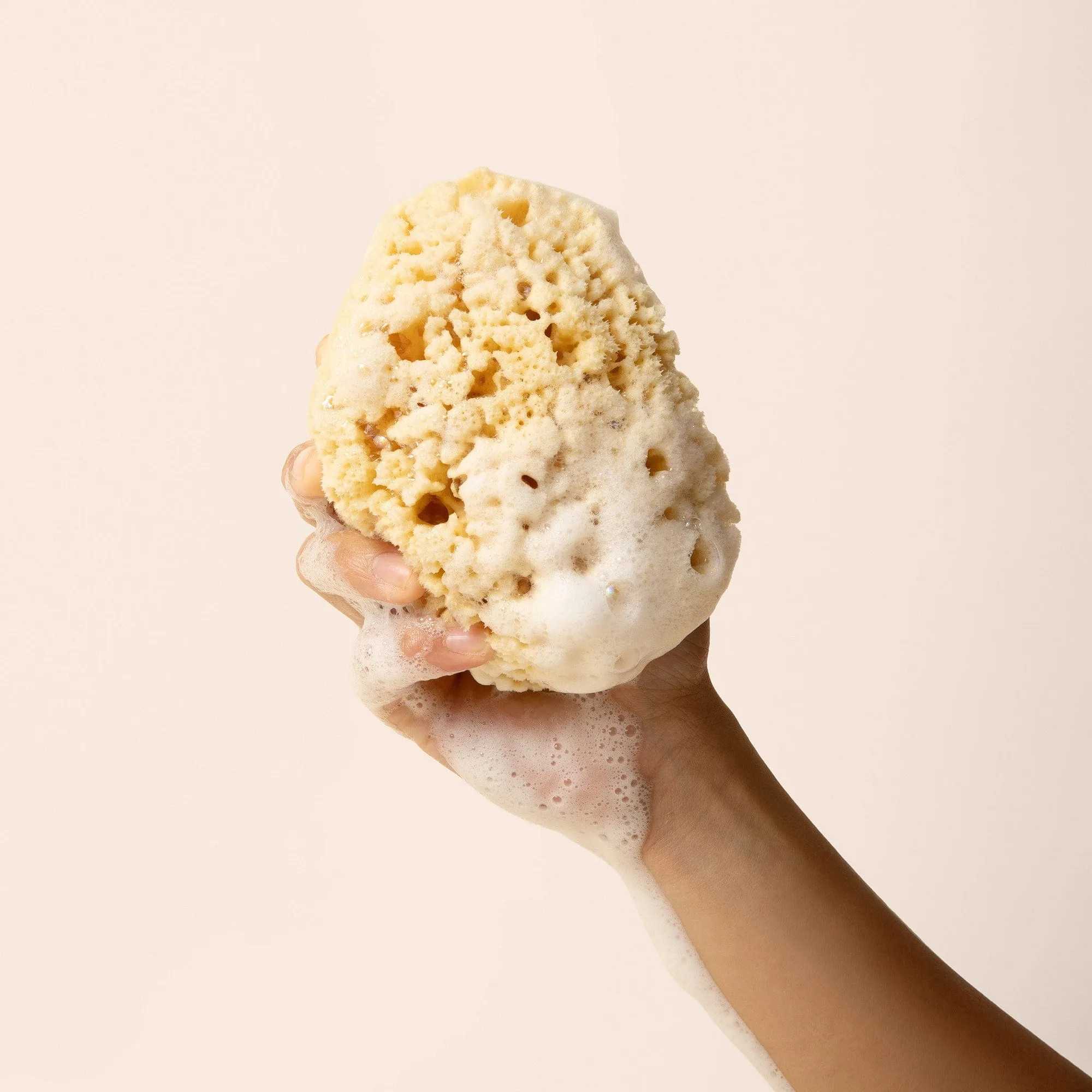
- 1. Rinse and wash gently: Use a garden hose on low pressure to rinse loose dirt. Mix a few drops of mild dish soap with warm water in a bucket. Dip a soft sponge or microfiber cloth and wipe the frame, handlebars, seat, and wheels. Avoid abrasive scrubbers that can scratch the paint. Don't use a pressure washer — it can force water into bearings and loosen decals.
- 2. Dry everything completely: Wipe the entire trike with a clean, dry towel, paying special attention to chrome parts, axle ends, and the seat post. Let it air-dry in the shade for 15–20 minutes. Trapped moisture is the main cause of rust on steel frames. If you see any surface rust, rub it gently with a fine steel wool pad before drying.
- 3. Lubricate moving parts: Apply a drop of light machine oil (like 3-in-1 or bike chain oil) to the wheel axles, pedal cranks, and handlebar stem. Spin the wheels and pedals a few times to work the oil in. Wipe off any excess to prevent attracting dirt. Never use WD-40 as a lubricant — it's a solvent that will dry out and leave parts squeaky.
- 4. Check and tighten hardware: Inspect the seat adjustment knob, handlebar clamp bolt, and wheel axle nuts. Use a wrench or screwdriver to snug any loose fasteners. On adjustable-seat models, make sure the seat post is locked securely at the correct height. Over-tightening can strip plastic threads — turn just until snug, then stop.
- 5. Store properly between rides: Keep the tricycle in a garage, shed, or covered porch when not in use. If it must stay outside, use a breathable bike cover or a tarp that doesn't trap condensation. UV rays fade paint and dry out tires over time. Indoor storage is best — even a covered patio reduces cleaning frequency by half.
Product spotlight
-
Big Flyer Sport: The Big Flyer Sport features chrome handlebars and a large 16" front wheel. Chrome needs thorough drying after washing to avoid water spots, and the larger front wheel means the hub and spokes collect more debris that should be rinsed out.
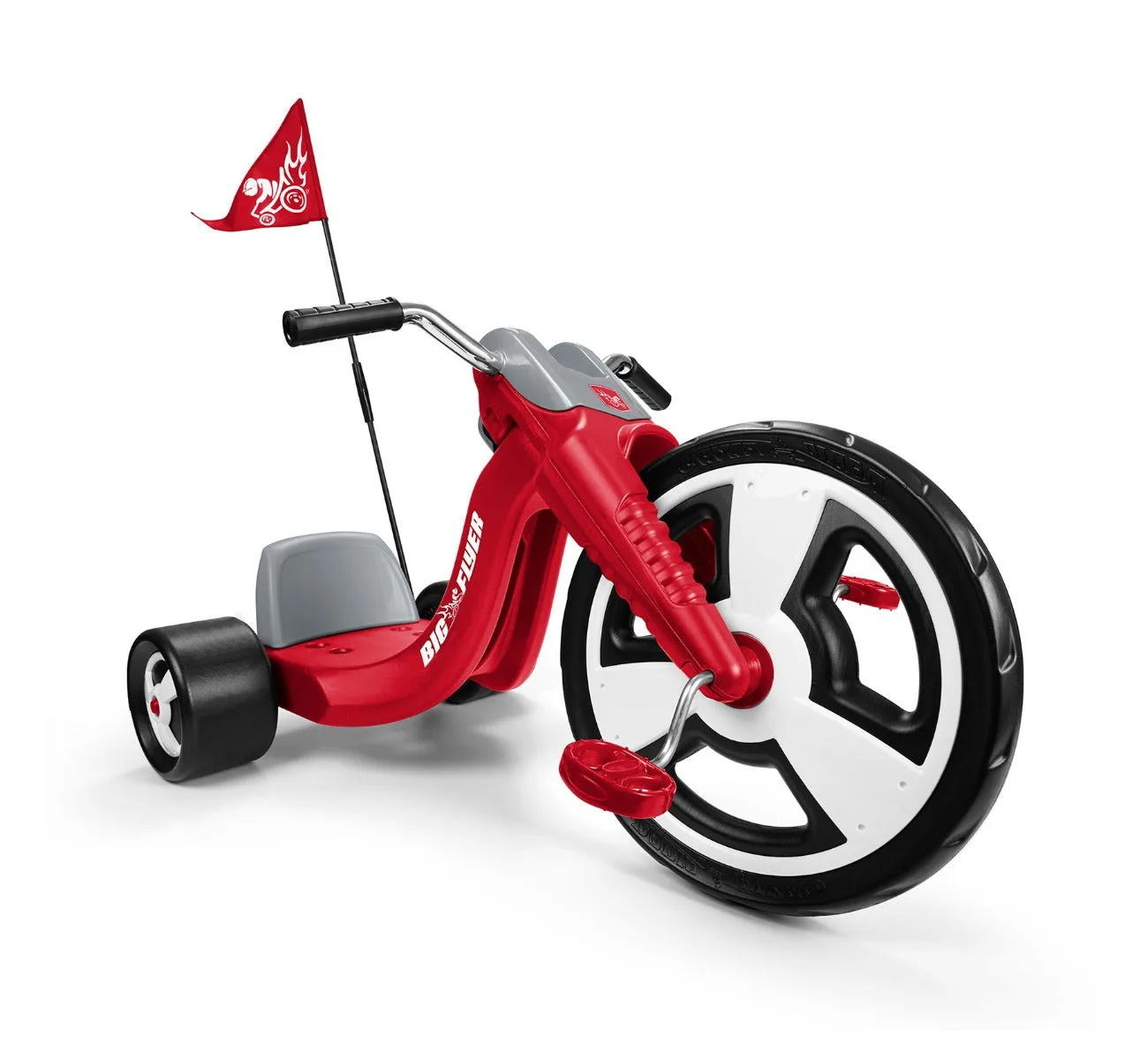
Big Flyer Sport