Quick answer
To clean and condition your PAGERIE leather bag, start by dusting it with a soft, dry cloth. Use a dedicated leather cleaner on a damp microfiber cloth, working in small circles. After the bag dries completely, apply a thin layer of leather conditioner with a clean cloth, let it absorb for 10–15 minutes, then buff gently. Always test on a hidden area first.
Why regular cleaning and conditioning matters
PAGERIE bags are handcrafted from signature grain leather and finished with custom surgical-grade stainless steel hardware. That combination means the leather needs periodic hydration to stay supple, while the hardware should be protected from moisture and abrasion. Regular care prevents the leather from drying out, cracking, or developing a dull patina, and it keeps the bag looking as elegant as the day you received it.
Conditioning is especially important if you live in a dry climate or use the bag frequently. Without it, the natural oils in the leather deplete, making the surface more prone to scuffs and stains. A simple clean-and-condition routine every three to four months is usually enough for most owners.
What you’ll need
Gather a few basic tools before you start: a soft, lint-free microfiber cloth (two if possible), a pH-neutral leather cleaner (avoid saddle soap or all-purpose cleaners), a high-quality leather conditioner designed for finished leather, and a small bowl of distilled water. Avoid using baby wipes, alcohol-based wipes, or household cleaners—they can strip the leather’s finish and damage the grain surface.
If your bag has visible dirt or stains, you may also want a soft-bristled brush (like a horsehair brush) to gently loosen debris before cleaning. For the hardware, a separate dry microfiber cloth is best—no polish or abrasive pads.
Step-by-step cleaning and conditioning routine
- Step 1: Dust and dry-clean the surface: Use a soft, dry microfiber cloth to gently wipe the entire bag, including the bottom and corners. This removes loose dust, dirt, and any grit that could scratch the leather during the wet cleaning step. Pay extra attention to creases and seams where debris collects. Common mistake: skipping this step and rubbing dirt into the leather with a damp cloth. Always dust first.
- Step 2: Clean with a damp cloth and leather cleaner: Dampen a clean microfiber cloth with distilled water—it should be barely moist, not wet. Apply a pea-sized amount of pH-neutral leather cleaner to the cloth and work it into the leather using small, circular motions. Focus on one section at a time, and avoid saturating the leather. Wipe away any excess cleaner with a separate damp cloth. Checkpoint: if the cloth picks up dark residue, you are cleaning effectively. If the leather feels sticky afterward, you used too much cleaner—wipe again with a barely damp cloth.
- Step 3: Let the bag dry completely: After cleaning, set the bag on a clean, dry towel in a well-ventilated area away from direct sunlight, heaters, or radiators. Let it dry naturally for at least 1–2 hours. Do not use a hair dryer or place it near a heat source—rapid drying can cause the leather to crack or shrink. Common mistake: applying conditioner to damp leather. The conditioner won’t absorb evenly and can trap moisture, leading to mildew or a sticky finish.
- Step 4: Apply leather conditioner: Scoop a small amount of leather conditioner onto a clean microfiber cloth. Rub it into the leather using gentle, circular motions, covering the entire surface. Let the conditioner absorb for 10–15 minutes. Then buff the bag with a dry section of the cloth to remove any excess and restore a natural sheen. Checkpoint: if the leather feels greasy after buffing, you applied too much conditioner. Wipe off the excess with a dry cloth. A little goes a long way.
- Step 5: Protect the hardware: After conditioning, use a separate dry microfiber cloth to gently wipe the surgical-grade stainless steel hardware. This removes any conditioner residue or moisture that could dull the finish. Do not use metal polish or abrasive pads—they can scratch the custom hardware. Common mistake: forgetting to wipe the hardware. Conditioner left on metal can attract dust and create a cloudy film over time.
Products that benefit from this care routine
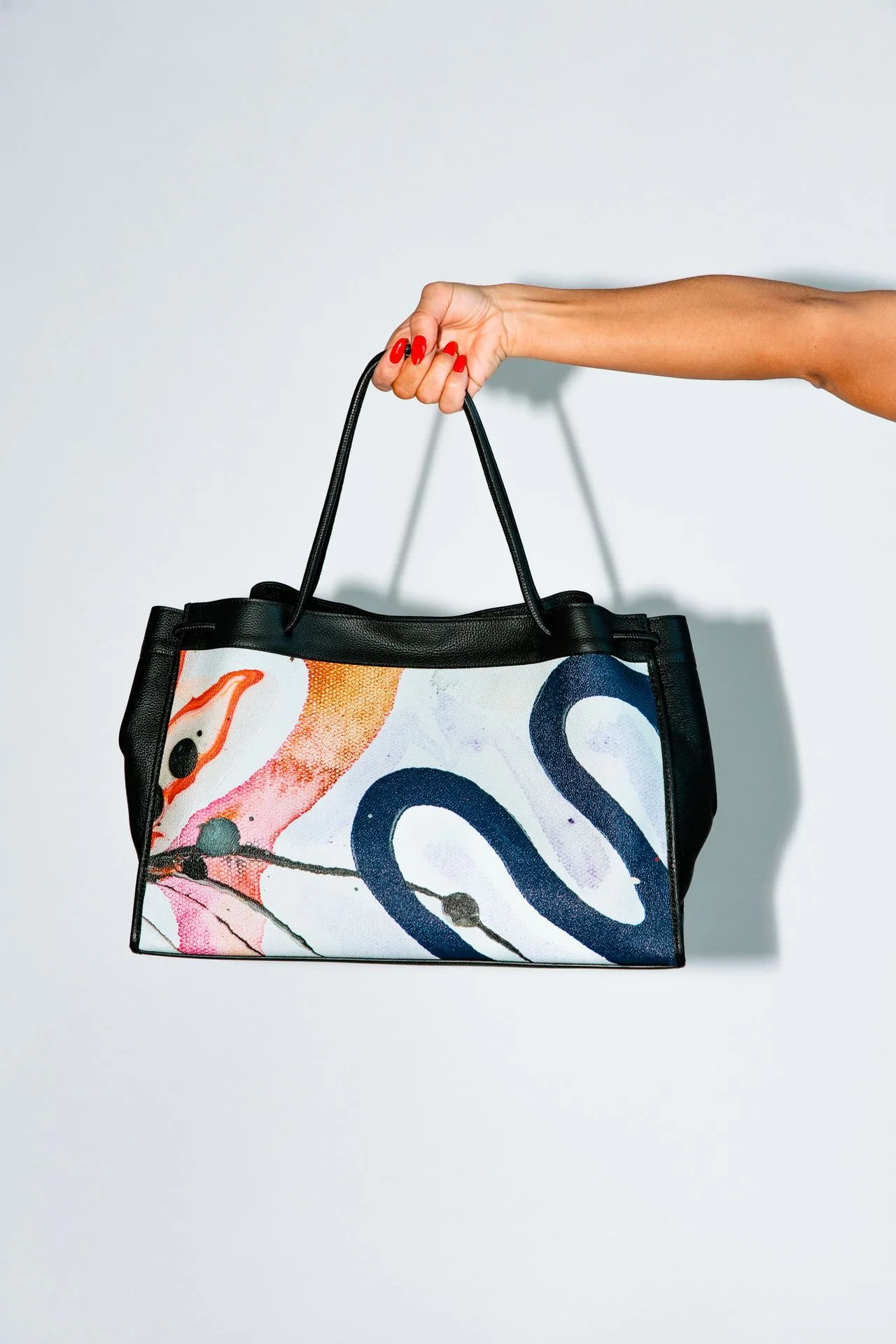
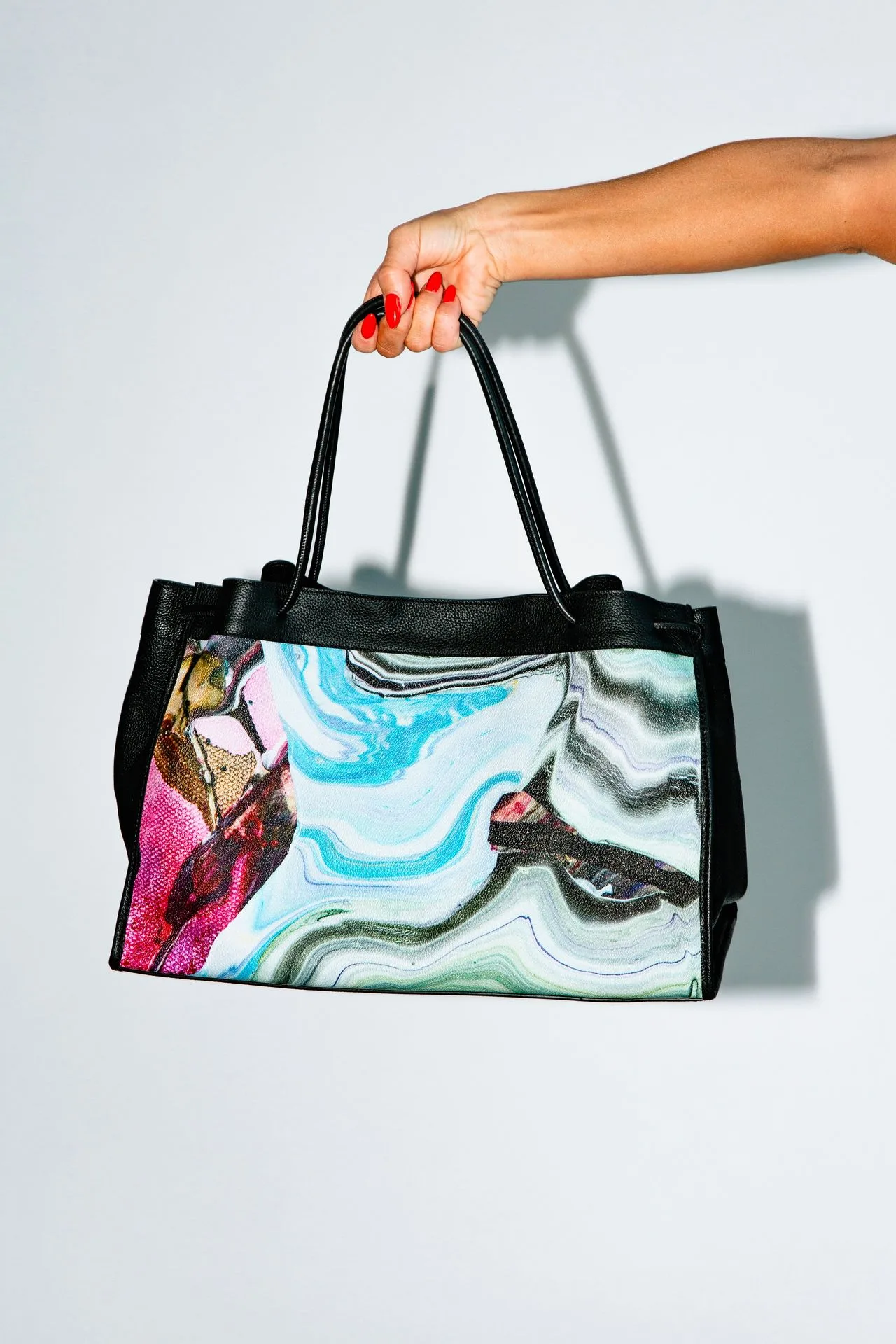
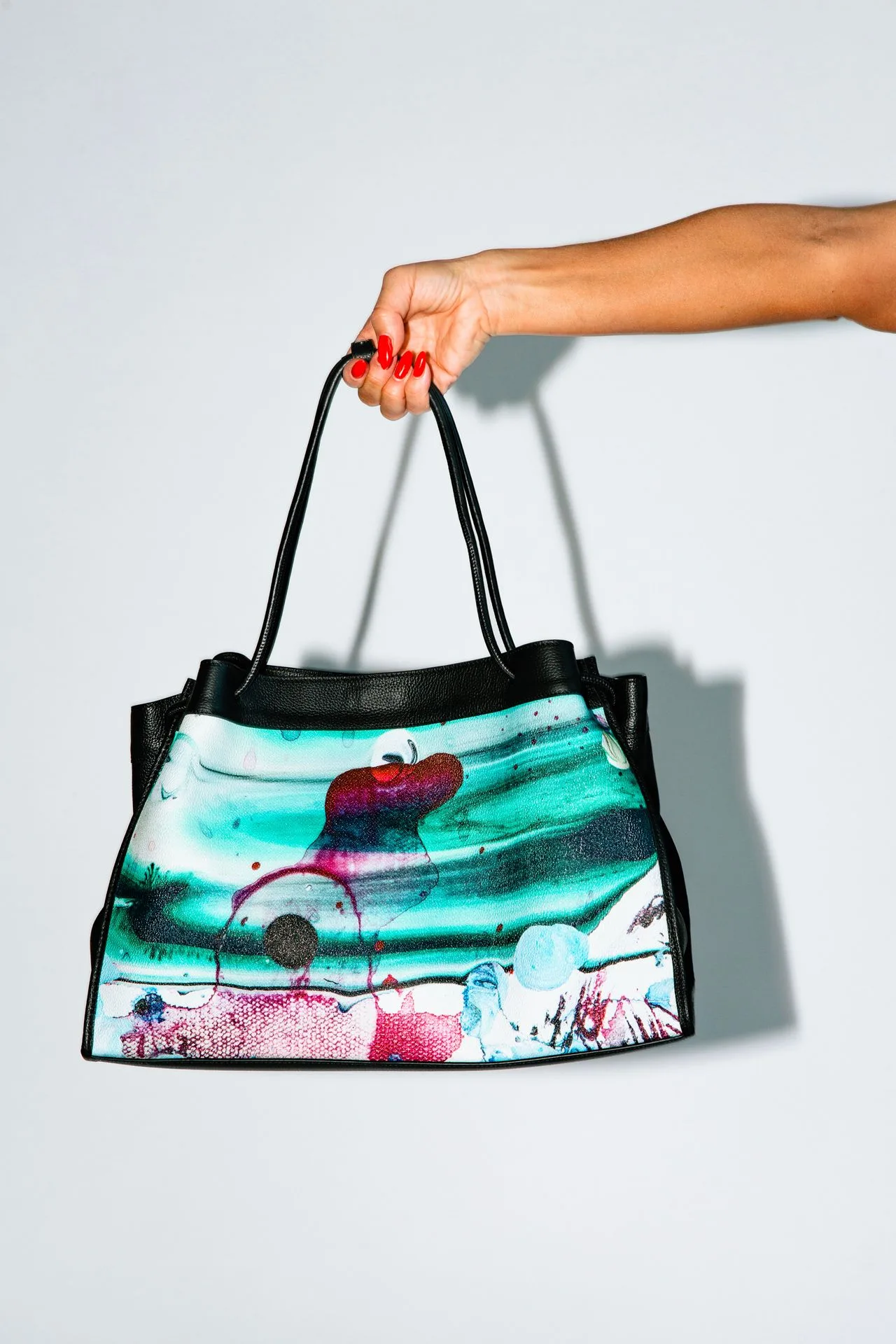
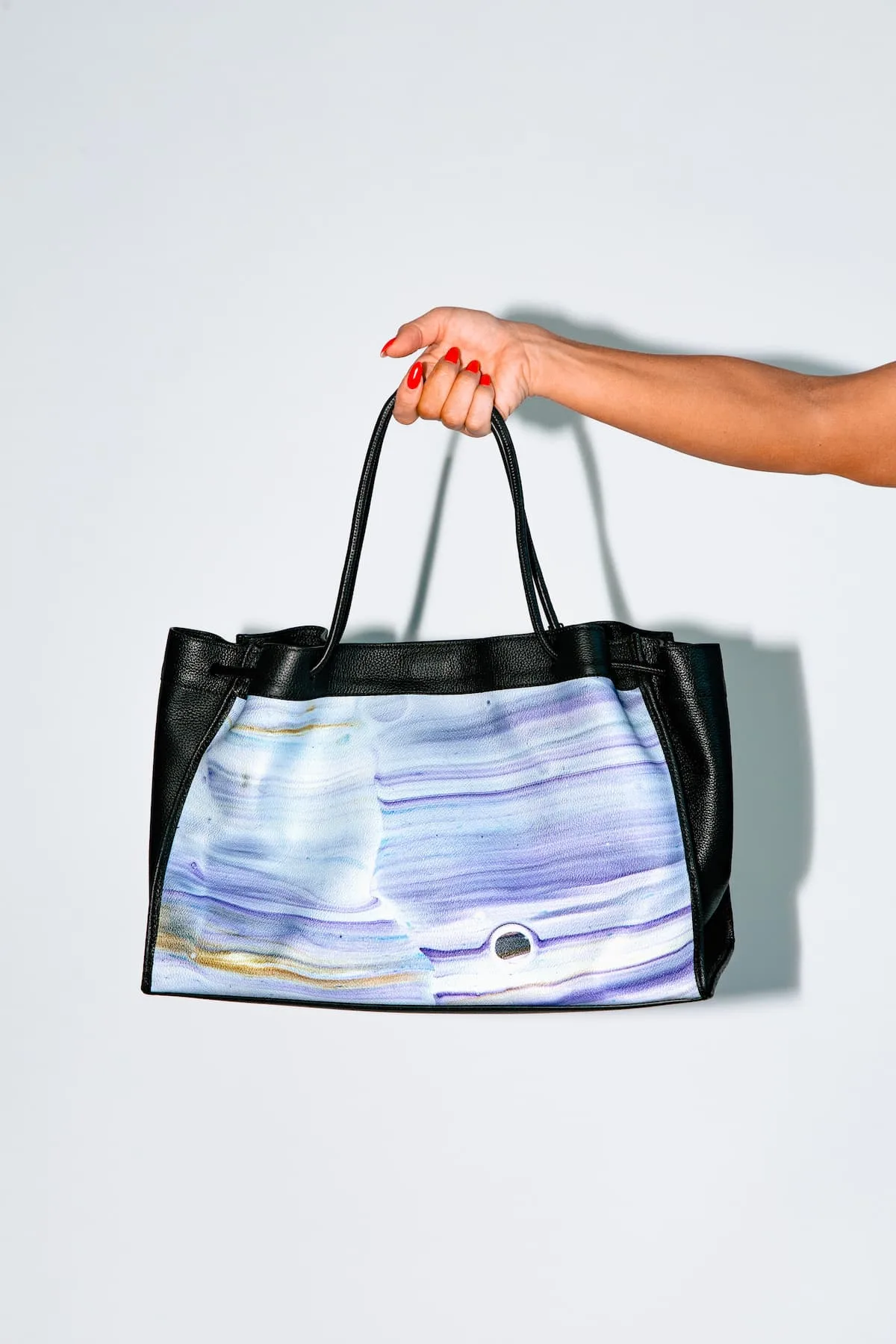
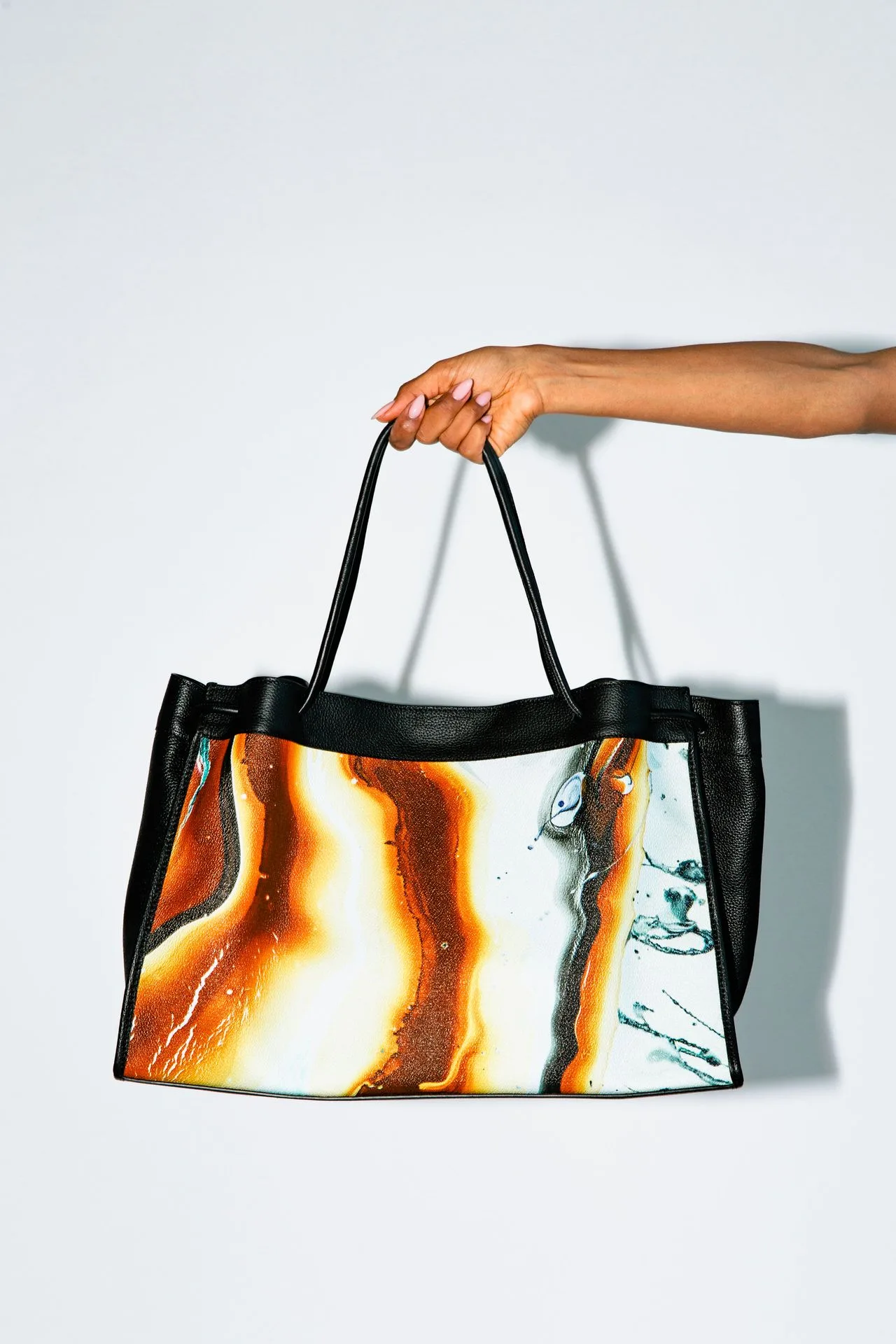
- Bag No. 03: The Lana Bag is more than a handbag — it’s wearable art. Created in partnership with artist Lana Gomez, only 50 handbags exist worldwide, each one a numbered piece cut from a larger artwork painted by Lana herself. Every bag is entirely unique, yet together they form part of a greater masterpiece. Handcrafted from Pagerie’s signature grain leather and finished with custom surgical-grade stainless steel hardware. Because each Lana Bag is a one-of-a-kind numbered piece, following a gentle cleaning and conditioning routine is essential to preserve both the artistic paint layer and the grain leather. The same care steps apply, but take extra care around painted areas—use a barely damp cloth and avoid rubbing the artwork directly.
- Bag No. 21: The Lana Bag is more than a handbag — it’s wearable art. Created in partnership with artist Lana Gomez, only 50 handbags exist worldwide, each one a numbered piece cut from a larger artwork painted by Lana herself. Every bag is entirely unique, yet together they form part of a greater masterpiece. Handcrafted from Pagerie’s signature grain leather and finished with custom surgical-grade stainless steel hardware. Bag No. 21 shares the same artistic construction and grain leather as No. 03, so the same cleaning and conditioning routine applies. Its unique painted section requires the same gentle approach—spot test and avoid saturating the artwork.