Your coffee brewer works hard every morning, but over time, coffee oils, mineral deposits, and stale grounds can build up inside. That residue doesn't just look unappealing—it can make your coffee taste bitter, flat, or even metallic. Regular cleaning and descaling are the two most important steps to keep your brewer performing at its best and to ensure every cup tastes as fresh as the day you bought your beans.
Whether you use a drip machine, pour-over setup, or an immersion brewer, the process is straightforward. In this guide, we'll cover how to remove coffee oil, descale mineral buildup, and maintain common brewers like the Aerobie AeroPress and Chemex. With a little routine care, you'll extend the life of your equipment and enjoy consistently delicious coffee.
Why Cleaning and Descaling Matter
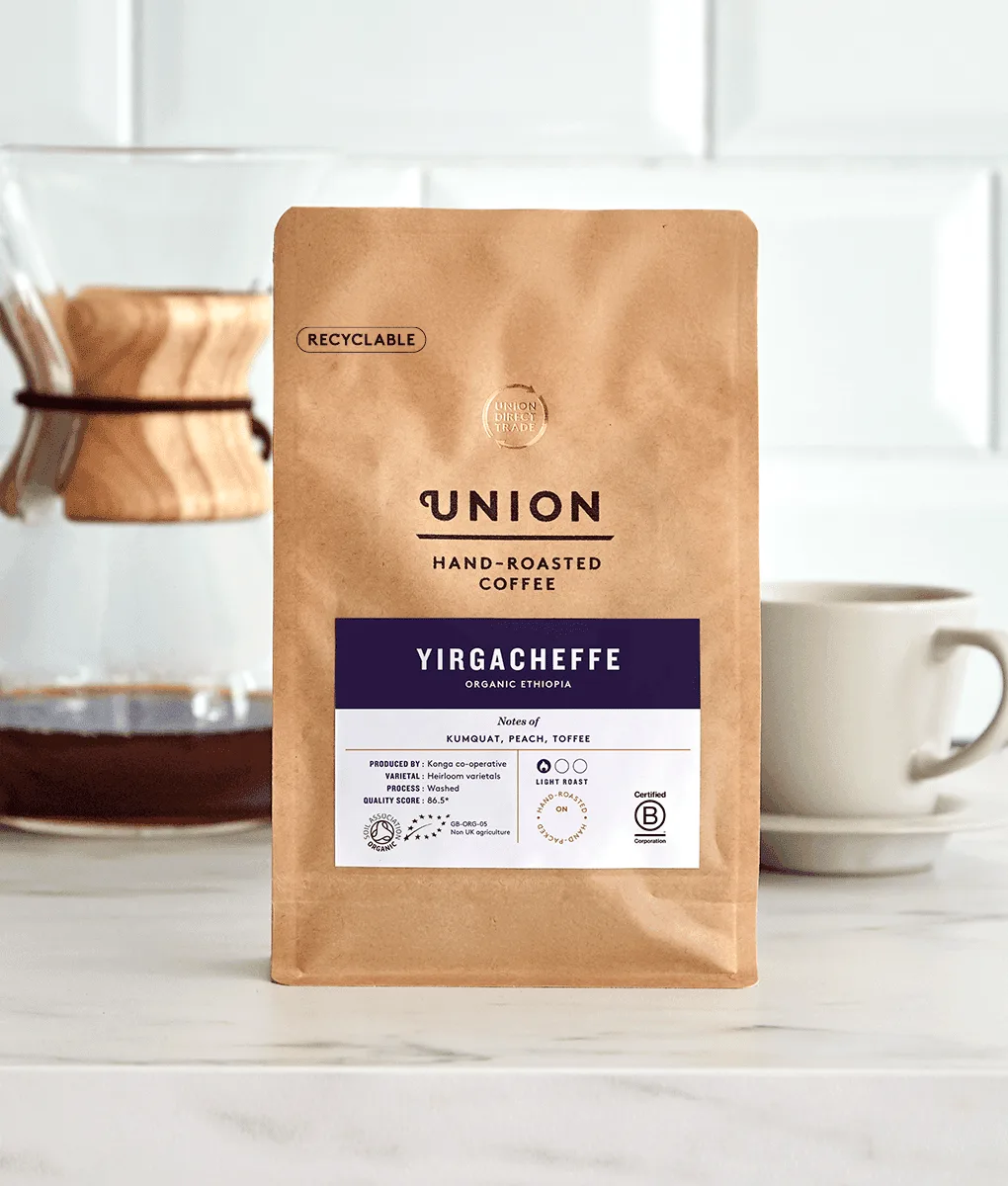
Coffee contains natural oils that cling to surfaces inside your brewer. Over time, these oils turn rancid, creating a stale, off-flavor that masks the bright, nuanced notes of specialty coffee. This is especially noticeable in single origins like Yayu Wild Forest, Ethiopia, where delicate floral and fruity tones can be completely buried by old residue.
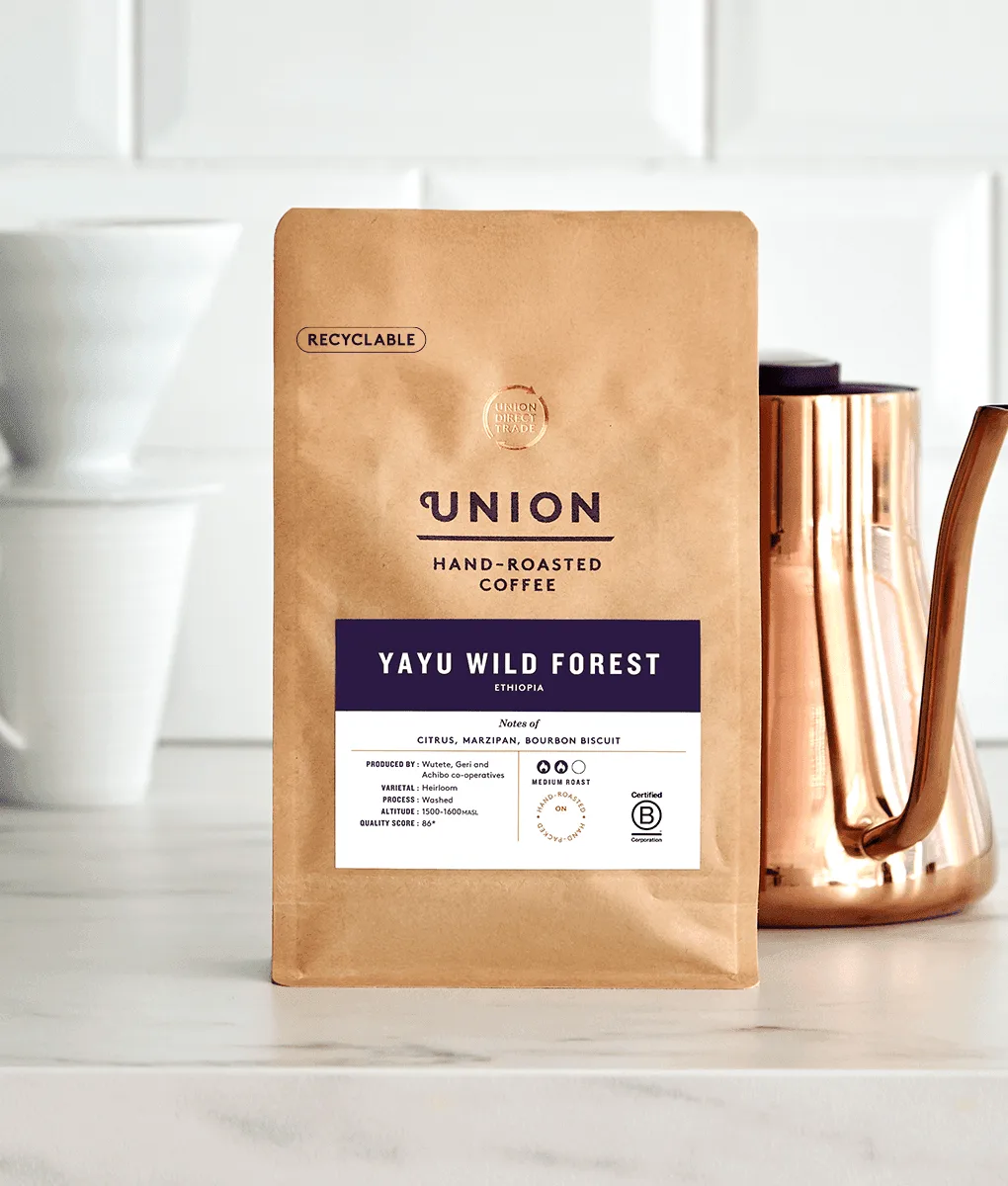
Yayu Wild Forest, Ethiopia
Descaling, on the other hand, targets mineral scale from hard water. Even if you use filtered water, some calcium and magnesium will accumulate. Scale acts as an insulator, making your brewer work harder and heat unevenly. It can also clog valves and spray arms, leading to inconsistent extraction. A descaled machine heats water more efficiently and produces a more even brew.
- Clean coffee oils every 1-2 weeks for optimal flavor.
- Descale every 1-3 months depending on water hardness.
How to Clean a Drip Coffee Maker
Most automatic drip brewers have a removable carafe and filter basket that can be washed with warm, soapy water. Use a soft sponge to avoid scratching glass or plastic. For stubborn coffee stains inside the carafe, add a tablespoon of baking soda with water and let it soak for 15 minutes, then scrub gently.
To clean the internal water reservoir and brew head, run a cycle with a mixture of equal parts white vinegar and water. After the cycle finishes, run two full cycles with fresh water to rinse away any vinegar taste. This method removes both coffee oil and light scale. For heavy buildup, use a commercial descaling solution according to the manufacturer's instructions.
- Never use bleach or harsh chemicals—they can leave toxic residues.
- Check your brewer's manual; some recommend specific cleaning tablets.
Cleaning a Chemex or Pour-Over Brewer
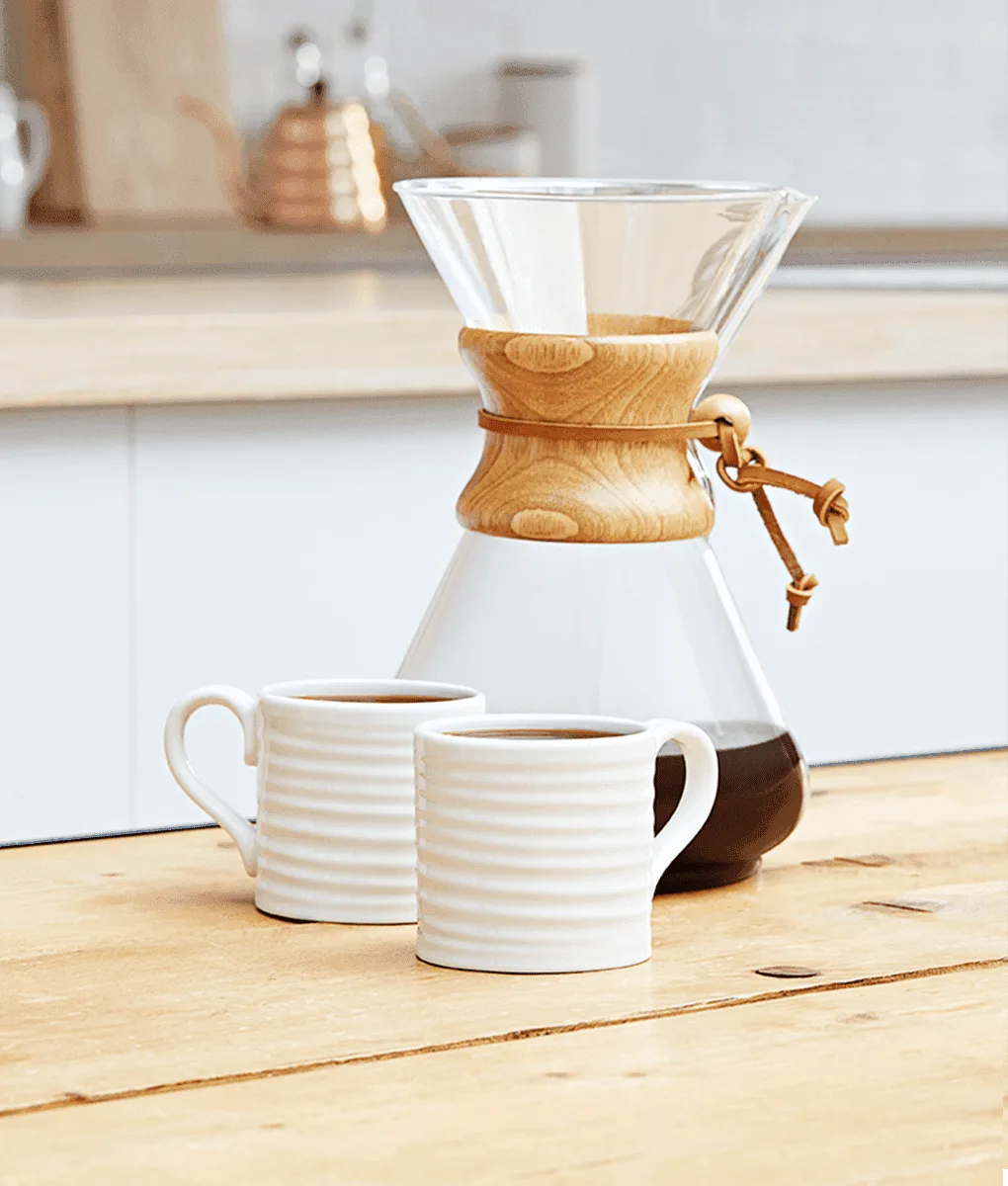
Glass or ceramic pour-over brewers like the Chemex are easy to clean because they have no moving parts. After each use, discard the filter and grounds, then rinse the brewer with hot water. For a deeper clean, wash with mild dish soap and a non-abrasive brush. Avoid sudden temperature changes that could crack the glass.
To remove stubborn coffee oil stains, fill the Chemex with a solution of one part white vinegar to three parts water and let it sit for 10 minutes. Scrub with a bottle brush, then rinse thoroughly. The same method works for ceramic drippers. For the Chemex filters, papers for 6-cup, simply dispose of them after use—they are single-use and biodegradable.
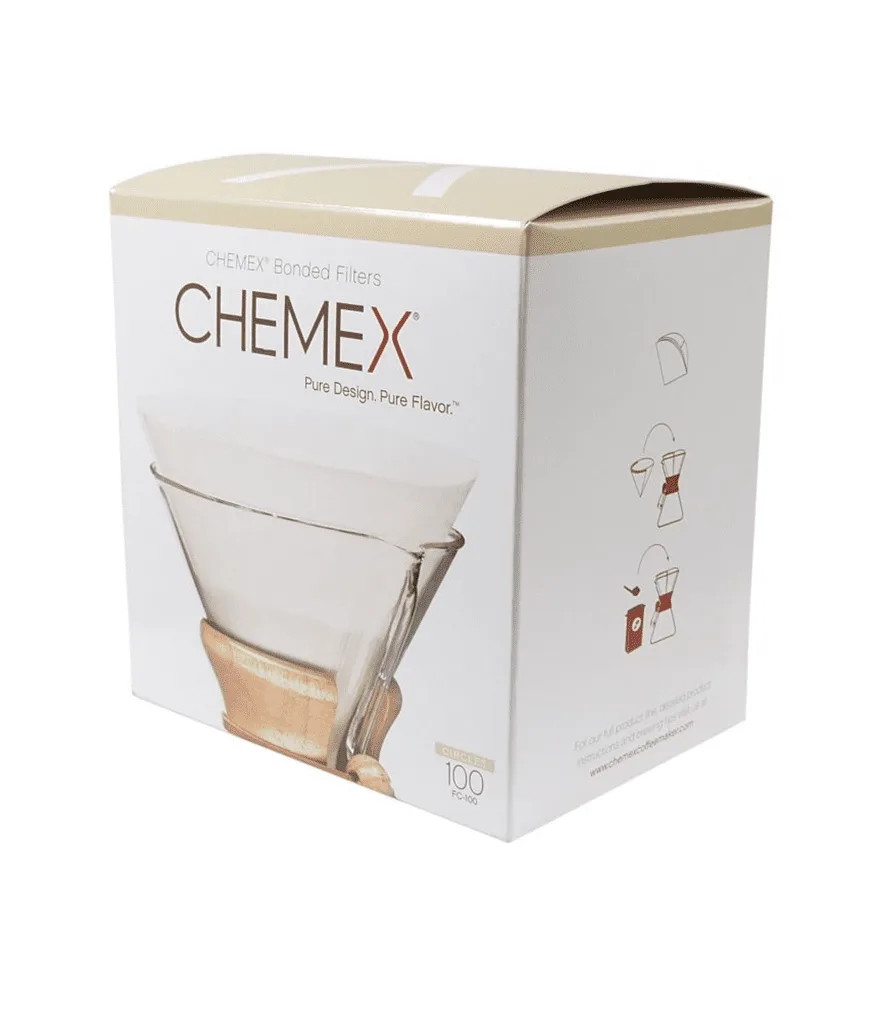
Chemex filters, papers for 6-cup
- Never wash a hot Chemex with cold water—thermal shock can crack it.
- A dedicated bottle brush helps reach the narrow neck.
How to Clean an AeroPress
The Aerobie AeroPress is one of the easiest brewers to maintain. After brewing, push the plunger to eject the coffee puck and filter into the trash. Rinse the chamber and plunger with warm water immediately. For a thorough clean, disassemble the plunger and wash all parts with mild soap and water once a week.
To remove coffee oil buildup, soak the chamber and plunger in a solution of warm water and a few drops of dish soap for 10 minutes, then scrub with a soft brush. Avoid using abrasive scrubbers that could scratch the plastic. The rubber seal on the plunger can be replaced if it becomes loose or retains odors. Regular cleaning ensures your AeroPress stays airtight and produces clean, sediment-free coffee.
- The plunger seal should be replaced every 6-12 months for best performance.
- Never use the AeroPress in a dishwasher—high heat can warp the plastic.
Descaling Your Coffee Machine: Step by Step
Descaling removes mineral scale that builds up inside boilers, heating elements, and water lines. For most drip machines and espresso machines, the process is similar. Start by filling the water reservoir with a descaling solution or a 1:1 mix of white vinegar and water. Run a brewing cycle without coffee, then let the solution sit for 15-30 minutes to dissolve scale.
After the solution has soaked, run another full cycle. Then refill the reservoir with fresh water and run two or three cycles to rinse thoroughly. If you still smell vinegar, run an additional rinse. For single-serve pod machines, follow the manufacturer's descaling instructions—some have a dedicated descaling mode. Always check your manual, as some machines require specific descaling products.
- Use distilled water for descaling if your tap water is very hard.
- Descaling frequency depends on usage and water hardness; every 3 months is a good baseline.
Maintenance Tips for Long-Lasting Equipment
Beyond cleaning and descaling, simple daily habits keep your brewer in top shape. Always empty and rinse the carafe and filter basket after each use. Wipe down the warming plate and exterior with a damp cloth. Replace water filters regularly if your machine has one—they reduce scale buildup and improve water taste.
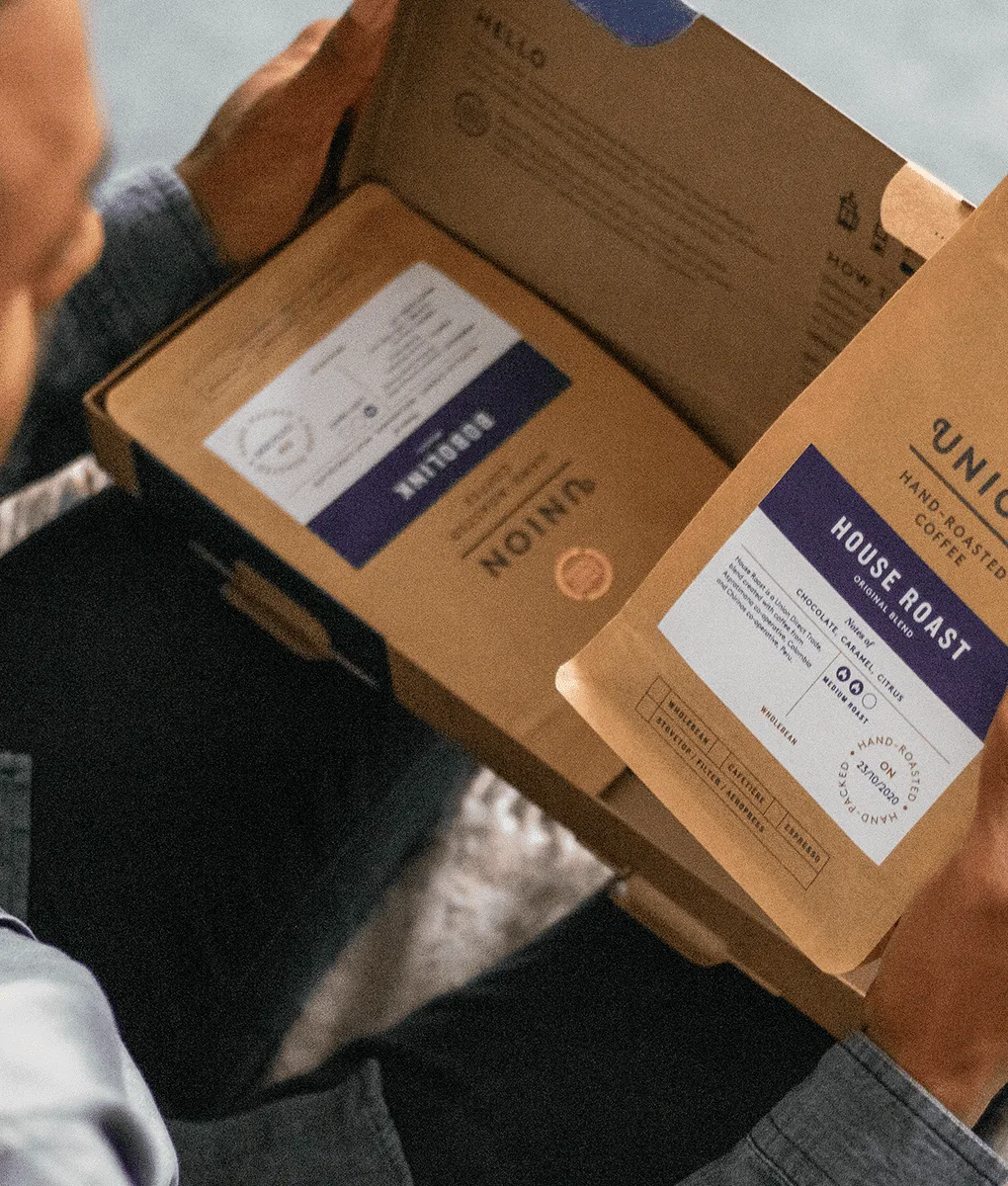
For grinders, clean the burrs every few weeks with a brush or grinder cleaning tablets to remove stale coffee oil. Stale oil in your grinder can ruin even the freshest beans, such as those from Bobolink, Brazil. Store your coffee beans in an airtight container away from light and heat. With consistent care, your equipment will deliver great coffee for years.
- Keep a cleaning log to track when you last descaled.
- Replace worn parts like gaskets and seals promptly.
Regular cleaning and descaling are the simplest ways to improve your coffee's flavor and extend the life of your brewer. By removing coffee oil and mineral scale, you allow the true character of your beans to shine through—whether you're brewing a bright single origin or a rich blend. Make it a habit, and your taste buds will thank you.