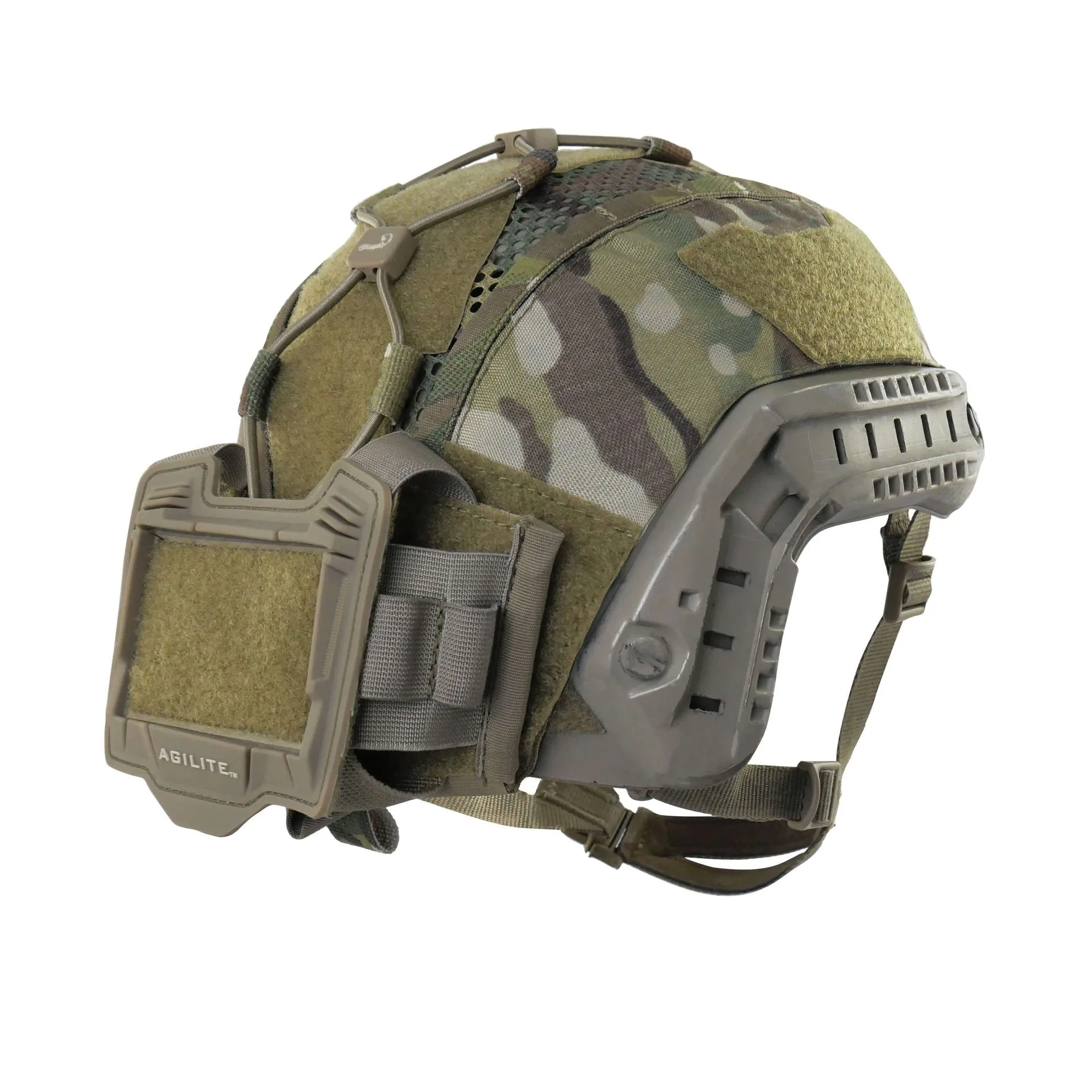
Your ballistic helmet cover is more than just a piece of fabric; it's a critical component of your tactical gear that protects your helmet from wear and tear, reduces glare, and helps you blend into your environment. Whether you're in the field or training, your cover takes a beating from dirt, sweat, and the elements. Proper care and maintenance are essential to ensure it continues to perform at its best and lasts for years.
In this guide, we'll walk you through the best practices for cleaning and maintaining your ballistic helmet cover. From understanding the materials to step-by-step washing instructions and storage tips, you'll learn everything you need to keep your cover in prime condition. We'll also highlight some popular covers like the Ops-Core FAST BUMP/Carbon High Cut Helmet Cover-Gen4 and the 3M ULW Ultra Light Weight Helmet Cover to give you specific advice for different types of covers.
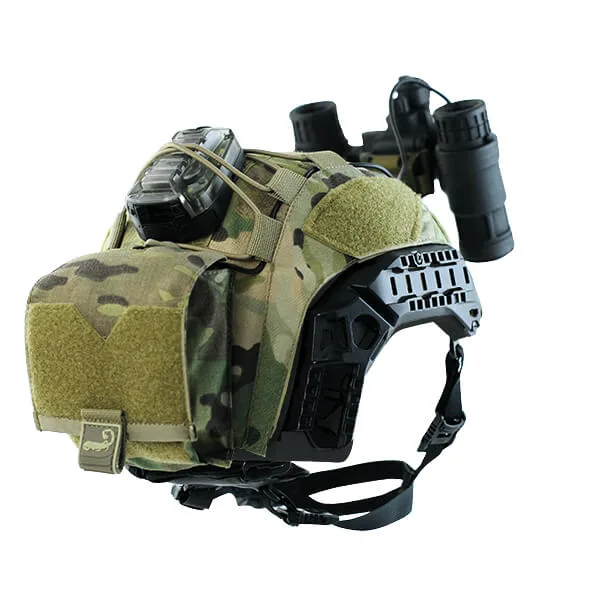
3M ULW Ultra Light Weight Helmet Cover
Why Proper Maintenance Matters
A ballistic helmet cover is designed to withstand harsh conditions, but that doesn't mean it's indestructible. Dirt, sweat, and moisture can degrade the fabric over time, affecting its camouflage properties and durability. Regular maintenance not only extends the life of your cover but also ensures it continues to provide the protection and functionality you rely on.
Moreover, a clean cover is less likely to snag on equipment or vegetation, and it maintains its shape and fit. For covers with hook-and-loop attachments, like the Ops-Core FAST BUMP/Carbon High Cut Helmet Cover-Gen4, keeping them clean prevents debris from clogging the loops, which can weaken the attachment over time.
- Prevents fabric degradation from dirt and sweat
- Maintains camouflage effectiveness
- Ensures secure attachment to the helmet
- Extends the overall lifespan of your gear
Understanding Your Helmet Cover Material
Most helmet covers are made from durable synthetic fabrics like Cordura nylon, which is known for its resistance to abrasion and water. Some covers, like the 3M ULW Ultra Light Weight Helmet Cover, use advanced materials that offer reduced weight and enhanced performance. Understanding the material of your cover is crucial because it dictates the cleaning method you should use.
Before cleaning, always check the manufacturer's care label. Some covers may have specific instructions, such as avoiding certain detergents or heat. For example, covers with IR (infrared) features may require special handling to maintain their effectiveness. When in doubt, opt for gentle cleaning methods to avoid damaging the fabric.
- Cordura nylon: durable and water-resistant
- 3M ULW: ultra-lightweight, requires careful handling
- Always check the care label for specific instructions
Step-by-Step Cleaning Process
Cleaning your helmet cover is a straightforward process, but it requires attention to detail. Start by removing the cover from your helmet. If your cover has hook-and-loop attachments, gently peel it off to avoid damaging the loops. Shake off any loose dirt and debris.
For hand washing, fill a basin with cool water and add a mild detergent. Submerge the cover and gently agitate it with your hands. Avoid scrubbing harshly, as this can damage the fabric. Rinse thoroughly with cool water to remove all soap residue. For machine washing, use a gentle cycle with cold water and a mesh laundry bag to protect the cover. Always air dry your cover; never use a dryer, as heat can shrink or warp the fabric.
- Remove cover from helmet first
- Hand wash with mild detergent in cool water
- Machine wash in a mesh bag on gentle cycle
- Air dry only – never use a dryer
Dealing with Stubborn Stains and Odors
Field use often leaves your cover with tough stains like mud, grease, or blood. For these, pre-treat the area with a stain remover or a small amount of detergent directly on the stain. Let it sit for a few minutes before washing. For odors, especially from sweat, add a cup of white vinegar to the rinse cycle (if hand washing) or use a sports detergent designed to eliminate odors.
Avoid using bleach or fabric softeners, as they can break down the fabric and reduce its IR properties. If your cover has Velcro or hook-and-loop patches, make sure they are clean and free of lint, as this can affect their stickiness.
- Pre-treat stains with a gentle stain remover
- Use white vinegar to neutralize odors
- Never use bleach or fabric softeners
Drying and Storage Tips
After washing, gently squeeze out excess water without wringing the fabric. Lay the cover flat on a towel and roll it up to absorb moisture. Then, reshape the cover and let it air dry completely in a shaded, well-ventilated area. Avoid direct sunlight, which can fade the colors and degrade the fabric.
Once dry, store your cover in a cool, dry place. Avoid folding it in a way that creases the fabric permanently. Instead, roll it or hang it. If you have multiple covers, consider labeling them to keep track of which helmet they fit. Proper storage ensures your cover is ready for action whenever you are.
- Dry flat on a towel, then air dry in shade
- Store in a cool, dry place away from direct sunlight
- Roll or hang to prevent creases
Maintaining Hook-and-Loop Attachments
Many helmet covers, like the Ops-Core FAST BUMP/Carbon High Cut Helmet Cover-Gen4, rely on hook-and-loop (Velcro) attachments to stay secure. Over time, these can become clogged with dirt, lint, and debris, reducing their effectiveness. To clean them, use a stiff brush (like a toothbrush) to gently remove any buildup from both the hooks and loops.
If the attachment is still not holding well, you can use a lint roller to clean the loops. Avoid using water on the Velcro, as it can weaken the adhesive over time. Regular cleaning of these attachments will ensure your cover stays firmly in place during intense activities.
- Use a stiff brush to remove debris from hook-and-loop
- Lint roller can help clean loops
- Avoid getting Velcro wet
When to Replace Your Helmet Cover
Even with the best care, helmet covers will eventually wear out. Signs that it's time for a replacement include fraying edges, fading colors, loss of hook-and-loop effectiveness, or tears in the fabric. If your cover no longer fits snugly or fails to protect your helmet from the elements, it's time to invest in a new one.
When shopping for a replacement, consider high-quality options like the Ops-Core FAST BUMP/Carbon High Cut Helmet Cover-Gen4 or the 3M ULW Ultra Light Weight Helmet Cover. These covers are designed to withstand rigorous use while maintaining their performance. Remember, your helmet cover is an essential part of your gear, and replacing it when needed ensures you stay mission-ready.
- Fraying, fading, or tears indicate wear
- Loss of hook-and-loop effectiveness is a red flag
- Invest in quality covers for long-term durability
Proper maintenance of your ballistic helmet cover is essential for both performance and longevity. By following these cleaning and care tips, you can ensure your cover stays in top condition, ready for any mission. Whether you own an Ops-Core FAST BUMP/Carbon High Cut Helmet Cover-Gen4 or a 3M ULW Ultra Light Weight Helmet Cover, regular care will keep your gear reliable. Explore our selection of high-quality helmet covers and accessories to find the perfect fit for your needs.