Quick answer
To keep your LifeStraw Sip working well, rinse the mouthpiece with clean water after each use and let it air-dry completely. Every few weeks, give it a deeper clean with mild soap and warm water, and replace the mouthpiece when it shows signs of wear, cracks, or a persistent odor.
Your LifeStraw Sip is a reliable companion on hikes, travels, and emergency kits, but the mouthpiece takes the most direct wear. It's the part you touch with your lips, expose to the elements, and rely on for a comfortable seal. Keeping it clean isn't just about hygiene—it also helps the filter stay effective and the straw last longer.
This guide walks you through simple cleaning steps, how to dry and store the mouthpiece, and when it's time to buy a replacement. You'll also learn what not to do, so you don't accidentally damage the filter or the mouthpiece.
Why mouthpiece care matters
The mouthpiece is the first thing you put to your lips, so it naturally picks up saliva, dirt, and debris from your hands and the environment. If left uncleaned, it can develop a film, harbor bacteria, and even affect the taste of your water. Regular cleaning prevents buildup and keeps the mouthpiece comfortable to use.
A well-maintained mouthpiece also protects the filter. If dirt or grime clogs the mouthpiece, it can restrict water flow and make you suck harder, which puts unnecessary strain on the filter membrane. Simple care habits can help your LifeStraw Sip perform consistently for its full lifespan.
- Rinse the mouthpiece with clean water after every use to remove saliva and debris.
- Shake out excess water and let the straw air-dry with the mouthpiece open.
- Store the straw in a clean, dry place when not in use.
Step-by-step cleaning routine
Start with a quick rinse: hold the mouthpiece under running water and use your fingers to wipe away any visible dirt. For a deeper clean, mix a small amount of mild dish soap with warm water. Dip a soft cloth or cotton swab into the soapy water and gently clean the mouthpiece, inside and out. Avoid using harsh brushes or abrasive scrubbers that could scratch or damage the silicone.
After cleaning, rinse thoroughly with clean water to remove any soap residue. Then shake out excess water and let the straw air-dry completely before storing. This prevents moisture from lingering, which can lead to mold or odor. If you're on a multi-day trip and can't do a deep clean, a simple rinse and thorough drying will still go a long way.
- Use only mild soap and warm water—never bleach, alcohol, or harsh chemicals.
- Let the mouthpiece air-dry completely before storing the straw.
- Avoid putting the mouthpiece in a dishwasher or boiling water, as heat can damage the silicone.
When to replace the mouthpiece
Even with regular care, the mouthpiece will eventually wear out. Look for signs like cracks, tears, or a loss of flexibility. If the mouthpiece becomes stiff or develops a persistent odor that doesn't go away after cleaning, it's time for a replacement. A damaged mouthpiece can compromise the seal and make the straw less comfortable to use.
Replacing the mouthpiece is quick and affordable. The LifeStraw Go Series Replacement Caps are compatible with LifeStraw Go Series bottles, but for the Sip Essential, you'll want to check for compatible mouthpieces. If you notice any damage, it's better to replace the part early than to risk a poor seal or an uncomfortable drinking experience.
- Check the mouthpiece regularly for cracks, tears, or stiffness.
- If the mouthpiece no longer fits snugly, replace it before your next trip.
- Keep a spare mouthpiece in your gear bag for peace of mind.
Diagnosis: Is your mouthpiece causing problems?
- Symptom: Water flows slowly or you have to suck hard: This is often caused by debris or a film on the mouthpiece, not a clogged filter. Try a thorough cleaning with mild soap and warm water. If cleaning restores normal flow, no replacement needed.
- Symptom: Persistent odor or bad taste: Bacteria or mold can build up in the mouthpiece, especially if the straw was stored wet. Deep clean and air-dry completely. If the odor remains after cleaning, replace the mouthpiece.
- Symptom: Cracks, tears, or stiffness: Physical damage or age can make the mouthpiece uncomfortable and compromise the seal. Stop using the straw and replace the mouthpiece before your next use.
Parts that help with maintenance
- LifeStraw Sip Essential Water Filter straw: Reusable and Long Lasting: the filter lasts up to 1,000 liters – over a year of daily use. A long-lasting filter means you'll be using the mouthpiece for many months, so proper care is essential to keep it comfortable and functional.
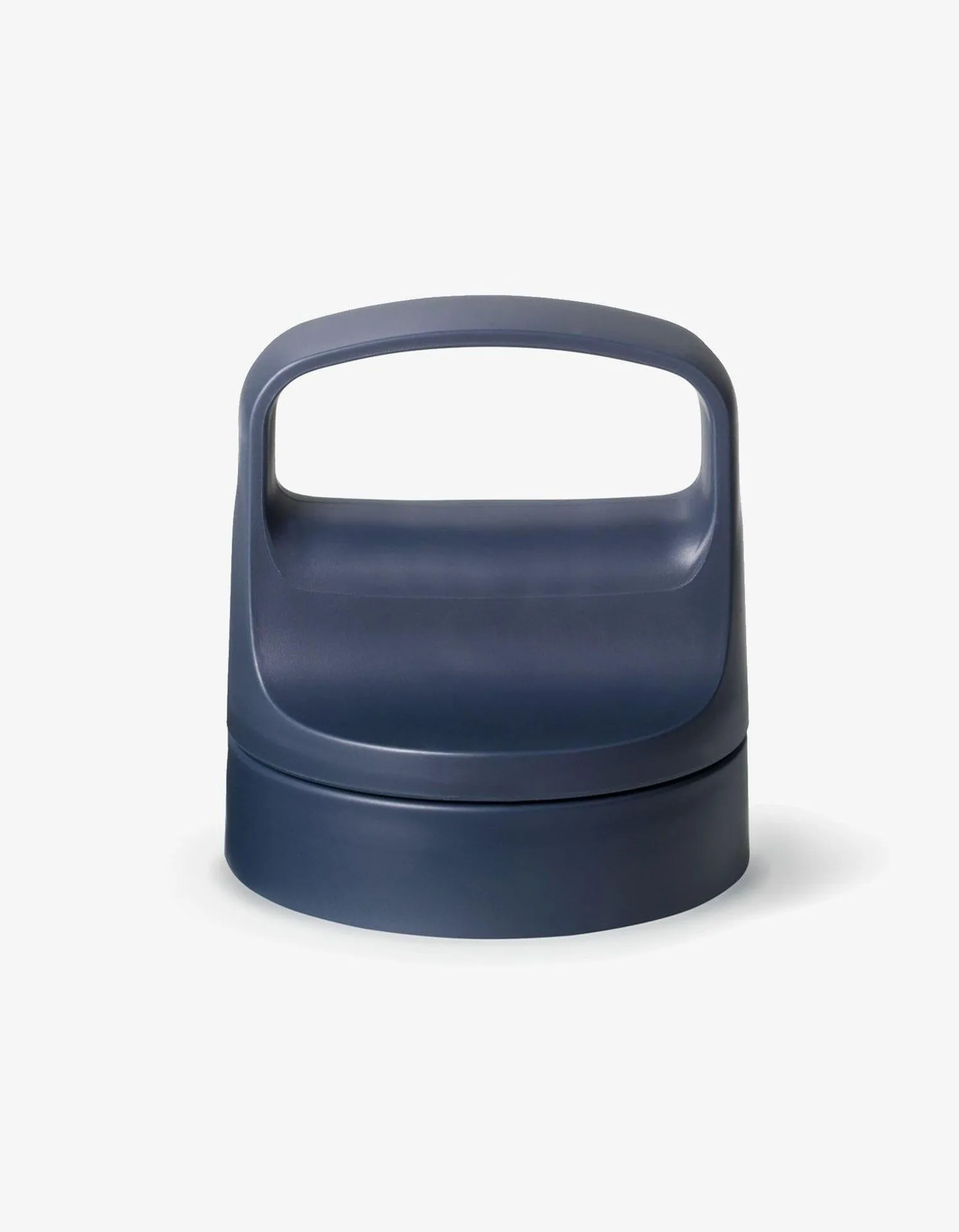
- LifeStraw Go Series | Replacement caps: Compatible with LifeStraw Go Series BPA Free 22 oz, 1L and LifeStraw Go Series Stainless Steel 18 oz, 24 oz and 1L. If you own a LifeStraw Go Series bottle, these replacement caps give you a fresh mouthpiece and cap assembly when the original shows wear.
A few minutes of regular care can keep your LifeStraw Sip working like new for years. Rinse after each use, deep clean occasionally, and inspect the mouthpiece for wear. When it's time to replace, a fresh mouthpiece is a small investment that keeps your straw comfortable and dependable.