Quick answer
Clean your sponges daily by rinsing and squeezing, then sanitize weekly using the microwave, dishwasher, or boiling water. Replace them every two to four weeks.
Why sponge care matters
Sponges are a breeding ground for bacteria because they stay damp and trap food particles. Regular cleaning reduces germs and odors, but no method makes a sponge sterile forever. You still need to toss old sponges to avoid spreading bacteria to dishes or surfaces.
Step-by-step sponge care routine
- Rinse and squeeze after each use: After washing dishes or scrubbing, rinse the sponge thoroughly under hot running water. Squeeze it firmly to remove trapped food and soap. Wring it out until no more water drips. Never leave a wet sponge sitting in the sink or on a counter — that invites odor and bacteria.
- Sanitize weekly in the microwave: Wet the sponge completely and microwave it on high for one to two minutes. Let it cool before handling. This kills most germs. Do not microwave sponges with metal scrub pads or those that contain metal fibers. Only microwave wet sponges; a dry sponge can catch fire.
- Sanitize weekly in the dishwasher: Place the sponge on the top rack of the dishwasher and run a heated drying cycle. This is a gentler option than the microwave and works well for most synthetic sponges. Skip this if your sponge has a scratchy side that may shed fibers in high heat.
- Boil sponges for deep cleaning: Submerge the sponge in boiling water for five minutes. Let it cool, then squeeze out excess water. This method is effective for sponges that are not too old. Do not boil sponges with plastic scouring pads — they may melt.
- Dry sponges completely between uses: After cleaning, store the sponge in a well-ventilated spot where it can air dry. A sponge caddy or a dish rack works well. Avoid closed containers that trap moisture. A dry sponge grows far fewer bacteria than a damp one.
- Replace sponges every two to four weeks: Even with regular cleaning, sponges wear out and accumulate bacteria. Swap in a fresh sponge when it starts to smell, looks frayed, or feels slimy. For heavily used kitchen sponges, aim for two weeks. If the sponge smells after cleaning, it is time to toss it.
Products that make sponge care easier
-
BATH BITERS - Shark: Fred’s Bath Biters are fun animal-shaped sponges that are gentle on little one’s skin, generously sized, and absorbent for rinsing. Because they are designed for kids’ bath time, they benefit from the same care steps to stay clean and last longer between uses.
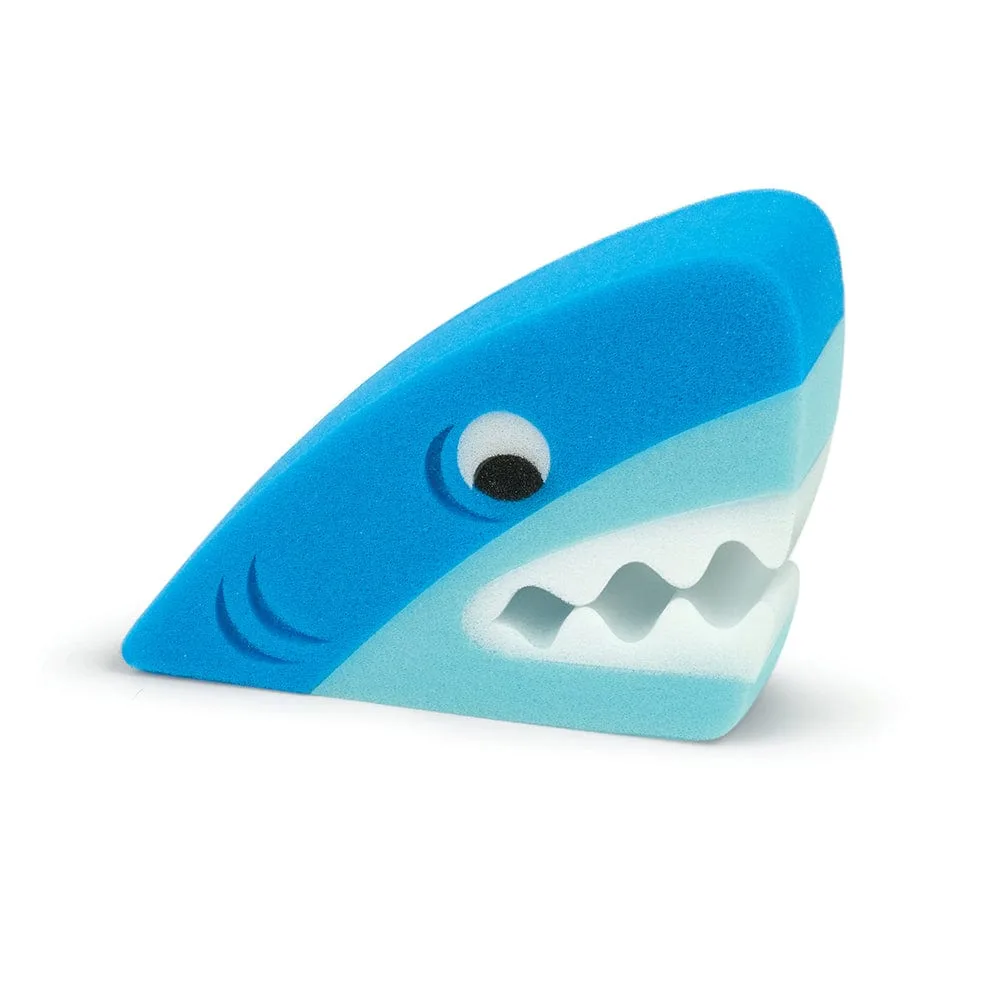
BATH BITERS - Shark