Quick Answer
To clean and store organic baby clothes effectively, always pre-treat stains, wash in cold water with a gentle detergent, air dry or tumble dry low, and fold or hang them in a cool, dry place. For outgrown items, wash, dry, and store in breathable containers with cedar blocks to keep them fresh and ready for the next baby.
Organic baby clothes are a wonderful investment in your baby's comfort and the planet, but they require a little extra care to stay soft, safe, and beautiful. Proper cleaning and storage not only extend the life of the garments but also keep them free from irritants and ready for the next little one. This guide walks you through the entire process, from washing to storing, with practical tips to avoid common pitfalls.
Whether you're a new parent or a seasoned pro, these steps will help you maintain the quality of your organic cotton pieces, like those from Parade, so they remain a favorite for years.
Why Organic Baby Clothes Need Special Care
Organic cotton is grown without harmful pesticides and processed without toxic chemicals, making it gentler on your baby's skin and the environment. However, this natural fiber is also more delicate than conventional cotton, so it can be prone to shrinkage, fading, and wear if not handled correctly. Understanding the fabric's needs helps you preserve its softness and integrity.
Additionally, organic baby clothes often feature gentle prints and dyes that can fade or bleed if washed improperly. Following the right care routine ensures that the vibrant colors and cozy feel last through many wears and washes.
- Always check the care label for specific instructions, as some items may have special requirements.
- Avoid fabric softeners and bleach, which can coat fibers and reduce absorbency.
- Wash similar colors together to prevent dye transfer.
Step-by-Step Cleaning Guide
Start by sorting the clothes by color and fabric weight. Pre-treat any stains with a gentle, enzyme-based stain remover or a dab of liquid detergent, letting it sit for a few minutes before washing. This step is crucial for organic fabrics because they are often lighter in color and more prone to showing marks.
Wash the clothes in cold water on a gentle cycle with a mild, plant-based detergent that is free from fragrances and dyes. Hot water can cause shrinkage, and harsh detergents can strip natural oils from the cotton. If you have a front-loader, use the delicate cycle; for top-loaders, consider hand-washing or using a mesh bag for extra protection.
After washing, remove the clothes promptly to prevent wrinkles and mildew. Air drying is the gentlest option, but if you use a dryer, set it to low heat and remove items while slightly damp to minimize shrinkage. Avoid over-drying, which can make fabrics stiff.
- Use a gentle cycle and cold water to protect fibers.
- Skip the dryer sheets; they can leave residue.
- Turn garments inside out before washing to preserve prints.
How to Store Baby Clothes for Short-Term Use
For clothes in current rotation, you need easy access and visibility. Fold them into a drawer or use small bins on shelves, organizing by size or type. Rolling items can save space and prevent creases. Keep the storage area clean, dry, and away from direct sunlight to avoid fading.
If you prefer hanging, use padded or wooden hangers to maintain the shape of delicate items. Avoid wire hangers that can leave marks. For tiny socks and mittens, use a small basket or divider to keep pairs together.
- Label bins with size ranges to make dressing time quicker.
- Store off-season clothes in a separate container to reduce clutter.
- Use cedar blocks or lavender sachets to deter moths naturally.
Long-Term Storage for Outgrown Baby Clothes
When your baby outgrows clothes, you may want to save them for a sibling or pass them on. First, wash and dry them thoroughly to remove any food or body oils that could attract pests. Then, fold them neatly and place them in breathable containers like cotton storage bags or cardboard boxes. Avoid plastic bins with airtight lids, as they can trap moisture and cause mildew.
Add a natural moth deterrent like cedar blocks or a lavender sachet, but avoid direct contact with the fabric as oils can stain. Store the containers in a cool, dry, dark place, such as under a bed or on a high shelf. Check periodically for any signs of moisture or pests.
- Vacuum-sealed bags are not recommended for long-term storage because they can compress fibers and cause creases.
- Label each container with the size range and season for easy retrieval.
- Consider donating clothes you won't use again to extend their life.
Step-by-Step: Clean and Store Organic Baby Clothes
- Sort and pre-treat: Separate clothes by color and fabric weight. Pre-treat stains with a gentle stain remover or liquid detergent, letting it sit for 5-10 minutes. Checkpoint: Ensure all stains are treated before washing to prevent setting.
- Wash with care: Use cold water and a gentle, fragrance-free detergent on a delicate cycle. Turn garments inside out to protect prints. Checkpoint: Avoid hot water and harsh detergents to prevent shrinkage and fiber damage.
- Dry properly: Air dry on a flat surface or clothesline. If using a dryer, choose low heat and remove items while slightly damp. Checkpoint: Over-drying can cause stiffness and shrinkage; remove promptly.
- Fold and organize: Fold clothes by size and type, placing them in labeled bins or drawers. Roll items to save space and prevent creases. Checkpoint: Keep storage area clean and dry to avoid moisture buildup.
- Store for the future: Wash outgrown clothes, dry completely, and store in breathable cotton bags or cardboard boxes with cedar blocks. Checkpoint: Avoid plastic containers; check periodically for pests or moisture.
Products That Make Care and Storage Easier
- "My Jammies" Organic Kids' Pajamas: Our "My Jammies" collection is made of incredibly soft GOTS certified organic cotton, featuring exclusive hand printed Parade designs. The GOTS certification ensures the cotton is grown and processed without harmful chemicals, so gentle washing with a mild detergent is all you need to keep these pajamas safe for your child's skin and maintain their softness.
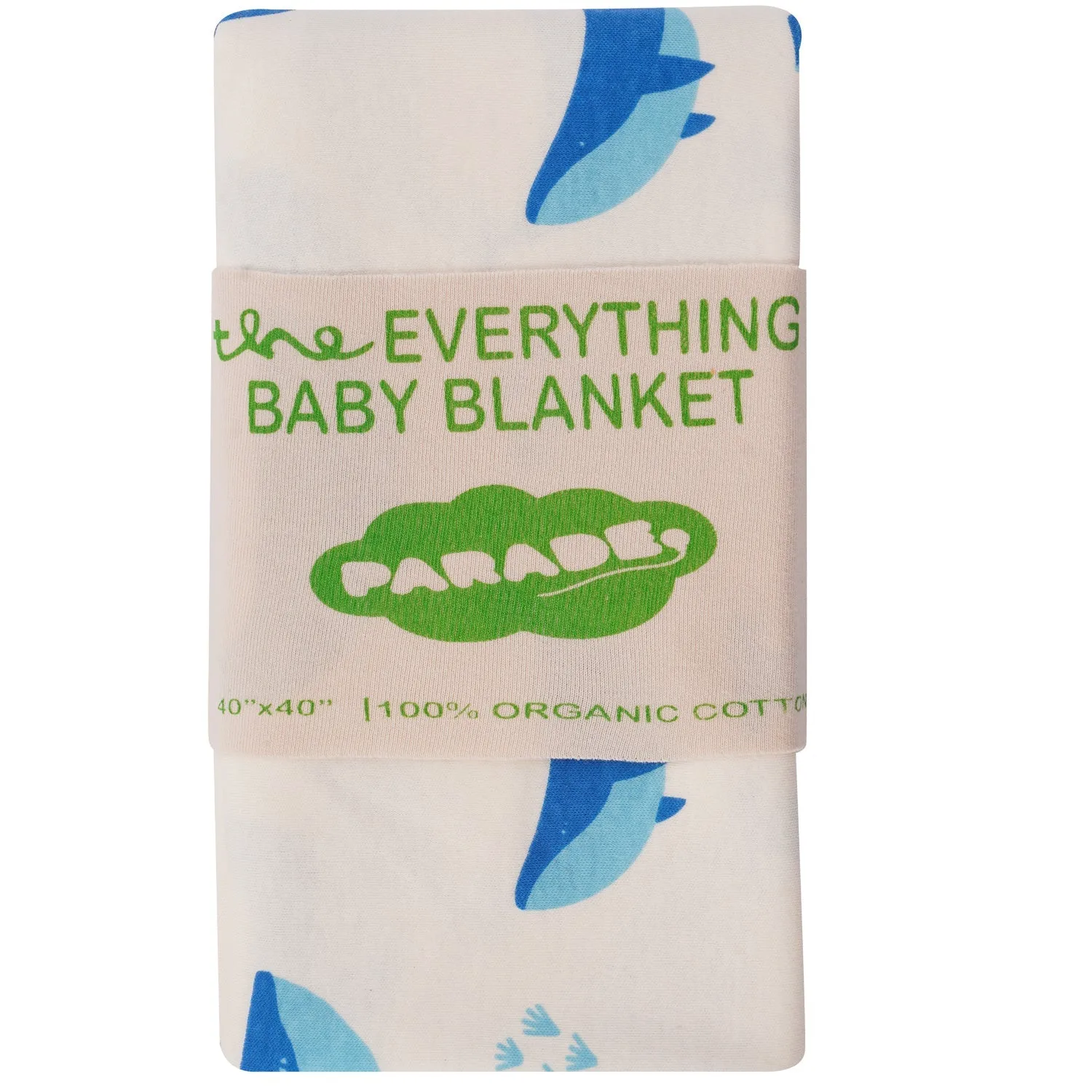
- Everything Organic Baby Blanket: Made from 100% organic cotton, this 40" x 40" blanket features a playful print on one side and a coordinating solid on the other. Lightweight and easy to toss in your bag or the stroller, it’s perfect for snuggles at home, naps on the go, travel and tummy time. Because this blanket is lightweight and used daily, it will need frequent washing. Following the care steps—cold water, gentle detergent, and air drying—will keep the prints vibrant and the cotton soft for years of adventures.
By following these straightforward steps, you can keep your organic baby clothes looking and feeling great, ready for your little one or the next generation. Proper care not only preserves the fabric but also ensures that your baby is always wrapped in safe, comfortable clothing. With a little attention, your organic cotton pieces from Parade will remain a cherished part of your baby's wardrobe.