After countless pizzas, your baking steel has earned its battle scars. But heavy use can leave behind stubborn burnt residue, grease, and discoloration that affect both performance and appearance. Knowing how to clean a baking steel properly is essential to keep it in top shape for years of delicious homemade pizza.

baking steel
In this guide, we'll walk you through the best methods to deep clean your baking steel, remove burnt-on food, and restore its non-stick surface. Whether you're a weekend warrior or a daily pizza maker, these tips will help you maintain your steel like a pro.
Why Cleaning Your Baking Steel Matters
A baking steel develops a natural non-stick patina over time, which is a sign of a well-used and loved steel. However, heavy use can also lead to a buildup of carbonized food and grease that not only looks unappealing but can also affect heat distribution and flavor. Regular cleaning prevents this buildup and ensures your steel continues to perform at its best.
Moreover, proper maintenance extends the life of your steel. Unlike cast iron, baking steel is less prone to rust, but it still requires care to prevent damage. By adopting a consistent cleaning routine, you'll enjoy better pizzas and a longer-lasting tool.
- Prevents flavor transfer from old burnt bits to new pizzas
- Maintains even heat distribution for consistent crusts
- Extends the lifespan of your investment
Daily Cleaning After Pizza Night
The best way to avoid a heavy-duty deep clean is to maintain your steel after each use. Once your steel has cooled completely (never plunge a hot steel into water – it can warp), scrape off any large food particles with a metal spatula or a dough cutter. The Baking Steel Dough Cutter is perfect for this task, as its tapered blade easily lifts stuck-on bits without scratching the surface.
For everyday cleaning, simply wipe the steel with a damp cloth or paper towel. If there's greasy residue, use a small amount of mild dish soap and warm water. Dry the steel thoroughly and apply a very thin layer of vegetable oil to protect the surface and maintain the patina. This quick routine takes less than five minutes and keeps your steel ready for the next bake.
- Always wait for the steel to cool completely before cleaning
- Use a dough cutter or spatula to scrape off residue
- Dry thoroughly and oil lightly to prevent rust
Deep Cleaning: Removing Burnt Residue and Stains
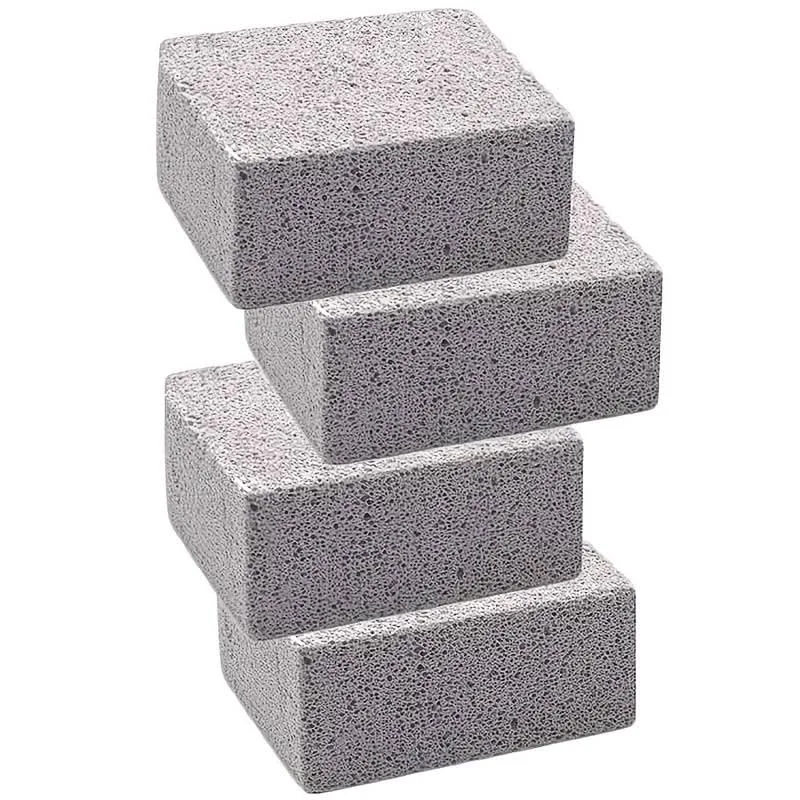
When your steel has developed a thick layer of burnt-on food or dark, sticky spots, it's time for a deep clean. One of the most effective methods is using a pumice stone, specifically designed for cleaning baking steels. The https://bakingsteeleun.com/products/baking-steel-cleaning-bricks-made-of-pumice-stone-314742https://bakingsteeleun.com/products/baking-steel-cleaning-bricks-314758Baking Steel Cleaning Bricks Made of Pumice Stone are ideal for this purpose. Gently rub the stone over the affected areas while the steel is warm (but not hot) to lift the residue without damaging the surface.
If you don't have a cleaning brick, you can create a paste with baking soda and water. Apply the paste to the burnt areas and let it sit for 15-20 minutes. Then, scrub with a non-abrasive pad or a stiff nylon brush. For extremely stubborn spots, you can use a razor blade scraper at a low angle, being careful not to gouge the steel.
- Use a pumice stone for tough, burnt-on food
- Create a baking soda paste for a gentle abrasive clean
- Avoid harsh chemicals that can strip the seasoning
Restoring the Seasoning and Patina
After a deep clean, your steel might look dull or even slightly grey. This is normal and indicates that the patina has been partially removed. To restore the non-stick surface, you'll need to reseason the steel. Preheat your oven to 400°F (200°C) and place the steel inside. Once hot, carefully apply a very thin layer of a high-smoke-point oil, such as grapeseed or flaxseed oil, using a paper towel. Heat for about an hour, then let it cool in the oven. This process will help rebuild the patina and protect the steel.
Alternatively, you can simply bake a pizza on the steel – the heat and oils from the dough will naturally help restore the seasoning. Many users find that their steel performs even better after a deep clean and reseasoning, as it provides a fresh, smooth surface for the next bake.
- Reseason with a thin layer of oil and heat
- Baking a pizza can naturally help restore the patina
- Avoid using soap after reseasoning – just wipe with a cloth
Tools and Accessories for Easier Cleaning
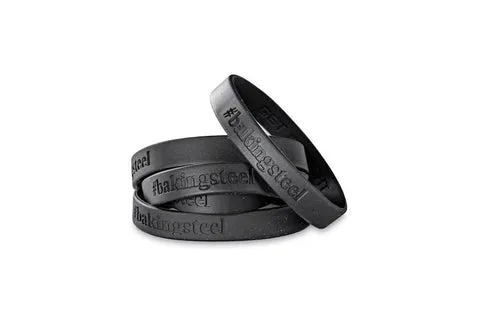
Having the right tools makes cleaning a breeze. Besides the dough cutter, a good cooling rack can help you manage hot pizzas and prevent messes. The Baking Steel Bracelet Cooling Rack (5-pk) is perfect for cooling your pizza immediately after baking, reducing the chance of sticky residue setting in. Additionally, a sturdy pizza peel like The 16" Pizza Peel – Cherry Wood allows you to transfer pizzas cleanly, minimizing spills and burnt bits on the steel.
Investing in a high-quality cleaning brick, such as the Baking Steel Cleaning Bricks, will save you time and effort in the long run. These tools are designed to work harmoniously with your steel, ensuring it stays in peak condition.
- Use a dough cutter for scraping
- Cool pizzas on a rack to prevent residue
- Keep a dedicated cleaning brick on hand
Maintaining your baking steel doesn't have to be a chore. With the right techniques and tools, you can keep it looking and performing like new. Remember to clean after each use, deep clean when necessary, and reseason to protect the surface. By following these steps, your steel will reward you with perfect, restaurant-quality pizzas for years to come. For more tips and high-quality accessories, explore our range of products designed to make your pizza-making experience even better.