Start by matching the tool to your sensor, not the other way around
The most common sensor-cleaning mistake is grabbing whatever swab is on the shelf. Width matters: a swab sized for an APS-C sensor will not cover a full-frame sensor in one pass, and a full-frame wand is overkill for a smaller sensor. Before you touch the sensor, confirm the cleaning head width against your camera's sensor format.
Two products in this catalog illustrate the split clearly. The Photographic Solutions Sensor Swab ULTRA - Type 2 is 17mm wide and the catalog describes it as suited for DX or APS-C sensors. The Delkin SENSOR SAFE wand is 24mm wide and the catalog describes it as for use on full-frame sensors. Those are different tools for different camera bodies, not interchangeable options.
The two cleaning-head widths in this catalog
-
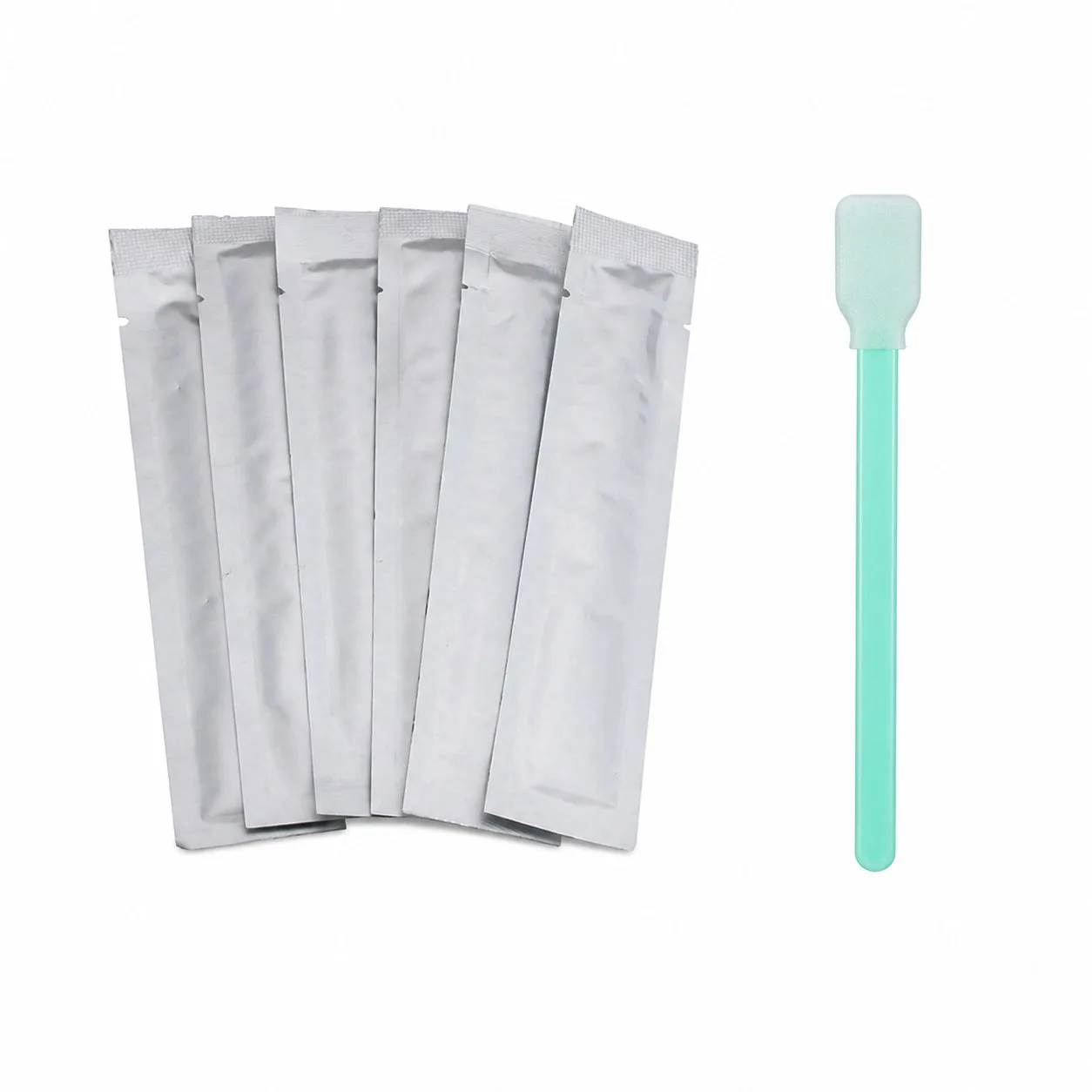
Photographic Solutions Sensor Swab ULTRA - Type 2 (12 Pack): Each swab is 17mm wide and described as suited for DX or APS-C sensors; the pack contains 12 swabs. This is the size to reach for when your camera has an APS-C or DX sensor, and the 12-pack covers multiple cleaning sessions.
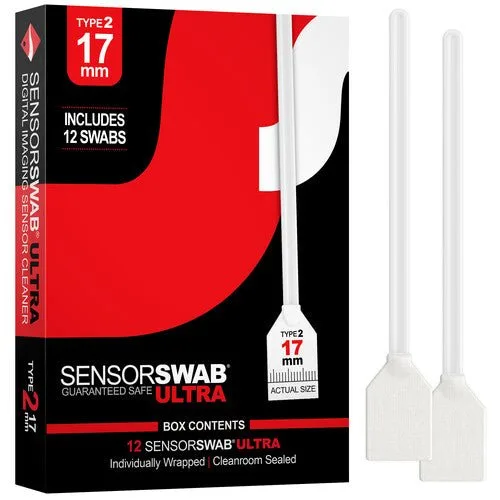
Photographic Solutions Sensor Swab ULTRA - Type 2 (12 Pack)
-
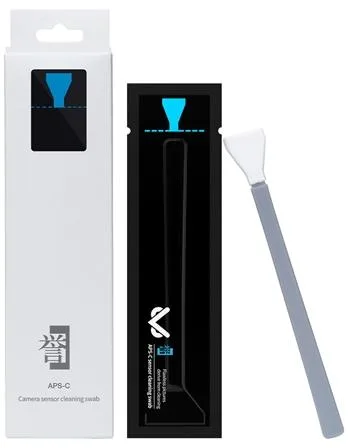
Delkin SENSOR SAFE wands - 15 LG: The wand head is 24mm wide and described as for use on full-frame sensors; each head is wrapped in soft, lint-free sterile fabric designed for coated and non-coated small-frame sensors. Full-frame sensors need the wider head to cover the surface evenly, and the fabric is specified for both coated and non-coated sensor surfaces.
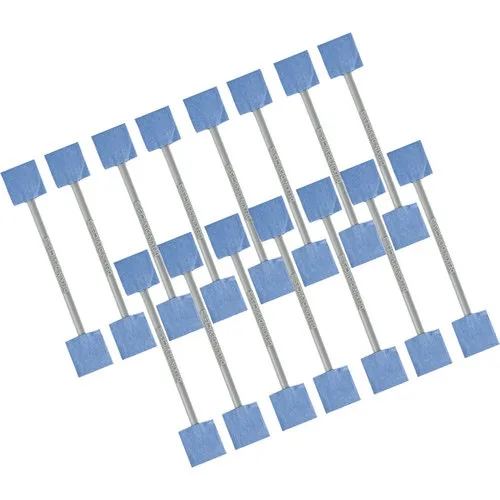
Delkin SENSOR SAFE wands - 15 LG
Inspect first, then decide whether you need a wet clean at all
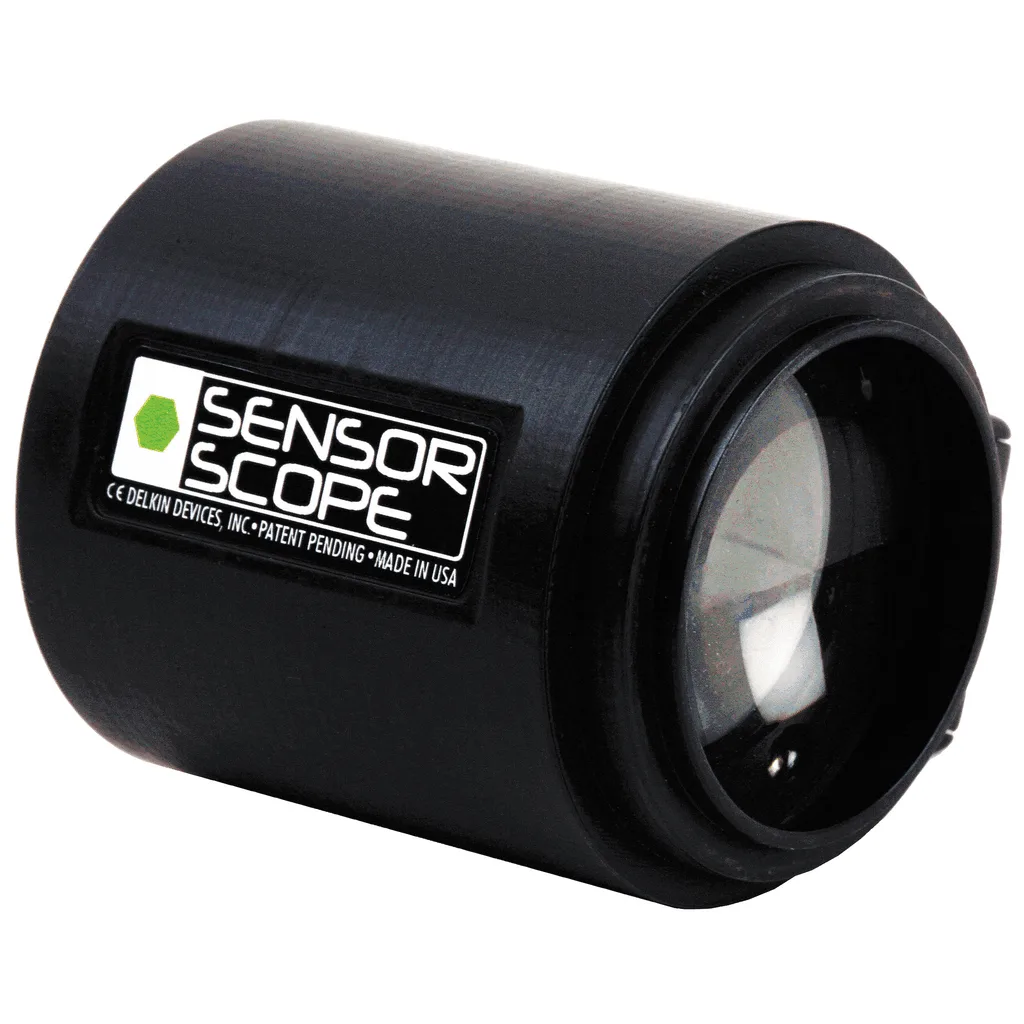
Dust you can see on a test image is not automatically a reason to wet-clean. A sensor scope lets you look at the sensor surface directly and judge what kind of debris you are dealing with before you introduce any liquid or contact. The Delkin Devices Sensor Scope with Bag is described as a tool for inspecting and maintaining the sensor, helping you identify dust and debris on the sensor surface. It is also described as ideal for checking sensor cleanliness before or after cleaning on DSLR and mirrorless cameras.
That inspection step matters because the two cleaning products here address different problems. The Sensor Swab ULTRA is described as developed to combat dust and debris that accumulates when the sensor is exposed during lens changes. The Delkin SENSOR SAFE wand is described as cleaning oils, condensation, pollen, and other chemically adhered debris. If your scope shows only loose dust, you may not need the wand's chemical-debris approach; if you see smears or pollen, a dry-only routine may not be enough.
Inspection tool for before and after
- Delkin Devices Sensor Scope with Bag: The Delkin Devices Sensor Scope with Bag is described as a practical tool for inspecting and maintaining the camera's sensor, helping identify dust and debris, and as ideal for checking sensor cleanliness before or after cleaning on DSLR and mirrorless cameras. It includes a dedicated bag for storage and transport. A scope turns sensor cleaning from guesswork into a checkable step: inspect, clean only what you can identify, then inspect again to confirm the result.
A supported sequence for a wet clean
- Inspect the sensor with a scope: Use the Delkin Sensor Scope to identify dust, oil, pollen, or other debris before deciding on a cleaning method. The catalog describes the scope as suitable for checking sensor cleanliness before or after cleaning on DSLR and mirrorless cameras.
- Choose the head width that matches your sensor: Use the 17mm Photographic Solutions Sensor Swab ULTRA Type 2 for DX or APS-C sensors, or the 24mm Delkin SENSOR SAFE wand for full-frame sensors. Do not force a narrower swab to cover a larger sensor or vice versa.
- Match the tool to the debris: For dust and debris from lens changes, the Sensor Swab ULTRA is described as developed for that problem. For oils, condensation, pollen, and chemically adhered debris, the Delkin SENSOR SAFE wand is described as the tool for those contaminants.
- Control the fluid with the wand's wicking fabric: The Delkin wand head is wrapped in fabric that the catalog says is wicked to absorb excess fluid and prevent oversaturation. That design detail is the reason to use the wand as supplied rather than adding extra liquid.
- Inspect again after cleaning: Recheck with the scope to confirm the sensor is clean and that no residue or new debris was left behind. The catalog describes the scope as useful for checking cleanliness after cleaning as well as before.
Sensor swab vs sensor wand: what each one is for
These are not competing versions of the same product. They differ in width, in the type of debris they are described for, and in how the cleaning head manages fluid.
- Photographic Solutions Sensor Swab ULTRA - Type 2 (12 Pack): 17mm wide, described as suited for DX or APS-C sensors, and developed to combat dust and debris from lens changes. Comes as a 12-pack.
- Delkin SENSOR SAFE wands - 15 LG: 24mm wide, described as for full-frame sensors, and aimed at oils, condensation, pollen, and other chemically adhered debris. The sterile, lint-free fabric is wicked to absorb excess fluid and prevent oversaturation.
What the catalog does not confirm
The supplied product records do not include step-by-step operating instructions, recommended fluid quantities, drying times, or compatibility lists beyond the sensor-format descriptions above. They also do not confirm that either cleaning head works with every sensor coating or every camera model. Treat the widths and debris descriptions as your selection guide, and follow the instructions that come with your camera and the cleaning product for anything beyond that.
If you are unsure which head fits your camera, check your sensor format first. APS-C and DX bodies point to the 17mm swab; full-frame bodies point to the 24mm wand. The scope is the one tool that helps at every stage, regardless of which cleaning head you use.