Quick Answer
Wash your cat's food bowl with hot, soapy water after every meal, and deep-clean it weekly with a diluted bleach solution or in the dishwasher. Ceramic bowls like the zeze Pop Art design are easier to keep hygienic because their non-porous glaze resists scratches where bacteria hide.
Why Daily Bowl Cleaning Matters
Bacteria multiply quickly in leftover food and saliva. A bowl that isn't washed daily can harbor E. coli, salmonella, and mold, which may cause vomiting or diarrhea in your cat. Dry food leaves oily residue that attracts bacteria just as much as wet food.
Cats are also prone to chin acne — small blackheads or red bumps on the chin caused by bacteria trapped in pores. Dirty bowls are a primary trigger. Switching to a ceramic bowl with a smooth, non-porous surface reduces the problem because plastic bowls develop micro-scratches that trap bacteria.
Ceramic vs. Plastic vs. Stainless Steel
Plastic bowls are the hardest to keep clean because scratches form quickly, giving bacteria a place to hide. Stainless steel is non-porous and dishwasher-safe, but some cats dislike the metallic smell or the way light reflects off the surface.
Ceramic bowls offer the best balance of hygiene and aesthetics when they are glazed and fired at high temperatures. The zeze Pop Art Ceramic Pet Bowl, for example, has a glossy glazed finish that resists scratching and staining. Its 12° tilted raised design also promotes better posture, reducing mess and keeping the bowl area cleaner.
Step-by-Step Cleaning Routine
- Rinse Immediately After Each Meal: Remove leftover food and rinse the bowl with warm water within 30 minutes of your cat finishing. This prevents food from drying and sticking, which makes washing harder. Common mistake: Leaving the bowl on the counter for hours. Dried food residue requires scrubbing that can damage glazed ceramic surfaces over time.
- Wash With Hot, Soapy Water: Use a dedicated sponge or brush (not the one for human dishes) and liquid dish soap. Scrub all surfaces — inside, outside, and the bottom rim — with hot water for at least 30 seconds. Rinse thoroughly to remove all soap residue. Checkpoint: If the bowl feels slippery after rinsing, soap residue remains. Rinse again until the surface feels clean to the touch.
- Air-Dry Completely Before Refilling: Place the bowl upside down on a clean dish rack or paper towel. Let it air-dry completely — usually 1–2 hours. Moisture trapped under the bowl or inside a rubber base encourages bacterial growth. Common mistake: Drying with a kitchen towel. Towels can transfer bacteria from previous uses. Air-drying is safer.
- Deep-Clean Weekly: Once a week, sanitize the bowl by running it through the dishwasher on the hot cycle, or soak it in a solution of 1 tablespoon unscented bleach per 1 gallon of water for 2 minutes, then rinse and air-dry. For ceramic bowls, check the manufacturer's instructions — the zeze Pop Art bowl is dishwasher-safe. Checkpoint: Never use abrasive scrubbers on ceramic bowls. They can scratch the glaze, creating hiding spots for bacteria.
- Replace Worn Bowls Promptly: Inspect your cat's bowl every month. Replace it if you see cracks, chips, deep scratches, or a cloudy glaze. Damaged ceramic can harbor bacteria even after thorough cleaning. Common mistake: Thinking a chip is harmless. Cracked ceramic can also cut your cat's tongue or gums.
Product Highlight: Ceramic Bowl Hygiene
-
zeze Pop Art Ceramic Pet Bowl, 2 sizes for water, dry or wet catfood: The zeze Pop Art Ceramic Pet Bowl has a glossy glazed finish that resists scratching and staining. A smooth, non-porous surface means bacteria have fewer places to hide, making daily cleaning more effective and reducing the risk of chin acne.
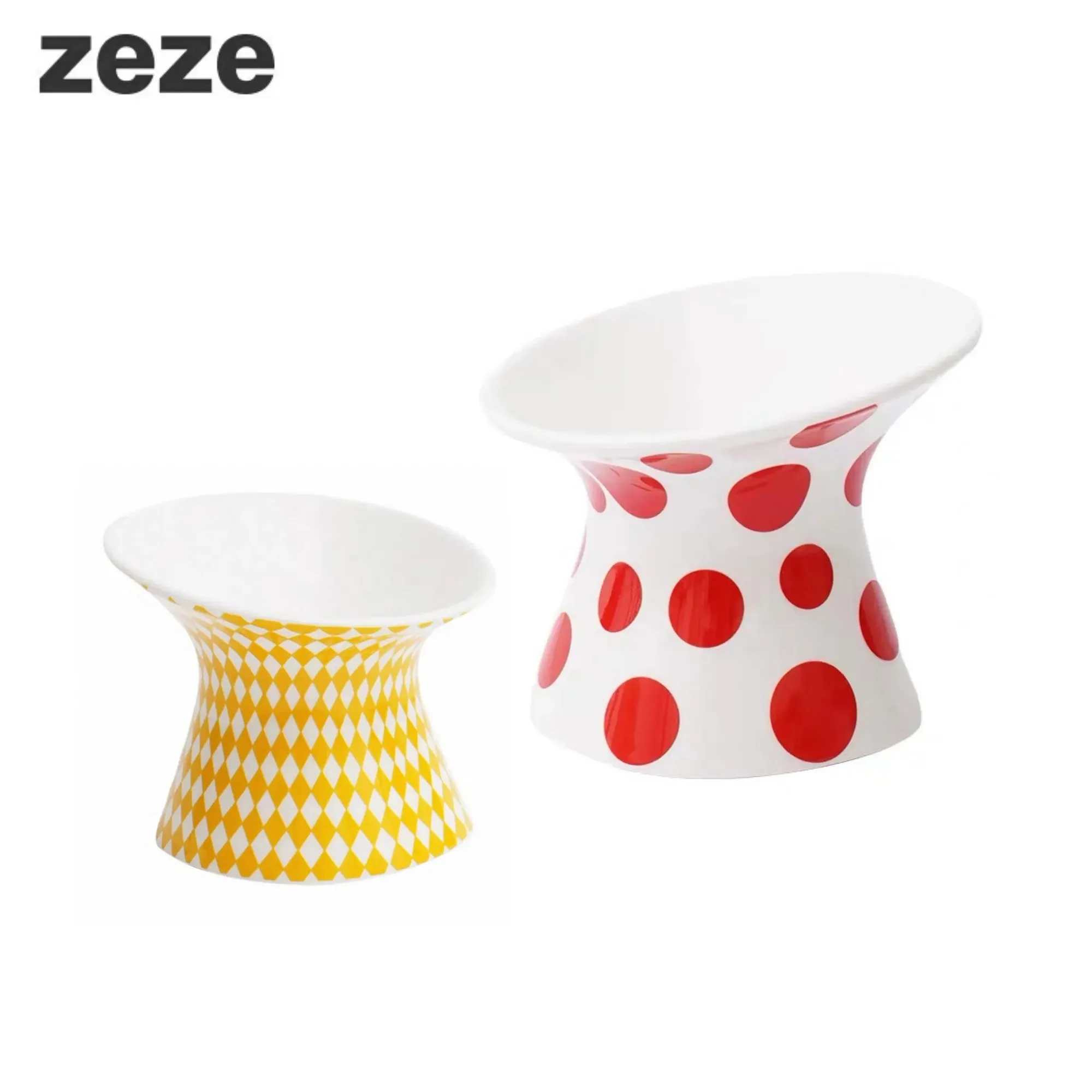
zeze Pop Art Ceramic Pet Bowl, 2 sizes for water, dry or wet catfood