Quick Answer
To clean a clear MagSafe case without causing yellowing or scratches, use a soft microfiber cloth with lukewarm water and a drop of mild dish soap. Avoid harsh chemicals, abrasive pads, and excessive heat. Rinse thoroughly and air-dry completely before reattaching.
Clear cases are popular because they show off your phone's design, but they can quickly look dingy if not cared for properly. Yellowing and scratches are the two most common complaints, and both are often the result of improper cleaning methods. The good news is that with the right technique, you can keep your clear MagSafe case looking nearly new for months.
This guide walks you through a simple, safe cleaning routine that works for most clear cases, including the COVERT series from GHOSTEK. You'll also learn what to avoid, how to handle minor scratches, and how to keep your case from yellowing in the first place.
Why Clear Cases Yellow and Scratch
Clear cases are typically made from polycarbonate or thermoplastic polyurethane (TPU). TPU is flexible and impact-resistant, but it is prone to yellowing over time, especially when exposed to UV light, heat, and certain chemicals. Scratches, on the other hand, happen when dust and grit get trapped between the case and the surface you place it on, or when you wipe it with a rough cloth.
Understanding these causes helps you avoid common mistakes. For example, using alcohol-based wipes or abrasive cleaners can strip protective coatings and accelerate yellowing. Similarly, wiping the case with a paper towel or your shirt can leave micro-scratches that dull the finish.
- Keep your case out of direct sunlight when not in use.
- Avoid using nail polish remover, bleach, or window cleaners.
- Use a separate, soft cloth for your phone case to avoid transferring grit.
What You Need for Safe Cleaning
Gather these items before you start: a soft microfiber cloth (lint-free), lukewarm water, a drop of mild dish soap (like Dawn), and a small bowl. Optionally, you can use a soft-bristled toothbrush for stubborn grime in corners, but make sure the bristles are very soft to avoid scratching.
Avoid using paper towels, napkins, or any cloth with a rough texture. Also, skip cleaning products that contain alcohol, ammonia, or bleach, as these can damage the case's surface and speed up yellowing.
- Microfiber cloth is essential—never use paper towels.
- Mild dish soap is safe, but avoid antibacterial soaps with added chemicals.
Step-by-Step Cleaning Process
Start by removing the case from your phone. This prevents water or soap from getting into ports and allows you to clean the entire case, inside and out. Then, mix a few drops of dish soap into a bowl of lukewarm water. Dip the microfiber cloth into the solution and wring it out well—you want it damp, not dripping.
Gently wipe the entire case, paying extra attention to areas where skin oils and dirt accumulate, like the edges and around the camera bump. For stubborn spots, use a soft toothbrush dipped in the soapy water and scrub gently. Avoid applying too much pressure, as that can create micro-scratches.
Once the case is clean, rinse it under lukewarm running water to remove any soap residue. Shake off excess water and pat it dry with a clean, dry microfiber cloth. Let the case air-dry completely before putting it back on your phone. This prevents moisture from being trapped between the case and your phone, which can cause damage.
- Never use hot water—it can warp the case.
- Check for any remaining soap residue before drying.
How to Prevent Yellowing
Yellowing is largely caused by UV exposure and heat. To slow it down, keep your phone out of direct sunlight for extended periods and avoid leaving it in a hot car. Also, be mindful of what you apply to your hands—lotions, sunscreen, and certain cosmetics can accelerate yellowing if they transfer to the case.
Regular cleaning helps remove these substances before they cause permanent damage. Wipe your case down once a week with a dry microfiber cloth to remove surface oils, and do a deeper clean with soap and water every few weeks. This routine is simple and effective for most clear cases.
- Consider using a UV-resistant clear case if you're often outdoors.
- If you notice yellowing, stop using the case and replace it—cleaning won't reverse it.
Dealing with Minor Scratches
Small scratches are often more visible on clear cases than on colored ones. If you have light surface scratches, you can try a gentle polishing compound designed for plastics, such as Polywatch or a similar product. Apply a small amount to a microfiber cloth and rub in a circular motion with light pressure. Wipe off the residue and check the result.
Be careful not to over-polish, as this can remove the case's protective coating and make it more prone to future scratching. For deep scratches, polishing may not help, and the best solution is to replace the case. Cases are relatively inexpensive, and a new one will look much better than a scratched one.
- Test any polish on a small area first.
- If scratches are deep, consider a new case instead of risking damage.
Quick Cleaning Steps
- Remove the case: Take the case off your phone to clean it thoroughly and avoid getting moisture in ports. Checkpoint: Ensure the case is completely removed before proceeding.
- Prepare a mild soap solution: Mix a drop of dish soap with lukewarm water. Avoid harsh chemicals. Mistake to avoid: Using alcohol or bleach can damage the case.
- Wipe with a microfiber cloth: Dampen the cloth, wring it out, and gently wipe all surfaces of the case. Checkpoint: Use light pressure to prevent scratches.
- Rinse and dry: Rinse under lukewarm water, then pat dry with a clean microfiber cloth. Let it air-dry fully. Mistake to avoid: Putting the case back on while damp can trap moisture.
Products That Help You Care for Your Case
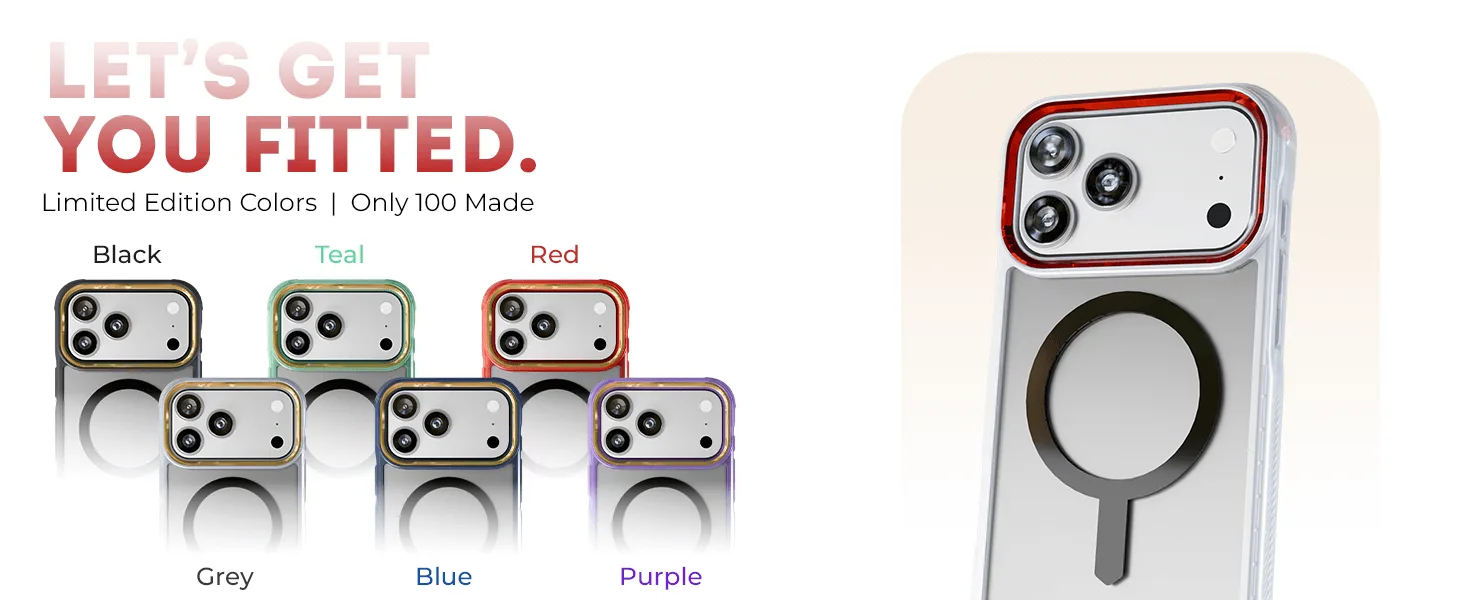
- https://ghostekes.com/products/iphone-17-air-series-protective-clear-magsafe-cases-covertiphone-17-smoke-matte-294287iPhone 17 / Air Series Protective Clear MagSafe Cases — COVERTiPhone 17 / Smoke Matte: Whats Included iPhone Phone Case iPhone Screen Protector 45W USB-C Wall Charger 60W USB-C Charging Cable Case Features Premium Minim... This COVERT case comes with a screen protector and charging accessories, so you can keep your phone and case in top condition without extra purchases.
- iPhone 17 / Air Series Protective Clear MagSafe Cases — COVERTiPhone 17 Pro Max / Smoke: Clear, smoke-tinted design for a sleek look that complements your iPhone 17 Pro Max. MagSafe compatible for effortless use with MagSafe chargers and... The smoke tint helps hide minor yellowing that can occur over time, keeping the case looking cleaner for longer.
Keeping your clear MagSafe case clean doesn't have to be complicated. By using the right materials and techniques, you can prevent yellowing and minimize scratches, ensuring your case looks great and protects your phone for a long time. If you notice significant yellowing or deep scratches, don't hesitate to replace it—your phone deserves to look its best.